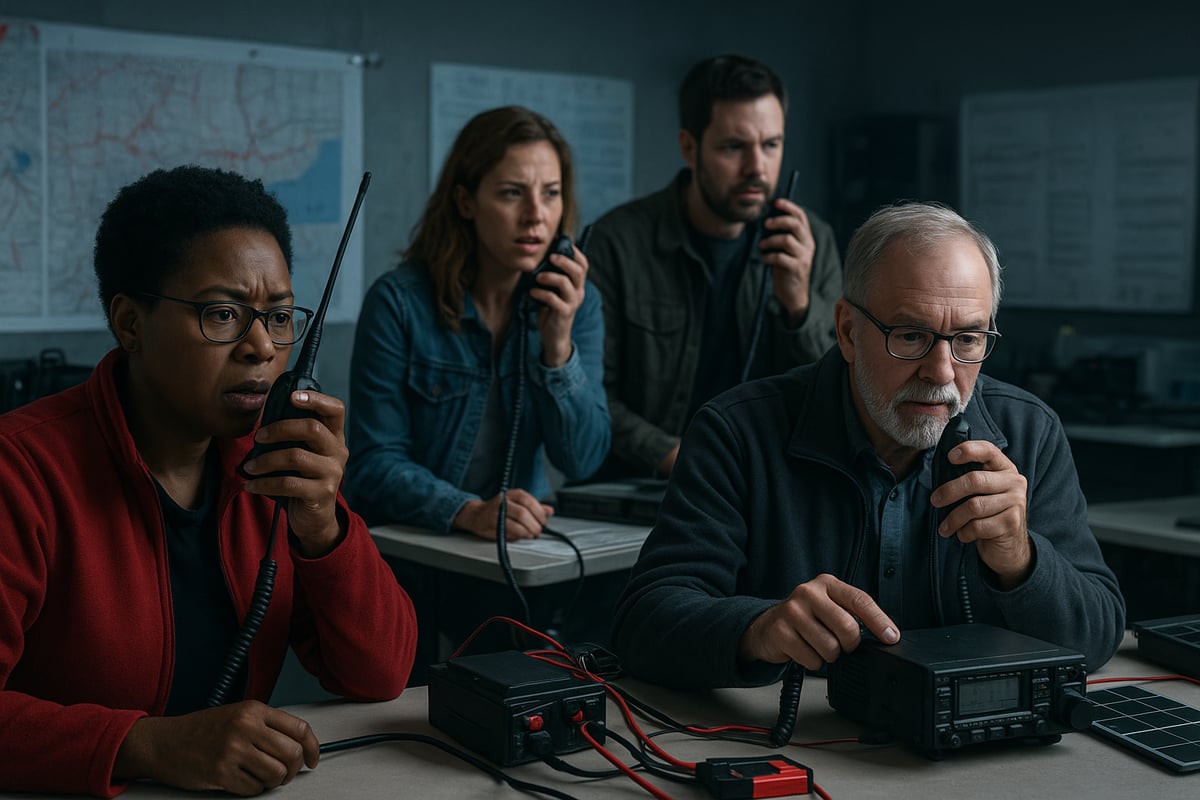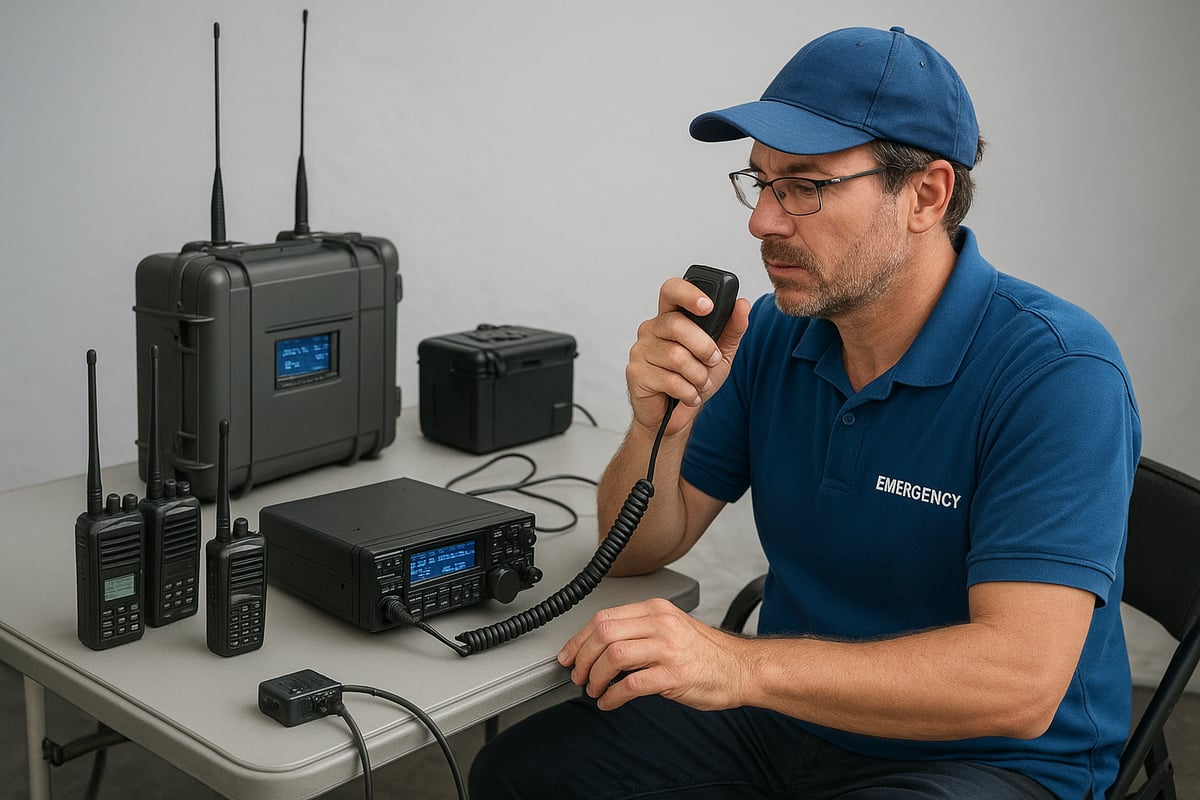

Imagine a disaster hits and your phone suddenly stops working. In these moments, having a cb radio...
When cellular networks go down and internet connectivity fails, emergency responders need reliable communication alternatives. CB radio for emergencies has served as a critical backup communication method for decades, providing a simple yet effective way to transmit information when modern infrastructure becomes unavailable. For public safety agencies facing natural disasters, power outages, or infrastructure failures, understanding how to leverage CB radio technology ensures continuous communication capability during the most critical moments.
Understanding CB Radio Technology for Emergency Response
CB radio operates on 40 designated channels within the 27 MHz frequency band, requiring no license for operation in the United States. This accessibility makes CB radio for emergencies an attractive option for both professional emergency responders and community members who want to maintain communication capability during crises.
The technology works through amplitude modulation (AM) or single sideband (SSB) transmission, with a maximum legal power output of 4 watts for AM and 12 watts PEP for SSB. While these power limitations restrict range compared to amateur radio systems, CB radios typically provide 3-5 miles of communication range in urban areas and up to 20 miles in rural environments with proper antenna setup.
Legal Framework and Operational Guidelines
Operating CB radio equipment legally requires adherence to specific regulations established by the Federal Communications Commission. According to operational rules for CB radios, users must refrain from transmitting music, advertisements, or obscene language, and they cannot use CB radios to conduct business communications regularly.
Understanding what is illegal on CB radios helps emergency coordinators establish proper protocols. Prohibited activities include transmitting without proper identification, using power amplifiers that exceed legal limits, and interfering with emergency communications. For public safety agencies, maintaining compliance ensures CB radio systems remain available when needed most.
The legal status of CB radios in the United States confirms that citizens can operate these devices without obtaining licenses, making them ideal for community emergency response teams and volunteer organizations supporting professional first responders.
Emergency Channel Protocols and Best Practices
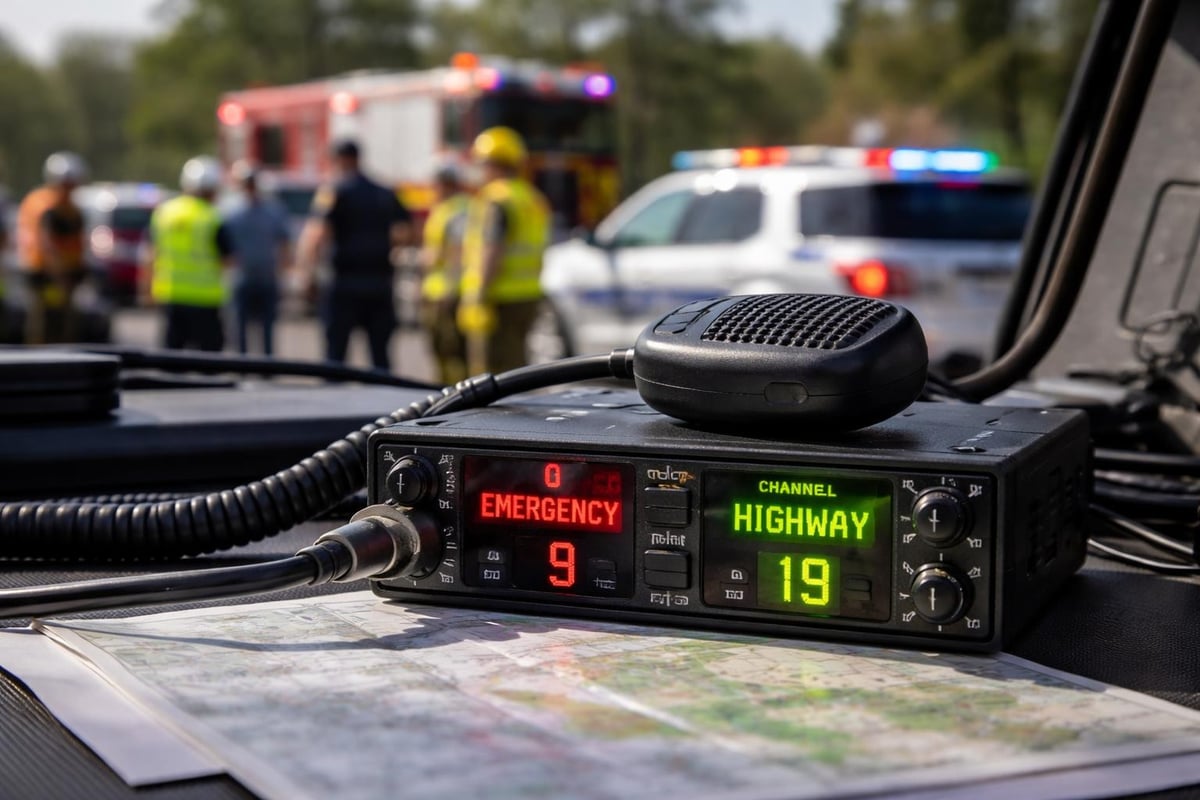
Channel 9 serves as the universally recognized emergency channel for CB radio communications. This designation means that users should monitor Channel 9 during emergencies and keep it clear for urgent communications. The CB radio emergency priority channels guide explains how both the United States and Canada recognize this channel for distress calls and emergency coordination.
Critical Emergency Channels
| Channel | Primary Use | Emergency Application |
|---|---|---|
| 9 | Emergency communications | Distress calls, emergency coordination, urgent assistance requests |
| 19 | Highway/trucker information | Traffic incidents, road hazards, accident reporting |
| 17 | Highway north/south traffic | Secondary emergency routing, convoy coordination |
Emergency responders should familiarize themselves with CB radio etiquette to ensure effective communication during crises. Key practices include:
- Monitoring Channel 9 before transmitting to avoid interfering with ongoing emergency communications
- Keeping transmissions brief and clear
- Identifying your location and nature of emergency immediately
- Waiting for acknowledgment before assuming your message was received
- Avoiding profanity or unnecessary chatter on emergency channels
The comprehensive CB channel guide provides detailed information about all 40 channels and their conventional uses, helping emergency coordinators identify alternative channels when primary emergency channels become congested.
Strategic Implementation for Public Safety Agencies
Integrating CB radio for emergencies into existing public safety communication infrastructure requires careful planning and strategic deployment. While modern emergency communication platforms offer advanced features like multilingual support, CB radio systems provide essential redundancy when digital systems fail.
Equipment Selection and Installation
Public safety agencies should prioritize mobile CB radio units that can operate from vehicles and portable power sources. Base station equipment offers extended range but requires reliable power infrastructure that may not be available during major emergencies.
When following the essential guide to CB radio setup, agencies should consider:
- Antenna placement and height: Higher antenna mounting significantly improves transmission range
- Power source redundancy: Battery backup systems, solar charging capability, vehicle power adapters
- Weatherproofing: Protection against rain, snow, and extreme temperatures
- Mounting security: Preventing equipment theft or damage during deployments
- Spare equipment inventory: Maintaining backup radios, microphones, and cables
Training and Protocol Development
Emergency personnel need regular training on CB radio operation, even though the technology is relatively simple. Training should cover:
- Proper radio terminology and phonetic alphabet usage
- Channel selection based on emergency type and location
- Message priority systems during multi-incident scenarios
- Coordination with emergency language translation services when serving diverse communities
- Documentation requirements for radio communications during official responses
Creating standard operating procedures for CB radio use ensures consistency across shifts and departments. These protocols should specify when to activate CB radio systems, who has authority to transmit on emergency channels, and how to integrate CB communications with dispatch centers and command posts.
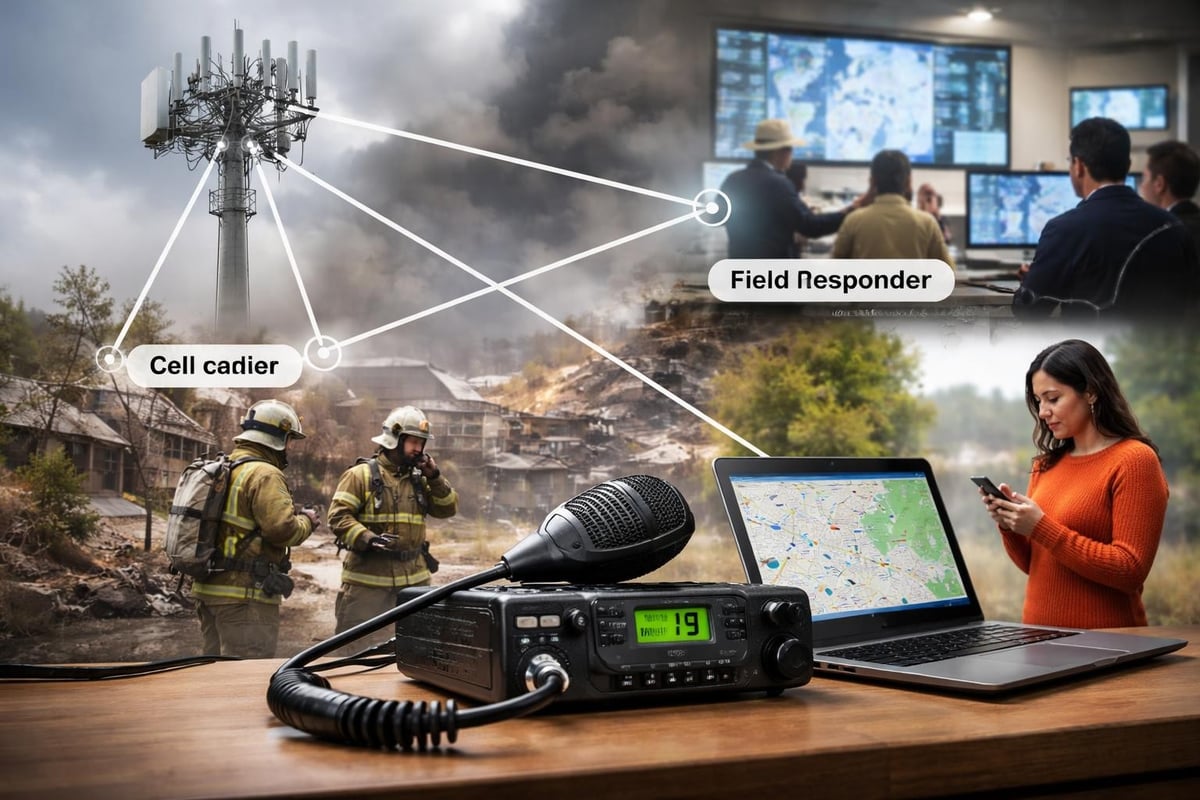
Comparing CB Radio with Other Emergency Communication Options
While CB radio for emergencies offers significant advantages, public safety agencies should understand how it compares with alternative communication technologies. The comparison of emergency-capable radios evaluates different radio systems based on range, power requirements, licensing, and emergency suitability.
Technology Comparison Matrix
| System | Range | License Required | Language Support | Infrastructure Dependency |
|---|---|---|---|---|
| CB Radio | 3-20 miles | No | Voice only | None |
| HAM Radio | 100+ miles | Yes | Voice only | Repeaters optional |
| Cellular/Satellite | Global | No | Text/voice/video | Cell towers/satellites |
| Digital Platforms | Internet-dependent | No | 185+ languages | Internet connectivity |
Amateur radio systems, covered in our guide to emergency ham radio, provide significantly greater range and power output but require operator licensing and more complex equipment. For agencies with licensed operators, HAM radio complements CB radio by offering long-distance communication capability.
Modern emergency communication platforms address a critical limitation of CB radio: language barriers. When responding to emergencies in diverse communities, responders using voice-only CB radio systems cannot easily communicate with non-English speakers. Integrating emergency language technology with traditional radio systems helps bridge this gap.
Weather Radio Integration
The CB emergency channel and NOAA comparison highlights how CB radio and NOAA Weather Radio serve complementary purposes. NOAA provides one-way broadcasts of weather alerts and emergency information, while CB radio enables two-way communication for response coordination. Emergency operations centers should monitor both systems simultaneously.
Real-World Applications and Case Studies
CB radio for emergencies has proven invaluable during numerous disasters and emergency situations. During Hurricane Katrina in 2005, CB radio enabled communication between isolated neighborhoods and rescue teams when cellular infrastructure completely failed. Similarly, during the 2021 Texas power crisis, CB radio helped coordinate welfare checks and resource distribution when other communication methods became unavailable.
Urban Emergency Response Scenarios
In urban environments, CB radio range limitations become more pronounced due to building interference and radio frequency congestion. However, strategic deployment of CB radio-equipped vehicles throughout a city creates a communication mesh that extends effective coverage. Fire departments, police patrols, and emergency medical services can maintain contact even when digital systems fail.
During large-scale evacuations, CB radio facilitates communication with commercial truck drivers who routinely monitor Channel 19. This partnership proved essential during wildfire evacuations in California, where truckers relayed road conditions, traffic patterns, and hazard locations to emergency management teams.
Rural and Remote Area Communications
Rural areas benefit most significantly from CB radio for emergencies due to limited cellular coverage and longer response times. Counties with large geographic areas and dispersed populations often equip volunteer fire departments and emergency medical responders with CB radios as primary communication devices.
Search and rescue operations in remote areas leverage CB radio when teams spread across vast territories need to maintain contact. While modern GPS and satellite communication devices offer superior features, CB radio provides immediate, simple communication that doesn't rely on subscription services or satellite availability.
Community Integration and Public Preparedness
Encouraging community members to maintain CB radio equipment strengthens overall emergency preparedness. Public safety agencies can partner with local emergency management offices to promote CB radio adoption among citizens, creating a distributed communication network that activates during disasters.
Community Emergency Response Teams (CERT) should include CB radio operation in their training curricula. Volunteers equipped with CB radios become force multipliers for professional responders, reporting conditions from neighborhoods, coordinating local assistance, and relaying information to emergency operations centers.
Public Education Initiatives
Educational programs should cover:
- Basic CB radio operation and maintenance
- Emergency channel protocols and etiquette
- When to activate CB radios versus calling 911
- Integration with community alert systems
- Proper emergency message formats
Public safety agencies can host workshops demonstrating CB radio equipment, explaining channel designations, and practicing emergency communication scenarios. These sessions build community resilience while establishing relationships between professional responders and citizen volunteers.
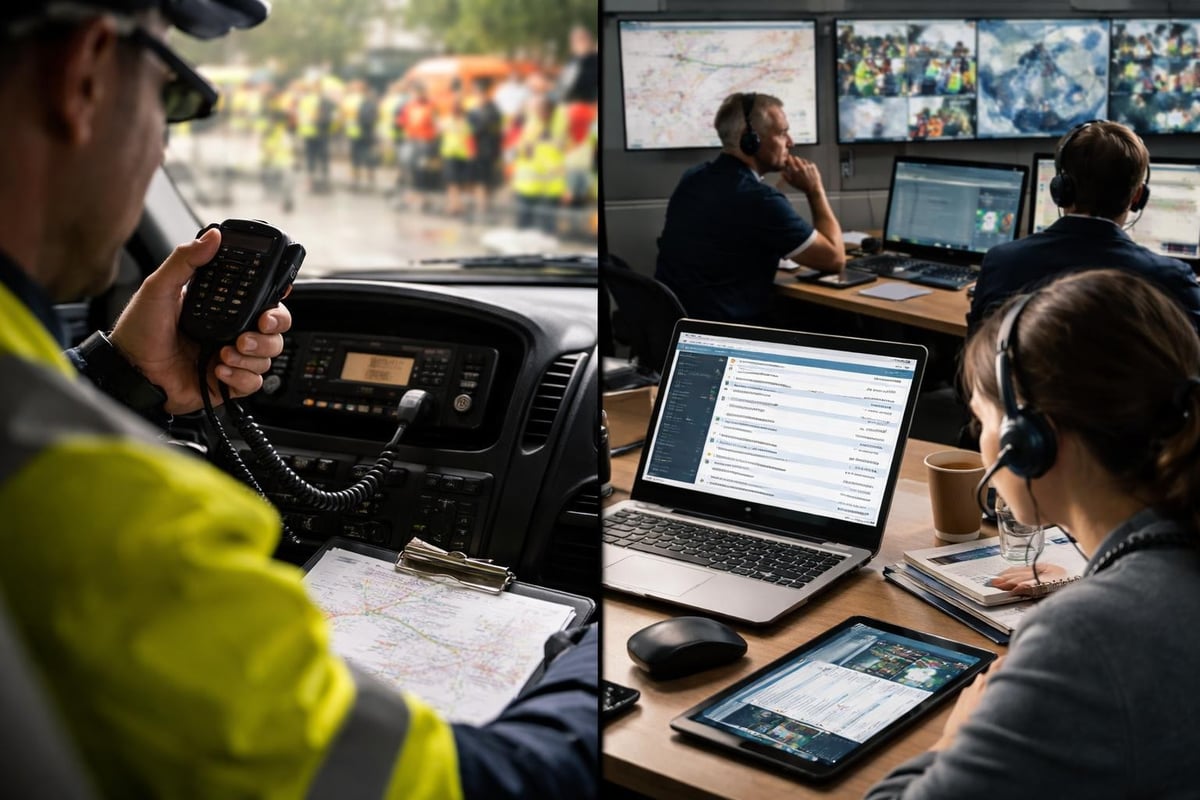
Maintenance and Operational Readiness
Maintaining CB radio equipment ensures reliability when emergencies occur. Unlike complex digital systems requiring specialized technical support, CB radio maintenance involves straightforward procedures that most agencies can perform internally.
Regular Maintenance Checklist
- Monthly radio testing: Verify transmission and reception on all designated emergency channels
- Antenna inspection: Check for corrosion, loose connections, or physical damage
- Battery verification: Test backup power sources and replace aging batteries
- Microphone functionality: Ensure clear audio transmission without distortion
- Cable inspection: Examine coaxial cables for wear, kinks, or connector damage
- Spare parts inventory: Maintain adequate replacement fuses, microphones, and mounting brackets
Agencies should schedule quarterly exercises that simulate communication system failures, requiring personnel to rely exclusively on CB radio for coordination. These drills identify equipment problems, reveal training gaps, and reinforce proper operational procedures.
Future Considerations and Technology Evolution
While CB radio technology remains largely unchanged since its inception, modern emergency communication requires integrating traditional radio systems with advanced platforms. The evolution of fire communication technologies demonstrates how agencies blend proven analog systems with digital innovations.
Public safety agencies should view CB radio for emergencies as one component within a layered communication strategy. Primary systems might include sophisticated computer-aided dispatch, mobile data terminals, and multilingual communication platforms, with CB radio serving as a reliable backup requiring no infrastructure support.
Emerging hybrid systems are beginning to bridge CB radio with digital platforms, allowing radio transmissions to be recorded, transcribed, and integrated with incident management software. While these systems add complexity, they preserve the fundamental reliability of CB radio while enhancing its utility for modern emergency management.
Interoperability Challenges
One persistent challenge involves coordinating CB radio communications across multiple agencies during regional emergencies. Unlike trunked radio systems with computer-controlled channel allocation, CB radio requires manual coordination to prevent interference and ensure message delivery. Regional emergency planning committees should establish protocols specifying which agencies use which channels during different emergency scenarios, similar to guidelines outlined in the CB radio history and applications guide.
Budget Considerations for Agency Implementation
CB radio for emergencies represents one of the most cost-effective communication redundancy options available to public safety agencies. Basic mobile CB radio units cost between $50 and $200, while higher-quality models with SSB capability range from $200 to $400. Compare this with satellite phones costing $500-$1,500 plus monthly service fees, or digital radio systems requiring thousands of dollars per unit.
Implementation Cost Breakdown
| Component | Budget Range | Quantity Needed | Notes |
|---|---|---|---|
| Mobile CB Radio Units | $100-$300 | 1 per vehicle | Higher cost for SSB models |
| Base Station Equipment | $200-$500 | 1 per facility | Includes power supply |
| External Antennas | $30-$150 | 1 per radio | Quality impacts range significantly |
| Installation Labor | $50-$200 | Per unit | DIY possible for mobile units |
| Spare Equipment | 20% of total | Varies | Backup radios and parts |
For agencies with limited budgets, CB radio provides emergency communication capability at a fraction of the cost of alternative systems. Even smaller departments can equip every response vehicle with CB radio for less than the annual subscription cost of a single satellite communication device.
CB radio for emergencies remains a proven, reliable communication technology that public safety agencies should incorporate into comprehensive emergency preparedness plans. While modern systems offer advanced features and extended capabilities, the simplicity, independence from infrastructure, and low cost of CB radio make it an essential backup communication method.
However, voice-only radio communication presents significant challenges when serving diverse communities where language barriers can impede emergency response. Convey911 addresses this critical gap by providing emergency communication and language translation software that enables public safety agencies to communicate in any language over text, video, and voice. With support for over 185 languages and real-time translation capabilities, Convey911 ensures that when CB radio and other communication systems activate during emergencies, responders can effectively communicate with everyone who needs assistance, regardless of language differences.