
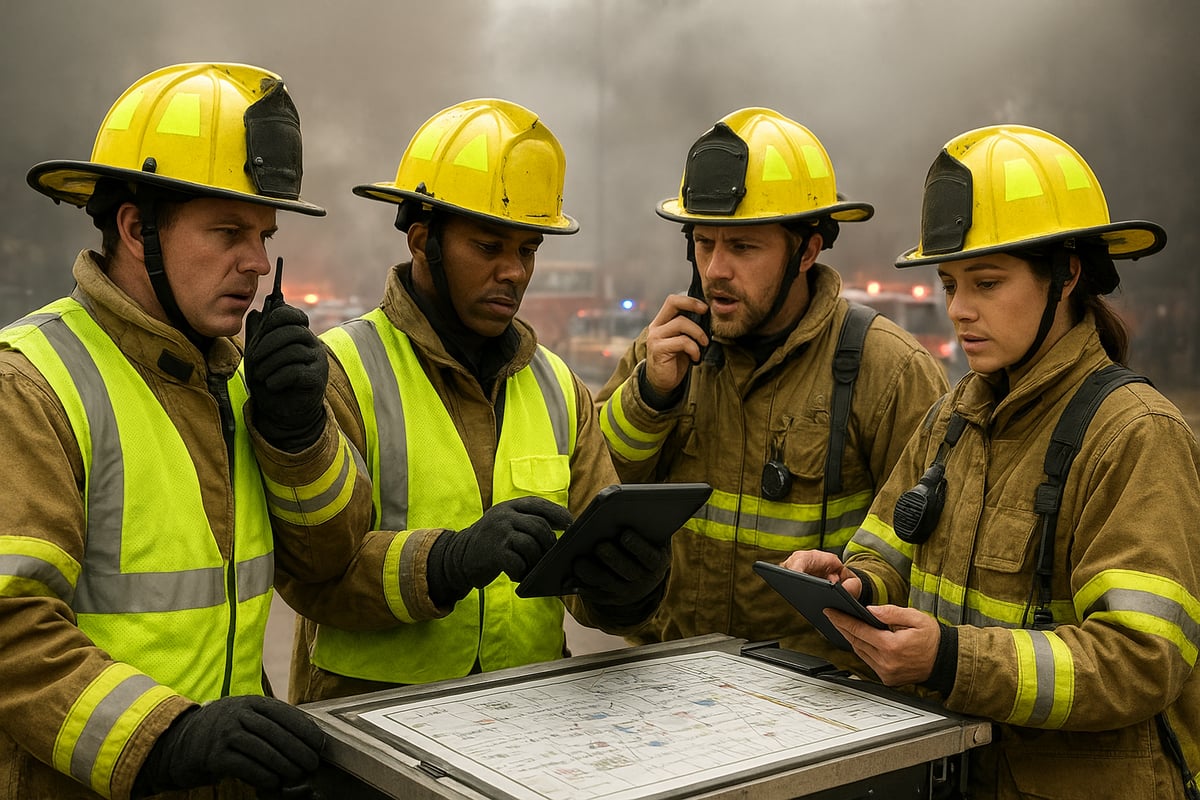
In 2026, fire emergencies can escalate in seconds, putting lives and property at risk. Effective...
When traditional communication infrastructure collapses during natural disasters, terrorist attacks, or mass casualty events, first responders need communication tools that function independently of cellular towers and internet connectivity. An emergency 2 way radio serves as the backbone of crisis communication, providing instant, reliable voice transmission when every second counts. These devices have evolved from basic walkie-talkies into sophisticated communication systems that integrate with modern emergency management platforms, offering features like encryption, GPS tracking, and interoperability across multiple agencies.
Understanding Emergency 2 Way Radio Technology
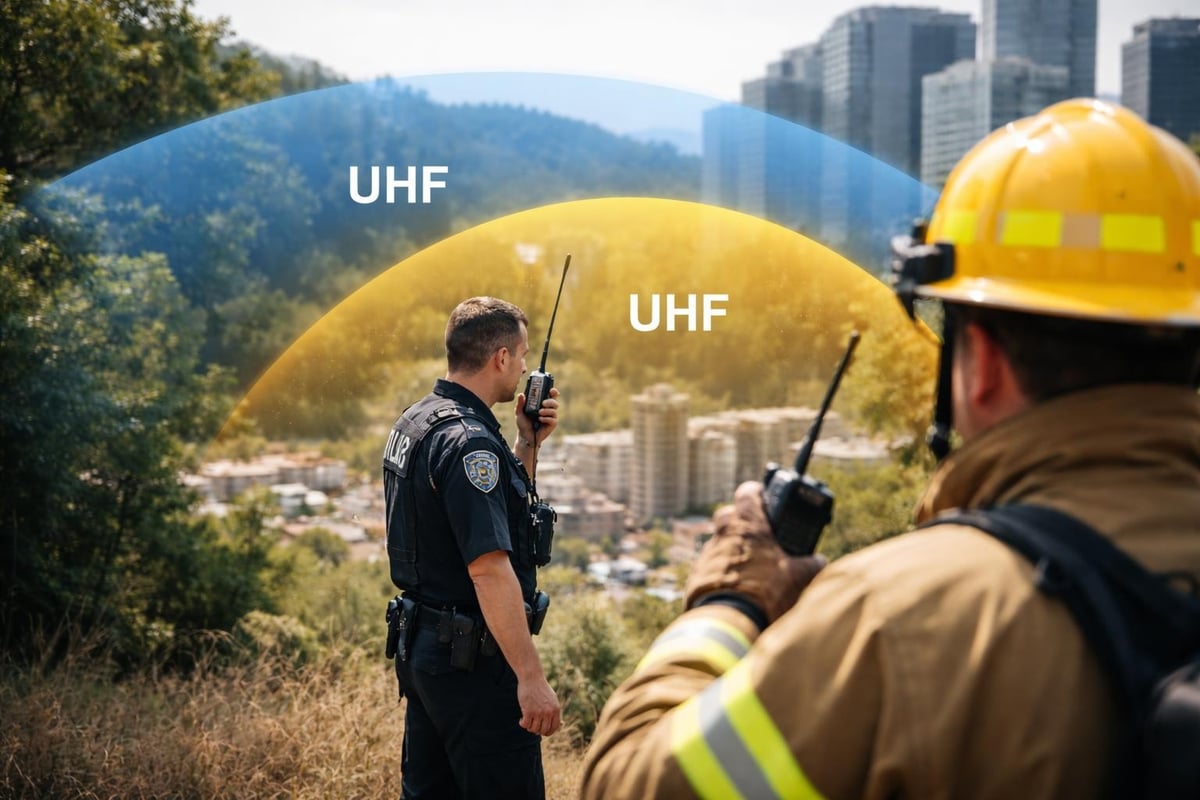
Modern emergency 2 way radio systems operate on dedicated frequency bands reserved specifically for public safety and emergency services. Unlike consumer-grade radios available at retail stores, professional emergency communication devices transmit on VHF (Very High Frequency) and UHF (Ultra High Frequency) bands, which provide superior range and penetration through buildings and terrain.
The reliability of two-way radios during emergencies stems from their independence from centralized infrastructure. When hurricanes knock down cell towers or earthquakes sever fiber optic cables, an emergency 2 way radio continues functioning because it establishes direct point-to-point or point-to-multipoint communication without intermediary networks.
Core Components and Technical Specifications
Professional-grade emergency radios incorporate several critical components that distinguish them from consumer devices:
- Programmable channels allowing quick switching between different agencies and command structures
- High-capacity batteries providing 12-24 hours of continuous operation
- Ruggedized construction meeting MIL-STD-810 specifications for shock, vibration, and water resistance
- Emergency alert buttons that transmit distress signals with GPS coordinates
- Voice scrambling and encryption protecting sensitive tactical communications
The power output significantly impacts effective range. Handheld units typically transmit between 1-5 watts, providing coverage of 2-5 miles in urban environments and up to 20 miles in open terrain. Vehicle-mounted mobile radios operate at 25-50 watts, extending range to 30-50 miles depending on antenna height and local geography.
Integration with Modern Emergency Communication Systems
The landscape of emergency response has transformed dramatically with digital technology, yet the emergency 2 way radio remains central to coordinated incident management. Modern platforms integrate radio communication with computer-aided dispatch (CAD) systems, creating seamless information flow between voice communications and digital data.
Emergency communication systems now bridge traditional radio networks with smartphone applications, allowing command staff to monitor radio traffic while accessing real-time mapping, resource tracking, and incident documentation. This hybrid approach preserves the reliability of radio while leveraging the advantages of digital connectivity.
Interoperability Across Agencies
One of the most significant challenges in multi-agency emergency response involves radio interoperability. Different departments often operate on incompatible frequency bands or use different trunking systems, creating communication silos during joint operations.
| Interoperability Solution | Implementation | Benefits |
|---|---|---|
| Gateway Systems | Hardware bridges connecting different radio networks | Enables cross-agency communication without replacing existing equipment |
| P25 Digital Standard | Standardized digital protocol adopted nationwide | Ensures compatibility across manufacturers and jurisdictions |
| Mutual Aid Channels | Pre-designated frequencies for multi-agency operations | Provides immediate tactical channels during joint incidents |
| IP-based Radio Networks | Radio-over-IP systems connecting geographically separated teams | Extends range beyond traditional RF limitations |
The role of two-way radios in emergency response extends beyond simple voice transmission to include data messaging, GPS location sharing, and integration with emergency operations centers. These capabilities enable incident commanders to maintain situational awareness while coordinating resources across complex incident scenes.
Language Barriers in Emergency Radio Communication
During multi-jurisdictional emergencies, responders frequently encounter language barriers that complicate coordination and slow response times. An emergency 2 way radio conversation between agencies serving diverse communities may involve terminology, codes, and languages that create confusion rather than clarity.
Public safety agencies increasingly serve multilingual populations where callers, victims, and witnesses speak dozens of different languages. Traditional radio communication assumes all parties share common language proficiency, but this assumption breaks down during mass casualty events in diverse metropolitan areas.
Translation Integration for Radio Communications
Forward-thinking emergency services are exploring ways to integrate emergency translation capabilities with radio networks. While real-time voice translation over radio presents technical challenges, several approaches are emerging:
- Bilingual dispatcher protocols training radio operators in high-frequency languages within their jurisdiction
- Supplementary translation applications allowing incident commanders to access interpretation services via secondary devices
- Pre-translated standard phrases programmed into digital radio systems for common emergency scenarios
- Language line integration connecting radio users with professional interpreters through hybrid communication systems
The challenge involves maintaining the speed and simplicity that makes an emergency 2 way radio effective while adding translation capabilities without introducing latency or complexity that slows emergency response.
Operational Protocols and Best Practices
Effective emergency radio communication requires more than functional equipment-it demands disciplined adherence to communication protocols that maximize clarity and minimize confusion. Every public safety agency develops standard operating procedures governing radio use, but certain universal principles apply across all emergency communications.
Clear Communication Techniques
Professional emergency communicators follow strict protocols designed to ensure accurate message transmission even in chaotic environments with background noise, stress, and multiple simultaneous incidents:
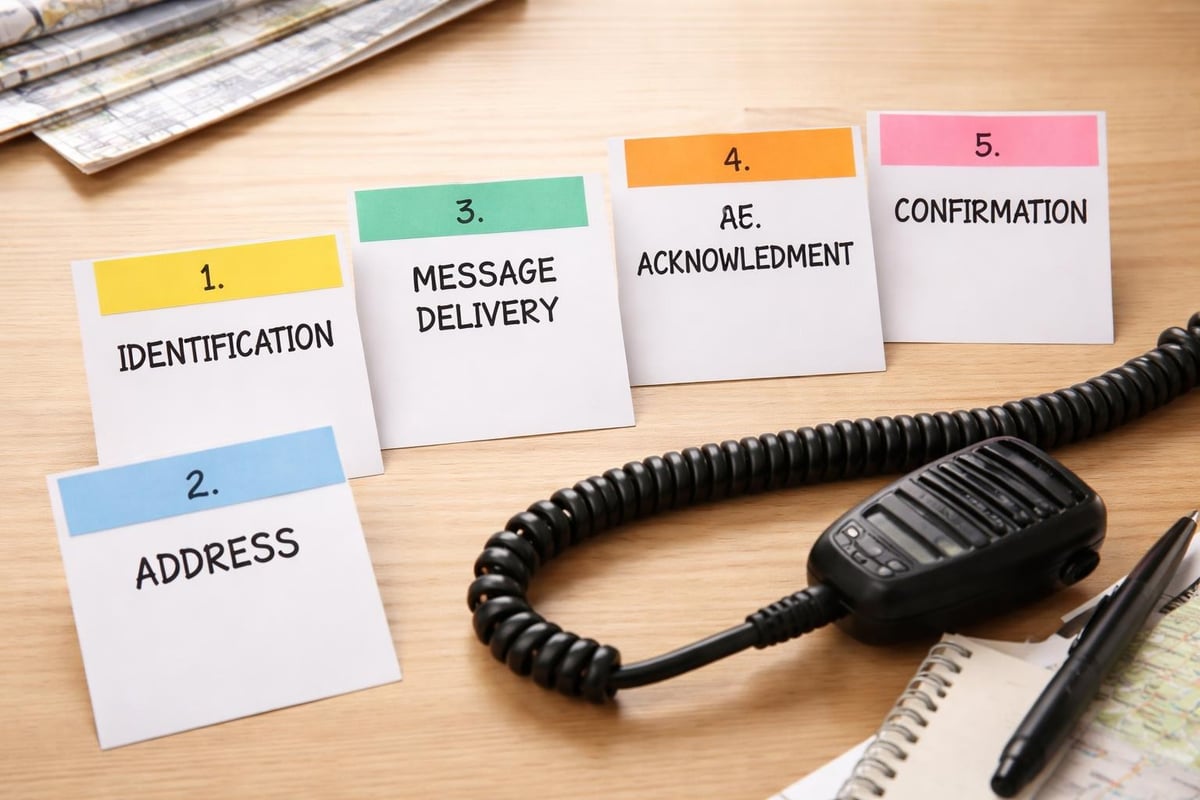
Message Structure:
- Identify yourself with unit designation before speaking
- State the recipient's unit designation to establish who should respond
- Deliver your message concisely using standard terminology
- Request acknowledgment to confirm receipt
Voice Discipline:
- Speak clearly at moderate pace with normal volume
- Use phonetic alphabet for spelling critical information
- Avoid using 10-codes unless all agencies understand them
- Pause between transmissions allowing others to break in with urgent traffic
The essential role of two-way radios in emergency management emphasizes how proper radio discipline prevents the communication breakdowns that historically contributed to tragedy during major incidents like the September 11th attacks and Hurricane Katrina.
Equipment Selection and Deployment Strategies
Choosing appropriate emergency 2 way radio equipment requires matching technical specifications to operational requirements. A rural volunteer fire department needs different capabilities than a metropolitan police SWAT team, and a hospital emergency department has distinct requirements from both.
Comparing Radio Types and Applications
| Radio Type | Power Output | Typical Range | Best Applications | Limitations |
|---|---|---|---|---|
| Handheld Portable | 1-5 watts | 2-10 miles | Individual responders, tactical operations | Limited battery life, shorter range |
| Mobile Vehicle-Mounted | 25-50 watts | 20-50 miles | Command vehicles, ambulances, patrol cars | Requires vehicle power, fixed installation |
| Base Station | 50-100 watts | 30-60+ miles | Dispatch centers, emergency operations centers | Stationary, requires external power and antenna |
| Repeater Systems | 50-100 watts | Coverage area of 500+ sq miles | Regional coordination, wide-area coverage | Complex installation, requires infrastructure |
Budget considerations often drive equipment decisions, but agencies must balance initial purchase costs against lifecycle expenses including batteries, accessories, programming, and eventual replacement. A quality emergency 2 way radio should provide 5-7 years of reliable service under demanding field conditions.
Critical Accessories and Enhancements
The basic radio represents only part of a complete communication system. Accessories protecting public safety professionals enhance usability, safety, and effectiveness:
- Remote speaker microphones allowing radio operation while wearing protective equipment
- Earpieces and headsets providing communication in high-noise environments
- Spare battery systems ensuring continuous operation during extended incidents
- Carry solutions including chest harnesses, belt clips, and tactical pouches
- Antenna upgrades improving range and building penetration
Proper fire communication during structural firefighting requires specialized accessories like intrinsically safe designs that won't ignite flammable atmospheres and audio configurations that function inside breathing apparatus.
Training and Competency Development
Issuing an emergency 2 way radio to personnel without comprehensive training creates false confidence and potential operational failures. Effective radio communication is a learned skill requiring regular practice and evaluation to maintain proficiency.
Training Program Components
Comprehensive emergency radio training programs should address both technical operation and communication discipline:
Technical Skills:
- Power on/off procedures and battery management
- Channel selection and scanning functions
- Volume and squelch adjustment for varying conditions
- Emergency alert activation and GPS features
- Accessory connection and troubleshooting
Communication Skills:
- Standard phraseology and terminology
- Phonetic alphabet and numeric pronunciation
- Priority traffic procedures and emergency notifications
- Radio discipline during multi-unit incidents
- Inter-agency communication protocols
Regular drills and exercises provide opportunities to practice radio skills under realistic conditions. Table-top exercises, functional drills, and full-scale simulations should all incorporate authentic radio communication to build muscle memory and identify training gaps.
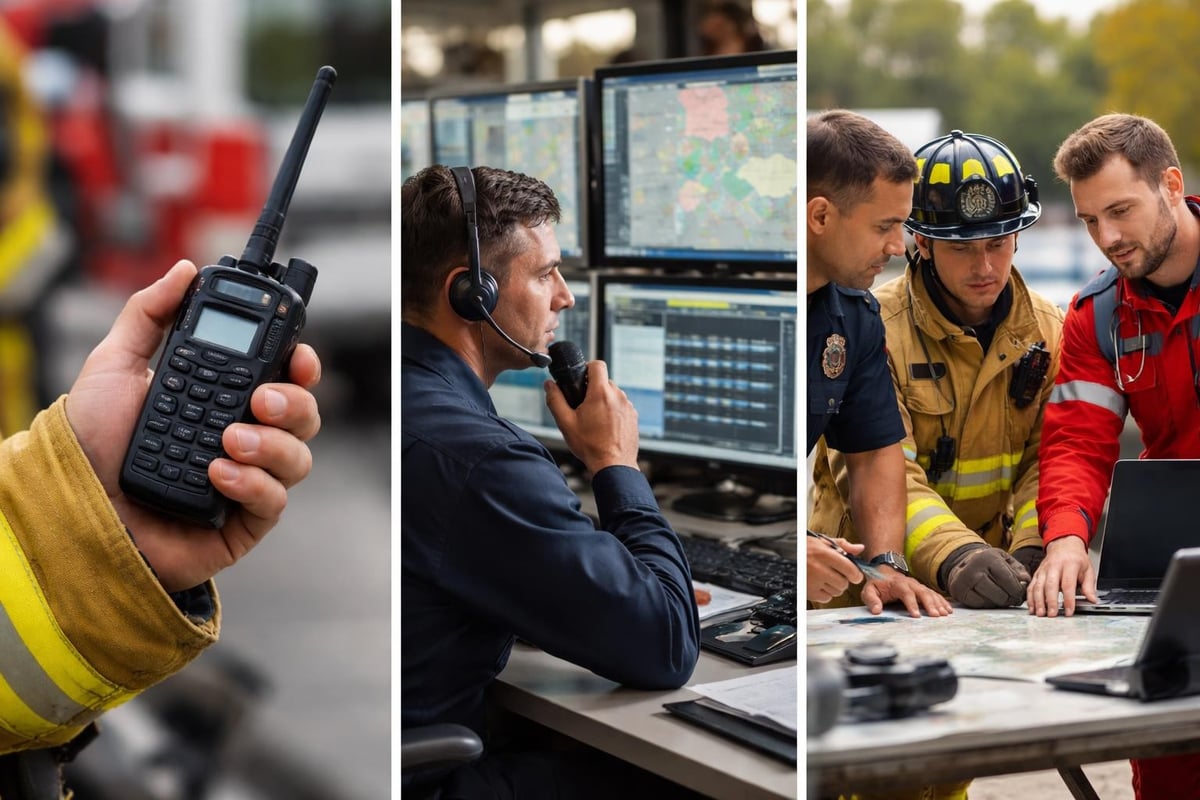
Maintenance and Reliability Assurance
An emergency 2 way radio that fails during a critical incident represents more than equipment failure-it potentially costs lives. Preventive maintenance programs ensure communication equipment functions when needed most.
Systematic Maintenance Schedules
Professional emergency services implement multi-tiered maintenance programs addressing daily, weekly, monthly, and annual requirements:
Daily User Checks:
- Battery charge verification
- Audio quality testing
- Accessory inspection
- Physical condition assessment
Monthly Organizational Maintenance:
- Comprehensive function testing
- Battery conditioning cycles
- Firmware updates
- Performance documentation
Annual Technical Service:
- Frequency calibration and power output measurement
- Receiver sensitivity testing
- Complete disassembly and cleaning
- Replacement of aging components
Using two-way radios effectively during emergencies requires not just operational knowledge but also understanding warning signs of equipment degradation like reduced range, audio distortion, or intermittent operation.
Future Technologies and Emerging Trends
The emergency 2 way radio continues evolving as new technologies emerge. While the fundamental principle of direct radio frequency communication remains unchanged, modern implementations incorporate digital capabilities that enhance functionality.
Next-Generation Radio Systems
Project 25 (P25) digital radio systems have become the North American standard for public safety communication, offering advantages over analog systems:
- Superior audio quality with digital noise reduction
- Encryption capabilities protecting sensitive tactical communications
- Data transmission supporting text messaging and status updates
- Trunked operation efficiently sharing limited frequency spectrum
- Over-the-air programming simplifying fleet management
Long-Term Evolution (LTE) technologies are creating mission-critical broadband networks that complement traditional radio systems. FirstNet, the nationwide public safety broadband network deployed across the United States, provides high-speed data connectivity while maintaining the reliability emergency services require.
Hybrid Communication Approaches
The future of emergency communication likely involves integrated systems that combine the strengths of multiple technologies. An emergency 2 way radio provides the instant push-to-talk reliability critical for tactical operations, while LTE data connectivity enables rich information sharing including photos, videos, building layouts, and real-time language translation.
Organizations like Convey911 are developing platforms that bridge traditional radio communication with modern translation technologies, enabling responders to overcome language barriers during emergencies. These hybrid approaches maintain the reliability of radio while adding capabilities that enhance situational awareness and coordination across diverse communities.
Regulatory Compliance and Licensing
Operating emergency radio equipment requires understanding Federal Communications Commission (FCC) regulations governing frequency use, power limits, and licensing requirements. Public safety agencies must maintain appropriate licenses and ensure operators understand legal restrictions on radio use.
Licensing Requirements
Different radio services require different licenses:
| License Type | Frequency Bands | Authorized Users | Application Process |
|---|---|---|---|
| Public Safety Pool | VHF/UHF designated frequencies | Law enforcement, fire, EMS | Requires government entity status, coordination |
| Business/Industrial | Various VHF/UHF frequencies | Private security, utilities, healthcare | Standard commercial licensing process |
| GMRS | 462-467 MHz UHF | Individual users and families | Simple individual license, no exam required |
| Amateur Radio | Multiple HF/VHF/UHF bands | Licensed amateur operators | Technician exam required, emergency use authorized |
Understanding these licensing categories helps agencies select appropriate equipment and frequencies for their operational requirements. Interference with public safety frequencies carries severe penalties, making proper licensing and coordination essential.
Integration with Comprehensive Emergency Preparedness
An emergency 2 way radio should be one component within a broader emergency preparedness strategy. The importance of including two-way radios in emergency plans emphasizes how these devices fit within layered communication approaches.
Comprehensive emergency communication plans should incorporate:
- Primary systems like two-way radio networks providing instant tactical communication
- Secondary systems including cellular phones and satellite communications
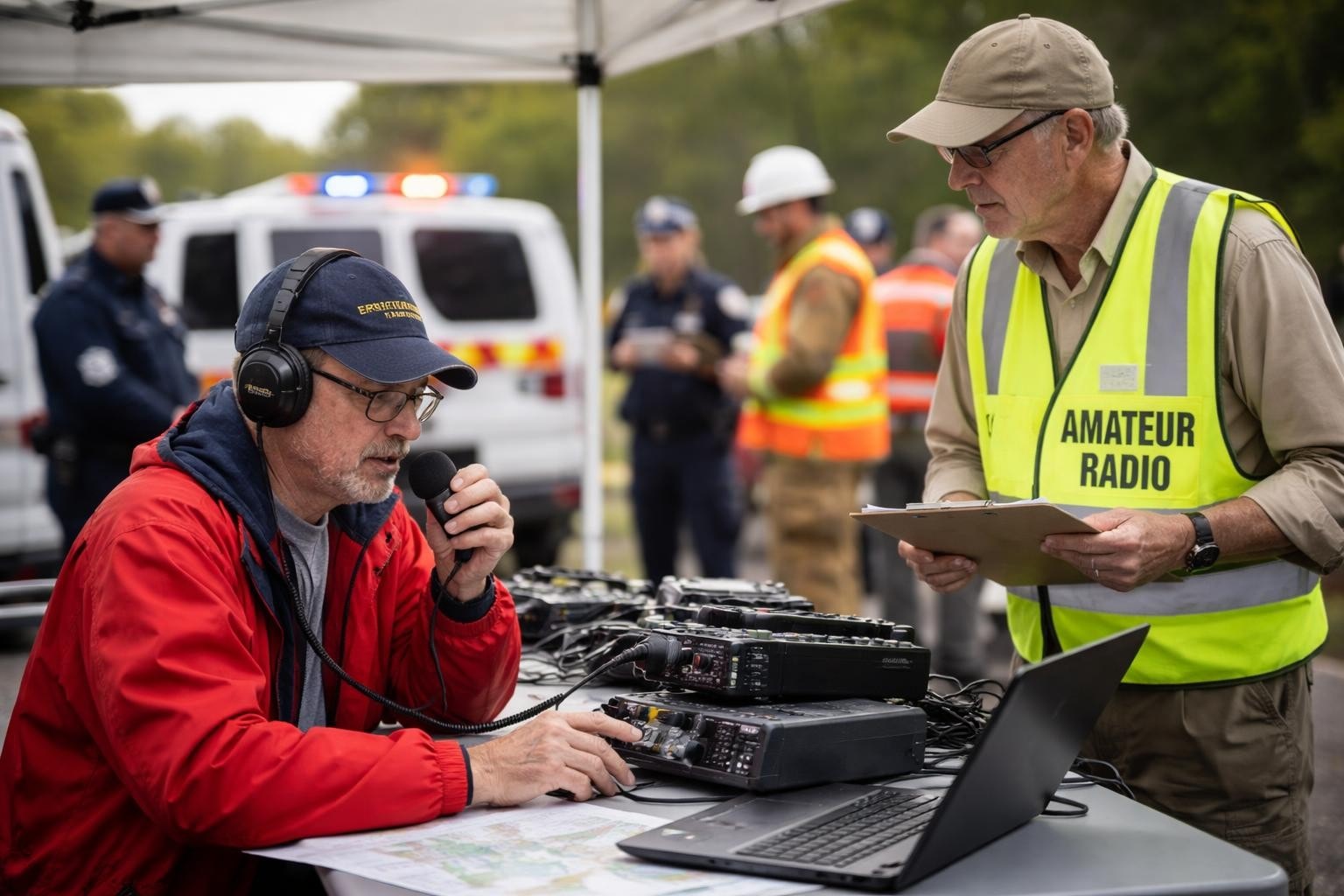
- Tertiary backup such as amateur radio operators and messenger runners
- Translation resources enabling communication across language barriers
- Regular testing validating all systems function as designed
The CB radio for emergency communication represents another communication layer that complements professional public safety radio systems, particularly for citizen emergency response teams and community preparedness groups.
Modern emergency operations increasingly recognize that communication technology alone cannot overcome all barriers. When responders encounter non-English speakers during time-critical emergencies, having access to emergency language technology becomes as important as having functional radio equipment.
Emergency 2 way radio systems remain the foundation of reliable crisis communication, providing instant connectivity when traditional infrastructure fails. As public safety agencies serve increasingly diverse communities, integrating professional radio networks with modern translation capabilities creates more effective emergency response. Convey911 bridges this gap by providing emergency communication platforms that support over 185 languages across text, video, and voice, ensuring first responders can coordinate effectively while serving every member of their community regardless of language barriers.