
Imagine being able to translate complex information in seconds, ensuring nothing is lost in...
In 2026, global communication demands more than quick, literal translations. Audiences now expect every message to feel natural, accurate, and culturally aware. Simple tools are not enough to meet this rising standard.
This guide is designed to help you achieve realistic translation in every project. You will learn practical, step-by-step strategies to ensure your content resonates authentically with international audiences.
Why does this matter? Mistranslations can lead to lost revenue, damaged reputations, and misunderstandings that cross borders. The stakes have never been higher for businesses and organizations worldwide.
Inside, you will discover how to address modern translation challenges, leverage the latest technology, combine human expertise, streamline your workflow, and measure authenticity. Ready to deliver results that truly connect? Let’s begin.
Understanding the Landscape of Realistic Translation in 2026
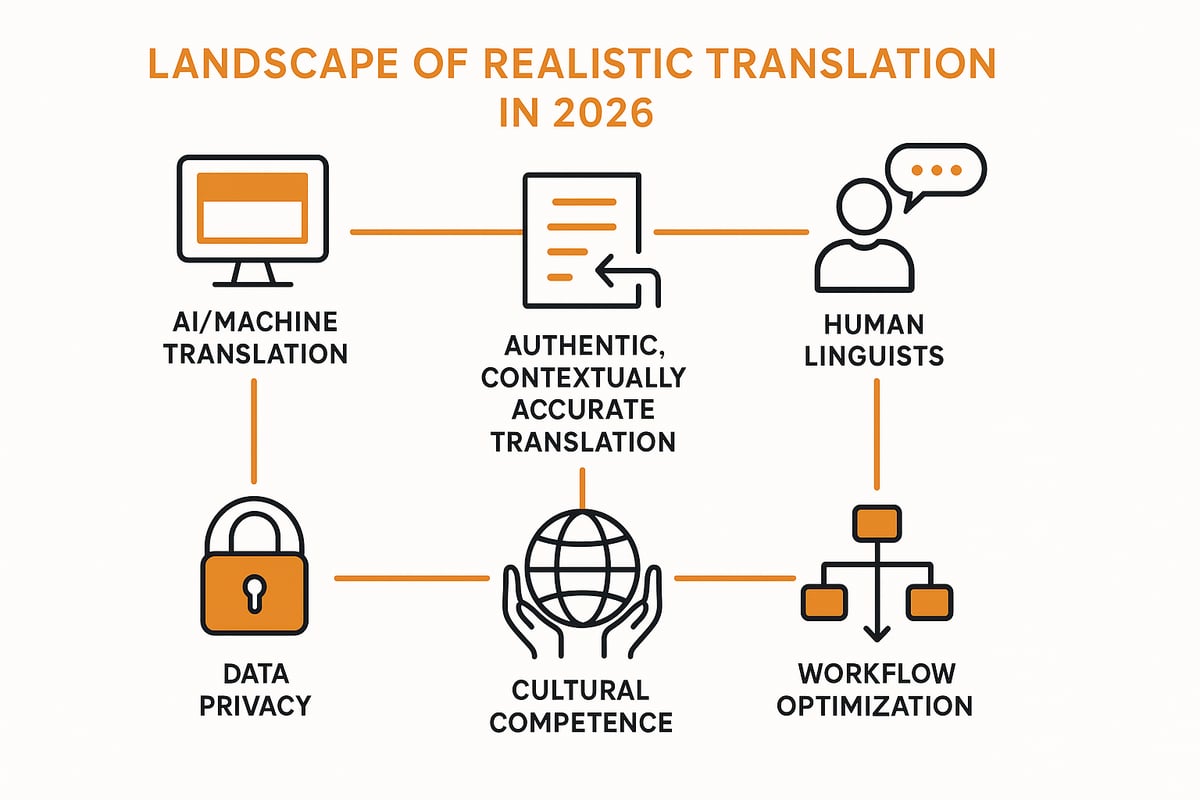
The field of realistic translation in 2026 is experiencing rapid transformation. Organizations and individuals alike require more than just literal accuracy. They demand translations that reflect context, tone, and cultural meaning, making the process far more complex than in previous years.
Evolution of Translation Demands
Over the past decade, the expectations for realistic translation have shifted dramatically. No longer is it sufficient to convert words from one language to another. Now, businesses and users seek translations that capture intent, emotional tone, and subtle cultural cues.
This evolution is driven by globalization and digital transformation. Companies publish more multilingual content than ever, and audiences expect a native-like experience. The demand for realistic translation is also fueled by social media, e-commerce, and global collaboration.
In short, realistic translation must now deliver both linguistic accuracy and cultural authenticity.
Key Challenges in Achieving Authentic Translations
Despite advances, significant challenges remain for realistic translation. AI and machine translation struggle with idioms, slang, and nuanced cultural references. These limitations can lead to embarrassing or even damaging errors in public communications.
Complex industries such as legal, medical, and emergency services require domain-specific expertise. Mistakes in these fields can have serious consequences, making realistic translation critical.
Data privacy and security are also top concerns. As cross-border communication grows, organizations must ensure that confidential information is protected throughout the translation process.
The Role of Cultural Competence
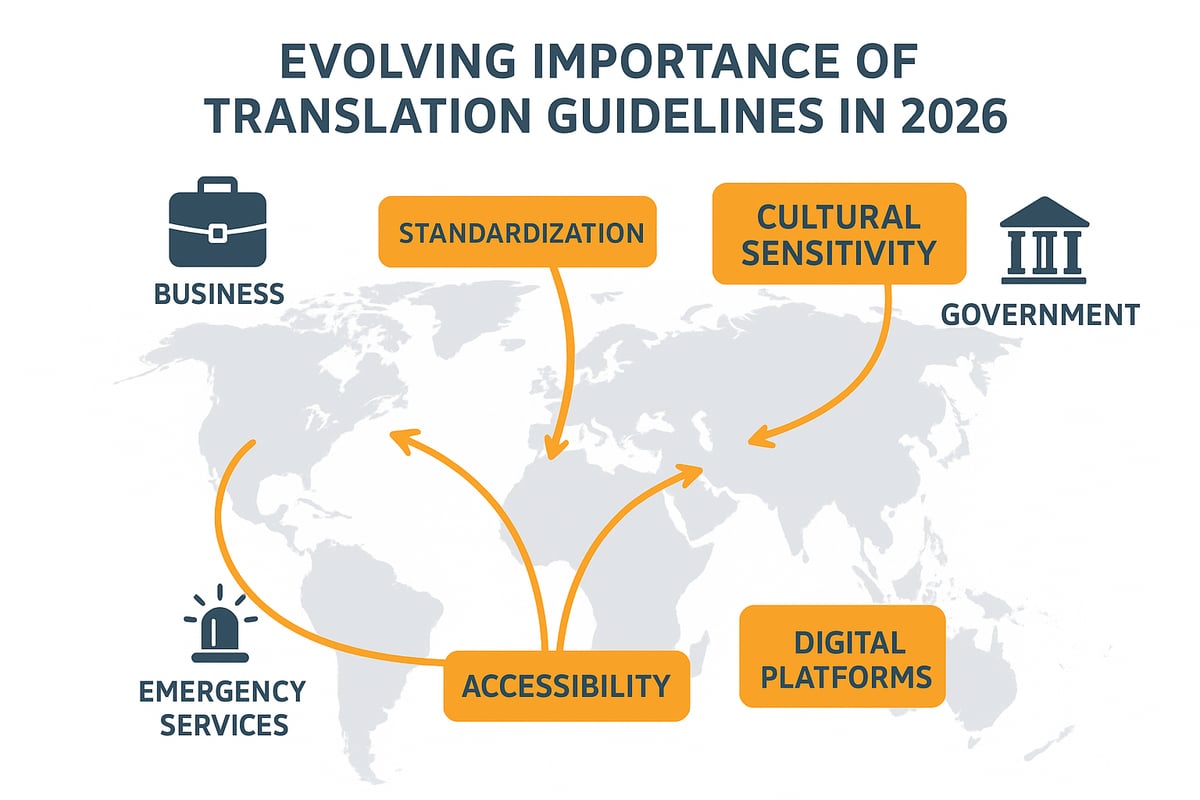
Cultural competence is a cornerstone of realistic translation. Translators must adapt more than just words—they localize visuals, formats, and brand messaging to fit the target market.
Consider the impact of a mistranslated slogan. A phrase that resonates in one culture may offend or confuse in another, resulting in lost revenue or damaged reputation. In fact, 75% of consumers prefer buying products in their own language, underlining the value of authentic communication.
Realistic translation, therefore, involves deep cultural understanding at every step.
The Human Element in Translation
While technology plays a pivotal role, skilled linguists remain irreplaceable for realistic translation. Human translators capture the subtleties of tone, intent, and context that machines often miss.
Major translation failures serve as reminders of this need. For example, poorly translated legal documents have led to contract disputes and financial losses. Human expertise ensures that realistic translation maintains both accuracy and intent.
A collaborative approach, blending technology with human insight, is essential for success.
The Technology-Human Synergy
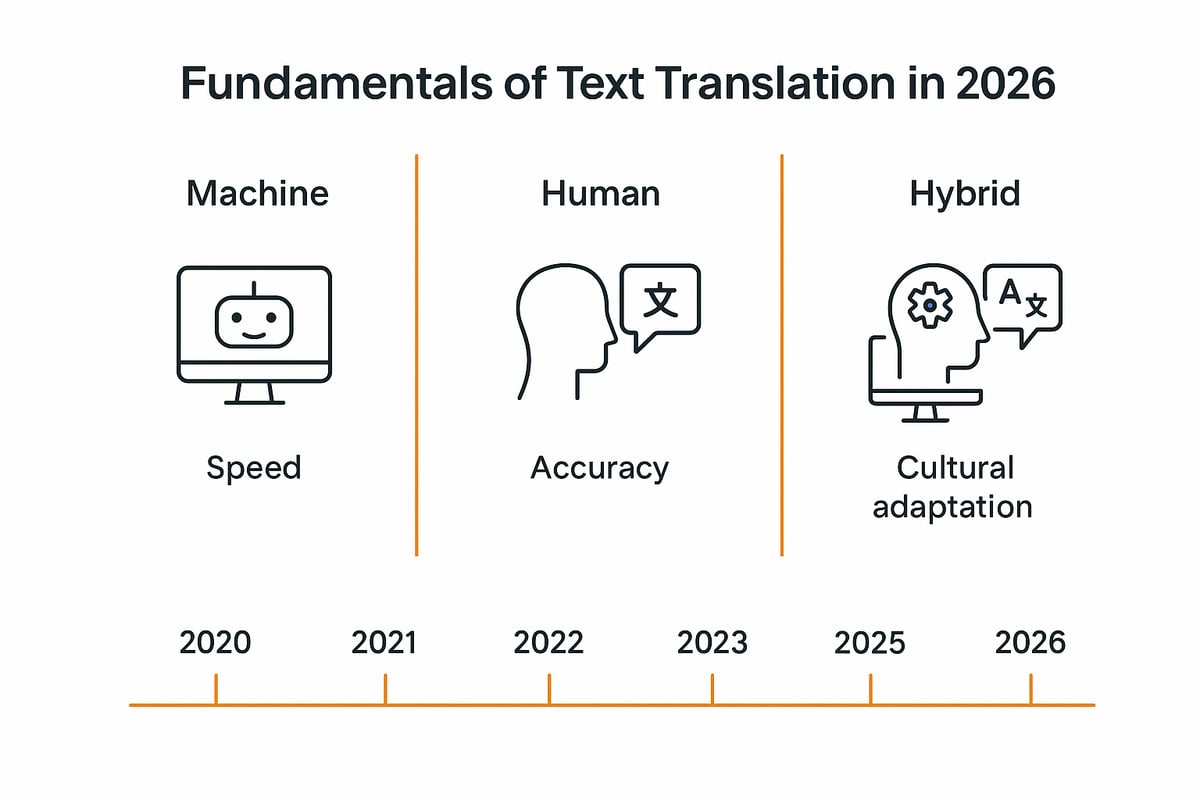
The most effective approach to realistic translation in 2026 is a hybrid model. AI tools offer speed and scalability, while human oversight guarantees quality and nuance. According to industry trends, 60% of enterprises now use hybrid workflows.
For instance, Human Interpreters in 911 Communication demonstrates how combining AI with professional interpreters delivers reliable results in high-stakes scenarios. This synergy enables organizations to meet the growing demands for realistic translation without sacrificing quality.
Ultimately, the future of realistic translation lies in harmonizing advanced technology with human expertise.
Step 1: Preparing for Authentic Translation Projects
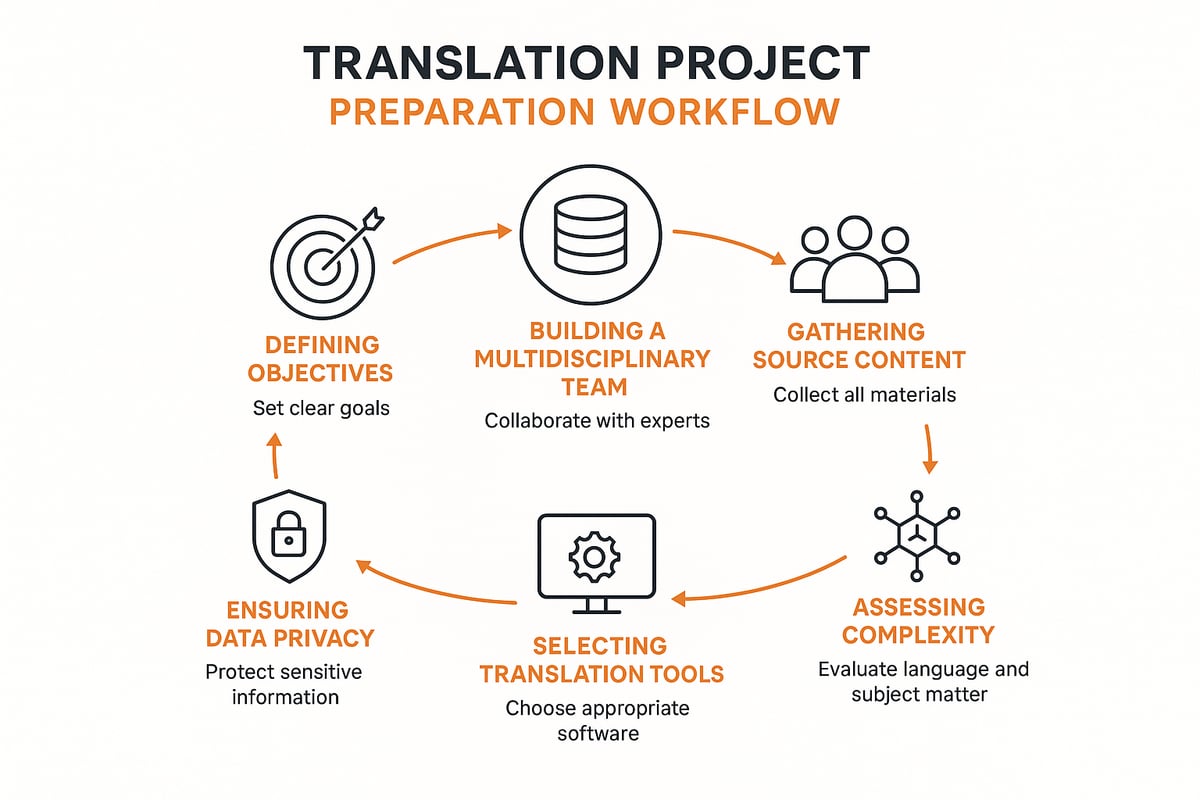
Launching a successful realistic translation project in 2026 requires careful groundwork. Each step, from defining objectives to assembling the right team and tools, is crucial for achieving authentic results. Let's break down the process for optimal outcomes.
Defining Project Scope and Objectives
Begin by clarifying the scope of your realistic translation project. Identify which languages and dialects will resonate most with your target audiences. Set specific goals: is your priority speed to market, cost efficiency, or deep cultural resonance?
For example, an e-commerce company may require separate strategies for Latin American Spanish and European Spanish, given regional differences. Clear objectives help align your team and resources from the outset. Remember, realistic translation thrives on precision and intent.
Building a Multidisciplinary Translation Team
A robust team is essential for realistic translation success. Assemble project managers, skilled linguists, subject matter experts, and quality reviewers. Each role contributes a unique perspective and expertise.
Native speakers and cultural consultants are invaluable for capturing nuance. Their insights help avoid missteps that automated systems might miss. Collaboration among these professionals ensures each translation meets both linguistic and cultural standards.
Gathering and Organizing Source Content
Well-prepared source content is foundational for realistic translation. Start with clean, context-rich files to minimize ambiguity. Use glossaries, style guides, and translation memories to maintain consistency across materials.
Organizing assets in a central repository streamlines access for your team. By providing background notes and references, you help translators understand intent, reducing costly revisions and improving overall quality.
Assessing Content Complexity and Sensitivity
Evaluate the complexity and sensitivity of your materials early on. Regulated industries like healthcare, legal, or emergency services demand extra care. For instance, emergency alerts require absolute clarity to avoid misinterpretation.
List any specialized terminology or confidential information. This assessment guides your workflow and tool selection, ensuring realistic translation remains accurate and compliant with industry standards.
Selecting Appropriate Translation Tools
Choose translation tools that support your project's language needs, workflow integration, and security requirements. Popular options include CAT tools, TMS platforms, and AI-powered solutions. Criteria to consider:
- Language and dialect support
- Integration with existing systems
- Security and compliance features
To explore different approaches and platforms for realistic translation, see this Translation Language Services Overview.
Data Privacy and Compliance Readiness
Safeguard sensitive information throughout your realistic translation process. Ensure compliance with regulations like GDPR, HIPAA, or local data protection laws. Use secure file transfer, encrypted storage, and strict access controls.
Train your team on privacy policies and document all compliance measures. Proactive steps help avoid costly breaches and build trust with clients and stakeholders.
Budgeting and Timeline Planning
Estimate your budget by considering language pairs, content complexity, and project volume. Include costs for technology, human resources, and quality assurance. Build realistic timelines that allow for multiple review cycles and stakeholder feedback.
Transparent planning supports smoother workflows and reduces the risk of last-minute issues. Investing in these early steps helps your realistic translation efforts deliver authentic, business-ready results.
Step 2: Leveraging Advanced Translation Technology
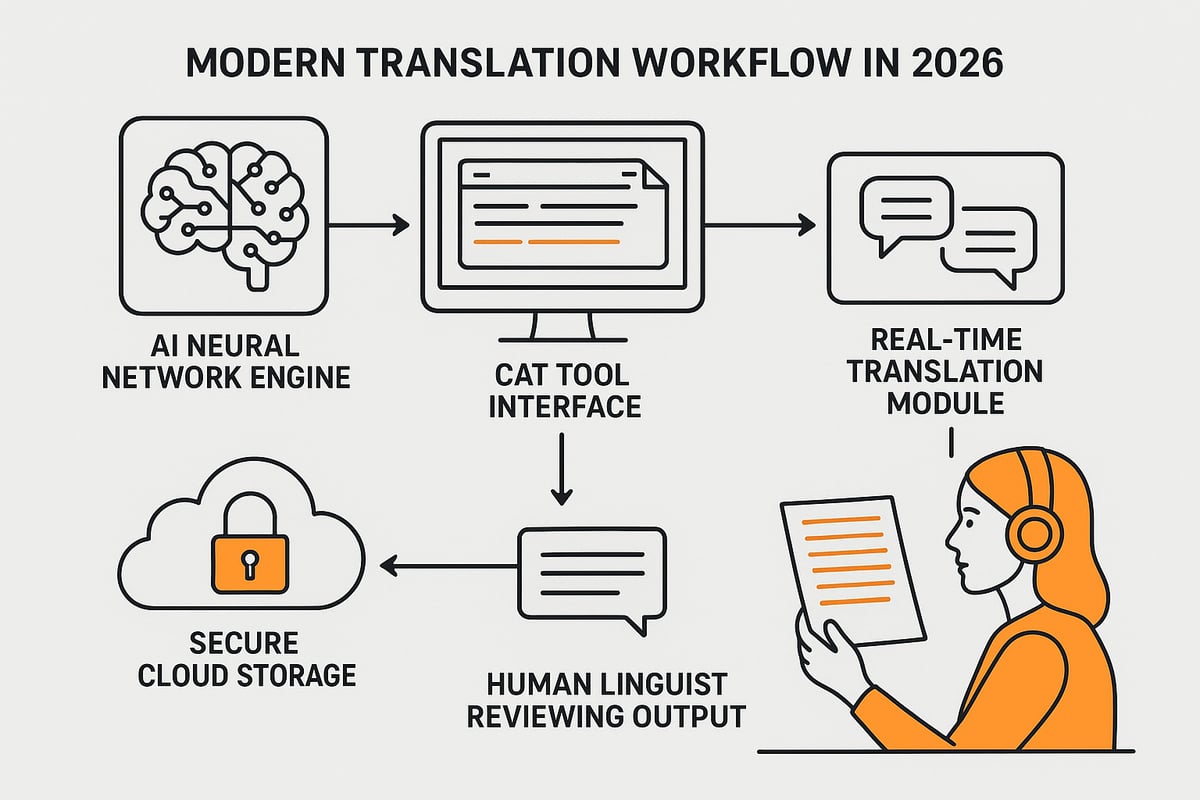
In 2026, realistic translation relies on a sophisticated blend of AI advancements, specialized tools, and human oversight. Businesses now require solutions that not only deliver speed and scale but also preserve meaning, tone, and cultural context. Understanding how to leverage today’s technology is essential for achieving effective and authentic communication across languages.
AI and Neural Machine Translation in 2026
AI-driven neural machine translation has reached new heights. Modern neural networks can produce output with near-human fluency, making them indispensable for large-scale realistic translation tasks. Still, even state-of-the-art engines can misinterpret context, struggle with idioms, or miss subtle cultural cues, especially in technical or sensitive fields.
Recent years have seen large language models trained on vast, multilingual datasets, resulting in improved grammar and tone. However, a purely automated approach still cannot guarantee the nuance required for realistic translation. For a deeper look at how AI advancements are shaping the industry, explore AI's Impact on Translation in 2025.
Integrating Computer-Assisted Translation (CAT) Tools
CAT tools remain at the heart of realistic translation workflows. These platforms offer translation memory, terminology management, and real-time collaboration features. By storing previously translated phrases, CAT tools ensure consistency and reduce turnaround time.
Features such as automated quality checks and style guide enforcement help linguists maintain accuracy. Realistic translation projects benefit from the seamless integration of CAT tools with other content management systems, streamlining multilingual content delivery.
Adaptive Machine Learning for Industry-Specific Needs
In specialized sectors, adaptive machine learning is revolutionizing realistic translation. Custom engines can be trained on domain-specific datasets, such as medical literature or technical documentation. This targeted approach dramatically improves terminology accuracy and contextual relevance.
For example, a medical translation engine trained on clinical trial data can accurately interpret complex terms, reducing errors and improving patient safety. Adaptive learning ensures realistic translation aligns with both industry standards and audience expectations.
Real-Time Translation and Multilingual Communication
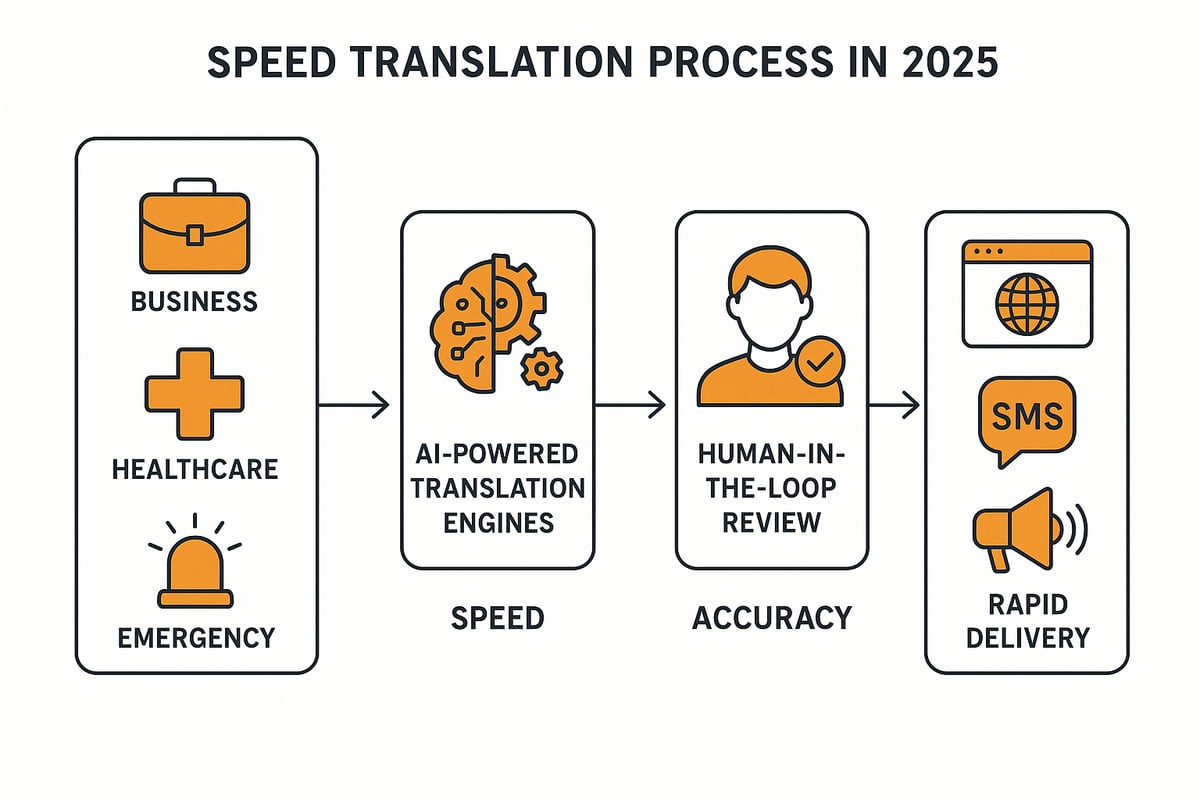
Real-time translation has become critical for customer support, live chat, and emergency services. Advanced platforms now support instant voice and text translation across dozens of languages, enabling seamless global communication.
A realistic translation approach in these scenarios requires both speed and reliability. AI-powered solutions can deliver rapid results, but human oversight remains vital for ensuring clarity—especially in high-stakes situations like emergency response or legal interactions.
Ensuring Data Security in Translation Technology
Data security is a non-negotiable priority in realistic translation. Enterprises demand end-to-end encryption, secure cloud storage, and strict access controls to protect sensitive information. Regulatory compliance frameworks, such as GDPR and HIPAA, are integrated into leading translation platforms.
Key security measures include:
- Role-based access management
- Encrypted file transfers
- Continuous security audits
With 80% of enterprises citing security as a top concern, robust protocols are essential for every realistic translation workflow.
Evaluating Translation Platform Features
Selecting the right platform is crucial for realistic translation success. Leading solutions offer integration with CMS, robust API support, scalability, and analytics dashboards. Intuitive interfaces help linguists and project managers collaborate efficiently.
When evaluating platforms, consider:
- Support for multiple file formats
- Real-time reporting and analytics
- Customizable workflow automation
A realistic translation platform should adapt to your organization’s evolving needs, ensuring both quality and operational efficiency.
Human-in-the-Loop Quality Assurance
The most effective realistic translation solutions combine AI speed with human expertise. Professional linguists review and post-edit machine-generated output, correcting subtle errors and adapting content for cultural appropriateness.
This hybrid approach offers several advantages:
- Improved accuracy and tone
- Fewer revision cycles
- Higher client satisfaction
Human-in-the-loop models are now standard in enterprise translation, providing the balance required for truly realistic translation. By embedding quality checks at every stage, organizations can deliver content that resonates authentically in any language.
Step 3: Integrating Human Expertise for Authenticity
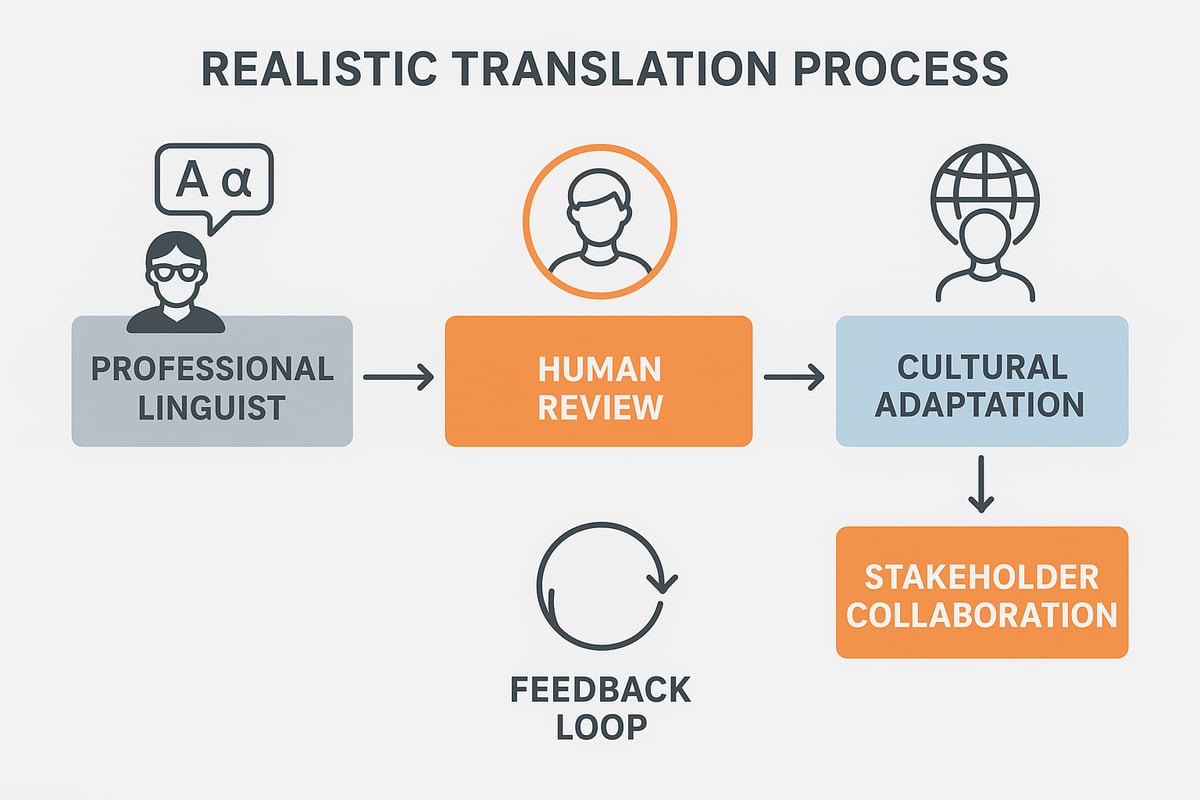
Human expertise is the backbone of realistic translation. While technology accelerates workflows, only skilled professionals can ensure nuance, intent, and cultural fit. To achieve authentic results in 2026, organizations must prioritize human input at every stage.
The Role of Professional Linguists
Professional linguists are essential for realistic translation, as they bring native fluency and deep cultural understanding. Their subject matter expertise ensures terminology is precise, especially in legal, medical, or technical fields. For example, translating a legal contract demands region-specific legal vocabulary and sensitivity to context. Without a professional, businesses risk costly misinterpretations. Relying on linguists with proven experience and credentials is the foundation for realistic translation results.
Human Review and Post-Editing Processes
A multi-layered review process is critical to achieving realistic translation. Typically, a draft translation is produced, then reviewed by peers for accuracy and intent. Clients and subject matter experts provide feedback, followed by a final quality assurance check. This thorough approach, as outlined in the Rules of Effective Translation, minimizes errors and builds trust. Each review layer adds value, ensuring that the final content is not just accurate but also authentic.
Cultural and Contextual Localization
Realistic translation goes beyond words. Cultural and contextual localization adapts idioms, humor, and references to resonate with the target audience. For instance, a marketing campaign may need to reference local festivals or customs to connect genuinely. Ignoring these elements can alienate audiences or lead to miscommunication. By focusing on cultural relevance, organizations enhance user engagement and brand perception, reinforcing the impact of realistic translation.
Collaboration Between Translators and Stakeholders
Effective realistic translation is a team effort. Translators work closely with product managers, marketers, and local teams to ensure content aligns with business goals and audience expectations. Regular collaboration allows for real-time feedback and quick adjustments. This approach results in translations that are not only linguistically correct but also strategically aligned, supporting successful global launches and campaigns.
Training and Continuous Improvement
Ongoing training is vital for maintaining high standards in realistic translation. Linguists must stay updated on new tools, industry trends, and evolving cultural dynamics. Implementing feedback loops and performance analytics helps teams identify areas for improvement. Continuous learning ensures that human expertise remains relevant and effective, supporting the pursuit of authentic, high-quality translations.
Avoiding Common Pitfalls
Many organizations fall into traps such as over-reliance on literal translation or neglecting regional dialects. These mistakes can undermine realistic translation efforts. Successful teams use glossaries, style guides, and cultural consultants to avoid these issues. Regular audits and peer reviews further reduce risks. By proactively addressing pitfalls, businesses safeguard their reputation and foster trust with diverse audiences.
Real-World Success Stories
Brands that prioritize realistic translation consistently outperform competitors. For example, companies tailoring marketing campaigns to local customs have seen significant market growth. According to Harvard Business Review, 86% of localized campaigns outperform non-localized ones. These results highlight the measurable value of integrating human expertise, demonstrating that realistic translation is not just a goal but a proven driver of global success.
Step 4: Optimizing Translation Workflows for Consistency and Efficiency
Achieving realistic translation at scale requires not just linguistic expertise, but also highly optimized workflows. As demand for multilingual content grows, organizations must streamline processes, ensure quality, and enable seamless collaboration. The right workflow is the backbone of consistent, efficient, and authentic translation results.
Centralized Translation Management Systems (TMS)
A centralized TMS is essential for realistic translation projects. It consolidates all assets, tracks project progress, and enables resource allocation across language pairs. Features like automated notifications, versioning, and integrated glossaries ensure every stakeholder is aligned.
Popular TMS platforms support seamless integration with CAT tools and content management systems. They provide real-time dashboards for monitoring deadlines and budgets. By centralizing operations, teams reduce manual errors and stay focused on delivering high-quality, realistic translation outcomes.
Automated Quality Assurance Checks
Automated quality assurance (QA) checks are a cornerstone of consistent translation. Spellcheck, grammar validation, terminology matching, and formatting reviews are built into most modern workflows. These tools catch common errors early, reducing the load on human reviewers.
For realistic translation, automated QA ensures that style guides and glossaries are strictly followed. Many TMS platforms now include AI-powered QA modules. For more on recent innovations, see AI Audio Translator Advancements. Automated checks help maintain uniform quality across all languages and file types.
Version Control and Change Management
Version control is vital for regulated industries and complex multilingual projects. It enables teams to track every update, manage multiple content versions, and roll back to previous iterations when necessary.
This is particularly important for legal, technical, and compliance-driven content. Change management processes ensure that all stakeholders are aware of updates, preventing confusion and rework. Proper version control supports realistic translation by maintaining accuracy and traceability throughout the project lifecycle.
Collaborative Workflow Models
Collaboration is at the heart of effective translation. Agile translation sprints, parallel processing, and cloud-based platforms enable teams to work together seamlessly, even across time zones.
For global product launches, collaborative models allow simultaneous localization into multiple languages. Teams can assign tasks, share feedback, and resolve issues in real time. This dynamic approach not only speeds up delivery, but also enhances the authenticity and consistency of realistic translation projects.
Feedback Collection and Implementation
Gathering feedback from end-users, clients, and linguists is critical for continuous improvement. Structured feedback loops help identify recurring issues and areas for enhancement.
Client reviews, user surveys, and in-market testing provide valuable insights. Incorporating feedback ensures that each realistic translation resonates with target audiences and aligns with business objectives. This cycle of feedback and refinement is central to long-term translation success.
Scaling Translation Operations
As organizations expand, translation needs often grow exponentially. Strategies for scaling include onboarding additional linguists, leveraging automation, and outsourcing specialized tasks.
A key decision is whether to build in-house capabilities or partner with external vendors. Outsourcing offers flexibility, while in-house teams provide greater control. Industry trends suggest hybrid models are increasingly popular for realistic translation, as noted in Translation Industry Trends 2025. The right approach depends on volume, complexity, and required expertise.
Measuring and Reporting on Workflow Performance
Effective measurement is crucial for maintaining efficiency and quality. Key performance indicators (KPIs) include turnaround time, error rates, cost per word, and client satisfaction.
| KPI | Description | Target |
|---|---|---|
| Turnaround Time | Time from assignment to delivery | < 5 days |
| Error Rate | Post-QA errors per 1,000 words | < 1% |
| Cost per Word | Average cost per translated word | Competitive |
| Client Satisfaction | Post-project survey score | > 90% |
Modern analytics dashboards allow teams to track these metrics in real time. Transparent reporting supports continuous improvement, ensuring every realistic translation meets the highest standards.
Step 5: Measuring and Ensuring Translation Authenticity
Achieving authentic, realistic translation in 2026 requires more than linguistic accuracy. You need a multi-layered approach to verify that every message resonates across cultures and contexts. This step dives into the practical methods and tools for measuring and ensuring translation authenticity.
Defining Authenticity in Translation
Authentic translation blends accuracy, tone, and cultural nuance. It is not just about literal word matching, but about capturing intent and emotional resonance.
In realistic translation, authenticity means the audience feels the content was created for them, not adapted as an afterthought. This mindset shifts focus from mere correctness to genuine engagement.
When setting goals, distinguish between basic accuracy and realistic translation outcomes. The latter demands context-aware choices that foster trust and clarity.
Objective Quality Metrics
Quantifying translation quality is essential for consistency. Automated metrics like BLEU and TER provide a starting point for evaluating realistic translation, but they are not infallible.
Consider these common metrics:
| Metric | Purpose | Strengths | Limitations |
|---|---|---|---|
| BLEU | Measures similarity to reference | Fast, widely used | Misses nuance |
| TER | Counts edits needed | Pinpoints errors | Ignores style |
| Human Review | Assesses fluency/intent | Captures context | Time-intensive |
For realistic translation, combine automated scores with human evaluation. This dual approach ensures both consistency and cultural fit.
User Testing and Feedback Loops
Direct audience feedback is a powerful tool for validation. Through A/B testing, surveys, and focus groups, you can gauge how well your realistic translation resonates in real-world scenarios.
Iterative feedback loops allow you to refine translations for greater authenticity. Testing with native speakers reveals subtle issues automated tools may miss.
By prioritizing audience input, you ensure that realistic translation not only reads well, but truly connects with users.
Continuous Quality Improvement Programs
Maintaining high standards for realistic translation requires ongoing effort. Regular audits, retraining of AI models, and systematic updates to glossaries keep content relevant.
Establish annual review cycles to assess language shifts and cultural trends. Use analytics to monitor key performance indicators, such as error rates and user satisfaction.
Continuous improvement transforms translation from a one-time task into a dynamic, evolving process.
Addressing Negative Feedback and Errors
No translation process is flawless. When errors occur, transparency and swift correction are crucial.
Develop clear error reporting and escalation procedures. Share lessons learned with your team to prevent repeat issues.
Embracing feedback, even when negative, strengthens your realistic translation workflow and builds trust with your audience.
Benchmarking Against Industry Standards
Comparing your translation performance to recognized standards helps validate your efforts. Industry benchmarks, such as ISO translation quality guidelines, set a high bar for consistency and reliability.
Leverage external resources like TransBench: Benchmarking Machine Translation to assess your realistic translation output across linguistic and cultural dimensions. Such tools highlight strengths and pinpoint improvement areas.
Benchmarking ensures your realistic translation process remains competitive and credible.
Future Trends in Authentic Translation Measurement
Emerging technologies are reshaping how we measure translation authenticity. AI-driven sentiment analysis and contextual scoring tools provide deeper insights into user perception.
Predictive analytics can forecast the impact of realistic translation on business outcomes, guiding strategy and resource allocation.
As these trends evolve, staying proactive ensures your translations remain both authentic and effective in a rapidly changing global landscape.
As you’ve seen throughout this guide, achieving authentic translation in 2026 requires the right blend of advanced technology, deep cultural understanding, and human expertise—especially when the stakes are high. If you’re ready to bridge language gaps with confidence and ensure clear, accurate communication in any emergency, now is the perfect time to see these solutions in action. You can explore how real time translation and interpreter access work together to deliver reliable results when every second matters. Let’s take the next step together—Book a Demo and discover how Convey911 can help you achieve true authenticity in your communications.