
Imagine being able to speak any language and have your words understood instantly, no matter where...
Imagine traveling for business and instantly connecting with partners worldwide, or emergency responders saving lives through clear communication in any language. In 2026, global interaction is accelerating, and the demand for reliable voice and text translator solutions has never been higher.
This guide explores the top 7 essential tools set to transform multilingual communication. You will discover AI-powered platforms, specialized emergency systems, and user-friendly apps designed for every scenario.
From real-time accuracy to inclusive features, each voice and text translator addresses unique needs. Ready to break language barriers? Explore the most advanced solutions for seamless conversations in 2026.
The Evolution of Voice and Text Translation Technology
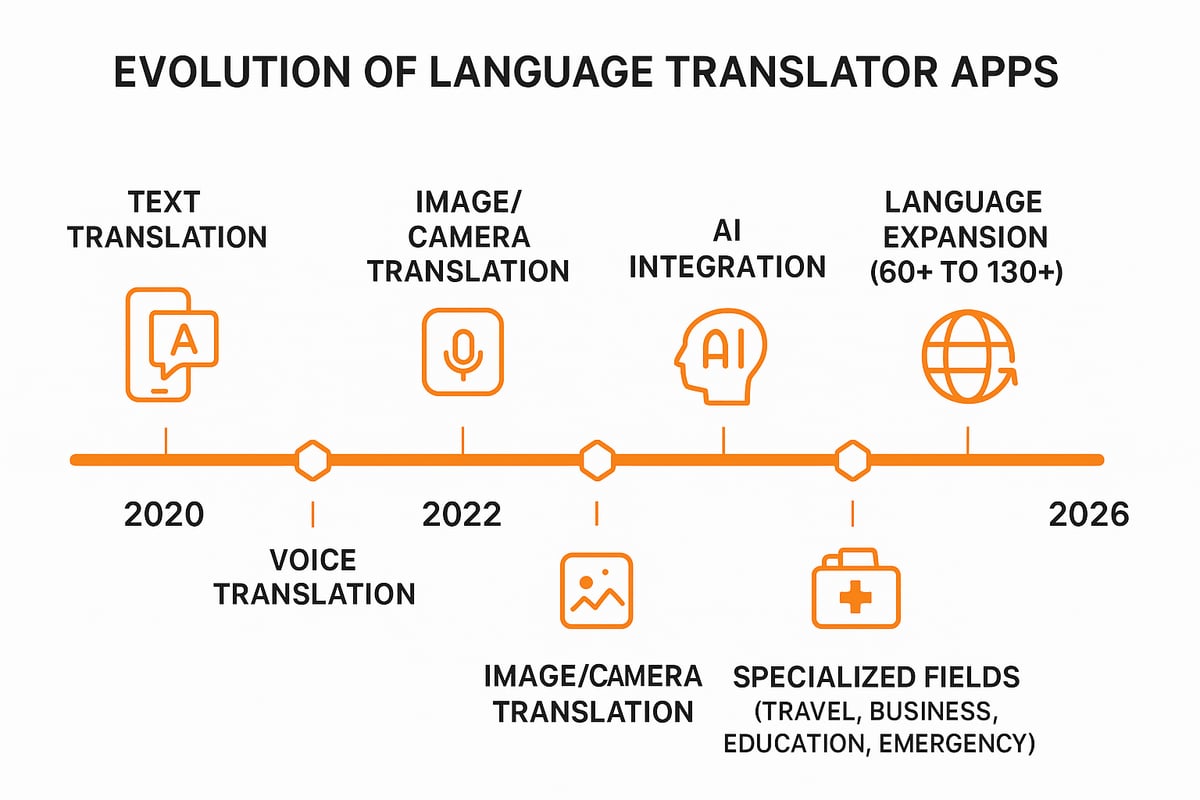
The landscape of voice and text translator tools has rapidly transformed, shaped by innovation across artificial intelligence, multimodal communication, and user-centric design. As global demand for seamless multilingual interactions grows, these technologies are setting new standards for accuracy, inclusivity, and speed.
Breakthroughs in AI and Natural Language Processing
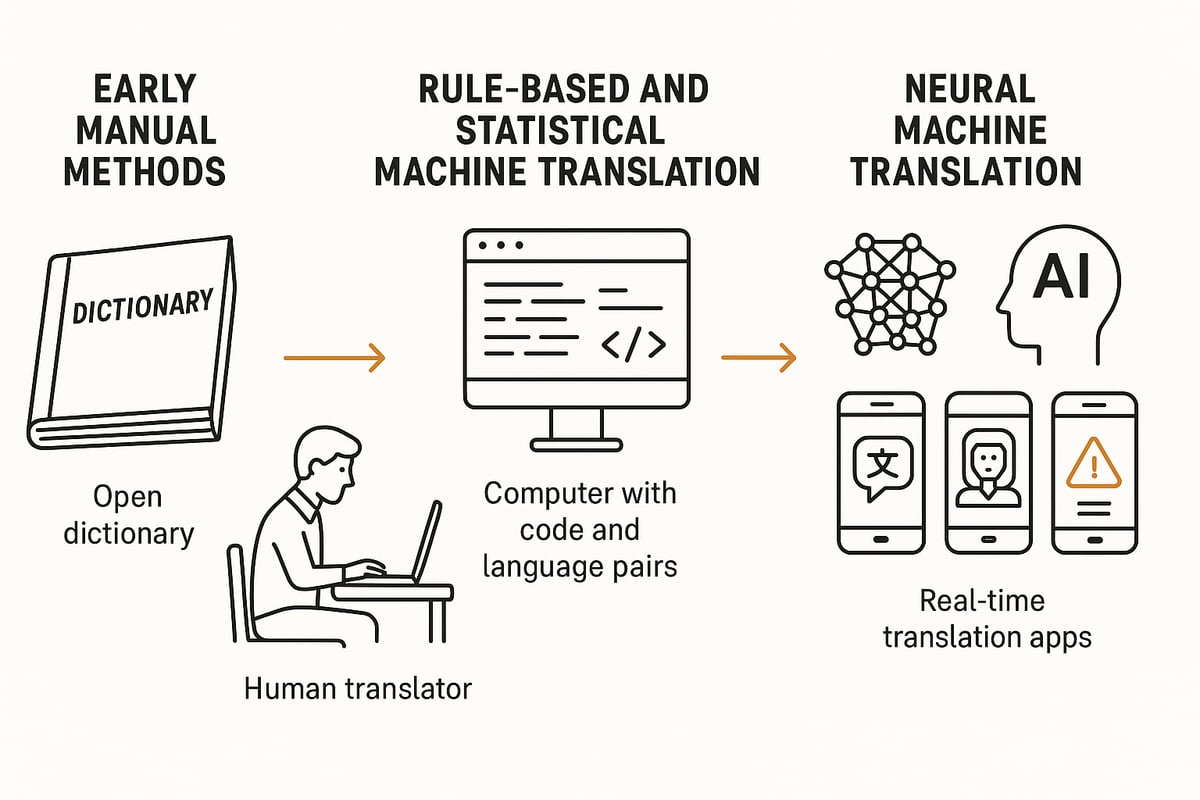
Recent years have seen significant leaps in AI, deep learning, and natural language processing. Transformer-based models now enable voice and text translator tools to deliver context-aware, emotion-sensitive translations. These breakthroughs, detailed in Advancements in Transformer-Based NLP, have dramatically improved both accuracy and nuance, making real-time multilingual exchanges more natural than ever.
Multimodal Communication: Integrating Voice, Text, and Video
Modern voice and text translator solutions increasingly support seamless transitions between voice, text, and video. Users can switch channels mid-conversation, enabling real-time multilingual dialogues across devices. For example, platforms now offer instant transcription and translation during video calls, ensuring accessibility for participants regardless of language or communication mode.
The Role of Cloud Computing and Edge AI
Cloud infrastructure and edge AI have revolutionized the speed and reliability of voice and text translator platforms. By processing data closer to the user, edge AI reduces latency, ensuring translations are nearly instantaneous. Cloud-based systems provide scalability and robust uptime, supporting millions of users worldwide without compromising performance or security.
Globalization and the Demand for Multilingual Communication
With increased global mobility, cross-border business, and digital collaboration, the need for reliable voice and text translator tools is at an all-time high. Statistics show a sharp rise in international transactions and multilingual customer interactions. In sectors like travel, emergency response, and global commerce, overcoming language barriers directly impacts productivity, satisfaction, and safety.
Accessibility and Inclusivity in Translation Tools
Leading voice and text translator solutions now prioritize accessibility for all users. Features like alternative input options, text-to-speech, and support for non-verbal or visually impaired individuals are standard. Inclusive design ensures that everyone, regardless of ability, can participate in multilingual communication, reflecting a broader commitment to equity and usability.
Security, Privacy, and Data Compliance
Security and privacy are critical in the voice and text translator ecosystem. Modern platforms implement end-to-end encryption, GDPR compliance, and strict data handling protocols. Protecting sensitive information, especially in business or emergency contexts, builds trust and aligns with evolving industry standards for data protection and user privacy.
Market Trends and User Adoption
Adoption of voice and text translator tools is surging across industries. Recent forecasts predict continued market growth through 2026, driven by AI advancements and increased global connectivity. Businesses, educators, and public services are integrating these technologies, recognizing their value in enabling seamless, secure, and inclusive communication worldwide.
7 Essential Voice and Text Translator Tools for 2026
The demand for a powerful voice and text translator is at an all-time high in 2026. With global interactions spanning business, travel, emergency response, and education, the right translation tool can be a game-changer. Below, we review seven of the most advanced and reliable options available this year, each designed to meet distinct communication needs.
Convey911
For emergency services, a robust voice and text translator is not just a convenience, but a critical necessity. Convey911 stands out as a specialized platform designed for 911 centers, first responders, and public safety agencies. Its flexible pricing accommodates agencies of all sizes, with scalable models and personalized consultations.
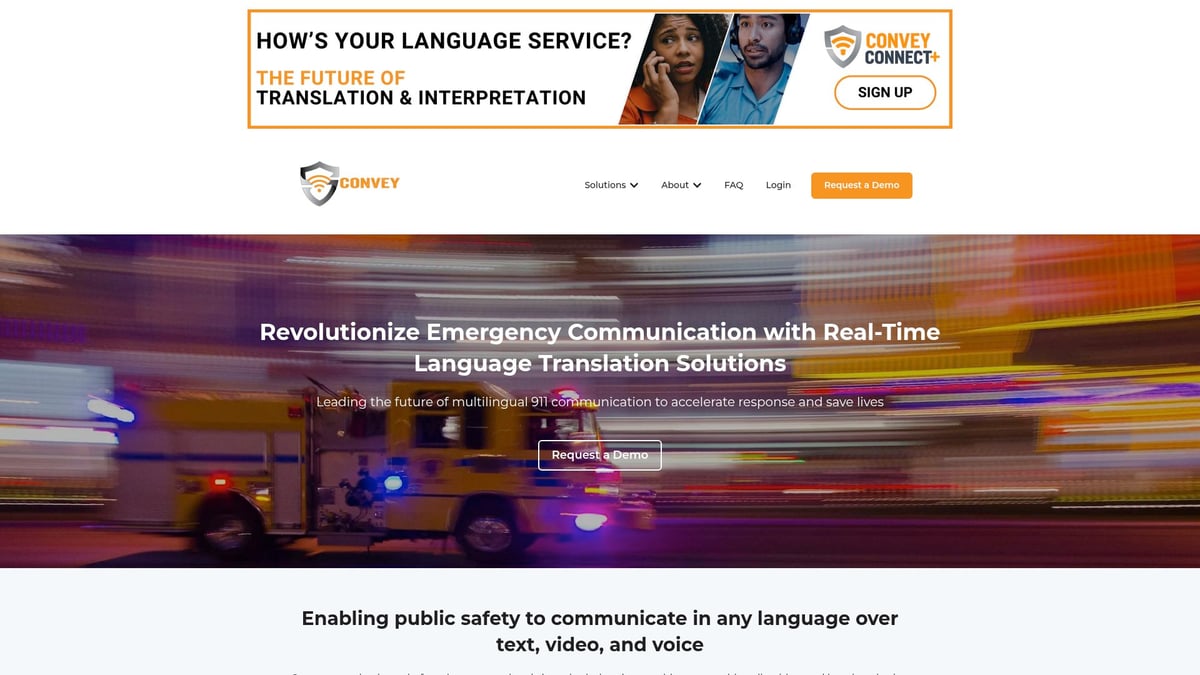
Core features include real-time translation in over 185 languages, instant language identification, and seamless text-to-911 support. The system integrates both AI and human interpreters, providing a hybrid approach that ensures accuracy and cultural nuance. Convey911 also supports mass multilingual notifications and is hosted securely on AWS GovCloud, meeting stringent compliance standards.
What makes Convey911 unique is its patented AI-driven translation engine and its ability to support voice, text, and video channels. With access to more than 30,000 human interpreters, it can handle even the most complex or sensitive conversations. Trusted by major U.S. emergency agencies, its speed is unmatched, delivering translations in under two seconds.
The primary audience includes PSAPs, emergency managers, and first responders who cannot afford delays in communication. Ideal use cases involve life-or-death situations, mass notifications, and bridging language gaps during crises. Pros include exceptional speed, accuracy, inclusive design, and reliability. The main limitation is its focus on the public sector, making it less suitable for everyday consumer use.
To understand how platforms like Convey911 help bridge language barriers in emergencies, see Enhancing multilingual emergency communication.
DeepL Translator
DeepL Translator has established itself as a leader in the voice and text translator market, particularly for professionals and enterprises seeking nuanced, context-aware translation. With a free tier and affordable Pro plans starting at $8.74/month, it is accessible for individuals and scalable for businesses.
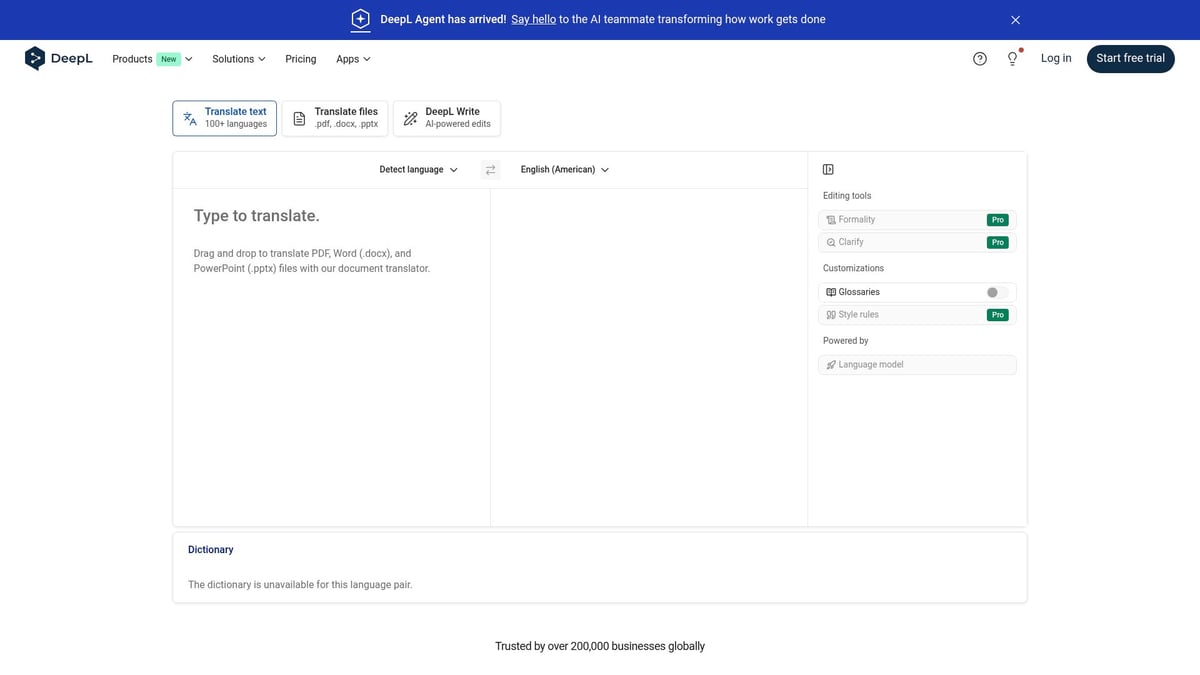
Its advanced neural machine translation engine supports over 30 languages, excelling in European language pairs. DeepL offers document translation, browser extensions, and API access, making it a versatile solution for business, legal, and academic needs. The platform prioritizes privacy, never storing user data, and allows for customizable glossaries to maintain brand consistency.
DeepL’s unique selling point is its ability to provide highly accurate, context-sensitive translations that rival human quality. The interface is intuitive and user-friendly, appealing to professionals and academics alike.
Target users include translators, enterprises, and researchers. DeepL is ideal for business communications, legal or technical document translation, and academic research. Strengths include high accuracy, a privacy-first approach, and a seamless user experience. However, it supports fewer languages than some competitors and does not offer real-time voice translation, focusing instead on text and document-based use cases.
Google Translate
When it comes to a widely accessible voice and text translator, Google Translate remains a household name. It offers free personal use and competitive API pricing for businesses, starting at $20 per million characters.
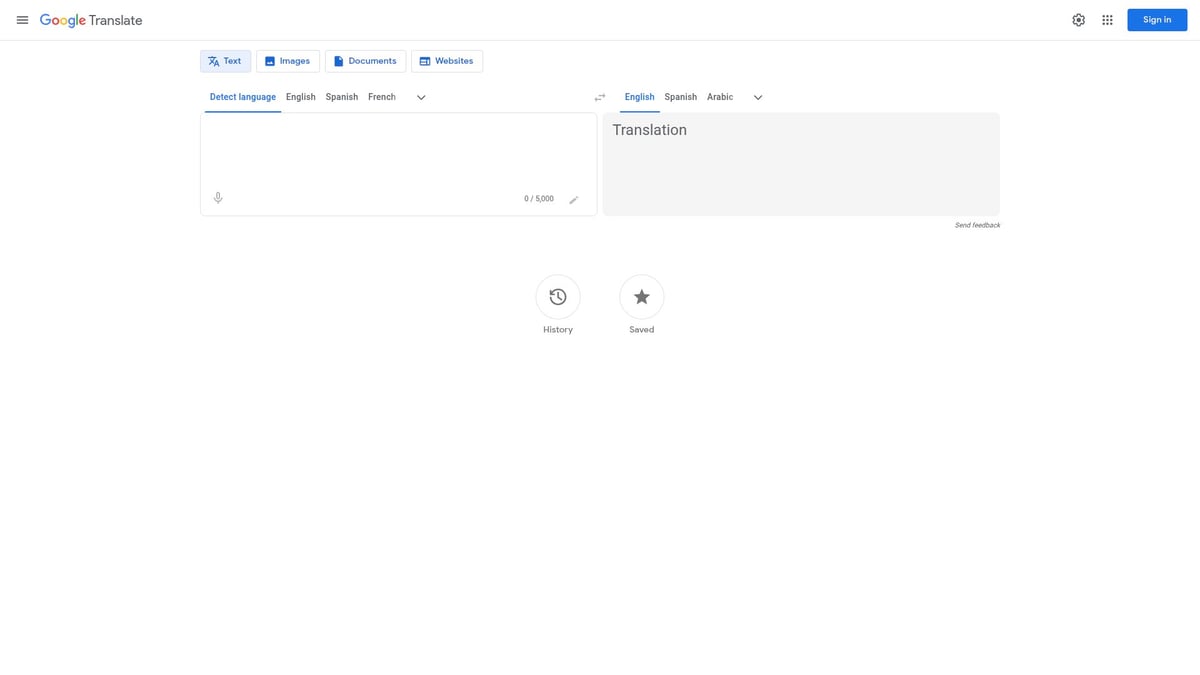
Supporting over 130 languages, Google Translate handles instant text, voice, and image translation. Features like offline mode, real-time conversation, and website translation make it highly versatile. Integrated deeply with Android, iOS, and the broader Google ecosystem, it allows users to translate on the go, whether through typing, speaking, or using the camera.
Unique features include real-time conversation mode and handwriting input, expanding accessibility for diverse users. The tool is ideal for travelers, students, and global businesses needing quick, reliable translations.
Pros include broad language coverage, ease of use, and zero cost for personal users. Cons are occasional inaccuracies in complex or technical contexts and potential privacy concerns when dealing with sensitive data. Still, for everyday communication, travel, and website localization, Google Translate remains a top choice.
Microsoft Translator
Microsoft Translator is a comprehensive voice and text translator, particularly strong for business and education. The free app serves personal users, while Azure-based API access begins at $10 per million characters for organizations.
Core features include translation of text, voice, and images in over 100 languages, plus live group conversations and business integration. Microsoft’s solution is tightly coupled with Microsoft 365, Teams, and Azure, making it ideal for international meetings and collaborative projects.
Unique selling points are live captioning, real-time conversation transcripts, and custom translation models for enterprise clients. The platform supports multi-device conversations, enhancing flexibility for remote and hybrid teams.
Target audiences are businesses, educators, and travelers who value integration and collaboration. Microsoft Translator excels in international meetings, classroom learning, and business communications. Pros include strong integration, collaboration tools, and customization options. The main con is that some features require Microsoft’s ecosystem, and its language selection is not as broad as Google’s.
iTranslate Voice
iTranslate Voice is a mobile-first voice and text translator, tailored for travelers and learners. The app offers a free version with basic features and a Pro version starting at $4.99/month.

Key features include voice-to-voice translation in more than 40 languages, offline mode, and a robust phrasebook for common travel situations. Text-to-speech and Apple Watch support add to its convenience for users on the move.
Designed for simplicity, iTranslate Voice provides fast and accurate translations through a user-friendly app. Travelers benefit from offline accessibility, ensuring communication even without internet access. The phrasebook is a practical tool for handling emergencies or everyday interactions abroad.
The primary audience is tourists, business travelers, and language learners. Use cases include navigating foreign countries, managing travel emergencies, and practicing pronunciation. Pros are its simple interface, offline support, and travel-focused features. Cons are its limitation to mobile devices and a narrower language selection compared to some competitors.
SayHi Translate
SayHi Translate offers a free, intuitive voice and text translator app for iOS and Android. Supporting over 90 languages and dialects, it is designed for daily communication, travel, and language learning.
Core features include voice and text translation, speech speed adjustment, and support for regional accents. The app delivers high-quality voice output, allowing users to customize dialects and share transcripts with ease.
SayHi’s unique selling point is its emphasis on dialect diversity and real-time speech translation. The interface is straightforward, making it accessible for all ages and backgrounds.
Targeted at everyday users, travelers, and learners, SayHi excels in daily conversations, travel scenarios, and language practice. Pros are its free access, support for multiple dialects, and intuitive design. The main drawback is the lack of a web version, and some features may require an internet connection.
Papago
Papago, developed by Naver, is a voice and text translator with a strong focus on Asian languages. Completely free, it supports text, voice, image, and handwriting translation in 13 languages, including Korean, Japanese, and Chinese.
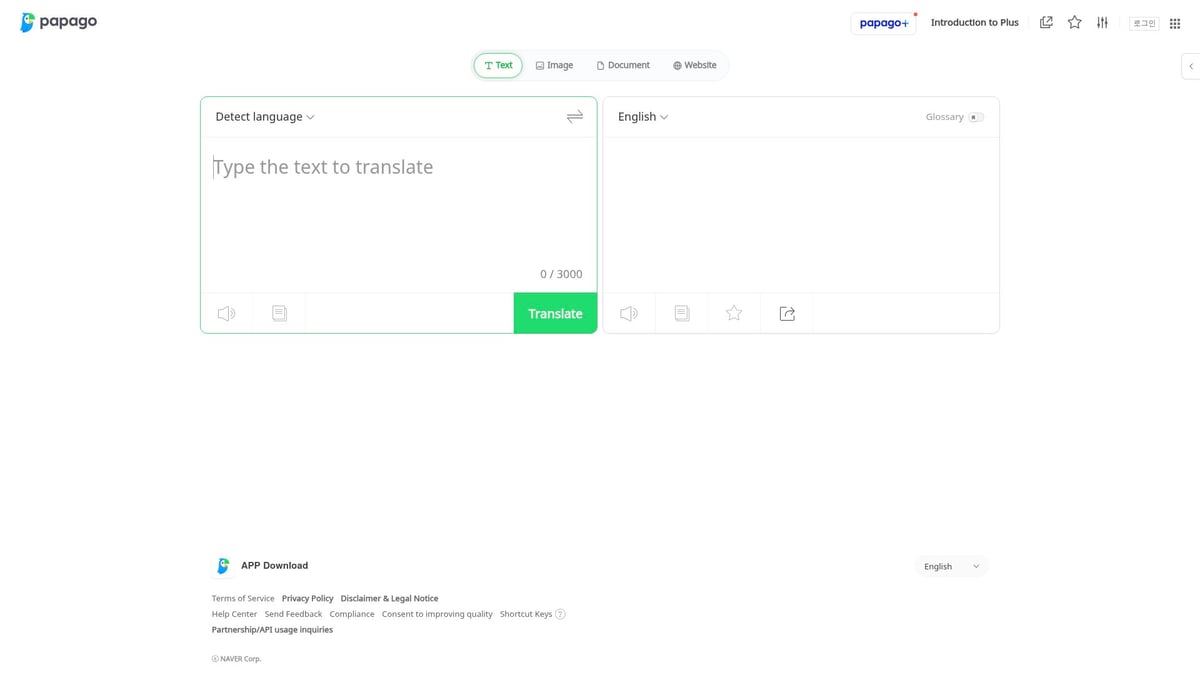
Core features include conversation mode, offline support, and a travel phrasebook. Papago stands out for its language auto-detection and seamless integration with the Naver ecosystem, making it particularly valuable for users in East Asia.
The tool is ideal for travelers, business professionals, and students navigating Asian countries. Papago’s strengths are its accuracy for Asian languages, user-friendly interface, and offline capabilities. Limitations include a smaller language selection and less suitability for non-Asian languages.
Comparison Table: Voice and Text Translator Tools for 2026
| Tool | Languages Supported | Modes | Offline Support | Best For | Unique Feature |
|---|---|---|---|---|---|
| Convey911 | 185+ | Voice, Text, Video | No | Emergency/Public Sector | Hybrid AI + Human Interpreters |
| DeepL Translator | 30+ | Text | No | Professionals/Enterprise | Context-Aware Neural Translation |
| Google Translate | 130+ | Voice, Text, Image | Yes | General Users/Travel | Real-Time Conversation Mode |
| Microsoft Translator | 100+ | Voice, Text, Image | Yes | Business/Education | Live Group Conversations |
| iTranslate Voice | 40+ | Voice | Yes | Travelers/Learners | Phrasebook, Apple Watch Support |
| SayHi Translate | 90+ | Voice, Text | Partial | Daily Use/Travel | Dialect Customization |
| Papago | 13 | Voice, Text, Image, Handwriting | Yes | East Asia/Travel/Study | Asian Language Accuracy |
Choosing the right voice and text translator depends on your needs, whether you prioritize real-time accuracy, offline access, business integration, or specialized language support. Each tool here is poised to transform multilingual communication in 2026.
How to Choose the Right Voice and Text Translator Tool in 2026
Selecting the best voice and text translator in 2026 requires careful consideration of your specific needs and the ever-evolving capabilities of modern translation tools. With options ranging from AI-driven platforms to specialized solutions, a structured approach can help you maximize value and efficiency.
Identify Your Primary Use Case
Begin by pinpointing why you need a voice and text translator. Are you traveling, handling business negotiations, managing emergencies, teaching, or engaging in everyday conversations? For example, travelers may prioritize offline support and phrasebooks, while emergency professionals require instant, accurate translations integrated with dispatch systems. Knowing your core use case ensures you focus on features that matter most, streamlining your selection process and improving outcomes.
Assess Language Coverage and Accuracy
Next, evaluate how well each tool supports the languages and dialects essential to your interactions. Some platforms excel in European or Asian languages, while others offer broader coverage. Review recent accuracy benchmarks and user feedback to confirm the tool's reliability in real-world scenarios. A voice and text translator that consistently delivers precise, context-aware results will prevent misunderstandings and enhance communication.
Evaluate Real-Time Capabilities and Multimodal Support
In 2026, seamless real-time translation is vital, especially for live meetings or urgent calls. Assess whether the tool can handle voice, text, and image inputs without lag. Some platforms now offer unified, cross-channel experiences for group conversations. For a deeper look into real-time AI translation solutions, explore how advanced platforms are bridging communication gaps instantly across multiple modes.
Consider Privacy, Security, and Compliance
Data protection is critical, particularly for sensitive business or emergency use. Look for voice and text translator tools that provide end-to-end encryption, GDPR compliance, and robust privacy controls. User trust increases when platforms adhere to industry standards and prioritize confidentiality. Evaluate whether the tool's security features align with your organizational or personal requirements before committing.
Review Pricing and Scalability
Compare pricing models, from free tiers to subscription plans and enterprise packages. Consider not just upfront costs but also long-term value and scalability. If your needs may grow, check how easily the platform can accommodate increased usage or additional users. Balance your budget with the feature set and support offered to ensure the voice and text translator remains a worthwhile investment.
Examine User Experience and Accessibility
A user-friendly interface and accessible design are essential for widespread adoption. Prioritize tools with intuitive navigation, clear instructions, and support for users with disabilities. Device compatibility, such as mobile, desktop, and wearables, should also be considered. Seek out platforms with strong accessibility ratings and positive user reviews to guarantee smooth day-to-day operation.
Integration with Existing Systems and Workflows
Finally, assess how well the translator integrates with your current tools, such as CRM software, emergency response platforms, or educational systems. API availability and customization options can streamline processes and reduce manual effort. For public safety and emergency services, consider specialized solutions with text-to-911 and language integration to unify communication and support rapid response.
Future Trends in Voice and Text Translation Technology
The next era of voice and text translator solutions is set to revolutionize global communication. As technology rapidly evolves, users can expect dramatic improvements in accuracy, inclusivity, and security. Let us explore the key trends shaping the future of this field and how they will impact every voice and text translator on the market.
AI-Powered Contextual Understanding and Emotional Intelligence
Artificial intelligence is bringing a new dimension to the voice and text translator landscape. Emerging systems can now interpret not only the literal meaning of words, but also context, tone, and emotional nuance. With context-aware models, translations become more accurate and natural, especially in sensitive conversations. Ongoing pilot programs are refining these capabilities to recognize sarcasm, urgency, or empathy, making communication more human-like.
Universal Multilingual Communication Platforms
The industry is witnessing the rise of platforms that unify voice, text, and video translation for seamless cross-channel conversations. These universal solutions allow businesses and individuals to switch easily between communication modes and languages, breaking down barriers worldwide. Early adopters, including global corporations and public agencies, are already seeing productivity gains from these integrated voice and text translator platforms.
On-Device and Edge Translation
A significant shift is underway toward on-device and edge translation. By processing language locally, these tools offer superior privacy and faster response times, which is crucial for sensitive data and real-time needs. New hardware and advanced software now enable users to rely on their devices without an internet connection. As highlighted in On-Device NLP and Edge AI, this trend is accelerating innovation in the voice and text translator sector.
Specialized Solutions for Industry and Emergency Services
Industry-specific voice and text translator tools are gaining traction, especially in healthcare, legal, and emergency response. For example, platforms like Convey911 are tailored for critical scenarios, offering rapid, accurate translations when every second counts. These specialized solutions are designed to integrate into professional workflows, ensuring clarity and compliance in high-stakes environments.
Enhanced Accessibility and Inclusivity
Modern advancements are making voice and text translator technology more accessible to users with disabilities. Features such as sign language support, non-verbal communication aids, and inclusive interface designs are becoming standard. Regulatory changes and growing awareness are pushing developers to prioritize accessibility, ensuring no one is excluded from global communication.
Privacy-First Translation and Data Sovereignty
With data privacy concerns at the forefront, the focus is shifting to privacy-first translation tools. Local data processing, end-to-end encryption, and compliance with international standards are now essential. This approach builds user trust and meets the demands of organizations handling confidential information, further enhancing the value of a secure voice and text translator.
Market Projections and Investment
The market for voice and text translator technology is on a robust growth trajectory. Analysts forecast continued expansion through 2030, fueled by AI adoption, globalization, and increased digital connectivity. According to the Language Translation Device Market Growth report, the sector is expected to reach USD 3.46 billion by 2032, reflecting the rising demand for efficient multilingual solutions.
As you explore the latest advancements in voice and text translation, it’s clear that technology is breaking down language barriers faster and more accurately than ever—especially in critical situations where every second counts. If you want to see how these innovations can make a real difference for your team or organization, I encourage you to experience the power of real time communication without language limits. Discover firsthand how solutions like Convey911 can transform your emergency response or multilingual outreach.
Book a Demo
and take the next step toward seamless, life saving communication.