
Emergency situations demand immediate action, and communication delays can mean the difference...
When traditional communication infrastructure fails during natural disasters or emergencies, volunteer radio operators step in to provide critical connectivity. The amateur radio emergency service has been a cornerstone of disaster response for decades, offering reliable voice and data transmission when cellular networks collapse and internet connections vanish. These dedicated volunteers maintain networks that bridge gaps between first responders, emergency management agencies, and affected communities during the most challenging situations.
Understanding the Amateur Radio Emergency Service Framework
The Amateur Radio Emergency Service (ARES) operates as a corps of trained radio amateurs who provide communications support during emergencies. ARES volunteers work directly with local, state, and federal emergency management agencies to supplement existing communication systems. This framework exists because amateur radio operators possess unique technical skills, portable equipment, and the ability to establish communications networks in environments where commercial infrastructure has been compromised.
Organizational Structure and Coordination
ARES operates through a hierarchical structure that mirrors emergency management organizations. Each state has an Emergency Coordinator who oversees District Emergency Coordinators, who in turn supervise local Emergency Coordinators. This tiered approach ensures efficient deployment and coordination during large-scale events affecting multiple jurisdictions.
Key organizational components include:
- Emergency Coordinators at state, district, and local levels
- Net managers who oversee specific radio networks
- Training officers responsible for volunteer preparedness
- Public information officers who coordinate with media and agencies
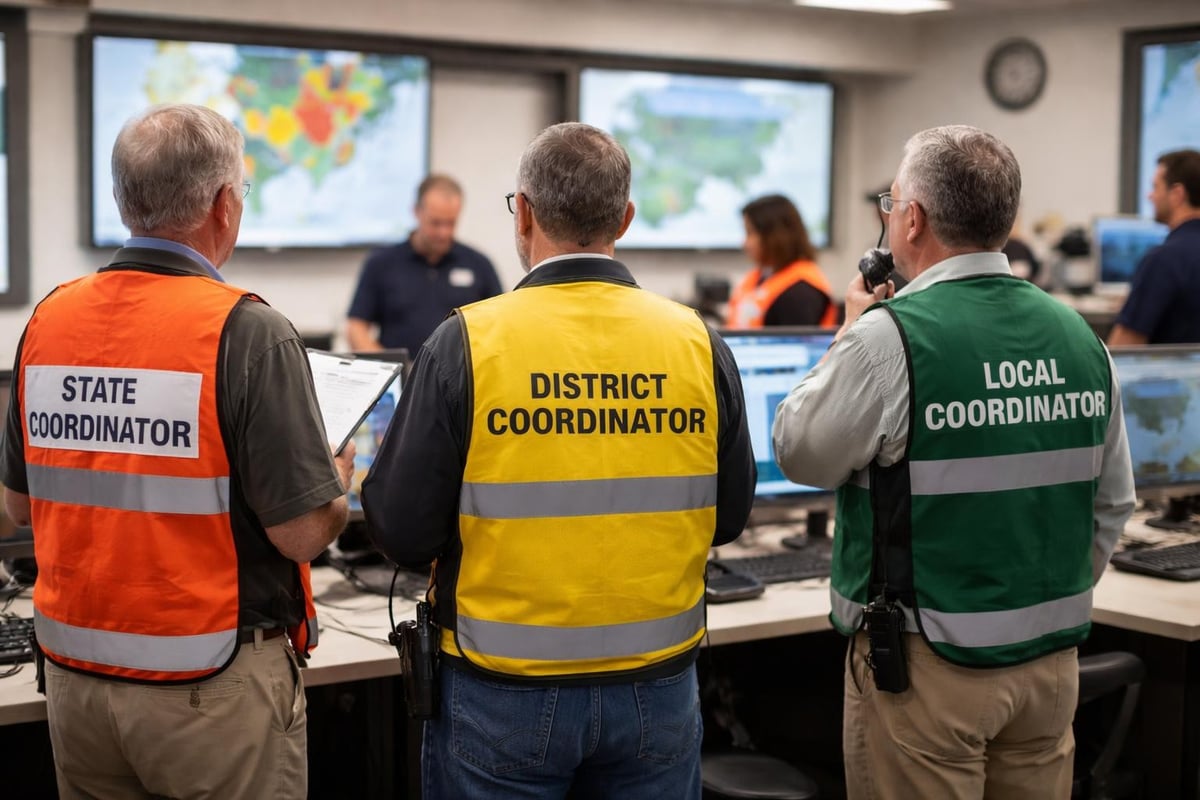
The organizational framework emphasizes interoperability with government agencies. ARES volunteers often participate in exercises, drills, and planning sessions alongside emergency managers, building relationships before disasters strike. This proactive coordination enables seamless integration when communications support becomes necessary.
Historical Evolution and Modern Applications
Amateur radio emergency service networks have responded to countless disasters since their formal establishment. The role of amateur radio operators during disasters has evolved from simple message relay to sophisticated digital communications and emergency coordination. Historical operations demonstrate the consistent value these volunteers provide across different emergency scenarios.
Notable Emergency Responses
Hurricane Katrina in 2005 highlighted the critical importance of amateur radio when virtually all commercial communications failed across the Gulf Coast. ARES operators provided the only reliable communications for days in some areas. Similarly, during the 2017 hurricane season, volunteers maintained continuous operations throughout Texas, Florida, and Puerto Rico.
Beyond weather events, amateur radio emergency service volunteers have supported:
- Search and rescue operations in remote wilderness areas
- Mass casualty incidents requiring multi-agency coordination
- Wildfires where evacuation communications proved essential
- Public service events requiring communication networks
- Pandemic response coordination in 2020-2021
The evolution of technology has enhanced rather than replaced amateur radio capabilities. Modern operators integrate digital modes, packet radio, and even internet-linked systems that extend coverage while maintaining independence from vulnerable infrastructure.
Training Requirements and Skill Development
Effective amateur radio emergency service participation demands more than a radio license. Volunteers must develop expertise in emergency protocols, message handling procedures, and incident command systems. The ARES Field Resources Manual provides comprehensive guidance for members developing these competencies.
Core Competencies for ARES Volunteers
| Skill Category | Components | Application |
|---|---|---|
| Radio Operations | Equipment setup, antenna deployment, frequency selection | Field deployment |
| Message Handling | Formal traffic procedures, priority routing, verification | Information relay |
| Emergency Protocols | ICS-100, ICS-200, NIMS compliance | Agency integration |
| Digital Modes | Packet radio, Winlink, APRS | Data transmission |
Training programs emphasize practical exercises that simulate real emergency conditions. Volunteers participate in regular nets, scheduled practice sessions where operators check in and handle mock emergency traffic. These nets build proficiency and identify equipment or procedural issues before actual emergencies occur.
Many ARES groups partner with local emergency management agencies for joint training exercises. These collaborations familiarize both radio operators and professional emergency personnel with each other's capabilities and limitations. The integration proves invaluable during actual incidents when emergency communication becomes critical.
Equipment and Technical Infrastructure
Amateur radio emergency service operations rely on diverse equipment configurations suited to different emergency scenarios. Portable stations, mobile installations, and fixed base stations each serve specific purposes during disaster response. Understanding equipment capabilities and limitations enables effective deployment decisions.
Portable and Emergency Power Solutions
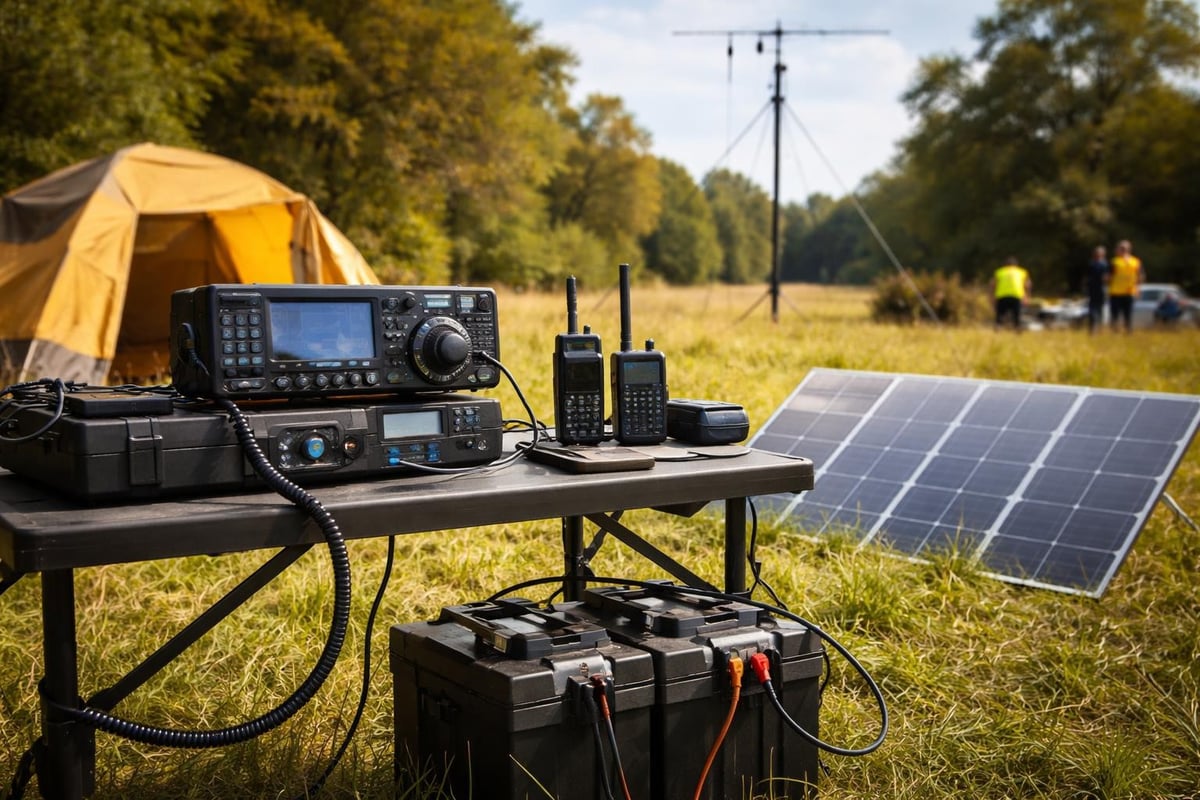
Field operations require equipment that functions independent of commercial power and infrastructure. Portable stations typically include:
- HF transceivers capable of long-distance communication
- VHF/UHF radios for local and regional networks
- Portable antenna systems deployable in minutes
- Battery systems and solar charging solutions
- Digital mode interfaces for computer-based communications
Emergency power systems distinguish amateur radio from technologies dependent on grid electricity. Many operators maintain generator capacity, extensive battery banks, and solar panels specifically for emergency deployment. This power independence ensures continued operation during extended outages affecting entire regions.
Interoperability with Public Safety Systems
Modern emergency management demands seamless coordination across multiple agencies and communication platforms. Amateur radio emergency service volunteers must understand how their networks integrate with professional public safety systems while maintaining operational independence. This interoperability requires technical knowledge and established protocols.
Integration Challenges and Solutions
The gap between amateur frequencies and public safety radio systems presents coordination challenges. ARES operators typically cannot transmit directly on police, fire, or emergency medical service frequencies. Instead, they provide liaison services, with volunteers positioned at emergency operations centers to relay information between radio networks and official communication systems.
Effective integration strategies include:
- Designating ARES representatives to emergency operations centers
- Establishing cross-band repeater systems where permitted
- Implementing digital gateway technologies
- Maintaining direct contact with agency communications officers
- Using standardized message formats compatible with agency procedures
The National Interoperability Field Operations Guide provides technical reference standards that amateur operators follow to ensure compatibility with professional emergency communications. Understanding these standards improves coordination efficiency during multi-agency responses.
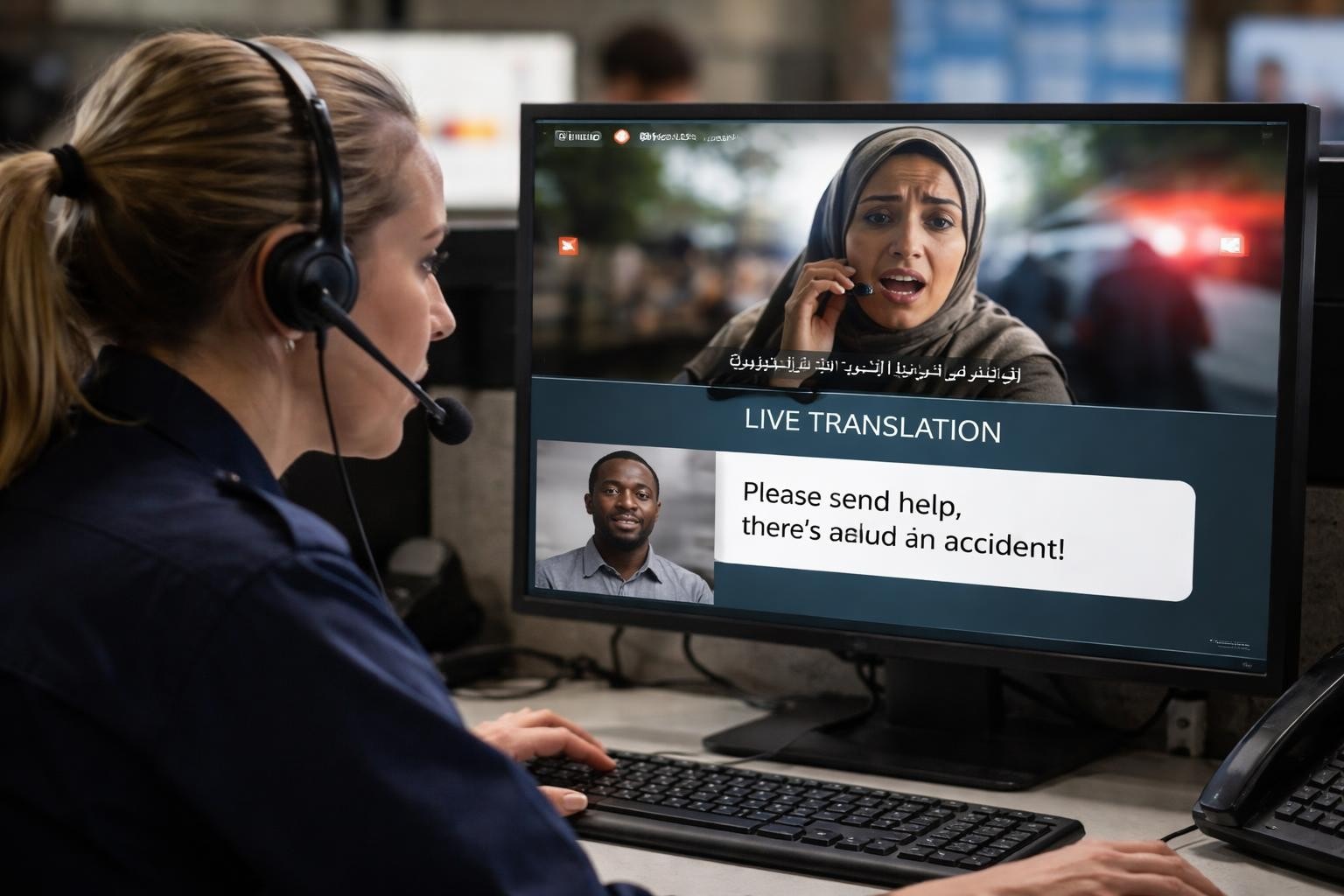
Language barriers present additional challenges during emergencies affecting diverse communities. While amateur radio emergency service traditionally focuses on technical communications, modern disasters increasingly require multilingual communication capabilities to serve populations speaking languages other than English.
International Amateur Emergency Networks
Amateur radio emergency service extends beyond American borders, with similar volunteer organizations operating worldwide. These international networks demonstrate universal recognition of amateur radio's value during disasters and provide mutual assistance when catastrophic events overwhelm local resources.
Global Emergency Communication Programs
The Radio Amateurs' Emergency Network (RAYNET) in the United Kingdom provides emergency communications following principles similar to ARES. RAYNET volunteers support various agencies including police, ambulance services, and local authorities during incidents affecting normal communications.
| Organization | Country | Primary Focus | Established |
|---|---|---|---|
| ARES | United States | All-hazard emergency response | 1935 |
| RAYNET | United Kingdom | Public service communications | 1953 |
| DARES | Netherlands | Emergency network deployment | 1985 |
| AREC | New Zealand | Civil defense support | 1949 |
The Dutch Amateur Radio Emergency Service (DARES) operates in the Netherlands, coordinating licensed radio amateurs who establish communication networks during national emergencies. Similarly, Amateur Radio Emergency Communications (AREC) in New Zealand works closely with civil defense organizations.
International coordination becomes essential during disasters affecting multiple countries. Amateur radio's inherent capability for cross-border communication enables volunteers in unaffected areas to support disaster zones thousands of miles away. This global network provides redundancy and extended capabilities beyond what individual national organizations could achieve independently.
Relationship with RACES and Government Programs
Amateur radio emergency service maintains distinct relationships with government-sponsored emergency communication programs. The Radio Amateur Civil Emergency Service (RACES) operates as a separate but related organization, activated specifically by government officials during declared emergencies. Understanding these organizational relationships clarifies volunteer roles during different emergency scenarios.
Dual Membership and Activation Protocols
Many amateur operators hold membership in both ARES and RACES, though the organizations serve different purposes. RACES operates under Federal Emergency Management Agency regulations and can only be activated by designated government officials. ARES maintains greater flexibility, responding to requests from emergency managers without formal governmental activation requirements.
The dual structure provides redundancy and specialized capabilities:
- RACES focuses specifically on civil defense communications
- ARES addresses broader emergency communication needs
- Both organizations often share members and equipment
- Activation protocols differ based on emergency type and jurisdiction
- Training standards overlap but serve distinct operational purposes
This organizational relationship ensures amateur radio resources remain available through multiple activation pathways. If one system faces administrative or legal constraints during specific emergency types, the alternate organization can provide necessary communications support.
Technology Integration and Digital Communications
Amateur radio emergency service has embraced digital technologies while maintaining traditional voice communication capabilities. Modern operators utilize sophisticated digital modes that enhance message accuracy, enable automatic routing, and provide connectivity to internet-based systems when available. These technological advances expand amateur radio's utility during complex emergency operations.
Digital Mode Applications
Winlink systems enable email-like messaging over radio frequencies, allowing operators to send and receive formatted messages without internet connectivity. Automatic Packet Reporting System (APRS) provides real-time position tracking and status information, helping coordinate mobile operators during search and rescue operations.
Current digital capabilities include:
- Email messaging via HF and VHF radio links
- Automatic position reporting for resource tracking
- Digital voice modes offering improved audio quality
- Weather station data collection and distribution
- Image transmission for damage assessment
These digital systems complement rather than replace traditional voice communications. During large-scale disasters, operators employ whichever mode provides most effective communication under prevailing conditions. The ability to switch between voice and digital modes based on circuit quality and message type enhances operational flexibility.
Integration with modern emergency communication platforms creates opportunities for amateur radio to serve as backup connectivity for internet-dependent systems. When primary networks fail, amateur radio digital modes can bridge gaps, maintaining critical data flows between emergency operations centers and field personnel.
Volunteer Recruitment and Retention Strategies
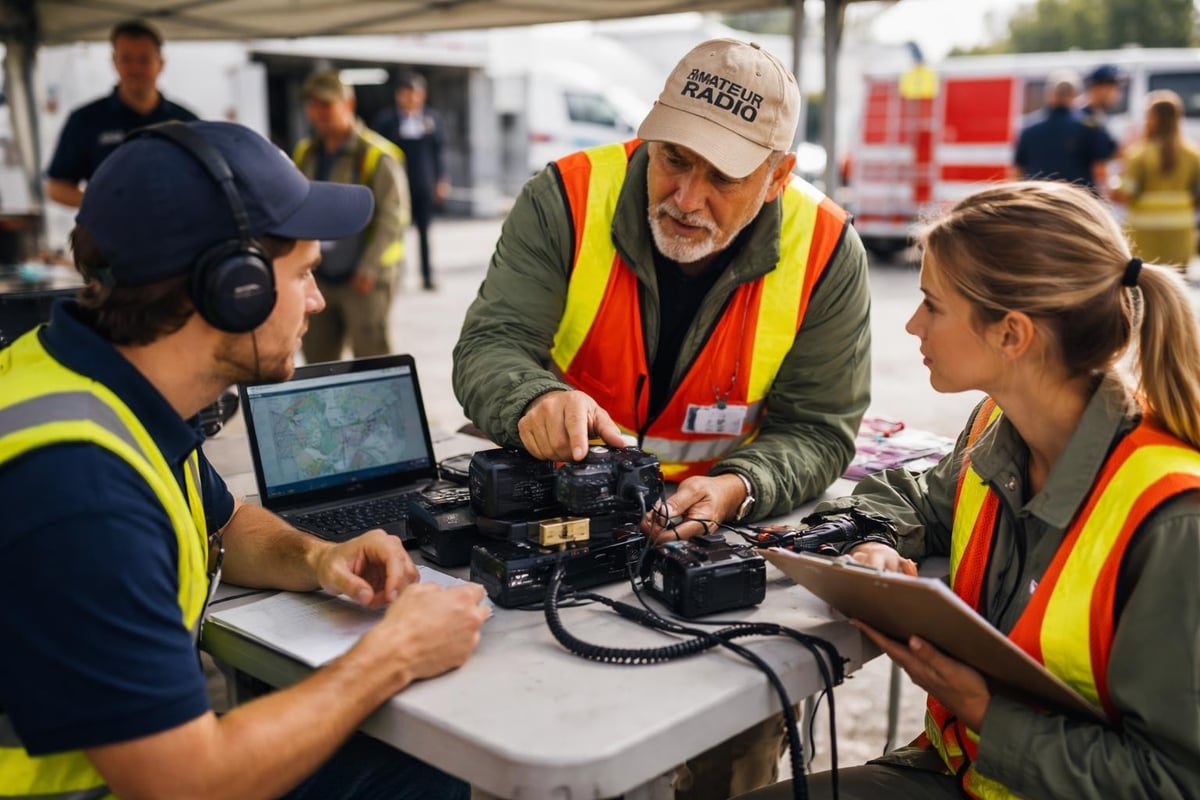
Maintaining robust amateur radio emergency service capabilities requires continuous volunteer recruitment and development. Organizations face challenges attracting younger operators while retaining experienced members who provide institutional knowledge and leadership. Successful programs implement strategies addressing both recruitment and long-term engagement.
Building Sustainable Volunteer Programs
Effective recruitment begins with community visibility. ARES groups that participate in public service events, conduct demonstrations at community gatherings, and maintain active social media presence attract potential volunteers who might not otherwise discover amateur radio emergency service opportunities.
Retention strategies focus on meaningful engagement beyond emergency activations. Regular training exercises, social activities, and technical projects keep members active between disasters. Recognition programs honoring volunteer contributions reinforce the value of continued participation.
Successful recruitment approaches include:
- Partnering with emergency management for joint exercises
- Conducting licensing classes to reduce entry barriers
- Mentoring programs pairing new operators with experienced volunteers
- Specialized training in areas matching individual interests
- Youth outreach through schools and community organizations
Organizations that invest in volunteer development create stronger, more capable networks. Well-trained operators perform more effectively during emergencies, improving outcomes for communities served by amateur radio emergency service programs.
Coordination with Modern Communication Technologies
Amateur radio emergency service does not operate in isolation from contemporary communication systems. Modern emergency management utilizes diverse technologies including cellular networks, satellite communications, and internet-based platforms. Understanding how amateur radio complements these systems helps volunteers provide maximum value during disaster response.
Complementary Technology Roles
Professional emergency responders rely primarily on dedicated public safety radio systems, cellular devices, and specialized communication platforms. Amateur radio emergency service provides backup capability when primary systems become overloaded or fail completely. This complementary role requires operators to understand when and how their services best support overall emergency communication needs.
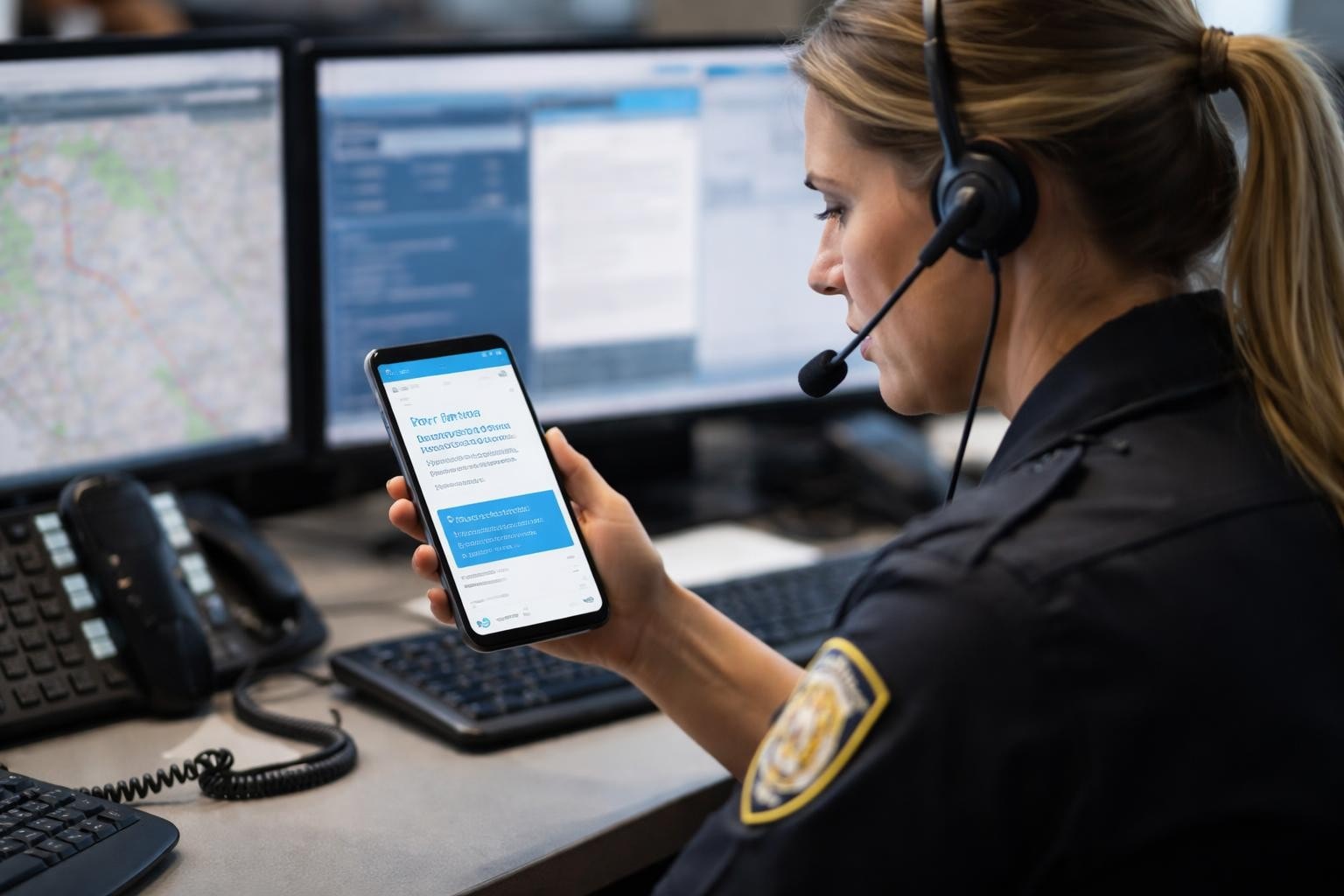
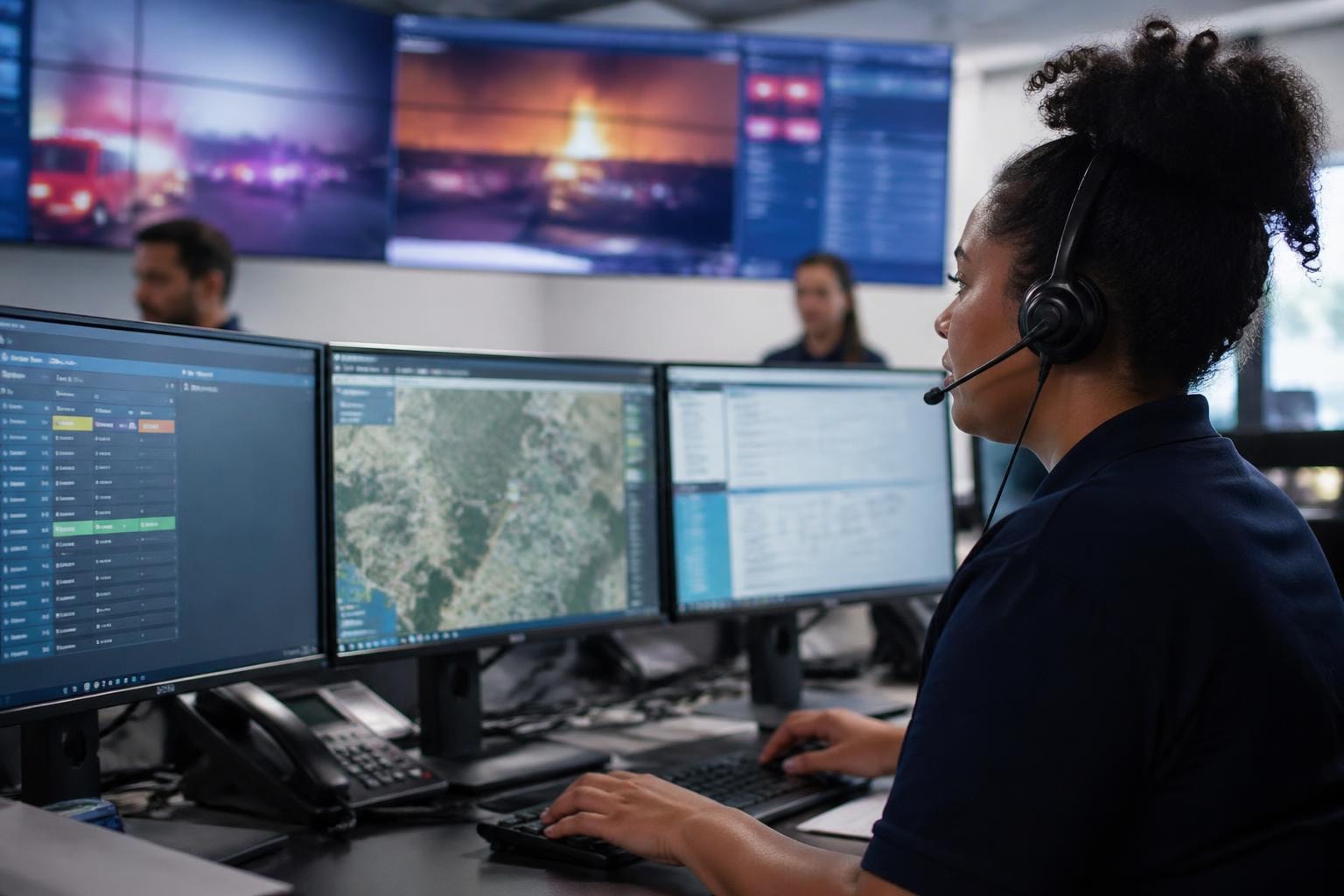
Modern platforms like those enabling fire communication and emergency two-way radio systems represent professional-grade solutions that handle routine emergency traffic. Amateur radio supplements these systems during extraordinary circumstances exceeding normal capacity.
The integration creates layered communication resilience:
- Primary systems handle normal emergency operations
- Amateur radio activates when primary systems become compromised
- Multiple backup pathways ensure critical messages reach destinations
- Redundancy prevents single points of failure
- Interoperability protocols enable information sharing across platforms
This layered approach recognizes that different communication technologies offer distinct advantages under varying conditions. Amateur radio's infrastructure independence provides unique value during scenarios affecting commercial and government systems simultaneously.
Future Developments and Emerging Challenges
Amateur radio emergency service continues evolving to address changing disaster landscapes and technological capabilities. Climate change increases severe weather frequency and intensity, creating more frequent activation opportunities while straining volunteer resources. Technological advances offer new capabilities while introducing operational complexities.
Adapting to Changing Emergency Environments
Increasingly diverse populations require emergency communications supporting multilingual communication capabilities. Traditional amateur radio emergency service focused primarily on English-language message handling. Modern disasters affecting communities speaking dozens of languages necessitate new approaches to ensure inclusive emergency response.
Future challenges include:
- Integrating amateur radio with cloud-based emergency platforms
- Addressing cybersecurity concerns in digital communications
- Recruiting volunteers from increasingly diverse populations
- Updating training for emerging digital technologies
- Maintaining equipment compatibility across evolving standards
The amateur radio emergency service community actively addresses these challenges through updated training programs, equipment standardization efforts, and partnerships with professional emergency management organizations. Successful adaptation ensures amateur radio remains relevant as communication technologies and disaster patterns continue changing.
Organizations exploring emergency language tech recognize the importance of bridging communication gaps during crises. Amateur radio emergency service volunteers increasingly coordinate with professional services providing translation and interpretation capabilities, creating comprehensive communication solutions during multilingual emergencies.
Practical Considerations for Agency Partnerships
Emergency management agencies considering amateur radio emergency service integration must understand both capabilities and limitations of volunteer radio operators. Effective partnerships require clear expectations, defined roles, and mutual understanding of operational procedures. Agencies investing in these relationships gain flexible, cost-effective communication augmentation during disasters.
Establishing Effective Working Relationships
Successful agency-ARES partnerships begin with memoranda of understanding documenting expected services, activation procedures, and administrative requirements. These agreements clarify volunteer status, liability considerations, and operational authority during emergencies.
| Partnership Element | Agency Responsibility | ARES Responsibility |
|---|---|---|
| Training coordination | Provide ICS/NIMS instruction | Complete required courses |
| Equipment standards | Define technical requirements | Maintain compatible gear |
| Activation protocols | Establish request procedures | Maintain contact lists |
| Exercise participation | Include ARES in drills | Provide qualified operators |
Regular communication between exercises maintains relationships and keeps volunteers informed of changing agency needs. Quarterly meetings, annual planning sessions, and informal coordination calls prevent partnerships from languishing during periods without emergency activations.
Agencies benefit from understanding amateur radio's volunteer nature. Unlike contracted services, ARES operators donate time and equipment. This volunteer status offers cost advantages while requiring flexibility regarding specific personnel availability during actual emergencies.
Amateur radio emergency service represents proven, reliable communication capability during disasters when modern infrastructure fails. The combination of dedicated volunteers, independent power systems, and robust technical infrastructure creates resilient networks supporting emergency management across diverse scenarios. As emergency communication needs grow more complex with diverse populations and evolving technologies, integrating traditional radio capabilities with modern platforms becomes increasingly valuable. Convey911 bridges this gap by providing emergency communication and language translation software supporting over 185 languages through text, video, and voice platforms. Public safety agencies can enhance their communication resilience by combining amateur radio backup capabilities with professional multilingual communication systems, ensuring effective emergency response regardless of infrastructure status or population diversity.
Article written using RankPill.