
In emergency services, every second counts. Reliable communication is often the deciding factor...
The dispatch for 911 system represents the vital connection between citizens in crisis and the emergency responders who can help them. Every day, millions of Americans rely on this intricate network of technology, trained professionals, and standardized protocols to receive help during life-threatening situations. As communities become increasingly diverse and technology continues evolving, the complexity of managing emergency dispatch operations has grown exponentially, requiring sophisticated solutions that can bridge language barriers and coordinate multiple response agencies simultaneously.
Understanding the Fundamentals of Emergency Dispatch Operations
Emergency dispatch serves as the central nervous system of public safety. When someone dials 911, their call enters a complex ecosystem designed to gather critical information, assess the situation, and deploy appropriate resources. The dispatch for 911 process involves multiple stages, each requiring precision, speed, and often split-second decision-making that can mean the difference between life and death.
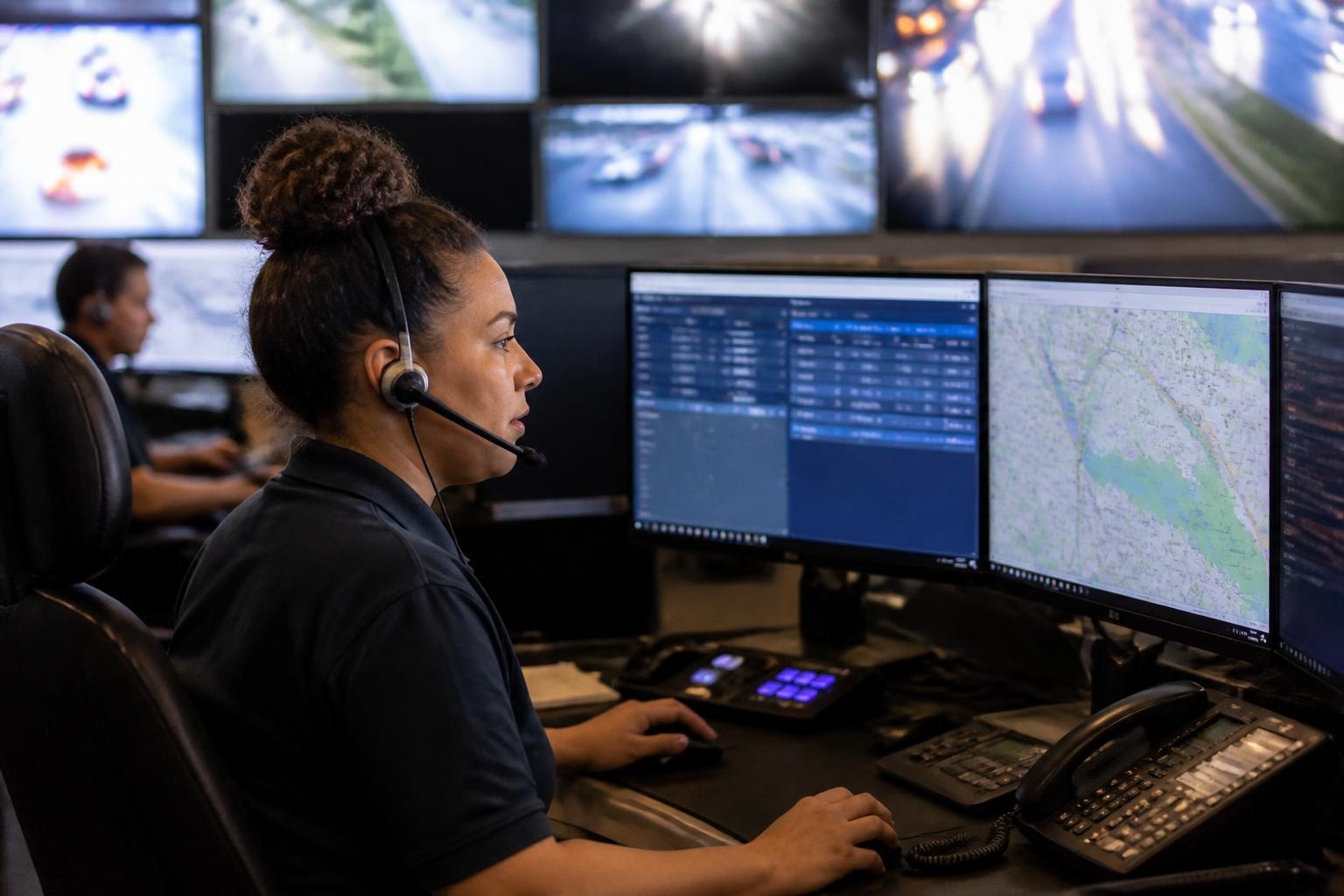
Dispatchers function as the intermediary between callers and first responders, translating chaotic, emotional pleas for help into actionable intelligence. This role demands exceptional multitasking abilities, as operators simultaneously gather information, provide pre-arrival instructions, and coordinate with field units. The modern dispatch center operates as a sophisticated command hub where technology and human expertise converge to manage emergencies across entire regions.
The Technology Infrastructure Behind Dispatch Centers
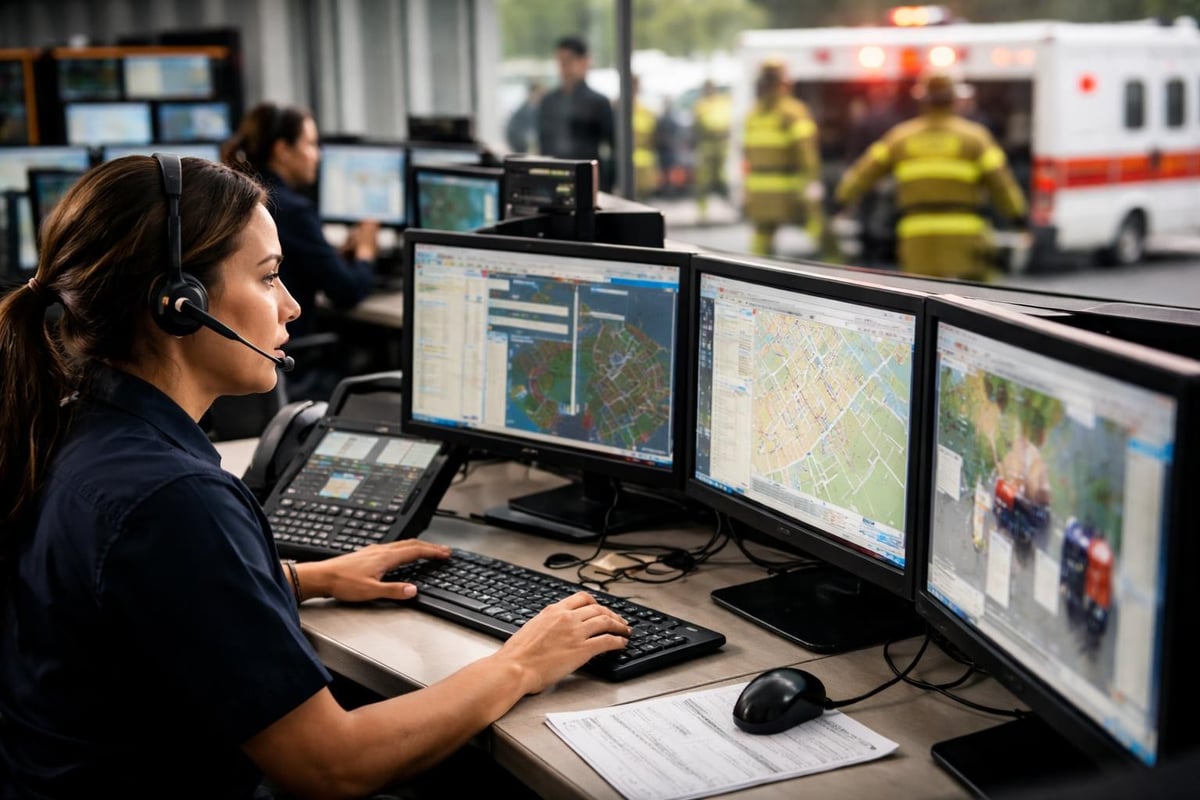
Modern dispatch for 911 operations relies on integrated technology systems that far exceed the simple telephone switchboards of decades past. Computer-aided dispatch (CAD) systems now form the backbone of most operations, automatically logging calls, tracking unit locations, and maintaining real-time status updates on all emergency resources.
Key technological components include:
- Geographic information systems (GIS) that provide precise location data
- Automatic vehicle location (AVL) tracking for emergency units
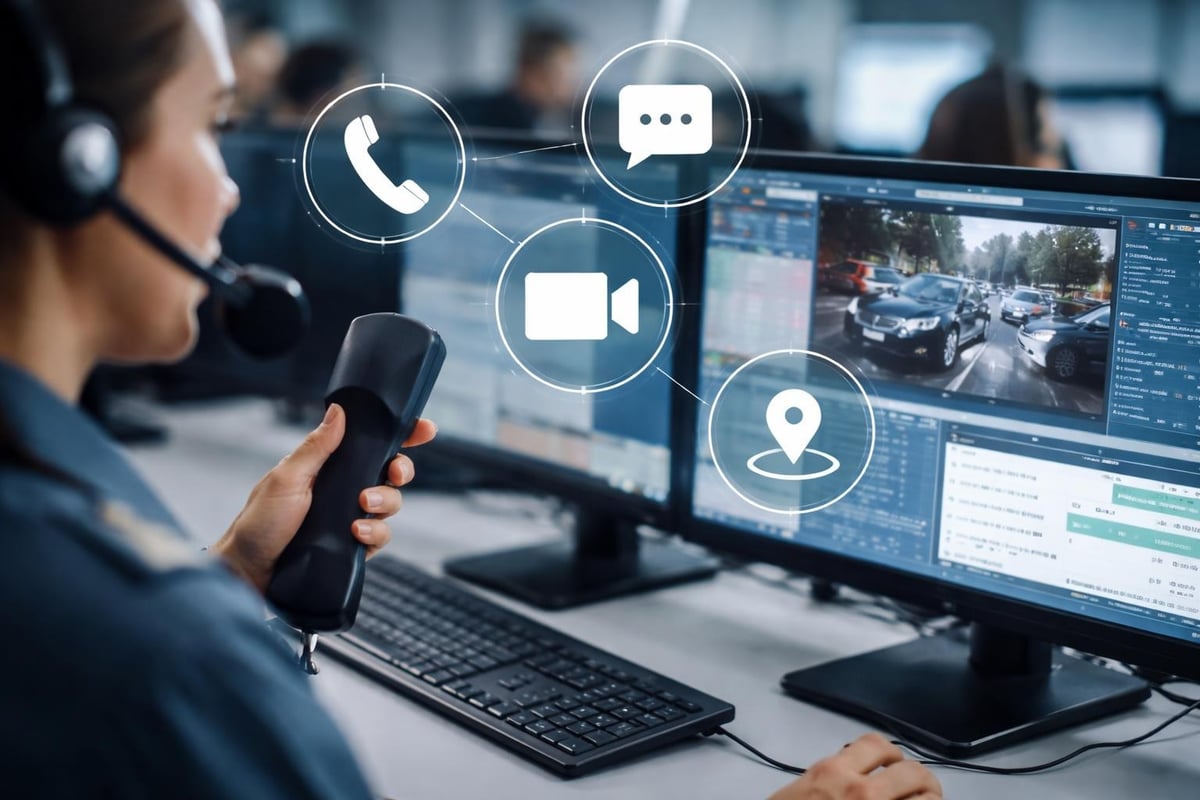
- Multi-channel communication platforms supporting voice, text, and video
- Database integrations with law enforcement, medical, and fire service records
- Quality assurance recording systems for training and accountability
The integration of these systems creates a seamless workflow that reduces response times and improves coordination. However, technology alone cannot overcome all challenges, particularly when language barriers prevent clear communication between callers and dispatchers.
Language Diversity: A Growing Challenge for Dispatch Operations
The United States continues to become more linguistically diverse, with over 350 languages spoken in homes across the country. For dispatch for 911 centers, this diversity presents both operational challenges and legal obligations. The inability to communicate effectively with non-English speakers can delay critical response times and compromise the quality of emergency care.
Federal regulations and many state laws require public safety agencies to provide language access services. Title VI of the Civil Rights Act mandates that federally funded programs, including most emergency services, ensure meaningful access for individuals with limited English proficiency. Failure to comply can result in legal liability and, more importantly, preventable tragedies.
Traditional solutions like telephone interpretation services introduce delays and complications in fast-paced emergency situations. When seconds count, waiting for a three-way connection to an interpreter can feel like an eternity. This reality has driven innovation in emergency translation technology designed specifically for public safety applications.
Breaking Down Communication Barriers
Modern dispatch for 911 systems increasingly incorporate real-time translation capabilities that eliminate delays associated with traditional interpretation. These platforms enable dispatchers to communicate instantly with callers in their native language, whether through translated text messages, video calls with interpreters, or even voice-to-voice translation.
The benefits extend beyond initial call-taking. Multilingual communication capabilities support the entire emergency response chain, from dispatcher to field responder. When paramedics arrive at a scene, they can access the same translation tools used during the initial call, ensuring continuity of care and accurate medical histories.
| Challenge | Traditional Approach | Modern Solution |
|---|---|---|
| Language barriers | Phone interpretation services | Real-time translation platforms |
| Response delays | Manual interpreter connection | Instant automated translation |
| Information accuracy | Multiple handoffs increase errors | Direct communication with translation overlay |
| Resource availability | Limited interpreter hours | 24/7 access to 185+ languages |
Training and Certification Requirements for Dispatchers
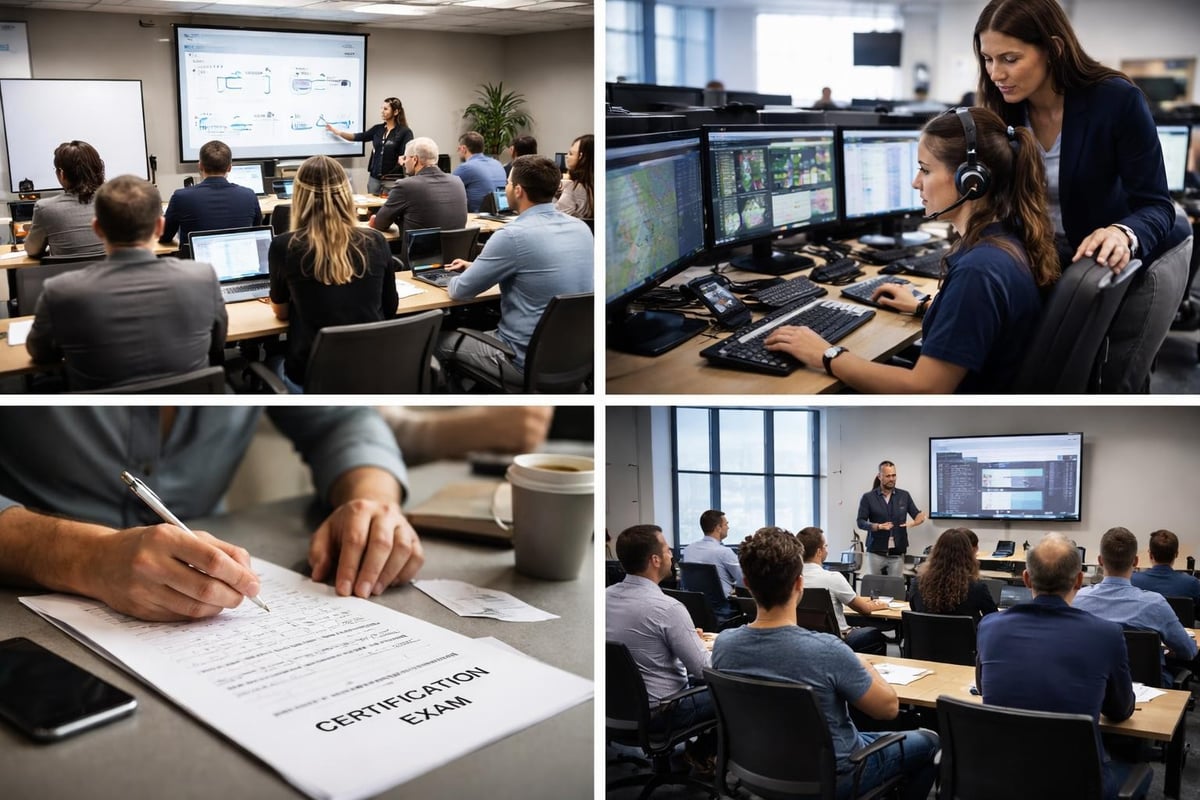
Becoming a qualified emergency dispatcher requires extensive training that combines classroom instruction, hands-on practice, and ongoing professional development. The comprehensive training program for 911 dispatchers in San Francisco exemplifies the rigorous preparation these professionals undergo before handling live emergency calls.
Most jurisdictions follow a multi-phase training approach that gradually increases responsibility. New dispatchers typically begin with weeks of classroom instruction covering legal requirements, protocols, geography, and technology systems. This foundation prepares them for supervised call-taking and dispatch duties, where they handle real emergencies under the guidance of experienced mentors.
Essential Skills and Competencies
The educational and skill requirements for becoming a 911 dispatcher extend far beyond basic communication abilities. Successful dispatchers demonstrate proficiency in crisis management, emotional regulation, and technical aptitude. They must think clearly under pressure while managing multiple simultaneous incidents.
Critical competencies include:
- Rapid information processing and prioritization
- Clear, calm communication during high-stress situations
- Mastery of multiple computer systems and databases
- Understanding of medical, fire, and law enforcement protocols
- Cultural sensitivity and adaptability when serving diverse populations
Certification programs vary by state and agency, but most require passing the Emergency Telecommunicator Course and obtaining credentials through organizations like the National Emergency Number Association (NENA) or the Association of Public-Safety Communications Officials (APCO). Many states mandate ongoing continuing education to maintain certification and keep skills current as technology and best practices evolve.
Standardized Protocols: The Framework for Consistent Response
The implementation of standardized call processing protocols in 911 dispatch centers has revolutionized emergency response consistency. These structured approaches ensure that every caller receives the same high-quality service regardless of which dispatcher answers or which shift is on duty.
Medical priority dispatch systems, fire service protocols, and law enforcement questioning models provide step-by-step guidance for information gathering and pre-arrival instructions. Dispatchers follow decision trees that help determine the appropriate response level and provide life-saving instructions while help is en route.
Dispatch for 911 protocols accomplish several critical objectives. They standardize information collection, ensuring dispatchers gather all essential details consistently. They guide appropriate resource allocation based on situation severity. They provide scripts for pre-arrival instructions, from CPR guidance to controlling bleeding. Perhaps most importantly, they reduce liability by ensuring agencies follow evidence-based best practices.
Adapting Protocols for Language Access
Traditional protocols assume effective verbal communication between dispatcher and caller. When language barriers exist, strict adherence to verbal scripts becomes impossible. This reality has necessitated the development of protocol adaptations that integrate text translation software and visual communication tools.
Modern dispatch for 911 systems now support protocol delivery across multiple communication channels. Text-to-911 capabilities allow dispatchers to follow standardized questioning through translated messages. Video connections enable visual assessment and demonstration of techniques when verbal instructions fail. These multimodal approaches ensure that language differences don't prevent protocol compliance.
Text-to-911 and Next-Generation Emergency Services
The transition from voice-only emergency services to text-enabled systems represents a fundamental shift in dispatch for 911 operations. Text-to-911 technology provides critical access for individuals who are deaf, hard of hearing, or speech impaired. It also serves people in situations where speaking aloud would create danger, such as domestic violence or active threat scenarios.
Text-to-911 offers distinct advantages:
- Creates a documented record of the emergency conversation
- Enables communication in environments where noise prevents voice calls
- Allows callers to share photos or videos of the emergency
- Facilitates communication with non-English speakers through translation
- Supports simultaneous communication with multiple callers during mass casualty events
The integration of translation capabilities with Text-to-911 creates powerful synergies. Dispatchers can communicate through translated text with callers who speak any of the supported languages, eliminating the need for telephone interpreters. This combination dramatically reduces response times while improving information accuracy.
Next-Generation 911 Infrastructure
Next-Generation 911 (NG911) represents the ongoing modernization of emergency communication infrastructure nationwide. Unlike legacy systems built on analog telephone networks, NG911 operates on digital, IP-based platforms that support multimedia communication and advanced data sharing.
NG911 systems enable dispatch for 911 centers to receive not just voice calls, but also text messages, photos, videos, and data from connected devices like telematics systems in vehicles. This wealth of information helps dispatchers assess situations more accurately and deploy appropriate resources more quickly.
The migration to NG911 also facilitates better integration with translation platforms. Digital communications can be automatically routed through translation engines, providing instant language support without manual intervention. This automation reduces cognitive load on dispatchers while ensuring consistent language access for all callers.
Quality Assurance and Performance Metrics
Effective dispatch for 911 operations require continuous monitoring and improvement. Quality assurance programs evaluate dispatcher performance, identify training needs, and ensure compliance with protocols and legal requirements. Most agencies record all emergency calls and regularly review them for coaching opportunities and policy adherence.
Key performance indicators (KPIs) provide objective measures of dispatch center effectiveness. Average answer time tracks how quickly calls are answered, with industry standards typically requiring 90% of calls answered within 10 seconds. Call processing time measures the duration from call answer to unit dispatch. Response time, though partially dependent on field units, often begins its measurement from the initial call.
| Metric | Industry Standard | Impact on Outcomes |
|---|---|---|
| Answer time | 90% in 10 seconds | Caller confidence and initial information gathering |
| Processing time | 60-90 seconds average | Speed of resource deployment |
| Protocol compliance | 95%+ adherence | Consistency and legal protection |
| Caller satisfaction | 85%+ positive ratings | Community trust and engagement |
| Language access availability | 100% of calls | Equity and legal compliance |
Quality assurance programs increasingly evaluate language access as a core performance dimension. Agencies track how often language barriers are encountered, which languages are most common, and how effectively translation tools resolve communication challenges. This data informs staffing decisions, training priorities, and technology investments.
Career Pathways and Professional Development
The profession of emergency dispatch offers multiple career advancement opportunities. Entry-level call-takers can progress to lead dispatcher roles, training coordinators, quality assurance specialists, or supervisory positions. Many experienced dispatchers transition into emergency management, communications technology, or public safety administration.
Resources like 911dispatcheredu.org provide comprehensive guidance on becoming a 911 dispatcher, including detailed information about training programs and certification requirements. State-specific resources, such as those for Ohio and Oklahoma, help aspiring dispatchers navigate local requirements.
Professional associations offer networking opportunities, continuing education, and advocacy for the profession. Organizations like NENA and APCO host annual conferences where dispatchers learn about emerging technologies, share best practices, and earn continuing education credits. These events increasingly feature sessions on language access, cultural competency, and communication technology innovation.
Addressing Burnout and Mental Health
Dispatch for 911 work carries significant psychological demands. Dispatchers regularly experience vicarious trauma from the emergencies they handle, often without the closure that field responders achieve by seeing outcomes. The pressure of knowing that mistakes can cost lives creates chronic stress that accumulates over time.
Progressive agencies now recognize mental health support as essential infrastructure, not optional wellness programming. Peer support teams, access to counseling services, and training in resilience techniques help dispatchers manage the emotional toll of their work. Creating a culture where seeking help is normalized rather than stigmatized improves retention and job satisfaction.
Integration with Field Operations and Other Agencies
Effective dispatch for 911 operations extend beyond the walls of the communications center. Dispatchers maintain constant coordination with field units, providing updates, running license checks, coordinating backup, and serving as a safety net for officers, firefighters, and paramedics in the field.
Modern CAD systems enable seamless information sharing between dispatch and field personnel. Mobile data terminals in emergency vehicles display call information, mapping data, and real-time updates. This connectivity ensures everyone operates from the same information, reducing confusion and improving tactical coordination.
Inter-agency coordination presents unique challenges, particularly in multi-jurisdiction incidents. Different agencies may use incompatible radio systems, divergent protocols, or separate CAD platforms. Dispatch centers increasingly serve as the hub that bridges these gaps, translating information across systems and ensuring unified command structures during major incidents.
The Future of Emergency Dispatch Technology
Emerging technologies promise to transform dispatch for 911 operations in coming years. Artificial intelligence applications may assist with call classification, language detection, and even predictive analytics that anticipate resource needs. Enhanced location services using smartphone sensors and building information systems will provide more accurate caller locations, particularly in large structures.
Integration with Internet of Things (IoT) devices could revolutionize emergency detection. Smoke detectors, security systems, medical monitors, and vehicle telematics might automatically alert dispatch centers to emergencies before anyone dials 911. This automation could significantly reduce response times for certain emergency types.
Anticipated technological advances include:
- AI-powered real-time call analysis and resource recommendation
- Augmented reality tools for providing visual guidance to callers
- Drone integration for rapid scene assessment and video intelligence
- Enhanced cybersecurity to protect critical infrastructure
- Improved interoperability standards for seamless multi-agency coordination
Language technology will continue advancing, with neural machine translation providing increasingly natural and accurate real-time interpretation. Video interpreter services may incorporate augmented reality overlays that display translated text directly in the dispatcher's field of view, creating a seamless multilingual experience.
Legal and Regulatory Considerations
Dispatch for 911 centers operate within a complex legal framework that governs liability, privacy, and operational standards. Good Samaritan laws in many states protect dispatchers who provide pre-arrival medical instructions in good faith. However, failure to follow established protocols or provide required language access can create liability exposure.
Federal Communications Commission (FCC) regulations govern technical standards for 911 systems, including location accuracy requirements and text-to-911 implementation timelines. The Americans with Disabilities Act (ADA) mandates accessibility for individuals with disabilities, including those who are deaf or hard of hearing. State and local regulations add additional layers of requirements.
Privacy regulations, particularly the Health Insurance Portability and Accountability Act (HIPAA), apply when dispatch centers access medical information or provide emergency medical dispatch services. Proper safeguards must protect sensitive information while ensuring necessary data sharing for emergency response.
Documentation and Record Retention
Comprehensive documentation serves both operational and legal purposes. Dispatch for 911 centers maintain detailed records of all calls, dispatches, and unit activities. These records support after-action reviews, performance evaluation, legal proceedings, and continuous improvement initiatives.
Record retention requirements vary by jurisdiction but typically mandate preservation of emergency call recordings and CAD data for several years. When translation services are used, documentation should include information about the language, translation method, and any communication challenges encountered. This thorough record-keeping protects agencies and ensures accountability.
Effective dispatch for 911 operations depend on skilled professionals, robust technology, and systems that ensure clear communication regardless of language barriers. As communities continue diversifying and technology evolves, public safety agencies must adapt their communication capabilities to serve all residents equitably. Convey911 provides comprehensive emergency communication and language translation software that enables dispatch centers to communicate effectively in over 185 languages through text, video, and voice, bridging communication gaps and enhancing response effectiveness when it matters most.
Article written using RankPill.