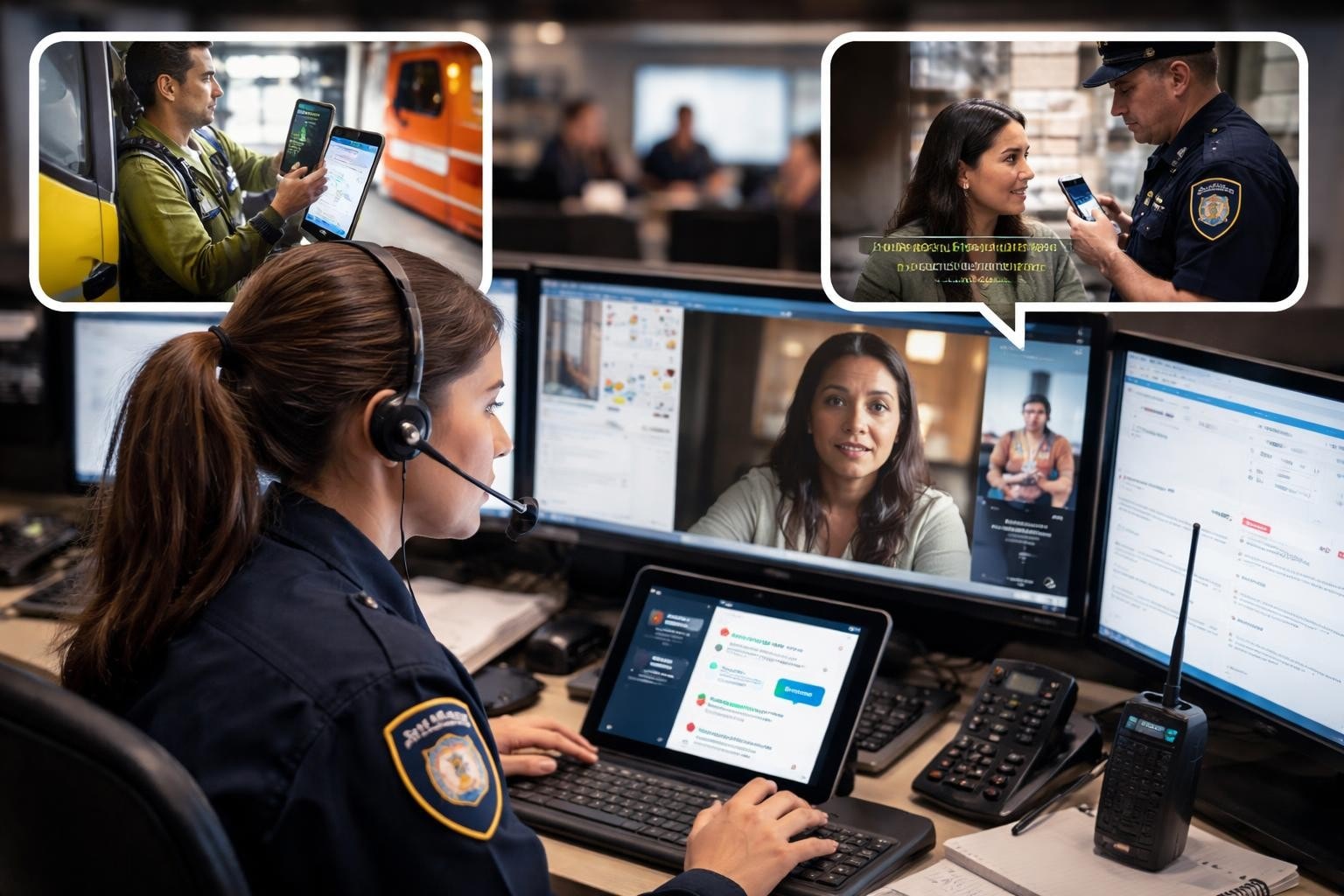

Language barriers in emergency situations can mean the difference between life and death. When a...
When language barriers threaten public safety, every second matters. An interpreter by phone service provides immediate access to professional language assistance without the delays of scheduling in-person interpreters. This technology has become essential for emergency services, healthcare providers, government agencies, and any organization serving diverse communities. As multilingual populations continue to grow across the United States, the ability to communicate instantly across language barriers can mean the difference between effective response and critical miscommunication.
Understanding Phone Interpretation Technology
An interpreter by phone connects callers with professional linguists through a simple telephonic interface. The technology operates through three-way calling systems, where the limited-English proficient (LEP) individual, the service provider, and the interpreter all participate in the same conversation. This modality differs significantly from video interpretation by focusing exclusively on audio communication, making it accessible from any phone without internet requirements.
Modern phone interpretation platforms integrate with existing communication systems, enabling rapid deployment during emergencies. Response times typically range from 30 seconds to two minutes, with urgent requests receiving priority routing. The telephone interpreting infrastructure has evolved substantially since its inception, now supporting sophisticated call management and quality assurance protocols.
Core Components of Phone Interpretation Systems
Phone interpretation services rely on several technical elements working in concert:
- Automated language selection through keypad input or voice recognition
- Interpreter databases with thousands of credentialed professionals available 24/7
- Call routing algorithms that match requests with qualified interpreters based on language pair and specialization
- Recording capabilities for quality assurance and compliance documentation
- Integration APIs that connect with computer-aided dispatch and case management systems
The interpreter by phone model excels in scenarios where immediate communication takes precedence over visual cues. Emergency dispatchers, patrol officers, healthcare intake staff, and social service workers rely on this technology when facing unexpected language barriers.
Applications in Emergency Services and Public Safety
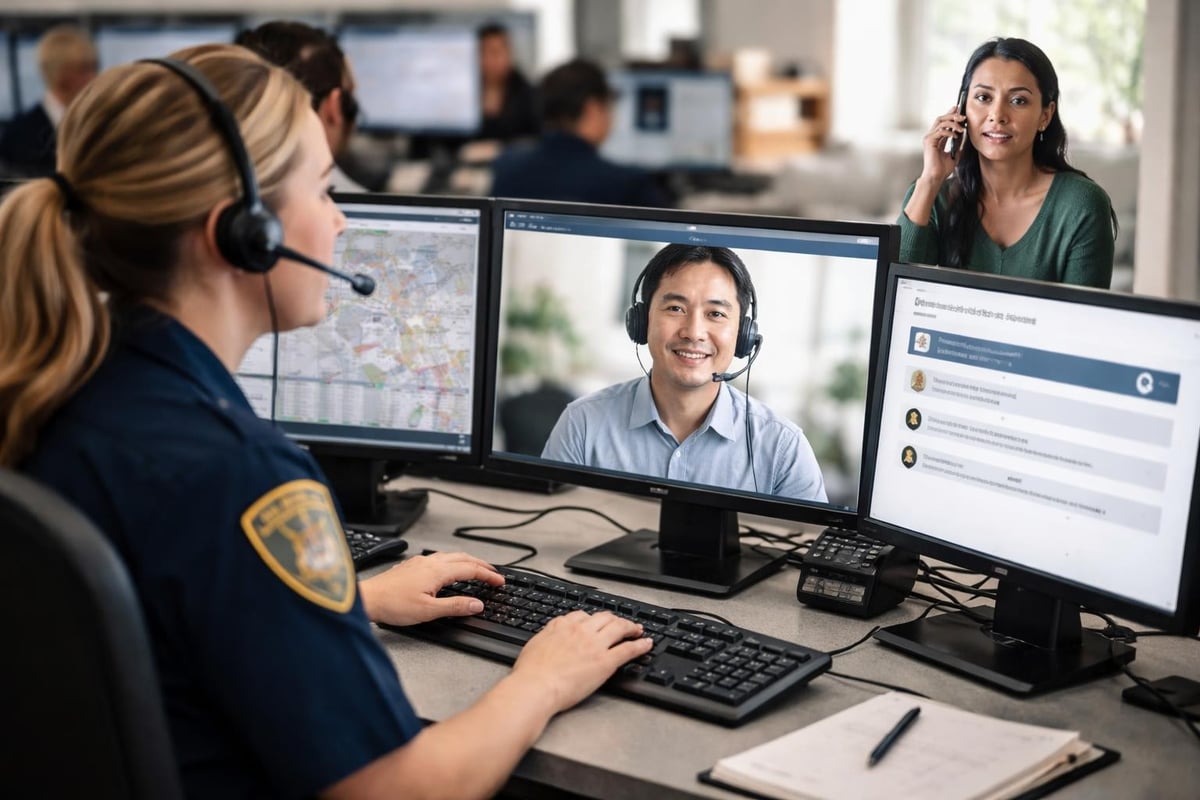
Public safety agencies face unique communication challenges when serving multilingual communities. The interpreter by phone solution addresses these challenges by providing instant access to professional interpretation during critical incidents. Emergency translation services must operate flawlessly under pressure, delivering accurate communication when lives hang in the balance.
911 Emergency Communications
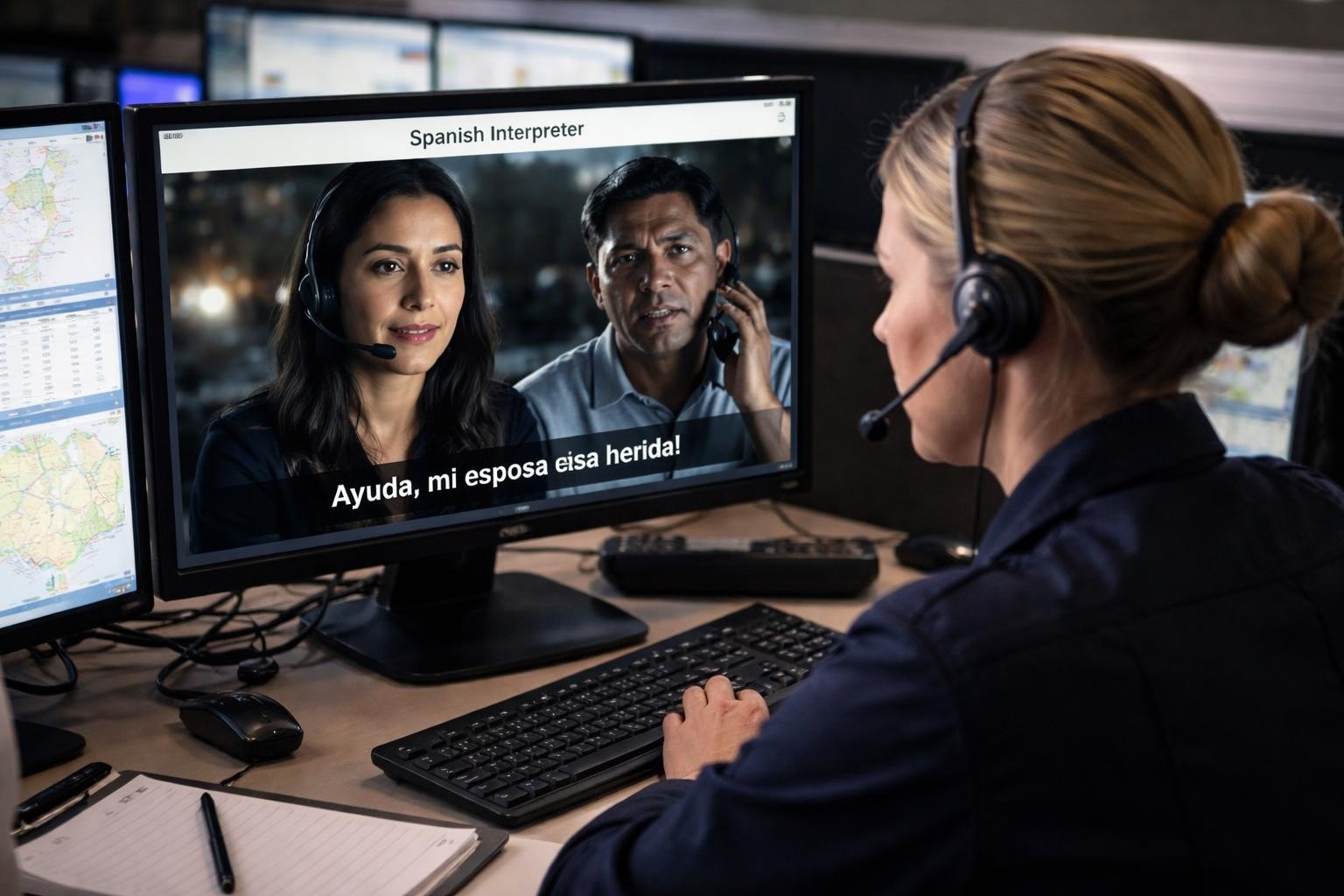
When non-English speakers dial 911, telecommunicators need immediate language assistance. Traditional approaches involving on-site interpreters or scheduling delays prove inadequate during emergencies. Phone interpretation enables dispatchers to:
- Identify the emergency nature within the first 30 seconds of the call
- Gather critical location information for first responder deployment
- Assess medical conditions or threat levels accurately
- Provide pre-arrival instructions in the caller's native language
- Maintain continuous communication until responders arrive on scene
The best practices for telephone interpreting emphasize the importance of testing equipment, speaking directly to the LEP individual rather than to the interpreter, and pausing frequently to allow for interpretation.
Field Operations and First Response
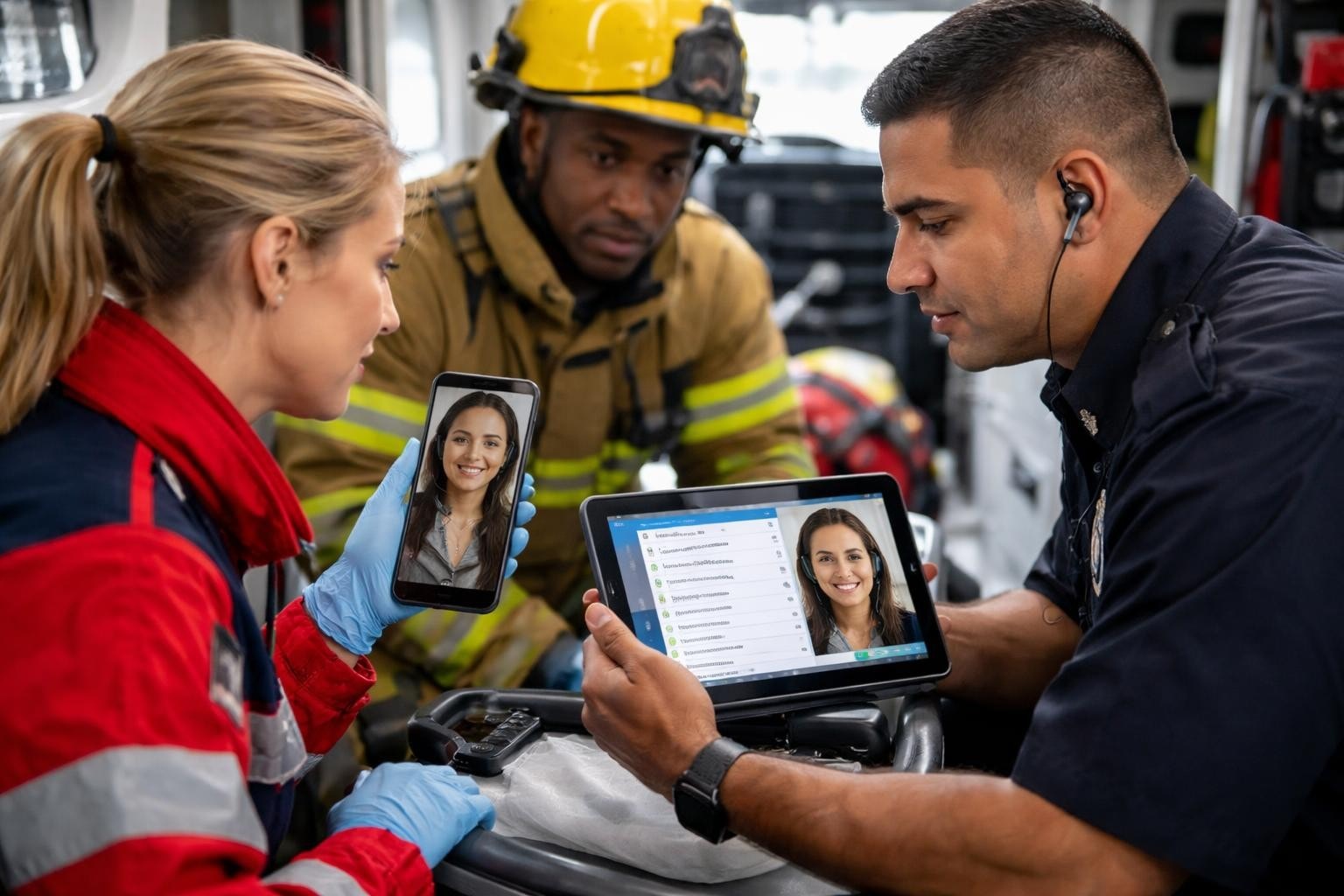
Law enforcement officers, firefighters, and paramedics regularly encounter language barriers in the field. An interpreter by phone service accessible through mobile devices or vehicle-mounted equipment transforms these challenging encounters. Officers can de-escalate situations, gather witness statements, and explain legal rights with professional interpretation assistance.
Emergency medical services particularly benefit from phone interpretation when assessing patient symptoms, obtaining medical histories, and securing treatment consent. The ability to communicate clearly about allergies, medications, and pre-existing conditions directly impacts patient outcomes and reduces liability risks.
| Application Area | Response Time Requirement | Language Coverage Needed | Integration Points |
|---|---|---|---|
| 911 Dispatch | Under 60 seconds | 100+ languages | CAD systems, radio |
| Field Response | 1-2 minutes | 50+ most common | Mobile apps, vehicle phones |
| Patient Care | Under 2 minutes | Medical terminology in 100+ | Electronic health records |
| Investigations | Non-urgent | Specialized dialects | Case management software |
Implementation Best Practices for Phone Interpretation
Successfully deploying an interpreter by phone program requires careful planning and staff training. Organizations must establish clear protocols that address when to use interpretation services, how to access them efficiently, and what communication techniques optimize accuracy.
Training Personnel on Effective Use
Even the most sophisticated phone interpretation technology fails without proper user training. Staff members need instruction on several critical aspects. They must learn to speak in short, simple sentences that allow interpreters to process and convey information accurately. Tips for working with interpreters over the phone highlight avoiding jargon, idioms, and rapid speech patterns that complicate interpretation.
Key training elements include:
- Introducing all parties at the call's beginning
- Addressing the LEP individual directly using first and second person
- Pausing after every one or two sentences for interpretation
- Avoiding simultaneous speech that confuses audio channels
- Confirming understanding through ask-back techniques
Personnel should also understand cultural considerations that impact communication effectiveness. Different cultures approach emergency situations, authority figures, and personal information sharing differently. Professional interpreters provide not just linguistic conversion but cultural mediation that prevents misunderstandings.
Quality Assurance and Compliance
Regulatory requirements increasingly mandate language access services across healthcare, law enforcement, and social services. The interpreter services program guidelines establish standards that organizations must meet to ensure equal access for LEP populations.
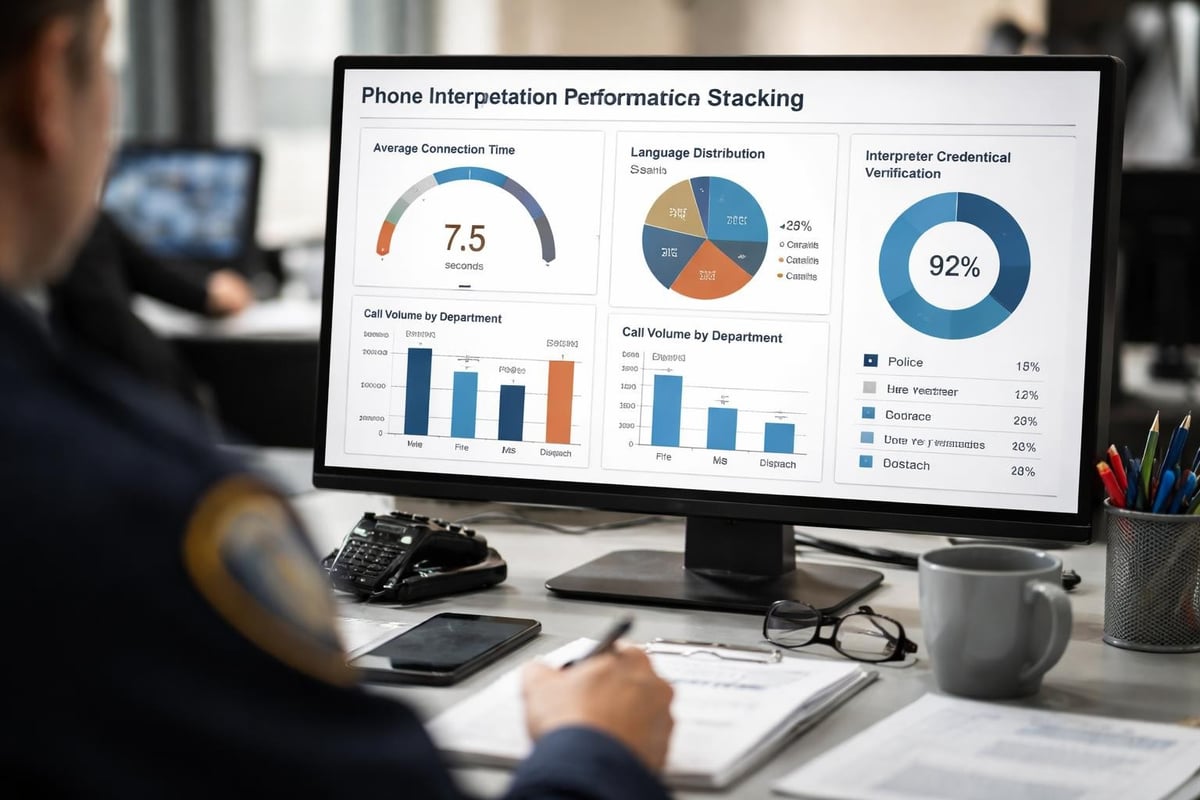
Quality assurance programs for phone interpretation services should monitor:
- Average connection times to ensure rapid access
- Interpreter credentialing and continuing education compliance
- Call recordings for accuracy and protocol adherence
- User satisfaction surveys from both staff and LEP individuals
- Language coverage meeting community demographic needs
Documentation practices prove essential for both quality improvement and legal compliance. Organizations should maintain records of interpretation requests, languages served, call durations, and any communication challenges encountered.
Technology Integration and System Architecture
Modern interpreter by phone solutions integrate seamlessly with existing communication infrastructure. The most effective implementations connect with multiple touchpoints across an organization's technology ecosystem, creating a unified communication platform that serves both English and non-English speaking populations equally.
Integration with Emergency Communication Systems
Computer-aided dispatch systems represent the primary integration point for public safety agencies. When a 911 call requires interpretation, the system should automatically log the language, connect to interpretation services, and document all translated information within the incident record. This two-way translation capability ensures nothing gets lost between the initial call and final documentation.
Advanced platforms extend beyond basic three-way calling. They incorporate:
- Automatic language identification using speech analytics
- Preferred interpreter routing based on previous successful interactions
- Multi-channel support allowing seamless transitions between phone, text, and video
- Real-time translation of written communications alongside voice interpretation
- Analytics dashboards tracking language access metrics for compliance reporting
The architecture supporting these capabilities requires robust cloud infrastructure capable of handling simultaneous calls across hundreds of language pairs. Redundancy and failover systems ensure service availability even during major incidents when demand spikes dramatically.
Mobile and Field Deployment Solutions
Field personnel require different implementation approaches than dispatch center staff. Mobile applications designed for smartphones and tablets provide one-button access to interpreter by phone services. These apps integrate with the device's native calling functions while adding specialized features like:
- GPS location sharing with interpretation logs
- Photograph and document sharing during calls
- Offline language phrase libraries for basic communication
- Incident-specific interpretation modes (traffic stop, medical emergency, fire scene)
- Automatic reporting to supervisory staff when interpretation services activate
Ruggedized communication devices installed in emergency vehicles offer another deployment model. These systems tie directly into vehicle computers and radio systems, enabling hands-free interpretation during transport or while managing scene operations. Emergency communication technology continues advancing to meet the complex demands of multilingual public safety.
Cost Considerations and Return on Investment
Implementing an interpreter by phone program requires budget allocation, but the investment delivers measurable returns through improved service delivery, reduced liability exposure, and enhanced community trust. Organizations must evaluate both direct costs and the broader financial implications of language access programs.
Pricing Models and Service Structures
Phone interpretation services typically offer several pricing structures:
| Pricing Model | Best For | Typical Cost Range | Commitment Level |
|---|---|---|---|
| Per-minute billing | Low-volume users | $1.50-$3.50/minute | None |
| Monthly subscription | Moderate volume | $200-$1,000/month | 12 months |
| Unlimited plans | High-volume agencies | $2,000-$10,000/month | Annual contract |
| Hybrid models | Variable demand | Custom pricing | Flexible terms |
Many providers offer 24/7 availability across their language catalogs, though some charge premium rates for rare languages or after-hours access. Organizations should analyze their historical language access data to determine which pricing model optimizes cost efficiency.
The interpreter by phone approach generally costs significantly less than maintaining in-house interpretation staff or contracting for on-site interpreters. Per-incident costs for phone interpretation typically range from $10-$30, while in-person interpretation often exceeds $150-$300 per incident when factoring in travel time and minimum hour requirements.
Measuring Program Value
Beyond direct cost savings, phone interpretation programs generate value through multiple channels. Reduced legal liability emerges as a primary benefit, as proper language access decreases discrimination complaints and consent-related litigation. Federal civil rights laws mandate meaningful access for LEP individuals, and phone interpretation provides documented compliance.
Community relations improve when residents can communicate with public safety agencies in their preferred languages. This trust encourages reporting of crimes, cooperation with investigations, and participation in public safety programs. The language access capabilities that phone interpretation enables strengthen the relationship between agencies and the communities they serve.
Operational efficiency gains also contribute to ROI. Calls resolved on first contact without language-related callbacks reduce workload. Accurate information gathering prevents misrouted responses and duplicated efforts. Emergency medical outcomes improve when paramedics obtain accurate patient histories, potentially reducing hospital readmission rates and associated costs.
Selecting a Phone Interpretation Provider
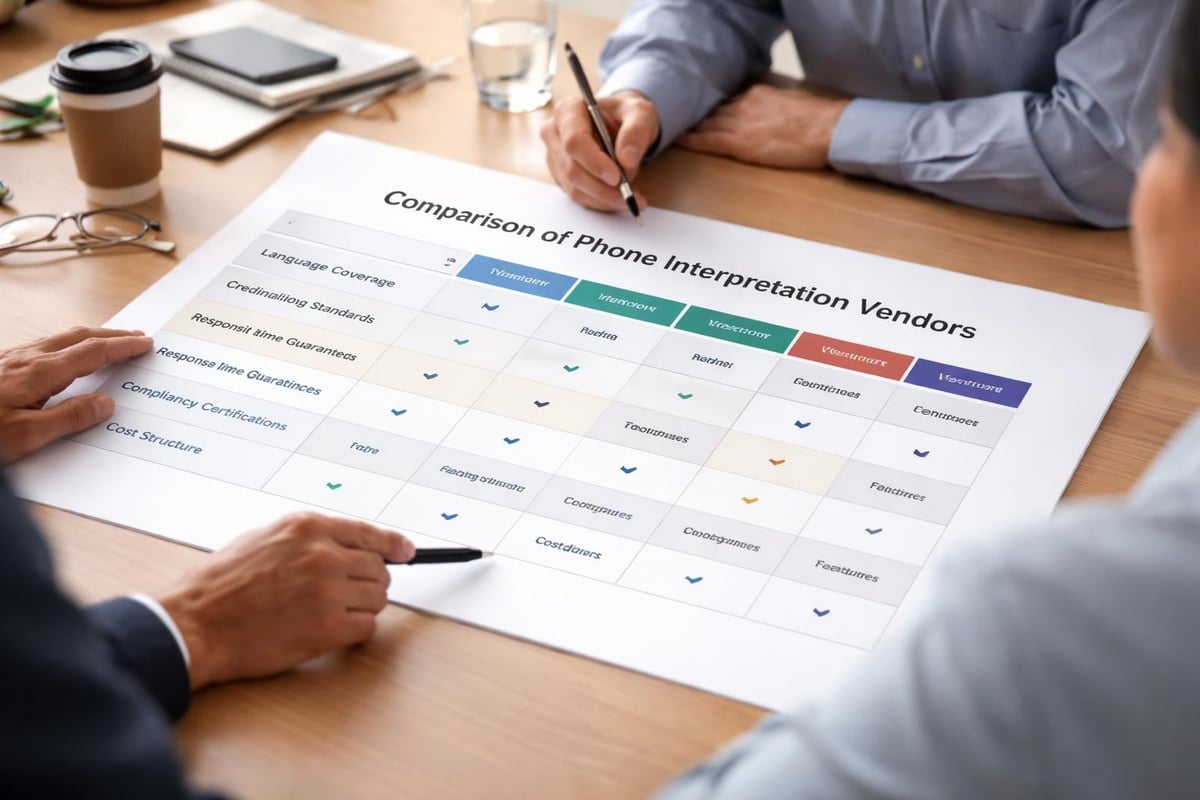
Choosing the right interpreter by phone service requires evaluating multiple factors beyond price. The provider's language coverage, interpreter qualifications, technology reliability, and industry expertise all impact program success. Public safety agencies face unique requirements that not all general interpretation services adequately address.
Critical Evaluation Criteria
Prospective providers should demonstrate capabilities in several essential areas. Language breadth matters tremendously, particularly for agencies serving highly diverse communities. While most providers offer common languages like Spanish, Mandarin, and Vietnamese, coverage of less common languages and rare dialects separates exceptional services from basic offerings. The interpreter services availability should match community demographics with appropriate depth.
Response time guarantees merit close scrutiny. Providers should commit to specific connection timeframes for different priority levels. Emergency requests might guarantee 30-second connections, while routine business could allow two-minute windows. These commitments should appear in service level agreements with financial penalties for non-performance.
- Interpreter credentials and vetting processes
- Industry-specific training programs for interpreters
- Technical infrastructure reliability and redundancy
- HIPAA and CJIS compliance for sensitive communications
- Customer support responsiveness and problem resolution
- Reporting and analytics capabilities
- Integration options with existing systems
References from similar organizations provide valuable insights into real-world performance. Agencies should speak with current clients about connection reliability during high-demand periods, interpreter knowledge of emergency terminology, and the provider's responsiveness to concerns.
Specialized Emergency Services Providers
Generic interpretation services may lack the specialized training and protocols essential for emergency communications. Providers focused on public safety understand the unique demands of 911 calls, officer safety communications, and emergency medical consultations. Their interpreters receive training in emergency terminology, stress-call management, and the critical nature of accuracy during life-threatening situations.
Video interpreter services from the same provider create a comprehensive communication platform. Some situations benefit from visual communication even when phone interpretation handles the majority of needs. Selecting a provider offering multiple modalities through a unified platform simplifies procurement and creates consistency across different use cases.
Platforms designed specifically for emergency services integrate with existing public safety infrastructure more seamlessly than general business solutions. They understand CAD systems, radio interoperability requirements, and the regulatory environment governing emergency communications.
Regulatory Compliance and Legal Requirements
Federal, state, and local laws establish language access obligations for various organizations, particularly those receiving government funding or providing essential public services. Understanding these requirements ensures phone interpretation programs meet legal standards while protecting organizations from liability exposure.
Federal Legal Framework
Title VI of the Civil Rights Act of 1964 prohibits discrimination based on national origin, which courts have interpreted to include language-based discrimination. Agencies receiving federal financial assistance must take reasonable steps to provide meaningful access for LEP individuals. The interpreter by phone model represents one reasonable step that satisfies many compliance requirements when properly implemented.
The Americans with Disabilities Act also intersects with language access, requiring effective communication with individuals who have disabilities. While primarily focused on deaf and hard-of-hearing populations, ADA principles extend to ensuring LEP individuals with disabilities receive appropriate accommodations.
Compliance elements for phone interpretation programs:
- Conducting community language needs assessments
- Developing written language access plans
- Providing timely notice of free interpretation services
- Training staff on accessing and using interpretation
- Monitoring and updating language access procedures
- Documenting interpretation service usage
The best practices for court telephonic interpreting establish standards applicable beyond judicial settings. These principles emphasize credentialed interpreters, clear protocols, and ongoing quality assurance.
State and Local Requirements
Many states and localities impose additional language access obligations beyond federal minimums. California, New York, and Washington have particularly comprehensive requirements governing public safety agencies, healthcare providers, and social services organizations. These regulations may specify:
- Minimum language coverage thresholds
- Interpreter certification requirements
- Response time standards for different service categories
- Documentation and reporting obligations
- Language identification protocol mandates
Organizations operating across multiple jurisdictions must ensure their interpreter by phone programs comply with the most stringent applicable requirements. Providers with multi-state experience can help navigate varying regulatory landscapes and maintain consistent service quality across different locations.
Future Trends in Phone Interpretation Technology
The landscape of language access continues evolving as technology advances and demographic shifts accelerate. Understanding emerging trends helps organizations future-proof their interpreter by phone investments and prepare for next-generation communication capabilities.
Artificial Intelligence and Automated Translation
Machine translation technology has improved dramatically, raising questions about its role in interpretation services. Current AI translation handles basic informational exchanges reasonably well but struggles with complex, nuanced, or high-stakes communication. Emergency services require the accuracy and cultural competency that only professional human interpreters reliably provide.
The most promising applications combine human expertise with AI assistance. Technology can handle language identification, interpreter routing, and post-call transcription while human interpreters manage the actual communication. This hybrid approach leverages automation's speed and efficiency while preserving the judgment and accuracy humans provide.
Translation and communication technologies increasingly incorporate AI features that enhance rather than replace human interpretation. Real-time terminology suggestions, quality checking algorithms, and automated documentation tools support interpreters without removing their essential role.
Multi-Modal Integration Platforms
The distinction between phone, video, and text interpretation continues blurring as platforms integrate all modalities. Users increasingly expect seamless transitions based on situational needs. A call might begin as voice interpretation but transition to video when visual information becomes necessary, then incorporate text translation for document review.
These unified platforms recognize that different communication scenarios require different approaches. The flexibility to switch modalities during a single interaction optimizes both efficiency and effectiveness. Organizations benefit from consolidated vendor relationships, simplified training, and consistent service quality across channels.
Enhanced Analytics and Predictive Capabilities
Modern phone interpretation platforms generate vast amounts of data about language access patterns, service utilization, and communication outcomes. Advanced analytics transform this data into actionable insights. Agencies can identify emerging language communities, optimize staffing based on demand patterns, and allocate resources more effectively.
Predictive algorithms may eventually anticipate interpretation needs based on incident types, locations, and temporal patterns. This intelligence could enable proactive interpreter staging during major events or pre-positioning language resources in anticipation of demand spikes.
The technology translation landscape continues advancing rapidly, with innovations emerging regularly. Organizations should select providers demonstrating commitment to ongoing platform development and technology investment.
Training Programs and Staff Development
Even the most sophisticated interpreter by phone technology delivers value only when users employ it effectively. Comprehensive training programs ensure staff members understand when to request interpretation, how to communicate through interpreters, and what techniques optimize accuracy and efficiency.
Initial Onboarding and Skill Development
New employee orientation should include language access training as a core competency. Personnel need to understand the organization's language access obligations, available resources, and proper usage protocols. Hands-on practice with the phone interpretation system during training builds confidence and familiarity.
Training modules should address:
- Legal and ethical obligations for providing language access
- System access procedures including login credentials and activation codes
- Effective communication techniques specific to interpreted conversations
- Cultural competency basics for respectful cross-cultural interaction
- Scenario-based practice using realistic situations employees will encounter
Role-playing exercises where trainees practice using an interpreter by phone service with colleagues simulating LEP individuals prove particularly valuable. These exercises reveal common mistakes like speaking too quickly, using complex terminology, or addressing the interpreter instead of the LEP individual.
Ongoing Professional Development
Initial training establishes foundational skills, but ongoing development maintains and enhances competency. Regular refresher sessions reinforce best practices and address common challenges identified through quality assurance monitoring. These sessions can showcase positive examples from recorded calls and discuss improvement opportunities.
Advanced training for supervisory staff should cover program administration, quality assurance methodologies, and data analysis for continuous improvement. Supervisors need skills to evaluate interpretation calls, provide constructive feedback, and identify systemic issues requiring protocol adjustments.
| Training Component | Frequency | Duration | Delivery Method | Target Audience |
|---|---|---|---|---|
| Initial orientation | Upon hire | 2 hours | In-person/virtual | All staff |
| Refresher training | Annually | 1 hour | Online module | All staff |
| Advanced protocols | Quarterly | 2 hours | In-person | Supervisors |
| Scenario workshops | Semi-annually | 3 hours | In-person | Field personnel |
Cross-training between departments helps share best practices and build organizational consistency. Dispatchers can learn from field personnel about practical challenges, while patrol officers benefit from understanding dispatch center language access procedures.
Measuring Success and Program Optimization
Implementing an interpreter by phone program represents an ongoing commitment rather than a one-time project. Organizations must continuously monitor performance, gather feedback, and refine protocols to maximize effectiveness and value.
Key Performance Indicators
Effective measurement requires tracking both quantitative metrics and qualitative outcomes. Connection time stands as perhaps the most critical metric, measuring elapsed time from interpretation request to interpreter connection. This metric should trend toward organizational targets, with separate standards for emergency and non-emergency requests.
Language utilization data reveals which languages the organization serves most frequently and whether coverage matches community demographics. Significant disparities might indicate outreach opportunities or the need for expanded language resources. Tracking language trends over time identifies emerging communities requiring attention.
Additional valuable metrics include:
- Average call duration by language and department
- Repeat call rates indicating failed first-contact resolution
- User satisfaction scores from staff and LEP individuals
- Cost per interaction and monthly program expenditure
- Interpreter performance ratings and quality scores
- Technical issues and system downtime incidents
These data points should inform regular program reviews involving stakeholders from multiple departments. Cross-functional teams bring diverse perspectives that identify improvement opportunities and ensure the program serves organizational needs comprehensively.
Continuous Improvement Processes
Quality assurance extends beyond metrics to include systematic call review and analysis. Supervisors should regularly listen to recorded interpretation calls, evaluating both staff performance and interpreter quality. This review identifies training needs, protocol gaps, and commendation opportunities.
Feedback mechanisms for both staff and LEP individuals provide qualitative insights that numbers alone cannot capture. Brief surveys following interpretation calls gather perceptions about communication clarity, interpreter professionalism, and overall satisfaction. Response patterns highlighting recurring concerns trigger focused improvement initiatives.
Over-the-phone interpretation programs benefit from regular benchmarking against industry standards and peer organizations. Professional associations and regulatory agencies often publish performance benchmarks that enable comparative analysis and goal-setting.
Protocol updates should occur regularly based on lessons learned, technology improvements, and regulatory changes. Documentation should reflect current best practices, and staff should receive notification of significant changes through targeted communications and training updates.
Phone interpretation technology has revolutionized language access for public safety agencies, healthcare providers, and organizations serving diverse communities. By implementing robust programs with proper training, quality assurance, and continuous improvement processes, organizations can ensure effective communication across language barriers. Convey911 provides comprehensive emergency communication and language translation solutions supporting over 185 languages through integrated text, video, and voice platforms, enabling public safety agencies to serve all community members effectively during critical moments when clear communication saves lives.