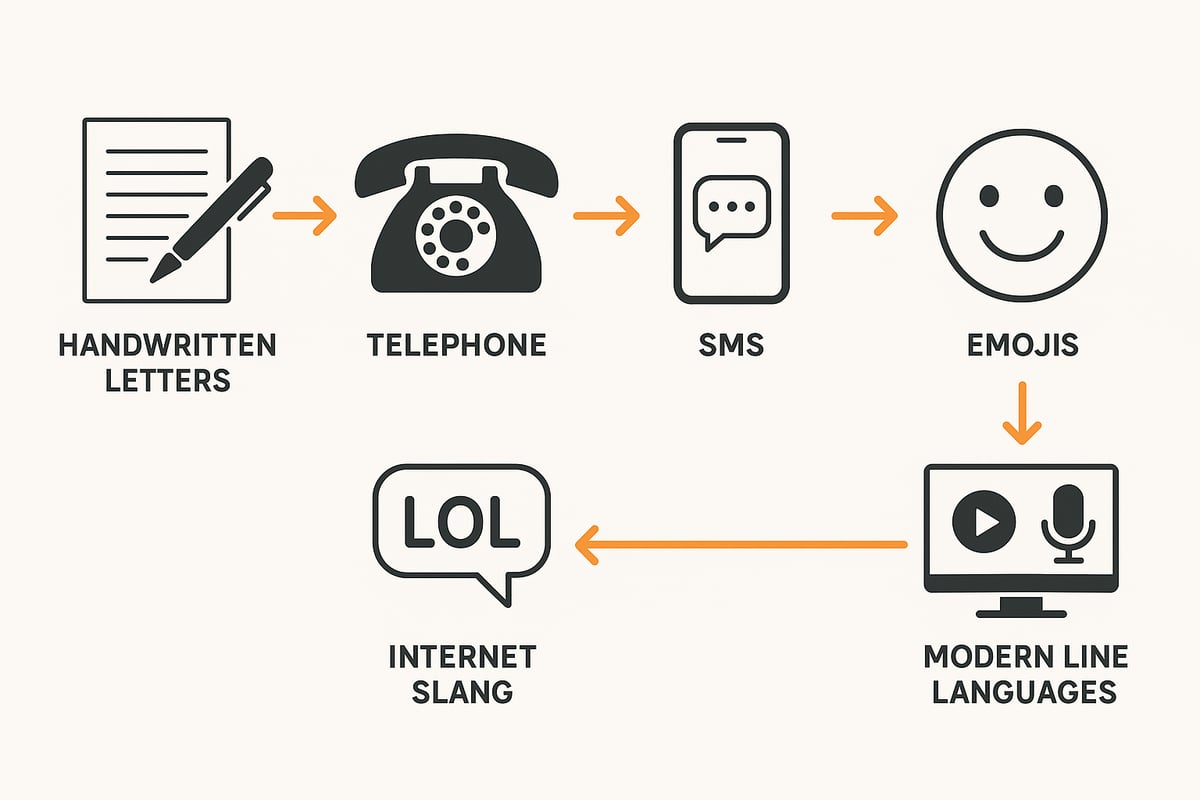


Emergency situations demand clear, immediate communication. When language barriers exist between...
In a world where change is accelerating and borders are fading, multilingual skills have become a cornerstone of success. As we approach 2026, the ability to communicate in multiple languages is no longer just an advantage—it is a necessity.
Global interconnectedness is reshaping how we work, travel, and collaborate. The demand for strategic language learning is skyrocketing across business, technology, and international relations. This article explores the top 6 languages for the future, revealing which ones will unlock the greatest opportunities for learners.
Are you ready to seize new possibilities? Discover which of these languages for the future aligns with your professional ambitions, travel dreams, or personal growth. The path to global relevance starts here.
Why Learning a New Language is Essential for the Future
In a rapidly evolving world, mastering languages for the future is no longer just an academic pursuit—it is a strategic necessity. As global connections deepen, the ability to communicate across borders offers a vital edge. Whether you want to advance your career, travel broadly, or engage in international collaboration, learning new languages for the future will be a defining advantage.

The Globalization of Work and Communication
Remote work and international teams are now standard in many industries. Companies increasingly seek candidates with languages for the future on their resumes. According to recent studies, cross-border business is expanding at record rates, with 58% of employers valuing multilingualism as a top asset.
For example, global brands like Google and Amazon often prioritize multilingual applicants for roles in sales, marketing, and customer support. This trend highlights why investing in languages for the future is a smart move for anyone looking to join or advance in the global workforce. In fact, the importance of multilingualism in the global workforce is recognized as a key driver of cultural understanding and business success.
The Role of Language in Technology and Innovation
Technology is transforming the way we communicate, but human language skills remain irreplaceable. Leading tech economies such as China, India, and Europe are shaping trends in languages for the future. AI and translation tools make cross-lingual communication easier, yet professionals fluent in critical languages are still in high demand.
Industries like software development, engineering, and cybersecurity often require team members to collaborate with partners worldwide. While machines can translate, nuanced understanding and cultural context come from real people skilled in languages for the future. This intersection of technology and language is opening new opportunities in STEM and beyond.
Cultural Intelligence and Personal Growth
Learning languages for the future offers more than just professional benefits. It fosters cultural intelligence, adaptability, and empathy. Research shows that multilingual individuals are better at problem-solving and critical thinking.
Experiencing another culture through its language opens doors to authentic connections and personal transformation. Programs such as student exchanges and international volunteering demonstrate how mastering languages for the future can build global citizenship and lifelong friendships.
Economic and Career Advantages
Languages for the future are powerful tools for economic mobility. Multilingual professionals often earn higher salaries and access a broader range of job opportunities. Data from international job markets confirm that speaking more than one language can boost earning potential by up to 20%.
In competitive fields like finance, healthcare, and diplomacy, language skills set candidates apart. As more businesses operate globally, those who invest in languages for the future position themselves at the forefront of economic and career advancement.
Criteria for Selecting the Top Languages for 2026
Choosing the right languages for the future requires a careful look at global trends. Not all languages offer equal opportunities, so it is essential to use clear criteria when evaluating which ones will matter most in 2026.

Economic Influence and Global Reach
A key factor in determining the top languages for the future is economic power. Countries with high GDP, robust trade networks, and large populations drive demand for their native languages. For example, Mandarin has grown in importance as China has expanded its global economic reach. Many businesses now seek employees who can speak languages tied to major economies.
A recent study from the World Economic Forum highlights how multilingualism can boost exports, increase salaries, and foster innovation. You can learn more about these economic benefits of multilingualism. By prioritizing economically influential languages for the future, learners gain a competitive edge.
Demographic Trends and Population Growth
Population dynamics also shape the landscape of languages for the future. Languages spoken by rapidly growing populations, especially in emerging markets, are likely to gain influence. According to UN and Ethnologue data, Hindi is a prime example, as India's population growth continues to outpace other nations.
When assessing languages for the future, it is important to consider both the number of native speakers and the global spread of the language. Languages with expanding communities are more likely to create new opportunities in business, education, and culture.
Technological and Scientific Leadership
Another essential criterion for identifying languages for the future is their role in technology and scientific research. Languages commonly used in STEM fields, academic publishing, and patent filings hold significant value. For instance, English, Mandarin, and German are often found at the forefront of innovation and global knowledge exchange.
Choosing languages for the future with strong ties to technology and research can open doors to careers in science, engineering, and digital industries. This focus ensures that language learners remain adaptable and relevant as industries evolve.
The Top 6 Languages for the Future to Learn in 2026
As we look ahead, mastering the right languages for the future can unlock unprecedented access to global opportunities. The following six languages have been selected based on their impact in business, technology, travel, and international relations. By investing in these languages for the future, learners position themselves to thrive in an interconnected, rapidly evolving world.

Spanish
Spanish is one of the most influential languages for the future, with over 500 million speakers across more than 20 countries. It is the official language in much of Latin America and Spain, and it is the second most spoken language in the United States. For anyone considering which languages for the future to prioritize, Spanish stands out for its global reach and growing demand.
In the United States, bilingual professionals fluent in Spanish have a competitive edge, especially in healthcare, business, and education. According to the U.S. Census Bureau and Instituto Cervantes, demand for Spanish-speaking employees continues to rise. In fact, Spanish proficiency often leads to a salary premium and opens doors in sectors like international trade and hospitality.
Spanish is also relatively accessible for English speakers due to shared Latin roots and familiar grammar structures. The ease of acquiring Spanish compared to other languages for the future makes it an appealing choice for learners seeking quick results and broad utility.
Beyond business, Spanish dominates much of global pop culture, music, and digital media. This cultural presence enhances travel experiences throughout the Americas and Europe. For more insights on the benefits of Spanish proficiency, see this article on Spanish language interpreter benefits.
Mandarin Chinese
Mandarin Chinese is the most spoken first language in the world, with over 1.1 billion native speakers. As the official language of China, Taiwan, and Singapore, it is central to global commerce and diplomacy. For those evaluating languages for the future, Mandarin’s economic and technological influence is undeniable.
China’s rapid economic expansion has positioned Mandarin as a key language in international business, finance, and technology. Multinational corporations actively seek Mandarin-speaking staff to navigate Asia-Pacific markets and manage complex global supply chains. Many educational institutions now offer robust Mandarin programs, reflecting its strategic value.
Learning Mandarin presents challenges, such as mastering tonal pronunciation and a character-based writing system. However, the investment pays off. Mandarin is a vital tool for building relationships with one of the world’s largest economies and accessing opportunities in trade, technology, and international relations.
Mandarin’s digital and cultural footprint is also expanding, with Chinese media, apps, and entertainment reaching global audiences. For professionals and students, Mandarin remains a top contender among languages for the future.
French
French is an official language in 29 countries, spanning five continents. With over 300 million speakers, it is a cornerstone within international organizations such as the United Nations, the European Union, and the Olympic Committee. This makes French one of the most versatile languages for the future.
Africa is at the heart of French’s growth story. As populations rise across West and Central Africa, the number of French speakers is projected to increase dramatically. This demographic shift enhances French’s relevance for accessing emerging markets and investment opportunities.
French is essential for careers in diplomacy, international law, humanitarian work, and NGOs. It is also a prominent language in science, fashion, and the arts. Many global companies value French proficiency for cross-border collaboration and client relations.
For English speakers, French offers moderate difficulty but abundant learning resources. Its widespread use in academic publishing and technology further cements its place among the leading languages for the future.
Hindi
Hindi is spoken by more than 600 million people, making it one of the fastest-growing languages for the future. As the official language of India, Hindi is pivotal for anyone seeking to engage with the world’s most populous country and its rapidly expanding economy.
India’s influence in global technology, IT services, and media is accelerating. Many international companies are establishing operations in India and actively seek professionals who can communicate in Hindi. This is particularly true in tech, customer service, and outsourcing sectors.
Hindi’s role in Bollywood and digital content means it is also central to global pop culture. For learners, Hindi’s script and pronunciation present a moderate challenge, but the language’s relevance in international collaboration and innovation is rapidly increasing.
As India’s middle class grows and its markets open further, Hindi’s significance among languages for the future will only continue to rise. Professionals with Hindi proficiency gain access to a wide array of opportunities in business, technology, and cultural exchange.
Arabic
Arabic is spoken by over 400 million people in the Middle East and North Africa. As the official language in 22 countries and one of the United Nations’ six official languages, Arabic is central to global diplomacy, security, and commerce. Its strategic importance makes it a top choice among languages for the future.
Arabic is vital for careers in energy, particularly oil and gas, as well as in finance, humanitarian aid, and international journalism. Governments and NGOs frequently seek Arabic speakers for roles that require cross-cultural expertise and regional knowledge.
One unique aspect of Arabic is its diglossia, or the coexistence of formal and regional dialects. While this presents a learning curve, mastering Modern Standard Arabic unlocks communication across a vast region. The language’s cultural and religious significance further amplifies its global impact.
Demand for Arabic is high in sectors such as diplomacy, security, and international development. For anyone targeting languages for the future, Arabic offers both professional and personal growth.
Portuguese
Portuguese is spoken by over 260 million people and is the official language in Brazil, Portugal, and several African nations, including Angola and Mozambique. Its global reach and economic relevance make it one of the most promising languages for the future.
Brazil, as the largest economy in South America, is a major driver behind Portuguese’s importance. The country’s growth in technology, energy, and environmental sectors creates demand for Portuguese-speaking professionals in multinational firms. Portuguese is also an entry point to emerging markets in Africa, where investment and development are accelerating.
For Spanish and French speakers, Portuguese is relatively accessible due to linguistic similarities. The language is a key player in international trade, cultural exchange, and sports, especially football.
Portuguese’s presence in music, literature, and digital media enhances its appeal. As global connections deepen, Portuguese will continue to be a valuable asset for those pursuing languages for the future.
How to Choose the Right Language for Your Goals
Selecting the best languages for the future is a personal journey, shaped by your ambitions, interests, and the opportunities you want to unlock. The right choice aligns with your professional goals, travel dreams, and desire for growth. Consider the following steps to make an informed decision.

Assessing Personal and Professional Objectives
Begin by reflecting on your objectives. Are you aiming to advance in a specific industry, expand your travel horizons, or connect with family heritage? Identifying your motivation will guide you toward the most impactful languages for the future.
Use this quick self-assessment checklist:
- What are my top three career or travel goals?
- Which regions or industries am I most interested in?
- Do I want to bridge cultural gaps or improve cross-cultural communication?
- Am I passionate about global issues or international collaboration?
For those seeking to make a difference, consider how learning a new language can help in bridging the language gap and enhancing access across communities. Choosing strategically ensures your language investment supports your unique path.
Considering Learning Difficulty and Resources
Not all languages for the future are equally challenging for English speakers. The Foreign Service Institute (FSI) provides useful guidance on language difficulty. For example, Spanish and French are often considered easier, while Mandarin and Arabic require more time and dedication.
Here's a quick comparison:
| Language | Estimated Learning Time | Popular Resources |
|---|---|---|
| Spanish | 24 weeks | Duolingo, Babbel |
| French | 24 weeks | Rosetta Stone, Memrise |
| Mandarin | 88 weeks | HelloChinese, Yoyo Chinese |
| Arabic | 88 weeks | Mondly, ArabicPod101 |
| Hindi | 44 weeks | italki, HindiPod101 |
| Portuguese | 24 weeks | Busuu, Babbel |
Explore platforms that suit your learning style and consider joining language exchange groups for real-world practice. This practical approach makes mastering languages for the future more achievable.
Long-Term Value and Future-Proofing Your Skills
When choosing among languages for the future, prioritize those with sustained global relevance and adaptability. Look for languages tied to economic growth, technological innovation, and rising populations.
Ask yourself:
- Will this language remain important in global markets?
- Does it open doors in multiple countries or industries?
- Can I leverage it for personal and professional growth over time?
Investing in future-proof skills means staying adaptable as trends shift. The right language can open new opportunities, help you stay competitive, and enrich your life for years to come.
Maximizing Success in Language Learning
Achieving fluency in languages for the future requires a focused approach, blending proven techniques with modern tools for lasting results.
To maximize your success, consider these strategies:
- Immerse yourself in the target language daily through media, conversations, and travel.
- Practice consistently with native speakers or language partners.
- Utilize digital resources, including apps, online tutors, and language access strategies, to create a tailored learning plan.
- Set specific, measurable goals and track your progress regularly.
Studies show that early and sustained engagement accelerates learning and boosts retention. Applying your skills in real-world settings not only builds confidence but also enhances cultural understanding. With dedication and the right resources, your journey with languages for the future will open doors to new opportunities.
As we look ahead to 2026, it’s clear that mastering a new language can open doors to global opportunities—whether in business, travel, or technology. We’ve explored the top six languages that will shape the future, and highlighted how multilingual skills are becoming essential in our interconnected world. If you’re curious about how real-time translation and communication tools can help you or your organization support multilingual interactions, especially in critical moments, I invite you to Schedule a Demo. See firsthand how technology can empower you to connect across languages and cultures.
Article written using RankPill.