
In 2025, online English translation tools have reached new heights, offering instant access to...
Imagine landing in a foreign country and instantly understanding every conversation around you. By 2026, the demand for a reliable application to translate languages will be more crucial than ever. As borders blur in our digital age, seamless communication is vital for travelers, businesses, emergency responders, and everyday users.
This article spotlights seven essential solutions, each offering unique features, pricing, and benefits. Whether you need instant voice translation or advanced business integration, the right application to translate languages can open new worlds. Ready to discover the top choices for effortless multilingual communication?
The Evolving Landscape of Language Translation Technology
As global interaction accelerates, the demand for a robust application to translate languages is transforming communication across every sector. The landscape is rapidly evolving, shaped by AI, real-time tools, privacy imperatives, inclusivity, and seamless integration. Let us explore the driving forces behind these changes.
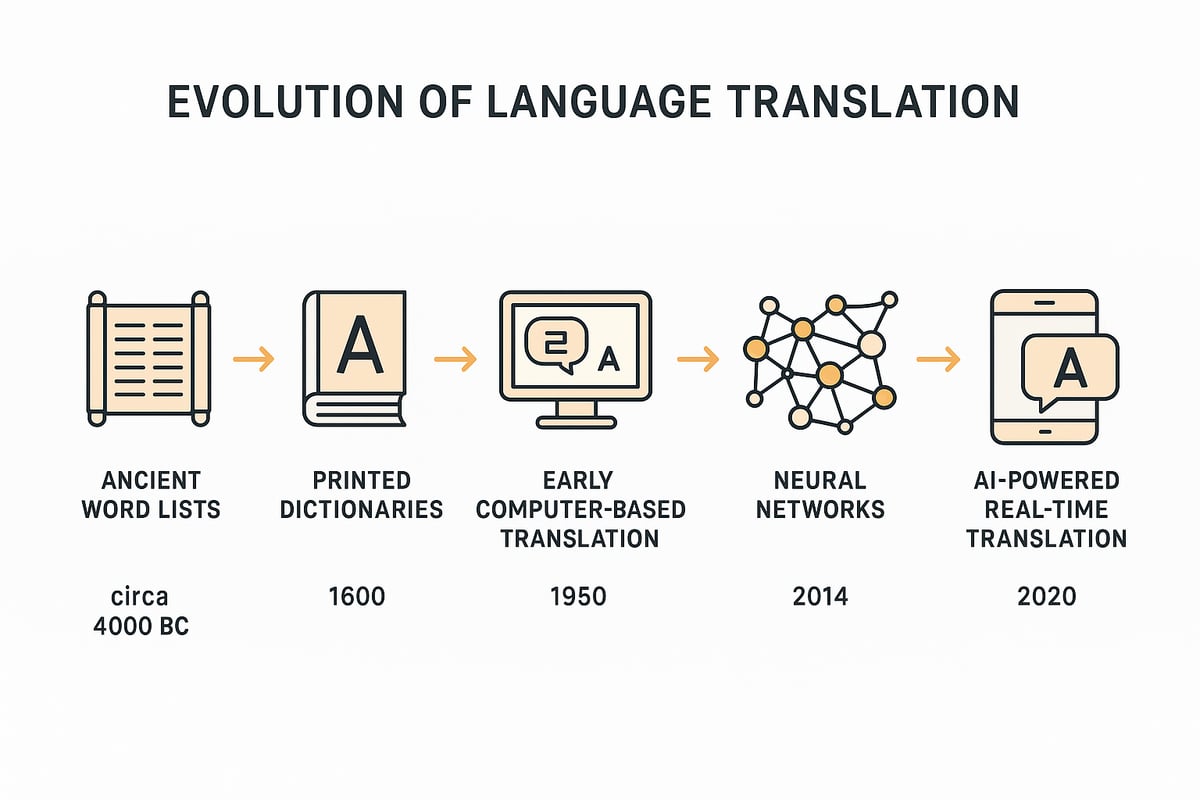
The Rise of AI and Neural Machine Translation
AI has fundamentally reshaped the application to translate languages, delivering breakthroughs in speed and accuracy. By 2026, over 70 percent of translation tools will incorporate neural machine translation engines, enabling more natural and context-aware communication.
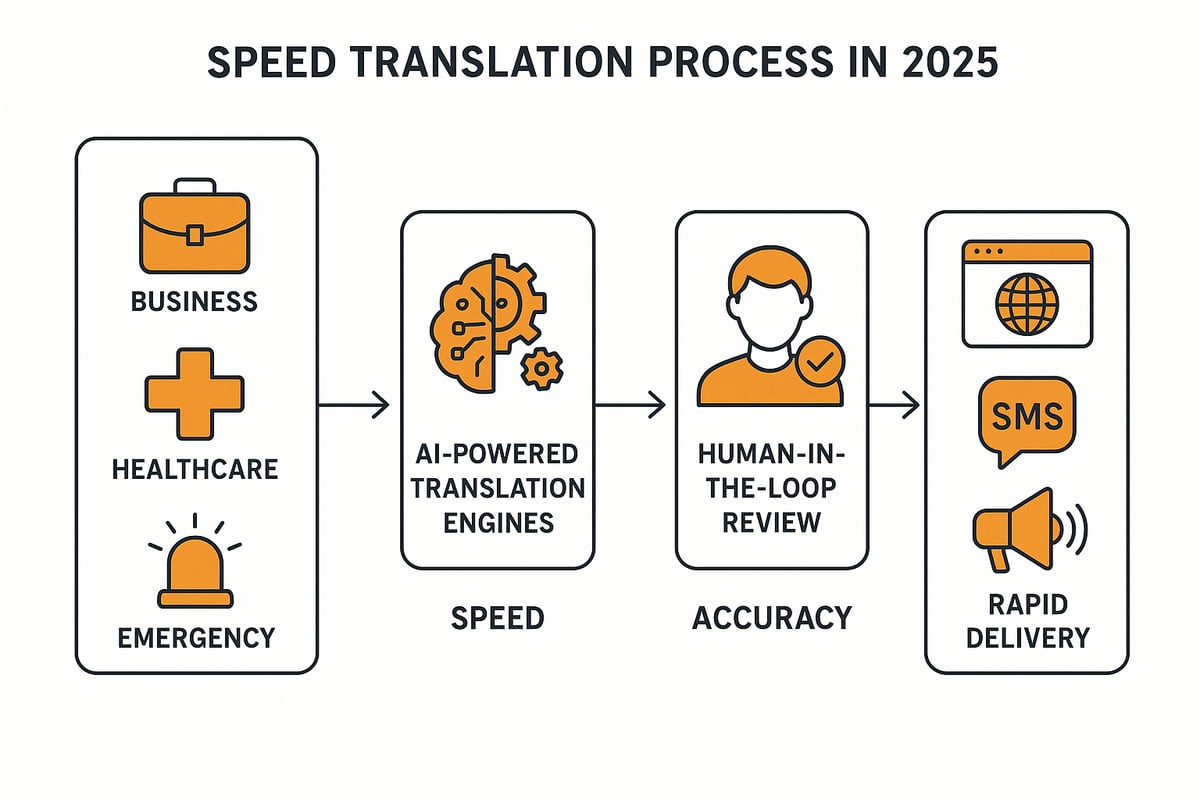
For example, Google's move from phrase-based to neural systems set a new benchmark for quality. Hybrid approaches, combining AI with human interpreters, are now powering mission-critical environments. Learn more about this synergy in AI-human interpreters in 911 communication.
Multimodal and Real-Time Translation Capabilities
Modern users expect an application to translate languages that can handle text, voice, images, and even live video—all within a single interface. This multimodal evolution is crucial for real-world scenarios like international meetings, travel, or urgent public safety responses.
Surveys show that 60 percent of users prefer platforms with integrated voice and camera translation. Real-time capabilities allow immediate, accurate exchanges, making communication seamless and effective, regardless of medium.
Privacy, Security, and Data Compliance
As the use of any application to translate languages expands, so do concerns around privacy and data security. Sensitive sectors such as healthcare and emergency services require adherence to strict regulations like GDPR and HIPAA.
Developers are prioritizing encrypted communications, secure cloud storage, and transparent data handling. Compliance is not just a feature, but a necessity, ensuring trust and safeguarding user information on every level.
Accessibility and Inclusivity in Translation
Supporting a wide variety of languages and dialects is vital for any modern application to translate languages. This inclusivity bridges gaps for marginalized communities and boosts global accessibility.
Recent advancements are making it possible to translate less common languages, preserving cultural identity and opening digital doors for millions. The focus on accessibility ensures these tools benefit people from all backgrounds, not just speakers of major world languages.
Integration with Everyday Devices and Platforms
Today, an application to translate languages is no longer confined to desktops or phones. Translation technology is being embedded into wearables, AR glasses, and conferencing tools.
Examples include real-time subtitles during video calls or instant translation through smart assistants. This integration streamlines multilingual communication, allowing users to interact naturally, wherever and whenever they need.
7 Essential Applications to Translate Languages for 2026
Choosing the right application to translate languages is more than a convenience—it is a necessity in our globally connected world. Whether for travel, business, or emergency, the right tool can bridge cultures and improve outcomes. This section explores the seven most essential solutions for 2026, each offering unique strengths for different user needs. For more options and insights, see our guide to the best apps to translate text.
1. Convey911
Convey911 is a leader in the application to translate languages for public safety and emergency services. It is designed to address high-stakes, multilingual communication where seconds matter.
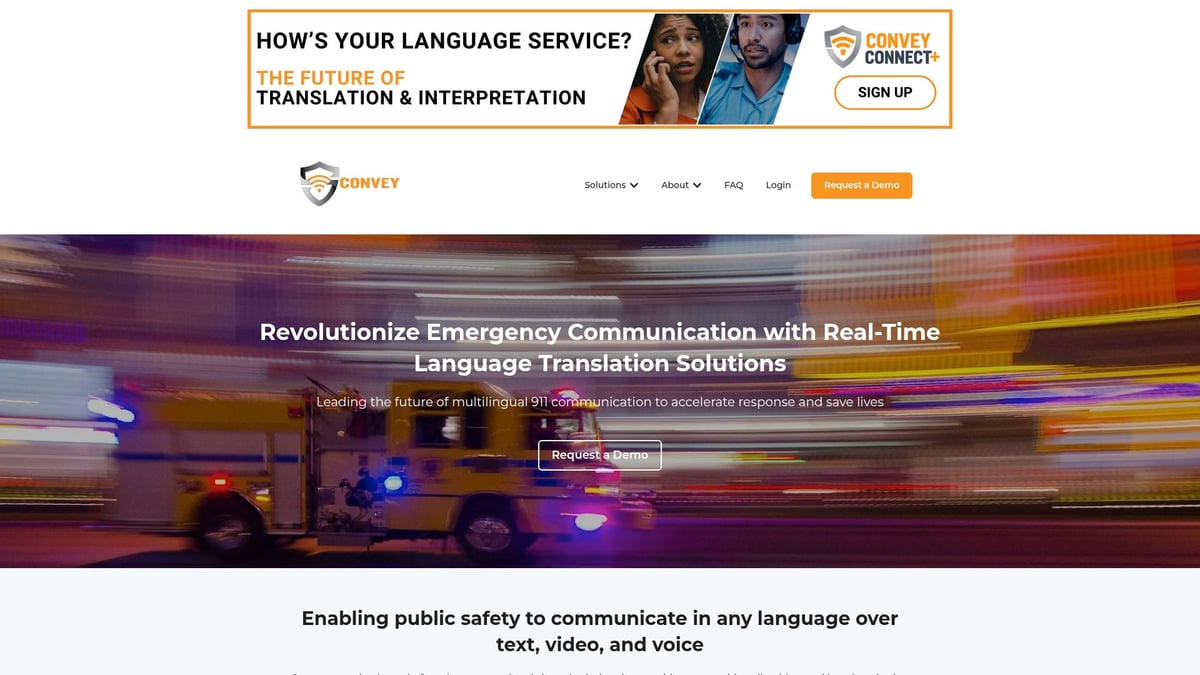
Pricing: Flexible, custom quotes for agencies. Demo available upon request.
Core Features:
- Real-time AI translation for 185+ languages
- Instant language identification
- Text, voice, and video translation in one workflow
- Hybrid AI and human interpreter service
- Mass multilingual notifications for alerts
Key Benefits:
- Reduces emergency response time from minutes to seconds
- High translation accuracy for urgent communications
- Seamless integration with existing emergency systems
Unique Selling Points:
- Patented platform for workflow efficiency
- Trusted by major US emergency agencies
- Secure infrastructure (AWS GovCloud)
Target Audience: 911 centers, first responders, PSAPs, emergency management, and public safety organizations
Pros:
- Lightning-fast multimodal support
- Robust analytics and reporting
- Advanced data security
Cons:
- Tailored for institutional and agency use, not general consumers
- Pricing is not publicly listed
| Feature | Convey911 |
|---|---|
| Languages | 185+ |
| Modes | Text, Voice, Video |
| Pricing | Custom Quote |
| Security | High (GovCloud) |
| Best For | Emergency/Public Safety |
Convey911 stands out as the application to translate languages in high-pressure environments, helping agencies save lives through rapid, accurate communication.
2. DeepL Translator
DeepL has earned a reputation for delivering some of the most accurate and natural translations, particularly for European languages. It is a top-tier application to translate languages for professionals and businesses seeking quality.
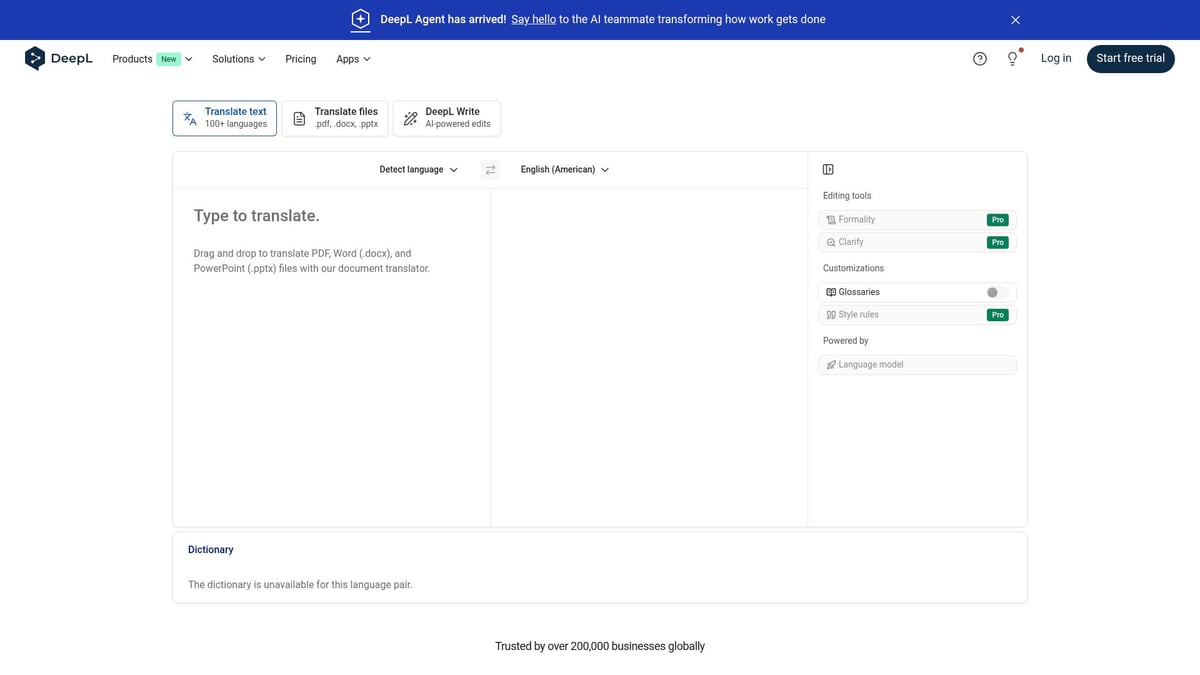
Pricing: Free with limits; Pro plans from $8.74/month.
Core Features:
- Advanced neural machine translation
- Full document translation (PDF, DOCX, PPTX)
- Tone adjustment for formal or informal output
- API integration for developers
Key Benefits:
- Context-aware output for nuanced meaning
- DeepL Write for enhanced grammar and style
- Privacy-first: does not store user data
Unique Selling Points:
- Superior results for complex syntax
- Large document support for business needs
Target Audience: Professionals, translators, academics, and organizations
Pros:
- Highly accurate and natural phrasing
- Clean, intuitive interface
- Secure handling of sensitive data
Cons:
- Fewer languages than some competitors
- Document translation and API features require subscription
| Feature | DeepL |
|---|---|
| Languages | 30+ |
| Modes | Text, Document |
| Pricing | Free/Pro |
| Security | High |
| Best For | Professionals |
DeepL remains a go-to application to translate languages when precision and privacy are top priorities.
3. Google Translate
Google Translate is perhaps the most recognizable application to translate languages worldwide, accessible on nearly every device and platform.
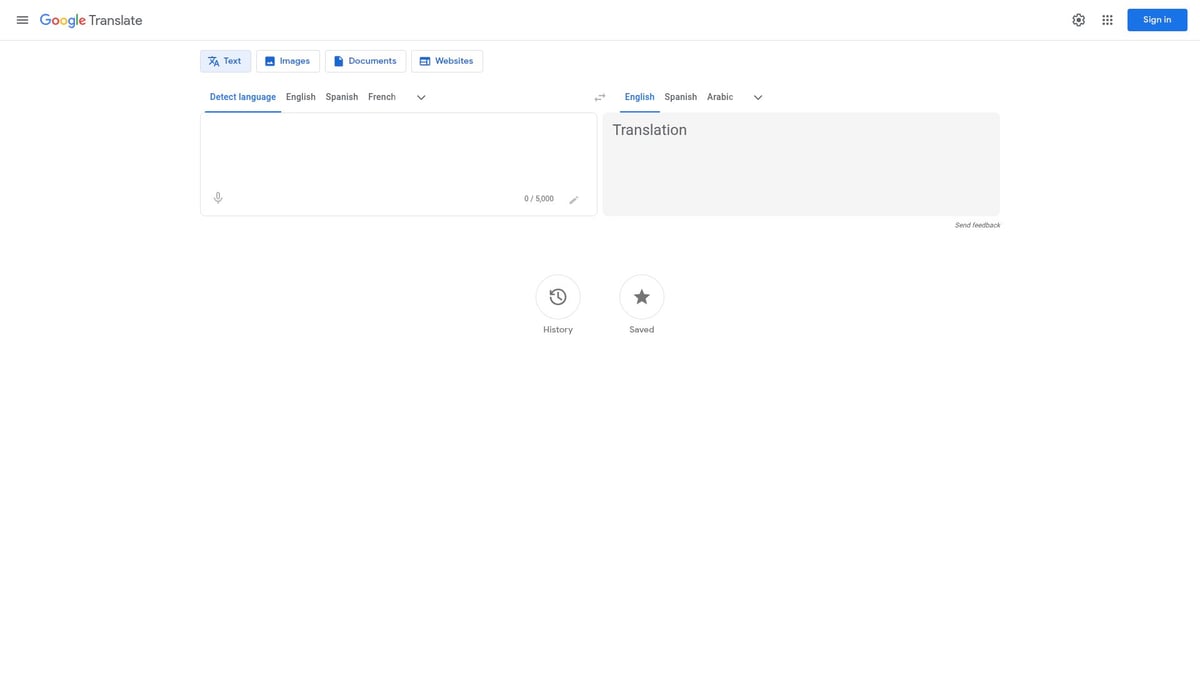
Pricing: Free
Core Features:
- Text, voice, handwriting, and camera translation
- Supports 130+ languages
- Offline translation and website integration
- Real-time conversation and transcription modes
Key Benefits:
- Instant translation for global travelers
- Seamless integration with Google services
- Large language database for wide coverage
Unique Selling Points:
- Live camera translation for signs and menus
- Conversation mode for two-way speech
- Integration with Android and iOS devices
Target Audience: Travelers, students, everyday users, businesses
Pros:
- Free and easy to access
- Broadest language support
- Works across multiple devices
Cons:
- Occasional context or grammar errors
- Data privacy concerns
- Less accurate with rare languages
| Feature | Google Translate |
|---|---|
| Languages | 130+ |
| Modes | Text, Voice, Image, Handwriting |
| Pricing | Free |
| Security | Moderate |
| Best For | General Users |
As an application to translate languages for daily tasks, Google Translate offers unmatched convenience and reach.
4. Microsoft Translator
Microsoft Translator is a robust application to translate languages, particularly for business, education, and collaborative environments.
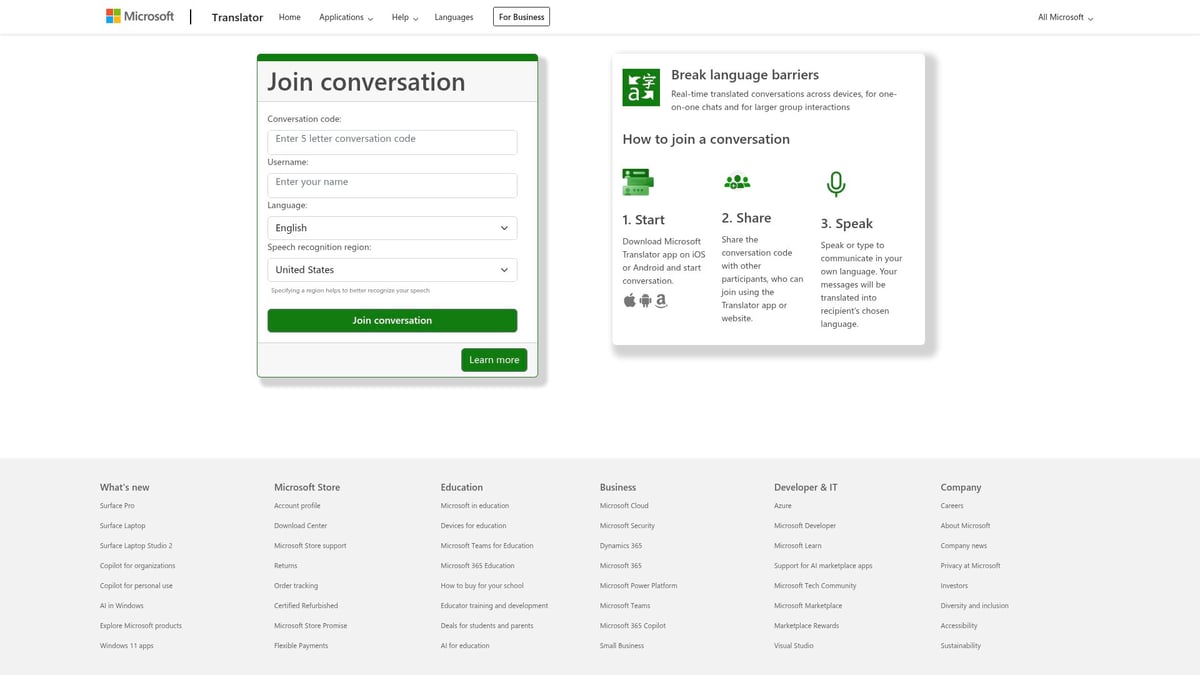
Pricing: Free for individuals; enterprise API from $10 per million characters.
Core Features:
- Text, voice, and image translation
- Real-time group conversations (100+ participants)
- Integration with Office, Teams, and Azure
- Custom translation models for organizations
Key Benefits:
- Facilitates multilingual meetings and remote collaboration
- Scalable for enterprise deployment
- Supports over 70 languages
Unique Selling Points:
- Deep integration with Microsoft ecosystem
- Customizable for industry jargon
Target Audience: Enterprises, educators, multinational teams, developers
Pros:
- Strong collaboration features
- Flexible API for automation
- Reliable uptime and support
Cons:
- Fewer languages than Google Translate
- Some features require Microsoft account
| Feature | Microsoft Translator |
|---|---|
| Languages | 70+ |
| Modes | Text, Voice, Image |
| Pricing | Free/Enterprise |
| Security | High |
| Best For | Business/Education |
For organizations seeking an application to translate languages in collaborative settings, Microsoft Translator delivers powerful, scalable solutions.
5. iTranslate
iTranslate is a mobile-first application to translate languages, favored by travelers and users on the go.
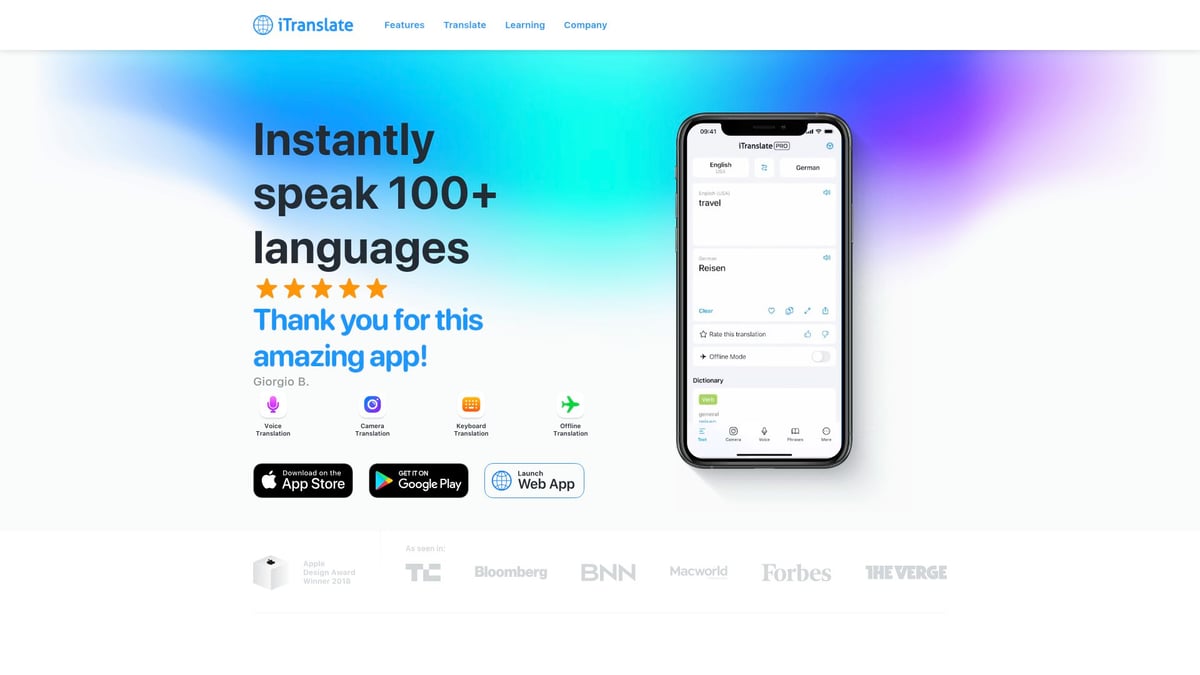
Pricing: Free basic version; Pro from $5.99/month.
Core Features:
- Text, voice, and camera translation
- Offline mode for travel
- Verb conjugation and phrasebooks
- Website translation
Key Benefits:
- User-friendly mobile app
- Apple Watch and AR support
- Split-screen conversation mode
Unique Selling Points:
- Designed for seamless travel experiences
- Supports a wide range of devices
Target Audience: Travelers, students, mobile users
Pros:
- Intuitive design and navigation
- Offline translation capability
- Broad device compatibility
Cons:
- Premium features require subscription
- Occasional errors in complex sentences
| Feature | iTranslate |
|---|---|
| Languages | 100+ |
| Modes | Text, Voice, Camera |
| Pricing | Free/Pro |
| Security | Standard |
| Best For | Travel/Mobile |
As an application to translate languages for travel, iTranslate combines versatility and ease of use.
6. Papago
Papago specializes as an application to translate languages with a primary focus on Asian language pairs, making it a top choice for users in East Asia.
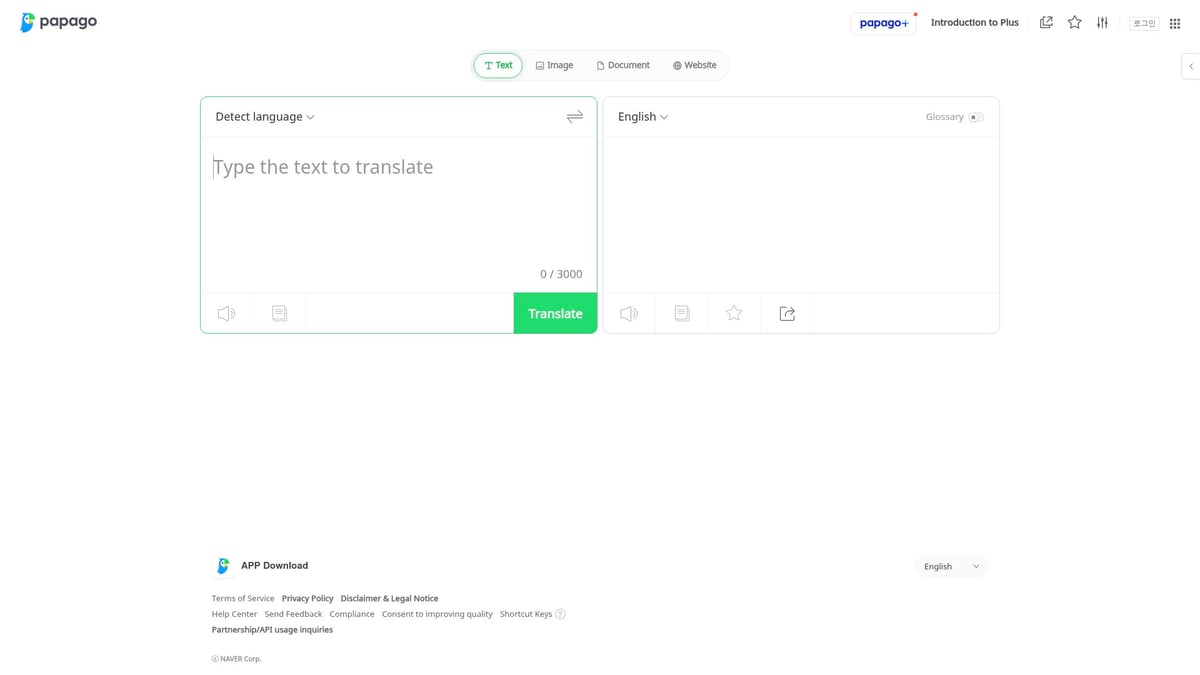
Pricing: Free
Core Features:
- AI-powered translation for Korean, Japanese, Chinese, and more
- Text, voice, image, and conversation translation
- Handwriting recognition and phrasebooks
Key Benefits:
- High accuracy for Asian languages
- Context-aware translation output
- Offline mode for travel
Unique Selling Points:
- Optimized for language pairs often underserved by global apps
- User-friendly interface
Target Audience: Travelers, expats, students, Asian businesses
Pros:
- Free and accessible
- Supports multiple input methods
- Best-in-class for Asian language accuracy
Cons:
- Limited non-Asian language support
- Less recognition outside Asia
| Feature | Papago |
|---|---|
| Languages | 13+ (Asian focus) |
| Modes | Text, Voice, Image, Handwriting |
| Pricing | Free |
| Security | Standard |
| Best For | Asian Languages |
Papago is the ideal application to translate languages for anyone navigating East Asian communication needs.
7. SayHi Translate
SayHi Translate is a straightforward application to translate languages, optimized for real-time, voice-to-voice communication.
Pricing: Free
Core Features:
- Voice-to-voice translation in 90+ languages and dialects
- Text translation and speech speed customization
- Easy sharing of translated text
Key Benefits:
- Fast, simple conversational translation
- Supports regional dialects for nuanced communication
Unique Selling Points:
- Real-time voice recognition
- Designed for on-the-go use
Target Audience: Travelers, healthcare workers, customer service, individuals needing instant speech translation
Pros:
- Free and easy to operate
- Supports many dialects
- Clean, user-friendly interface
Cons:
- No document translation
- Internet required for best performance
| Feature | SayHi Translate |
|---|---|
| Languages | 90+ |
| Modes | Voice, Text |
| Pricing | Free |
| Security | Standard |
| Best For | Voice/Conversational |
If you need an application to translate languages during live conversations, SayHi Translate is a reliable and accessible choice.
Comparison Table: Top Applications to Translate Languages
| App | Best For | Languages | Modes | Pricing |
|---|---|---|---|---|
| Convey911 | Emergency/Public Safety | 185+ | Text, Voice, Video | Custom |
| DeepL | Professionals | 30+ | Text, Document | Free/Pro |
| Google Translate | General Users | 130+ | Text, Voice, Image | Free |
| Microsoft Translator | Business/Education | 70+ | Text, Voice, Image | Free/Ent. |
| iTranslate | Travel/Mobile | 100+ | Text, Voice, Camera | Free/Pro |
| Papago | Asian Languages | 13+ | Text, Voice, Image | Free |
| SayHi Translate | Voice/Conversation | 90+ | Voice, Text | Free |
Selecting the right application to translate languages depends on your specific use case, language needs, and device preferences. Each solution above offers a distinct set of features designed to meet the demands of 2026 and beyond.
Key Considerations When Choosing a Language Translation Application
Selecting the right application to translate languages can make the difference between seamless communication and frustrating misunderstandings. With a growing number of options, it is vital to assess your specific needs before committing to a solution.
Language Coverage and Accuracy
When evaluating an application to translate languages, start by checking its language and dialect support. Not all tools cover the same range, so ensure your target languages are available. For specialized needs, such as regional dialects or industry-specific jargon, accuracy becomes even more important.
Consider whether the application relies on AI or offers human-powered translation for critical communications. AI-powered tools are fast and efficient, but human review can help in sensitive scenarios. For more on essential features, explore this translation toolkit for modern needs, which breaks down what to look for in a top-tier application.
Privacy, Security, and Compatibility
Data privacy and secure communication are crucial, especially for businesses or emergency services. Check if the application to translate languages aligns with regulations like GDPR or HIPAA. Look for robust encryption and clear privacy policies to protect sensitive data.
Device and platform compatibility also matter. The best solutions integrate smoothly with smartphones, desktops, conferencing tools, or even wearables. This ensures you can access translation services wherever and whenever they are needed.
Cost, Support, and Reliability
Cost varies widely across platforms, from free versions to enterprise subscriptions. Assess which features you truly need and whether a paid plan offers enough value. An application to translate languages should provide transparent pricing and flexible options to fit your budget.
Customer support and reliability are often overlooked but essential. Responsive support and high platform uptime are critical for mission-driven use cases. Prioritize applications with a strong reputation for reliability and user satisfaction.
The Future of Language Translation Apps: Trends for 2026 and Beyond
As we look toward 2026, the future of application to translate languages is being shaped by rapid advances in artificial intelligence, device integration, and a strong focus on user needs. The next generation of translation technology is poised to deliver more accurate, context-aware, and seamless communication across every platform.
Voice, Video, and Multimodal Translation Breakthroughs
By 2026, application to translate languages will offer real-time translation not only for text but also for voice, video, and images within a single platform. Imagine wearing AR glasses that instantly subtitle live conversations as you travel or attend global meetings. These breakthroughs are making communication more immersive and accessible.
Innovations in neural machine translation are at the heart of this transformation. According to the Future of Translation Technology, AI-driven solutions are redefining speed and accuracy, enabling seamless interactions in any scenario.
Hyper-Personalization and Context Awareness
The next wave of application to translate languages will be hyper-personalized, leveraging AI to adapt to industry-specific jargon and regional dialects. Whether you work in healthcare, law, or technology, translation apps will adjust to your unique vocabulary and communication style.
This trend is closely tied to the rising demand for audio and video translation, as noted in Language Translation Industry Trends 2025. Expect smarter apps that learn from your usage patterns, delivering translations that capture intent and nuance.
Offline and Edge Translation Capabilities
Reliable translation, even without an internet connection, is becoming a must-have for travelers and remote workers. Advanced application to translate languages now process requests locally on your device, using on-device AI for instant results. By 2026, forecasts suggest that half of all translation requests will be handled offline, ensuring privacy and accessibility wherever you go.
This development is especially valuable in environments with limited connectivity, such as rural areas or during travel emergencies. Offline capabilities empower users to communicate confidently, no matter the circumstances.
Integration with IoT and Smart Devices
Application to translate languages is moving beyond smartphones. Translation features are now embedded in wearables, smart home devices, and even vehicles. For example, smart car infotainment systems can provide real-time translation for international travelers, enhancing safety and convenience.
As IoT adoption grows, expect translation apps to become an invisible but essential part of daily life, streamlining multilingual interactions across a range of connected devices.
Ethical AI and Inclusive Language Support
Developers are working to ensure application to translate languages is fair and accessible for all. Reducing bias in machine translation and expanding support for underrepresented languages are top priorities. Open-source datasets and collaborative language projects are helping to close the gap for marginalized communities.
Ethical AI initiatives also focus on maintaining user privacy and promoting responsible data use, building trust as translation technology becomes more deeply integrated into society.
Business and Enterprise Adoption
Enterprises are rapidly adopting advanced application to translate languages to support cross-border collaboration, customer service, and regulatory compliance. In fact, 80% of global businesses plan to invest in these tools by 2026.
Translation apps are becoming vital for global operations, offering secure, real-time solutions that help companies break down language barriers and reach new markets.
How to Maximize the Value of Translation Applications
Unlocking the full potential of any application to translate languages requires a thoughtful approach. Whether you are an individual, a business, or part of an emergency response team, maximizing accuracy, efficiency, and reliability is essential. The right strategies can turn a basic tool into a powerful ally for seamless communication.
Best Practices for Accurate Translations
To get the most from any application to translate languages, start with clear communication. Speak or write in concise sentences and avoid slang or ambiguous terms. For critical messages, always review the output and, when possible, combine AI-powered translation with human proofreading. This dual approach helps catch errors and ensures context is preserved.
Training teams to use advanced features, such as custom glossaries or conversation modes, can further enhance results. In high-stakes environments like public safety, following a proven multilingual emergency communication workflow ensures that the application to translate languages delivers timely and accurate responses when every second counts.
Integration and Automation Strategies
Seamless integration with your existing workflow is a game changer. Connect your application to translate languages with CRM systems, messaging apps, or customer support platforms to automate repetitive tasks and streamline communications. For instance, automatic translation of support tickets or live chat can expedite customer service and reduce manual workload.
According to AI's Impact on Translation Services, leveraging AI-driven automation not only boosts efficiency but also uncovers new opportunities for business growth. Training staff to use these integrations ensures consistent, reliable multilingual interactions across all channels.
Staying Secure and Updated
Security and privacy are paramount when using any application to translate languages, especially for sensitive data. Regularly update your apps to access the latest features and critical security patches. Take time to review privacy policies and manage app permissions, ensuring that confidential information stays protected.
For organizations, compliance with regulations like GDPR or HIPAA should be a top priority. Establishing clear guidelines and periodic audits helps maintain trust and safeguard both user and client data.
Community Engagement and Measuring Impact
Active participation in user communities can be invaluable. Sharing experiences, reporting issues, and suggesting new features often lead to meaningful product improvements. Engage with forums, attend webinars, and provide feedback to help shape the evolution of your favorite translation apps.
Measuring the impact of your application to translate languages is equally important. Use built-in analytics dashboards to track usage, monitor translation efficiency, and calculate cost savings. Regularly assessing these metrics will help you refine your approach and demonstrate tangible value to stakeholders.
As we look ahead to 2026, it’s clear that bridging language gaps is more important than ever—especially when every second counts in an emergency. We’ve explored how cutting-edge translation tools can empower individuals and organizations to connect effortlessly, but if you want to see these innovations in action, there’s nothing like experiencing them firsthand. If you’d like to discover how Convey911’s real time translation platform could transform your agency’s response and help save lives, I encourage you to Book a Demo. You’ll see just how seamless and powerful multilingual emergency communication can be.