
Imagine a world where no one is left out of a conversation, and information flows freely,...
The global Spanish-speaking population is expanding at an unprecedented rate, fueling a surge in demand for reliable software spanish translation solutions across business, education, healthcare, and public service. Organizations in 2026 must bridge language gaps quickly and accurately to ensure clear communication, boost efficiency, and foster inclusivity.
Selecting the right software spanish translation tool can be transformative. The wrong choice may lead to costly miscommunication, lost opportunities, or even compliance violations. By leveraging advanced technology, organizations can overcome these risks and unlock new growth.
This article will guide you through the top 7 software spanish translation tools for 2026. Discover each tool’s standout features, pricing models, and the scenarios where they shine, helping you make an informed decision for your unique needs.
Why Software Spanish Translation Tools Are Essential in 2026
The world is more interconnected than ever. As organizations expand globally, the demand for reliable software spanish translation is at an all-time high. This section explores why these tools are mission-critical in 2026.
The Evolving Landscape of Global Communication
Cross-border business and remote work have grown rapidly. Spanish is now the second most spoken native language worldwide. As multicultural teams collaborate, organizations need software spanish translation to bridge language gaps.
This growing demand is driven by both economic expansion and demographic shifts. According to Spanish language growth trends, the Spanish-speaking population is rising faster than ever, influencing everything from marketing to education.
Industries require real-time and accurate translation to keep pace with this evolving landscape. The right tools make communication seamless and inclusive for all stakeholders.
Key Challenges in Spanish Translation Today
Despite advances, software spanish translation faces ongoing challenges:
- Dialect differences: Spain, Mexico, Latin America, and US Spanish each have unique vocabulary and expressions.
- Industry-specific terminology: Legal, medical, and technical fields require precise language.
- Machine translation errors: False cognates, awkward grammar, and tonal mismatches can undermine trust.
These issues make it critical to select solutions that adapt to both context and regional preferences. Even the best technology must be backed by robust quality controls to avoid costly miscommunication.
The Role of AI and Automation in Translation
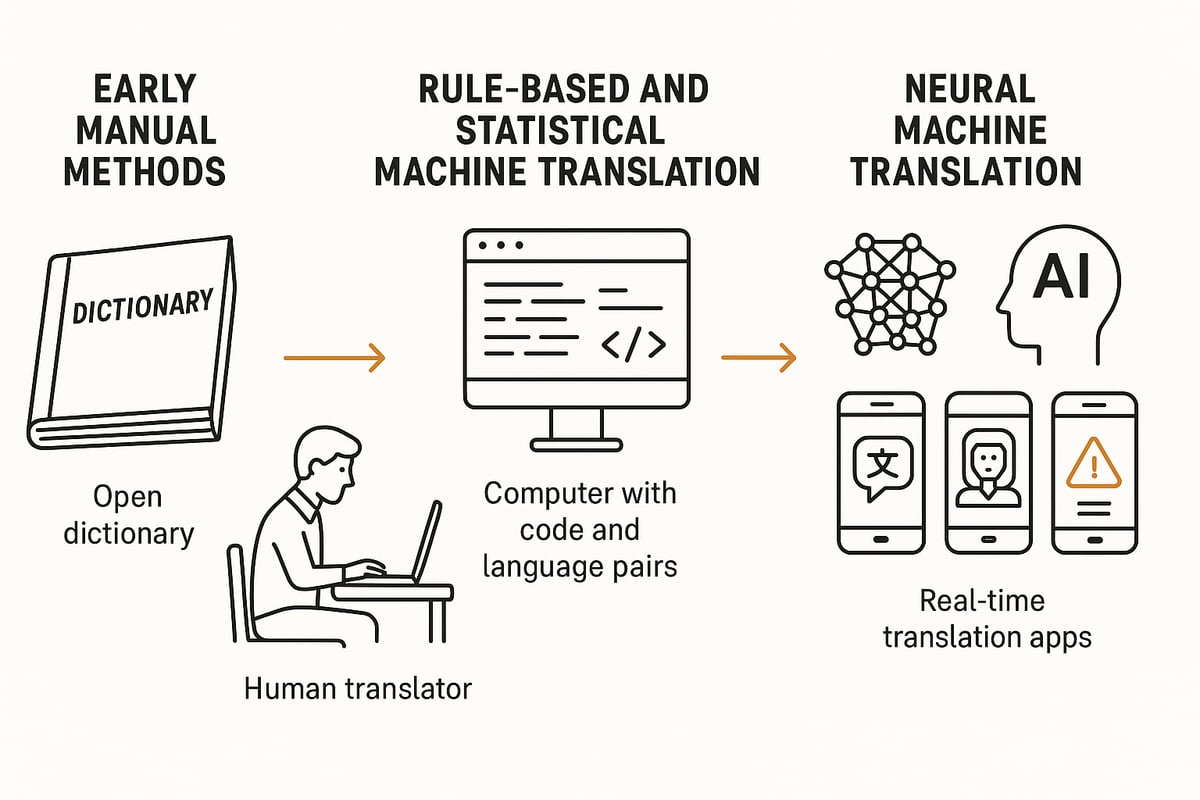
Artificial intelligence is transforming software spanish translation. Neural machine learning enables tools to understand context and nuance, reducing errors.
Modern platforms integrate with business workflows, document systems, and even messaging apps. AI-powered solutions learn from user edits, improving accuracy over time. This automation saves time, lowers costs, and boosts productivity.
By leveraging these advances, organizations achieve fast, consistent, and high-quality results at scale. The future of translation is intelligent, adaptive, and deeply embedded in daily operations.
Critical Use Cases Driving Demand
The need for software spanish translation spans many sectors:
- Legal, medical, and technical documentation require accuracy and confidentiality.
- Customer support, eLearning, and global marketing depend on clear, localized messaging.
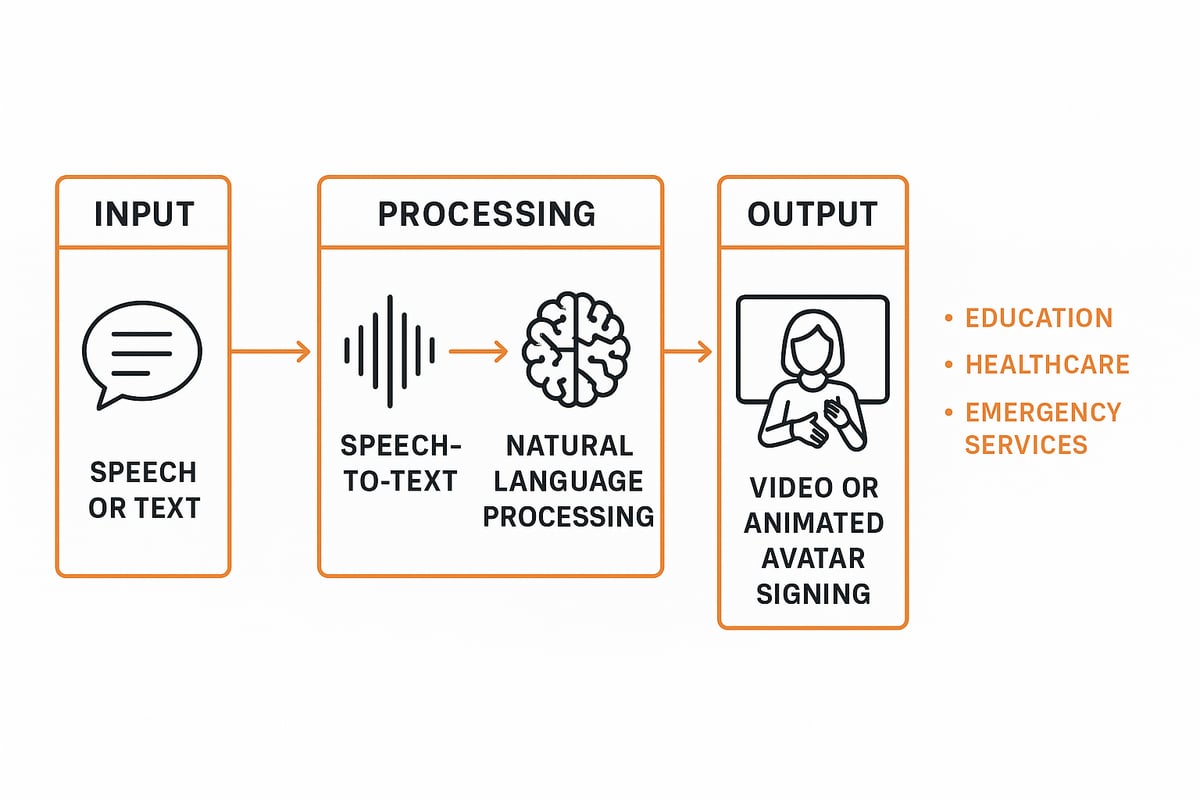
- Emergency communications and public sector services rely on instant translation to serve diverse populations.
These critical scenarios highlight the risks of poor translation, such as compliance failures or lost business. Choosing the right software is essential for meeting industry standards and ensuring everyone has a voice.
How to Evaluate Spanish Translation Software: Must-Have Features
Selecting the right software spanish translation tool is a strategic decision. Understanding which features matter most will help your organization meet its language goals efficiently and securely. Let us break down the essential criteria you should consider.
Dialect and Language Support
A robust software spanish translation platform must handle the full spectrum of Spanish dialects. Whether your audience is in Spain, Mexico, Latin America, or the U.S., precision matters. Look for:
- Customization for regional vocabulary and tone
- Brand-specific language options
- Support for both formal and informal registers
For multinational organizations, this flexibility ensures every message resonates authentically across markets. Ignoring dialects can lead to confusion or missed opportunities, so prioritize this capability in your evaluation.
AI-Powered Machine Translation and Editing
Modern software spanish translation solutions rely on advanced AI engines. These tools provide superior contextual accuracy by learning from user edits and adapting to new content patterns. Key benefits include:
- Dynamic improvement with each use
- Integration of translation memory and glossaries for consistency
- Enhanced productivity with automated suggestions
For a deeper dive into how AI is revolutionizing translation, see this AI audio translator overview. Leveraging these advancements reduces manual workload and improves translation quality over time.
File Compatibility and Batch Processing
The ability to process diverse file types is a hallmark of effective software spanish translation tools. Your solution should offer:
- Support for Word, PDF, PowerPoint, Excel, and more
- Batch translation for handling large volumes efficiently
- Preservation of original formatting and structure
This versatility is vital for organizations managing multilingual campaigns or complex documentation. By automating repetitive tasks, you can focus on higher-value work and streamline your entire workflow.
Security, Compliance, and Collaboration
Data security and regulatory compliance are nonnegotiable in software spanish translation, especially in sectors like healthcare, law, and education. Top platforms offer:
- End-to-end encryption and secure cloud storage
- Compliance with HIPAA, GDPR, FERPA, and other standards
- Team collaboration features for real-time editing and controlled access
Collaborative tools also enable smoother review processes and rapid project turnaround. Prioritizing these aspects builds trust within your team and with your clients.
Top 7 Software Spanish Translation Tools for 2026
Choosing the right software spanish translation solution is more critical than ever in 2026. Organizations must balance speed, accuracy, security, and scalability. The following list highlights the top 7 software spanish translation tools, detailing their features, pricing, strengths, and ideal use cases, so you can make an informed decision for your team or institution.
Pairaphrase
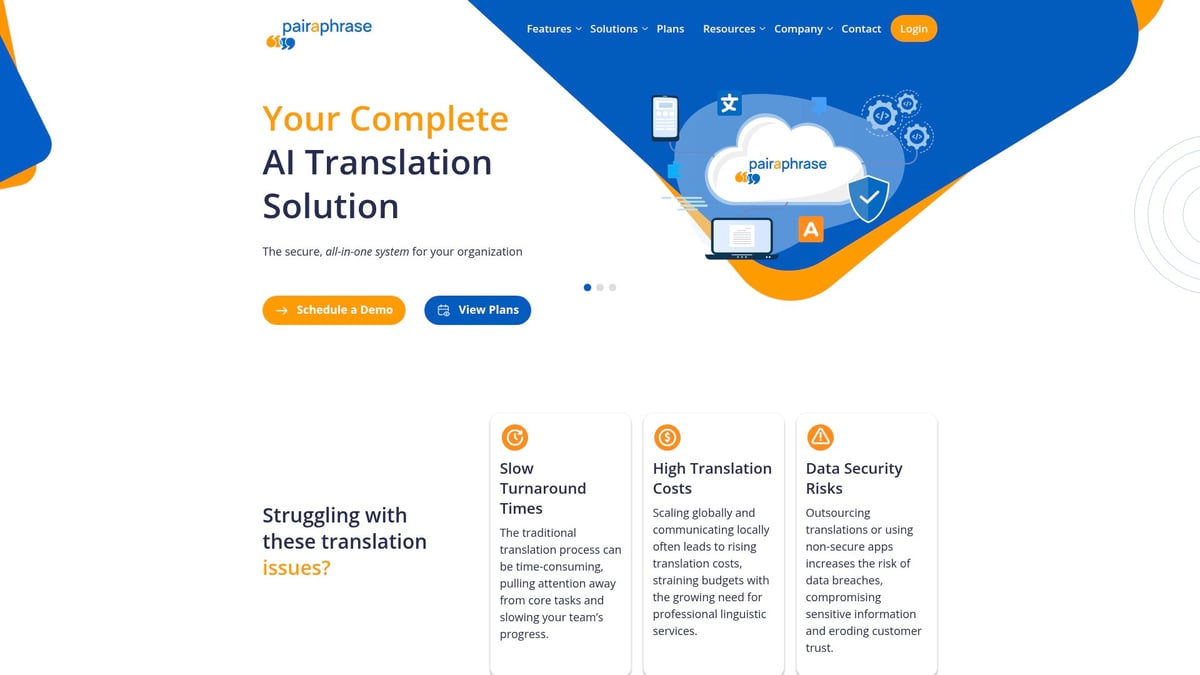
Pairaphrase stands out as a leading software spanish translation platform for organizations that demand both power and compliance. Its subscription-based pricing is designed for teams and enterprises, offering robust tiered plans.
Core features include:
- AI-powered translation engine with support for Word, PDF, and Excel files.
- Translation memory and terminology management for consistency.
- Batch file processing for high-volume projects.
- Secure cloud storage, full HIPAA and FERPA compliance.
Key benefits: High translation accuracy, advanced formatting retention, and easy collaboration make Pairaphrase ideal for sensitive and complex projects. Dialect customization supports multinational needs.
Target audience: Enterprises, government agencies, legal and healthcare sectors, educational institutions.
Pros:
- Robust security and compliance.
- User-friendly interface.
- Powerful collaboration features.
Cons:
- Pricing can be high for small organizations.
- Advanced features may require user training.
Example: Multinational corporations use Pairaphrase for secure, large-scale software spanish translation of confidential documents, ensuring regulatory compliance.
For a broader understanding of how these tools fit within the larger landscape, see Translation language services explained.
Convey911
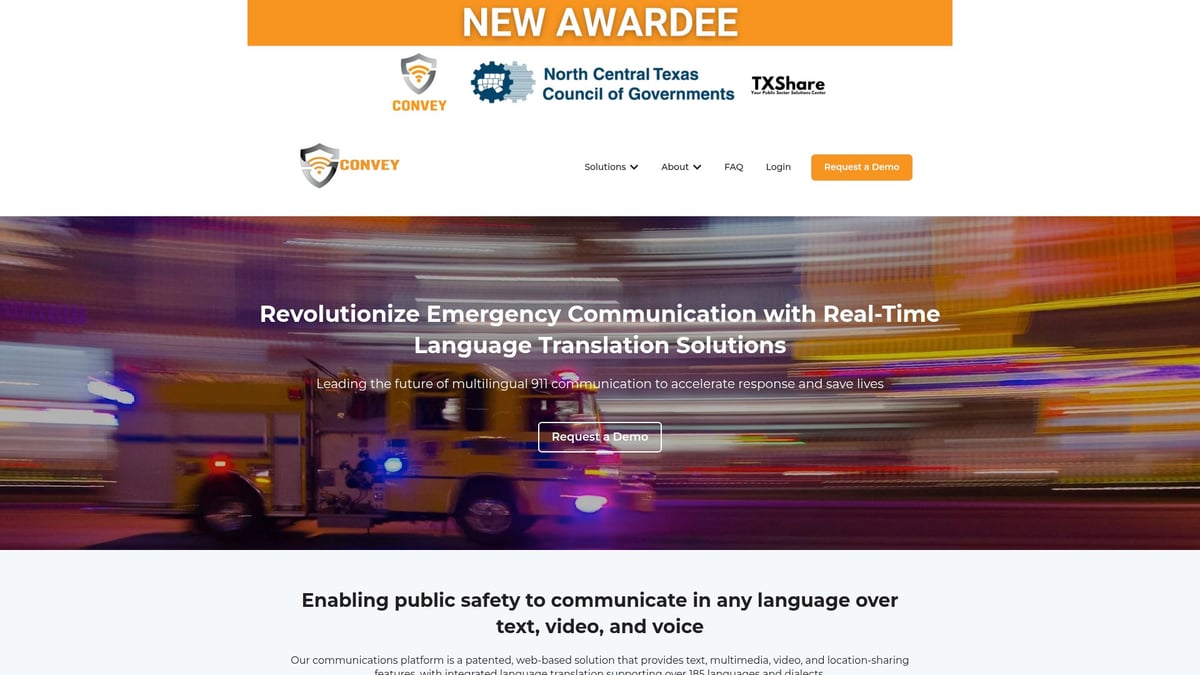
Convey911 is a specialized software spanish translation and communication platform tailored for emergency response and public safety agencies. Its pricing is customized based on agency size and usage, with consultations available.
Core features:
- Real-time AI and human translation.
- Support for 185+ languages, including Spanish dialects.
- Text, voice, and video translation.
- Text-to-911, mass notification, interpreter access.
Key benefits: Lightning-fast translation and secure AWS GovCloud infrastructure make Convey911 uniquely suited for urgent situations.
Target audience: 911 centers, PSAPs, first responders, emergency management agencies.
Pros:
- Patented technology and instant language identification.
- Designed for mission-critical environments.
- Compliance with government standards.
Cons:
- Not suited for general business translation.
- Highly specialized feature set.
Example: Enables life-saving communication for non-English speakers in real-time emergencies, demonstrating the transformative power of software spanish translation in public service.
DeepL
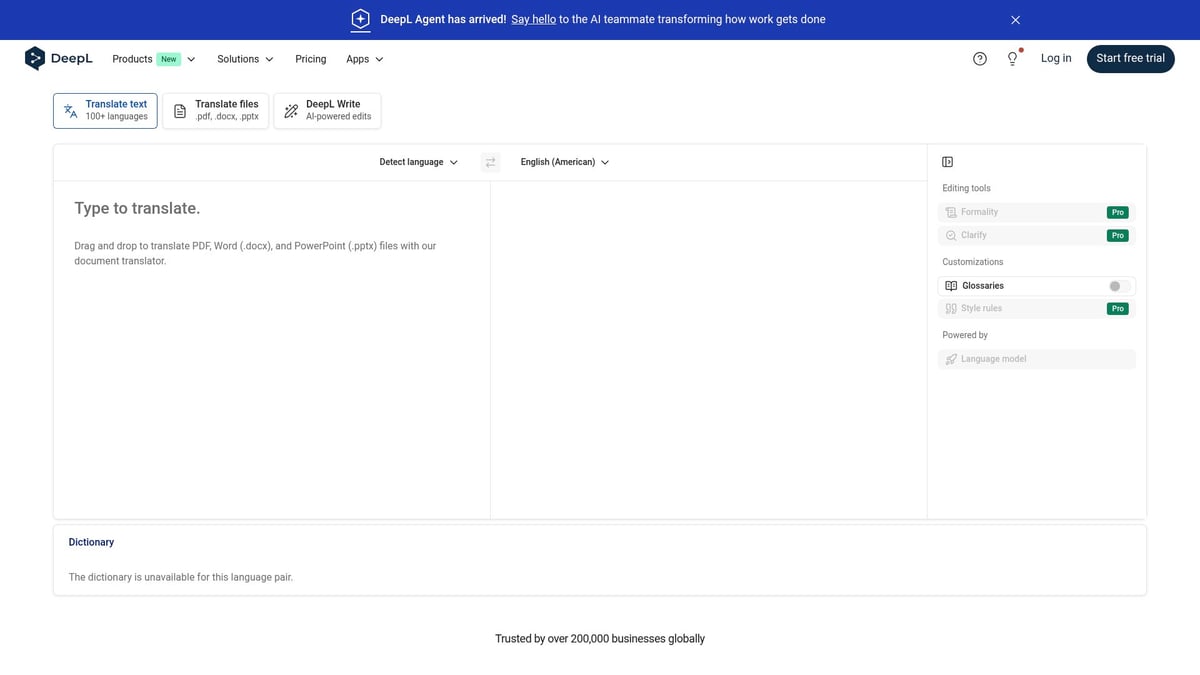
DeepL has established itself as an industry leader in software spanish translation due to its neural machine translation technology. Its pricing model includes a free basic tier and monthly Pro plans for advanced needs.
Core features:
- Neural machine translation with high contextual accuracy.
- Multi-dialect Spanish support.
- Document translation for Word, PowerPoint, and PDF.
- Glossary and style guide integration.
Key benefits: Known for translation quality and privacy, DeepL is user-friendly and fast, making it a favorite among professionals.
Target audience: Businesses, translators, academics, and individuals seeking reliable software spanish translation.
Pros:
- Exceptional accuracy.
- Fast document processing.
- Strong privacy controls.
Cons:
- Limited batch processing in the free plan.
- Fewer third-party integrations.
Example: Professionals use DeepL for software spanish translation of business documents, contracts, and presentations, relying on its context-aware output.
Google Translate
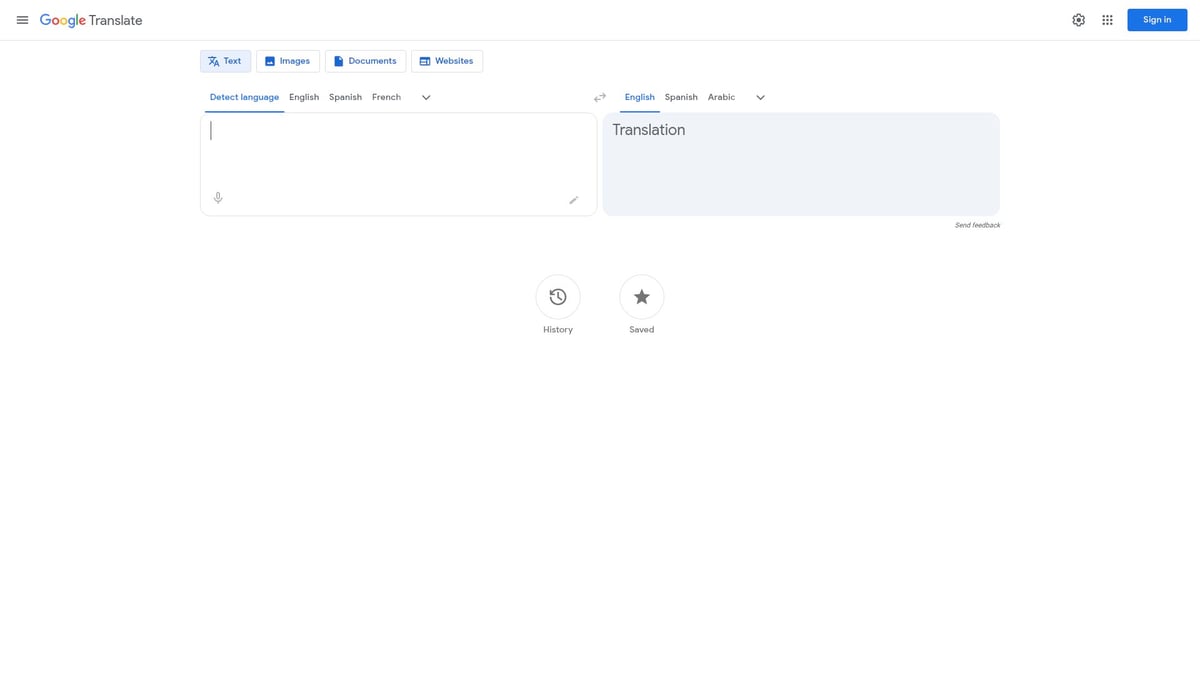
Google Translate remains a household name in software spanish translation, offering free personal use and a pay-as-you-go API for businesses. Its broad accessibility and integration are unmatched.
Core features:
- Instant translation of text, documents, and websites.
- Support for multiple Spanish dialects.
- Available on web and mobile platforms.
Key benefits: The platform’s speed, global reach, and integration with Google products make it an essential tool for many.
Target audience: Individuals, small businesses, developers, and global teams needing quick software spanish translation.
Pros:
- Free and easy to use.
- Supports over 100 languages.
- Accessible worldwide.
Cons:
- Occasional inaccuracies, especially with complex or nuanced content.
- Basic formatting support.
Example: Widely used for travel, customer support, and day-to-day communications, Google Translate makes software spanish translation accessible to all.
Smartling
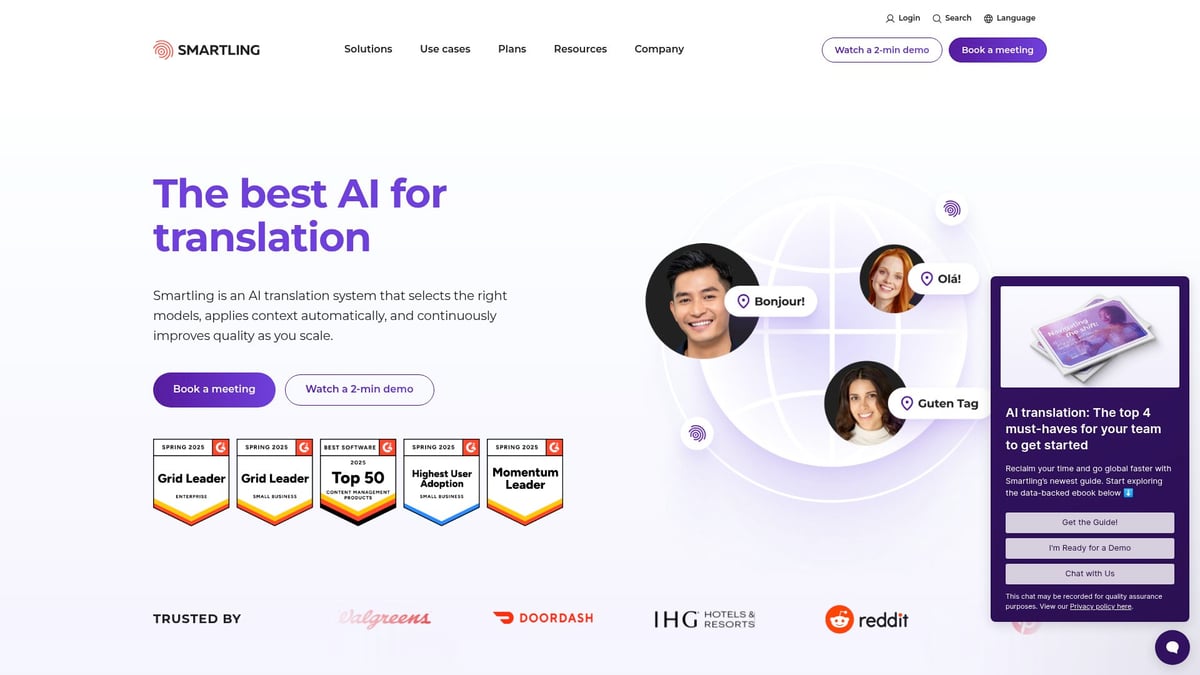
Smartling is an enterprise-grade software spanish translation management system delivering end-to-end localization. Its pricing is custom and includes a demo for interested organizations.
Core features:
- AI-powered translation management.
- Automated workflows with translation memory and glossaries.
- API integration and quality assurance tools.
Key benefits: Smartling is scalable and supports global enterprises with robust reporting and workflow automation.
Target audience: Large businesses, marketing teams, localization managers needing comprehensive software spanish translation.
Pros:
- Comprehensive automation and team support.
- Scalable for global projects.
- Strong analytics.
Cons:
- Higher cost.
- Steep learning curve for new users.
Example: Fortune 500 companies rely on Smartling for global content localization, managing complex software spanish translation projects across markets.
Microsoft Translator
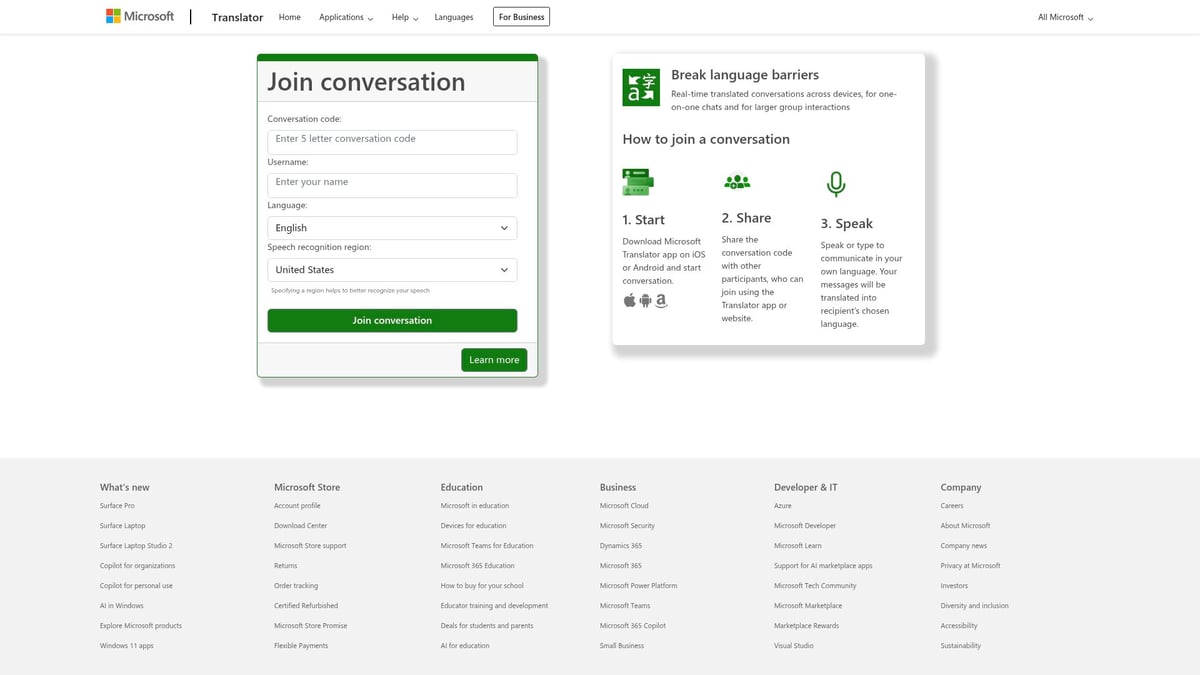
Microsoft Translator offers broad accessibility for software spanish translation, with free basic use and an Azure-based pay-as-you-go API for enterprise needs.
Core features:
- Text, speech, and document translation.
- Multi-device conversation translation.
- Integration with Office 365 and Microsoft Teams.
Key benefits: Seamless integration with Microsoft products and real-time collaboration features.
Target audience: Businesses, educators, developers, and enterprises using Microsoft ecosystems for software spanish translation.
Pros:
- Strong integration and real-time features.
- Affordable API.
- Broad language support.
Cons:
- Occasional errors with nuanced or specialized texts.
- Limited advanced editing tools.
Example: Used in educational settings for real-time classroom software spanish translation, enhancing inclusivity and communication.
Redokun
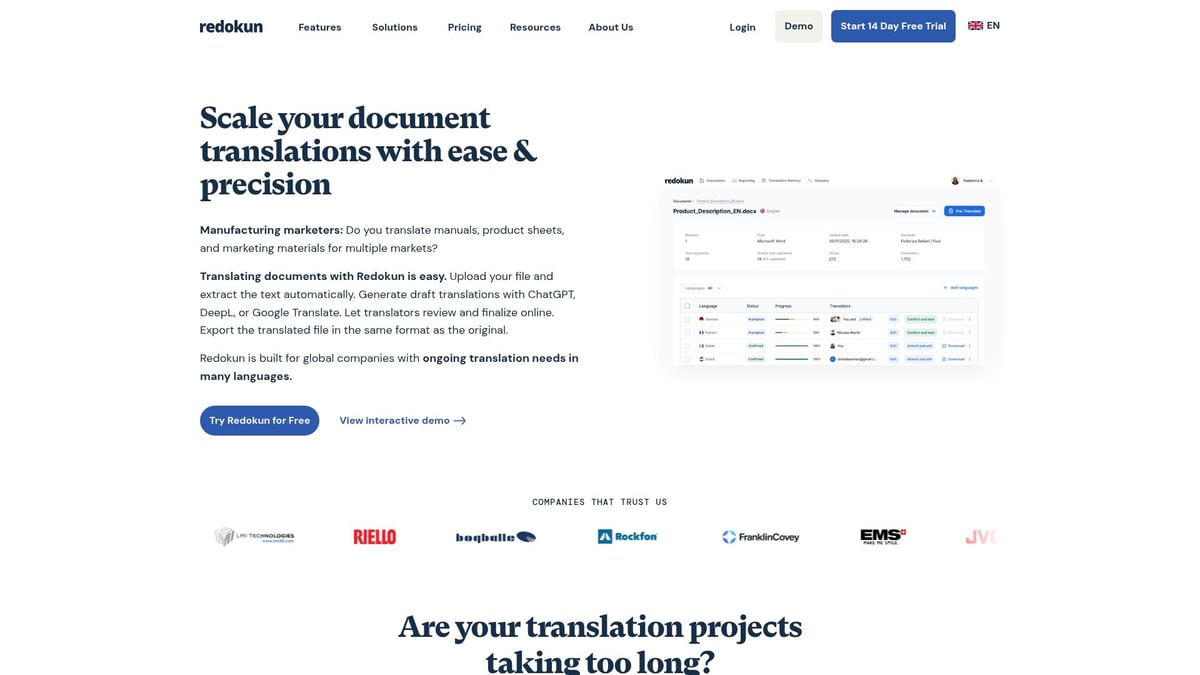
Redokun is a cloud-based software spanish translation platform designed for teams managing large and complex projects. Subscription-based plans are available for teams and enterprises.
Core features:
- Collaborative editing with multiple Spanish dialects.
- Translation memory and batch file processing.
- Support for a wide range of file types.
Key benefits: Streamlined workflow, easy collaboration, and strong project management make Redokun ideal for document-heavy industries.
Target audience: Marketing teams, localization professionals, and organizations with significant software spanish translation needs.
Pros:
- User-friendly and scalable.
- Supports batch processing.
- Strong project management tools.
Cons:
- Limited free version.
- Some features restricted to higher-tier plans.
Example: Marketing agencies leverage Redokun to manage multilingual campaigns, ensuring consistent software spanish translation across all content.
Comparison Table: Top Software Spanish Translation Tools
| Tool | Pricing | Key Feature | Best For |
|---|---|---|---|
| Pairaphrase | Subscription | Compliance, batch processing | Enterprises, regulated industries |
| Convey911 | Custom | Emergency, real-time | Public safety, emergency agencies |
| DeepL | Free/Pro | Neural AI, privacy | Professionals, businesses |
| Google Translate | Free/API | Accessibility, speed | Individuals, quick translations |
| Smartling | Custom | Workflow automation | Enterprises, localization managers |
| Microsoft Translator | Free/API | Office integration | Businesses, education |
| Redokun | Subscription | Collaboration, batch | Marketing, document-heavy teams |
With diverse features and pricing, selecting the right software spanish translation tool depends on your organization's specific needs, compliance requirements, and workflow preferences.
Future Trends in Spanish Translation Software
Spanish translation software is poised for rapid evolution as 2026 approaches. Organizations are demanding faster, more accurate, and versatile solutions to meet growing global communication needs. Let us explore the four key trends shaping the future of software spanish translation.
AI and Neural Machine Translation Advancements
Artificial intelligence is transforming software spanish translation with more nuanced understanding of language. Neural machine translation models are now capable of recognizing context, intent, and tone, reducing the errors common in earlier systems. These AI-driven tools learn from user corrections in real time, which means translation quality improves with every use.
Recent advancements in AI translation technology have led to breakthroughs in live conversation translation and language learning. This is especially valuable for legal and medical content, where accuracy is critical. Expect these tools to become smarter, adapting to industry-specific terminology and user preferences.
Integration with Business and Emergency Workflows
A major trend is the seamless integration of software spanish translation into everyday business and emergency operations. Organizations now require translation tools that plug directly into their CRMs, content management systems, and even emergency dispatch platforms. This integration enables real-time communications and faster response times.
Many solutions offer API-driven customization, allowing teams to tailor translations for their specific workflows. For example, online website translation tools help companies localize content quickly across global markets. Automated workflows reduce manual tasks and ensure consistency across documents, making translation a natural part of daily operations.
Enhanced Security and Compliance
As organizations handle more sensitive data, security and compliance are critical in software spanish translation. The industry is responding with robust end-to-end encryption, secure cloud storage, and strict user permissions. Meeting regulations such as GDPR, HIPAA, and FERPA is now a top priority for providers.
Public sector and enterprise clients are demanding transparency in how data is stored and managed. Platforms are investing in regular audits and compliance certifications. As a result, users can trust that their translated documents remain confidential and protected at every stage of the workflow.
Multimodal and Multilingual Capabilities
The future of software spanish translation lies in supporting multiple communication modes and languages within a single platform. Modern tools are expanding beyond text to include voice and video translation, making global team meetings and customer support more accessible to all.
Support for additional Spanish dialects and other languages improves inclusivity. Multimodal features help organizations serve diverse audiences, ensuring everyone can participate regardless of their preferred communication method. This trend is making translation software a cornerstone of accessibility in global business.
Choosing the Right Spanish Translation Tool for Your Organization
Selecting the best software spanish translation tool is a pivotal step for organizations aiming to bridge language barriers in 2026. With the global Spanish-speaking population statistics highlighting rapid linguistic growth worldwide, it is crucial to align your choice with real communication needs. Start by mapping out the types of documents you handle, the volume of content, and the workflows involved. Consider whether you require support for legal, medical, technical, or marketing materials. Compliance and data security should also guide your decision, especially if you operate in regulated sectors or manage sensitive information.
Assessing Your Needs and Use Cases
Begin by evaluating your organization’s unique requirements for software spanish translation. Identify which departments will use the tool and what types of content need translation. Are you focused on customer support, technical manuals, or high-stakes legal documents? Determine if your workflow involves real-time translation or batch processing. Map out compliance needs such as HIPAA or GDPR, and clarify security expectations. This foundational assessment ensures you choose a solution tailored to your operational demands and regulatory landscape.
Comparing Pricing and ROI
Cost is a key factor when investing in software spanish translation. Compare subscription-based models with pay-as-you-go plans to find the best fit for your budget and usage patterns. Calculate potential savings by automating translations and reducing reliance on manual processes. Consider hidden costs like onboarding or advanced feature access. Assess how the tool’s efficiency could impact your organization’s bottom line, and project the ROI by factoring in time saved and improved communication quality.
Evaluating User Experience and Support
A user-friendly interface is essential for successful adoption of any software spanish translation platform. Look for intuitive dashboards, streamlined onboarding, and clear navigation. Reliable customer support, training resources, and active user communities can significantly enhance your team’s experience. Seek out user reviews and testimonials to understand real-world performance and responsiveness. Prioritize platforms that offer robust support to maximize your investment and minimize disruptions.
Planning for Scalability and Future Growth
Your software spanish translation solution should evolve as your organization grows. Ensure the platform supports additional languages, new features, and integrations with existing business tools. Flexible platforms accommodate increasing content volume and more complex workflows. For organizations with expanding communication needs, consider tools that offer access to Spanish language interpreter solutions alongside automated translation. Strategic planning now will help your business remain agile and ready for future challenges.
After exploring the top Spanish translation tools for 2026, it's clear that the right solution can make all the difference in critical situations—especially when every second counts. If you're ready to see how seamless, real time translation can empower your team and help you bridge language gaps in emergency communications, I encourage you to experience it firsthand. You deserve technology that’s fast, accurate, and built for the demands of public safety. Take the next step and Book a Demo to see how Convey911 can transform your organization’s communication capabilities.