

In 2025, online English translation tools have reached new heights, offering instant access to...
Imagine facing a crisis when every second counts, but you cannot understand the warnings or instructions around you. In our globalized 2026, language barriers can turn emergencies into life-threatening situations for millions.
With diverse communities growing worldwide, the need to translate emergency communications has never been more urgent. This guide is designed to empower you with strategies and tools to bridge language gaps when it matters most.
You will discover why translation is crucial in emergencies, step-by-step methods to translate emergency messages, the best resources and tools, real-world examples, and key trends shaping the future. Prepare yourself and your community to act swiftly and confidently when every word can save a life.
The Critical Role of Translation in Emergency Situations
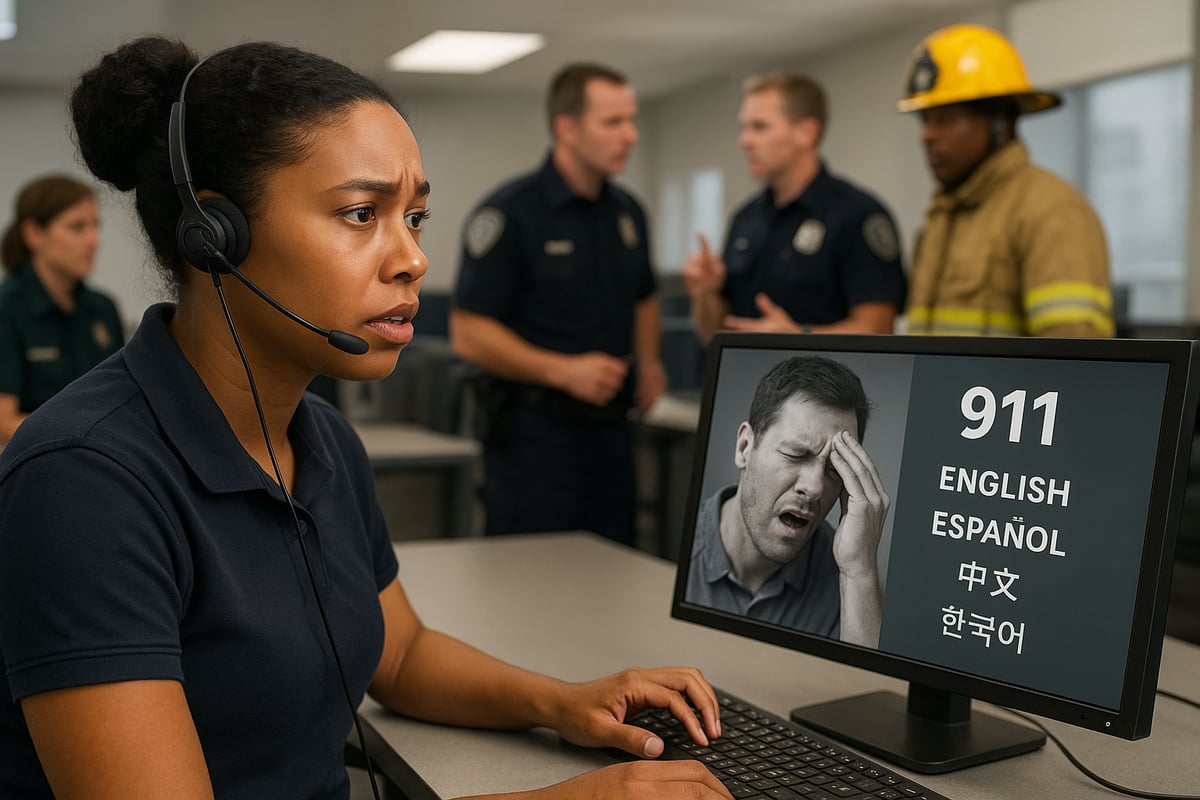
In today's interconnected world, emergencies often cross language lines. When seconds count, the ability to translate emergency information accurately can mean the difference between life and death. From bustling urban centers to rural communities, language diversity is greater than ever, making it essential to address communication gaps before crises occur.
Multilingual Emergencies Are on the Rise
Global migration and travel have transformed the landscape of emergency response. According to the United Nations, over 280 million people are international migrants as of 2023. In the United States, 1 in 5 residents speaks a language other than English at home (US Census, 2024). This demographic shift means that emergency teams must be prepared to translate emergency communications in real time.
| Statistic | Value | Source |
|---|---|---|
| International migrants worldwide | 280 million+ | UN, 2023 |
| US residents speaking non-English at home | 1 in 5 | US Census, 2024 |
The Cost of Miscommunication
Language barriers can delay emergency response, increase risk, and lead to tragic outcomes. Studies show that in medical emergencies, patients with limited English proficiency experience longer response times and higher rates of adverse events. During natural disasters, missing or misunderstood alerts can result in preventable injuries or deaths. One report found that emergency service workers lose up to a week each year due to language barriers, underscoring the urgency to translate emergency information efficiently (Language barriers in emergency services).
Legal and Ethical Responsibilities
Emergency services have both legal and ethical obligations to provide language access. In the US, the Americans with Disabilities Act (ADA) and Title VI require equal access to emergency services, including translation. The EU Accessibility Acts enforce similar standards across Europe. Meeting these requirements is not just about compliance; it is about ensuring that everyone receives timely, accurate information in a crisis.
Real-World Consequences
Consider these scenarios:
- In a hurricane, non-English-speaking families missed evacuation instructions, leading to dangerous delays.
- During a mass casualty event, medical teams struggled to translate emergency triage instructions, risking patient safety.
- In public safety incidents, miscommunication with limited-English speakers led to confusion and escalation.
Each example highlights the urgent need to translate emergency communications accurately and quickly.
Frontline Challenges and Perspectives
First responders and emergency managers often face high-pressure situations where every word counts. Many describe the frustration of not being able to understand or be understood by those they are trying to help. The pressure to translate emergency details on the spot can lead to mistakes and increased stress for both responders and victims.
Why Accuracy, Speed, and Sensitivity Matter
In a crisis, there is no room for error. Accurate translation ensures instructions are clear, resources are allocated correctly, and lives are protected. Speed is vital, but so is cultural sensitivity. Words and phrases that make sense in one language may carry different meanings in another. To effectively translate emergency messages, responders must consider context, tone, and local customs.
The Human Impact of Exclusion
Language exclusion during emergencies does more than delay help. It creates fear, confusion, and isolation for those who cannot access critical information. Survivors often report feeling invisible or ignored, which can have lasting emotional and psychological effects.
The ability to translate emergency communications is not just a technical skill; it is a lifeline. As our communities grow more diverse, investing in robust translation strategies becomes essential for saving lives and building trust before, during, and after a crisis.
Step-by-Step: Translating Effectively During Emergencies
Navigating a crisis is challenging, but language barriers can make it even more complex. To translate emergency messages accurately and efficiently, following a clear, structured process is crucial. This step-by-step guide empowers you with the best practices, tools, and strategies for overcoming communication obstacles when every second counts.
Step 1: Rapid Language Identification
The first step to translate emergency information is identifying the language quickly. In high-pressure situations, responders must act fast to avoid delays.
Common techniques include:
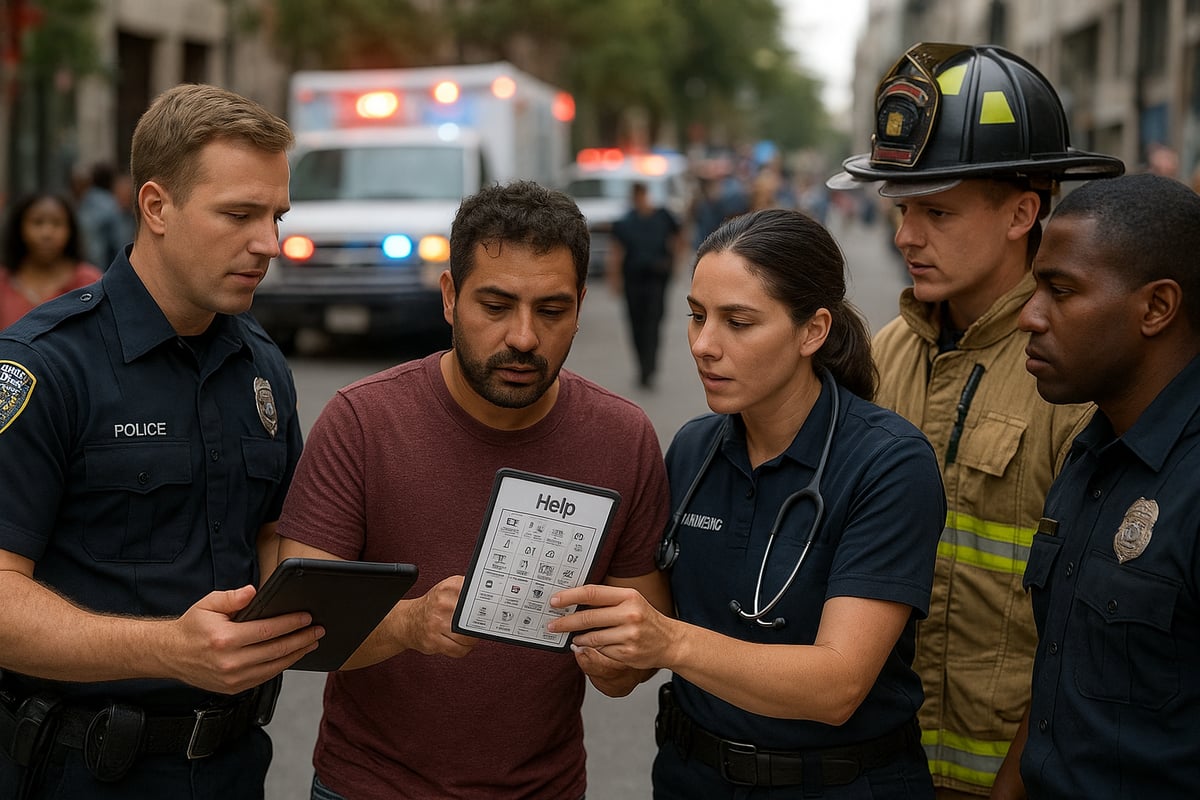
- Distributing language identification cards with common phrases and flags.
- Using mobile apps that detect spoken language within seconds.
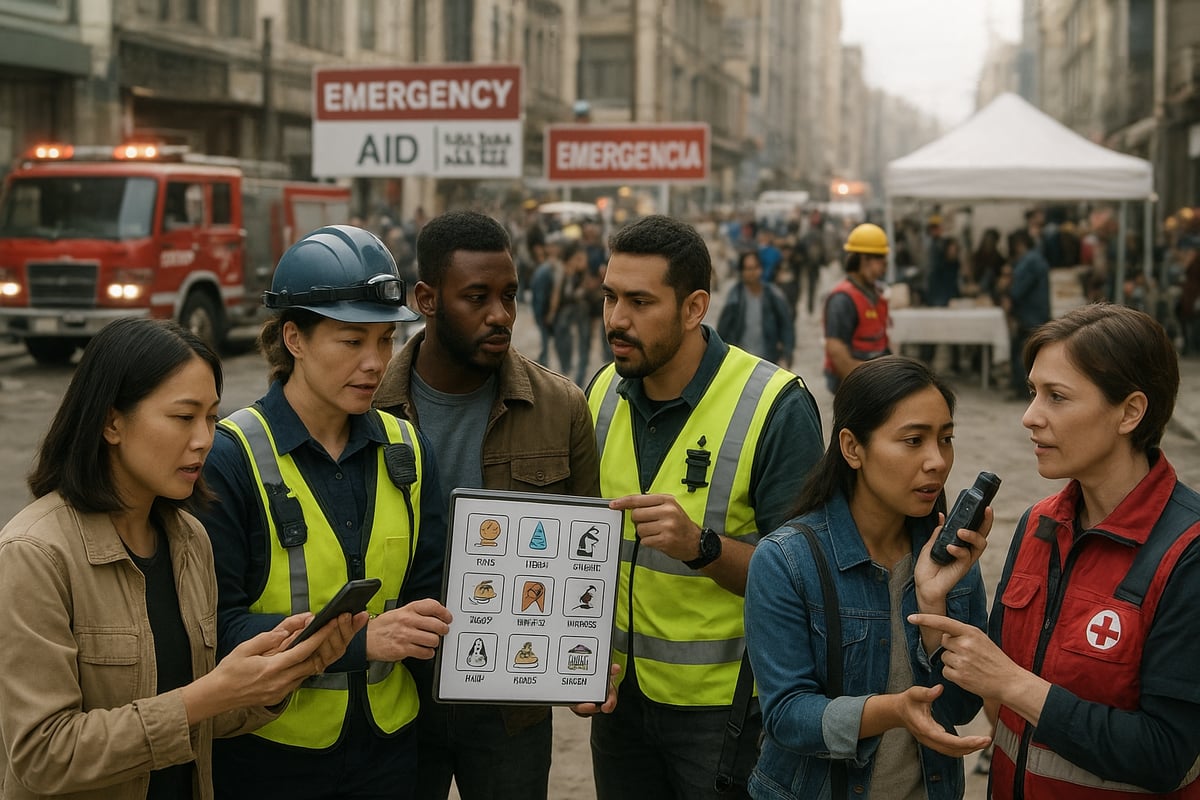
- Employing visual aids, like pictograms, for nonverbal communication.
For example, a fire department may present pictogram charts to a crowd, allowing individuals to point to their language. This approach speeds up the translate emergency process and ensures everyone receives help efficiently.
Step 2: Choosing the Right Translation Method
Selecting the appropriate method to translate emergency messages depends on urgency, context, and complexity. Each approach has unique strengths and limitations.
Comparison Table: Translation Methods
| Method | Pros | Cons | Best Use Case |
|---|---|---|---|
| Machine Translation | Fast, scalable, always ready | May lack nuance, context issues | Text alerts, mass messaging |
| Human Interpreter | Accurate, culturally aware | Availability, cost, slower | Medical triage, interviews |
| Hybrid Solutions | Combines speed and accuracy | Requires coordination | Dispatch centers, field ops |
For instance, automated translation is ideal for urgent text alerts, while human interpreters are best for complex medical assessments. By matching the method to the situation, you optimize the translate emergency workflow and minimize risks.
Step 3: Utilizing Technology and Tools
Modern tools are vital to translate emergency communications effectively. Mobile translation apps, web platforms, and dedicated devices now offer robust features.
Key functionalities to consider:
- Offline access for use in disaster zones.
- Voice-to-text and speech recognition for hands-free operation.
- Real-time translation with high accuracy and speed.
According to Gartner (2024), over 65% of emergency agencies have adopted at least one translation tool. These technologies streamline the translate emergency process by allowing responders to communicate instantly, even without internet access. Field-tested devices, such as handheld translators, are also becoming standard equipment.
Step 4: Ensuring Accuracy and Clarity
Accuracy is paramount when you translate emergency information. Misunderstandings can have life-threatening consequences, so verification is essential.
Best practices include:
- Using back-translation to confirm meaning.
- Relying on plain language and avoiding jargon.
- Supplementing text with visual aids and symbols.
Hospitals often double-check translated consent forms to ensure patient understanding. For more guidance, see these best practices for translating emergency information, which emphasize cultural competence and clarity. By prioritizing these steps, you make the translate emergency process more reliable and inclusive.
Step 5: Maintaining Confidentiality and Compliance
Protecting sensitive data is non-negotiable when you translate emergency records. Legal requirements such as HIPAA, GDPR, and local privacy laws set clear boundaries for handling personal information.
Strategies include:
- Using encrypted messaging platforms.
- Limiting access to authorized personnel.
- Documenting all translation activities for audit trails.
For example, secure communication tools allow paramedics to send patient details to hospitals without risking data breaches. Following these guidelines builds trust during every translate emergency engagement.
Step 6: Training and Preparedness
Ongoing training ensures your team can translate emergency messages under pressure. Regular drills and scenario-based exercises reinforce protocols.
A case study from a major city showed that annual multilingual emergency simulations led to faster response times and fewer errors. Investing in preparedness means your translate emergency process is resilient, adaptable, and ready for any situation.
Essential Tools and Resources for Emergency Translation
In a crisis, the ability to quickly and accurately translate emergency information can mean the difference between chaos and coordinated response. As emergencies grow more complex in a global context, organizations need a robust toolkit to bridge language gaps. This section explores the most effective solutions, combining technology, human expertise, and practical resources to help you translate emergency communications with speed and precision.
AI-Powered Translation Platforms
AI-powered platforms are revolutionizing how agencies translate emergency messages. These tools offer real-time voice and text translation in over 100 languages, often integrating directly with dispatch and response systems. Key features include rapid speech recognition, dialect support, and offline functionality, ensuring communication remains uninterrupted even when networks fail.
According to industry data, emergency services using AI platforms have reduced call transfer times by 30 percent. This efficiency can be life-saving when every second counts in a translate emergency scenario. Leading platforms also employ secure data protocols, helping agencies comply with privacy regulations.
To maximize impact, look for solutions with high accuracy rates, customizable glossaries, and user-friendly dashboards. For a deeper dive into the balance between AI and human interpreters in 911 communications, see AI and human interpreters for 911.
Human Interpreter Networks
Despite advances in technology, human interpreters remain essential for nuanced or high-stakes interactions. National and regional interpreter hotlines offer on-demand access to certified professionals, supporting responders during medical triage, legal incidents, or complex emergencies.
When you need to translate emergency conversations involving sensitive details or cultural context, human expertise is irreplaceable. Criteria for selecting partners include certification, response time, and experience in crisis environments. For example, cities with 24/7 interpreter access have improved EMS response rates and built greater trust with diverse communities.
Mobile Apps and Multilingual Communication Devices
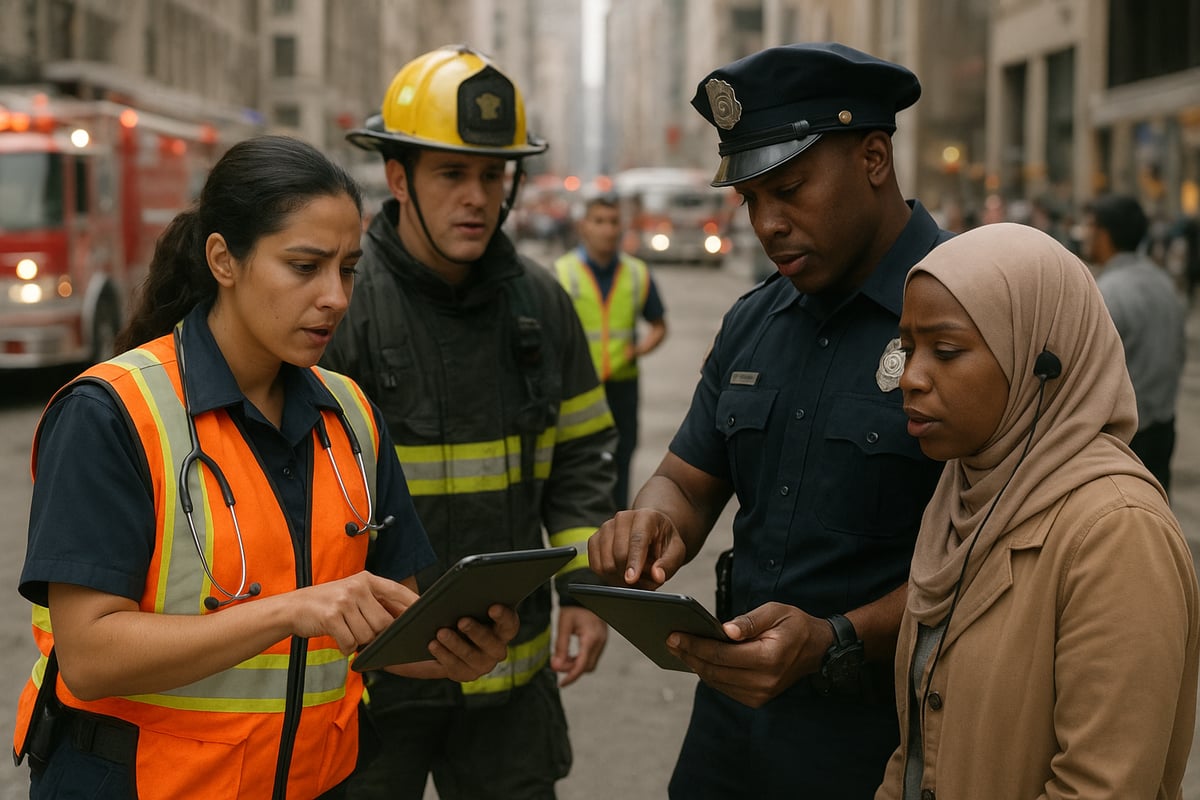
Field responders increasingly rely on mobile apps and handheld devices to translate emergency instructions on the go. Top-rated apps for iOS and Android provide instant text, voice, and even image translation between dozens of languages. Many apps offer offline capability, which is crucial during power outages or remote deployments.
Handheld translators designed for emergency use are rugged, easy to sanitize, and can process multiple language pairs. User ratings highlight the importance of speed, clarity, and battery life. In practice, these devices empower frontline teams to translate emergency directions and connect with people when time is critical.
Multilingual Emergency Templates and Visual Aids
Preparedness means having multilingual scripts, pictogram charts, and signage ready before disaster strikes. Many government agencies and NGOs offer downloadable resources, including pre-translated emergency alerts, evacuation instructions, and medical forms.
Visual aids, such as pictograms, are invaluable for low-literacy or panicked populations. FEMA, for example, provides multilingual disaster preparedness materials that responders can print or display as needed. These resources ensure you can translate emergency information quickly without risking accuracy.
Training and Certification Programs
Translating emergency messages effectively requires more than just the right tools—it demands skilled personnel. Training and certification programs teach staff how to use translation technology, follow legal protocols, and maintain cultural competency.
Certifications like CCHI and NBCMI set industry standards for interpreter performance. Data shows that agencies with certified staff report 40 percent fewer communication errors during crises. Investing in ongoing training prepares your team to translate emergency content with confidence and reliability.
Convey911: Real-Time Emergency Translation Solutions
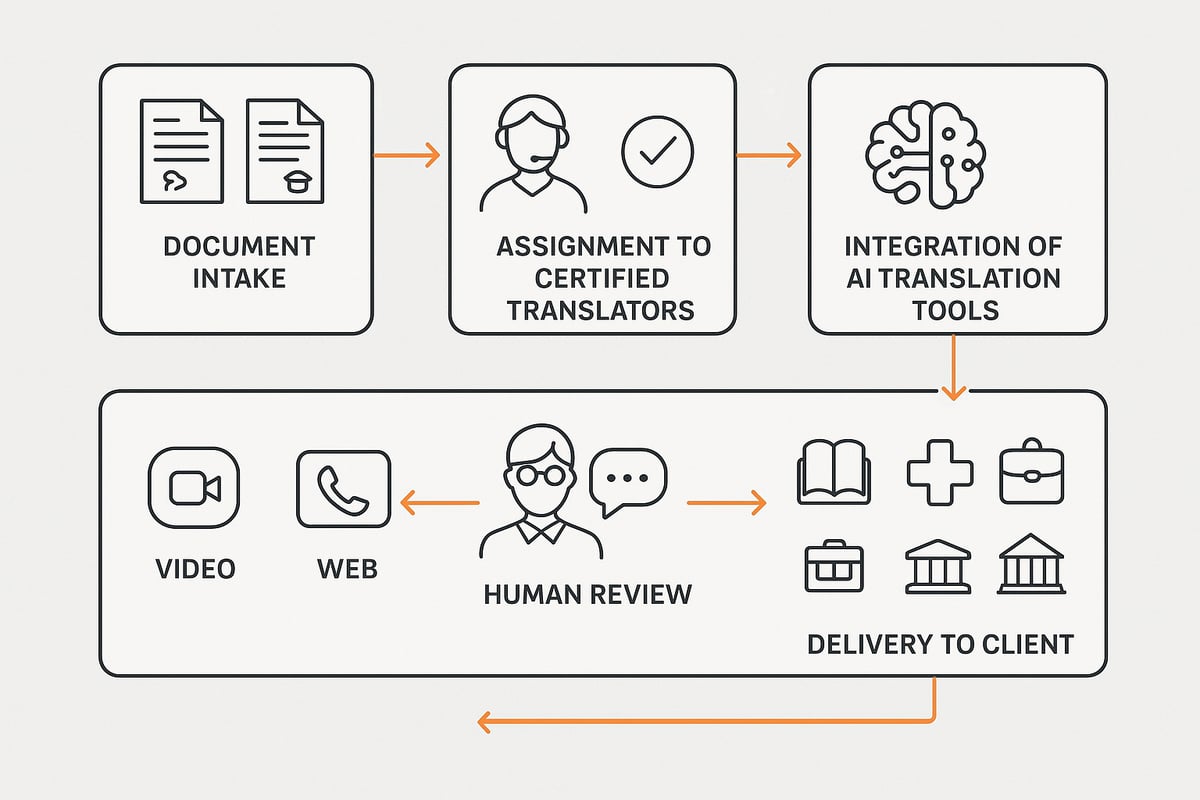
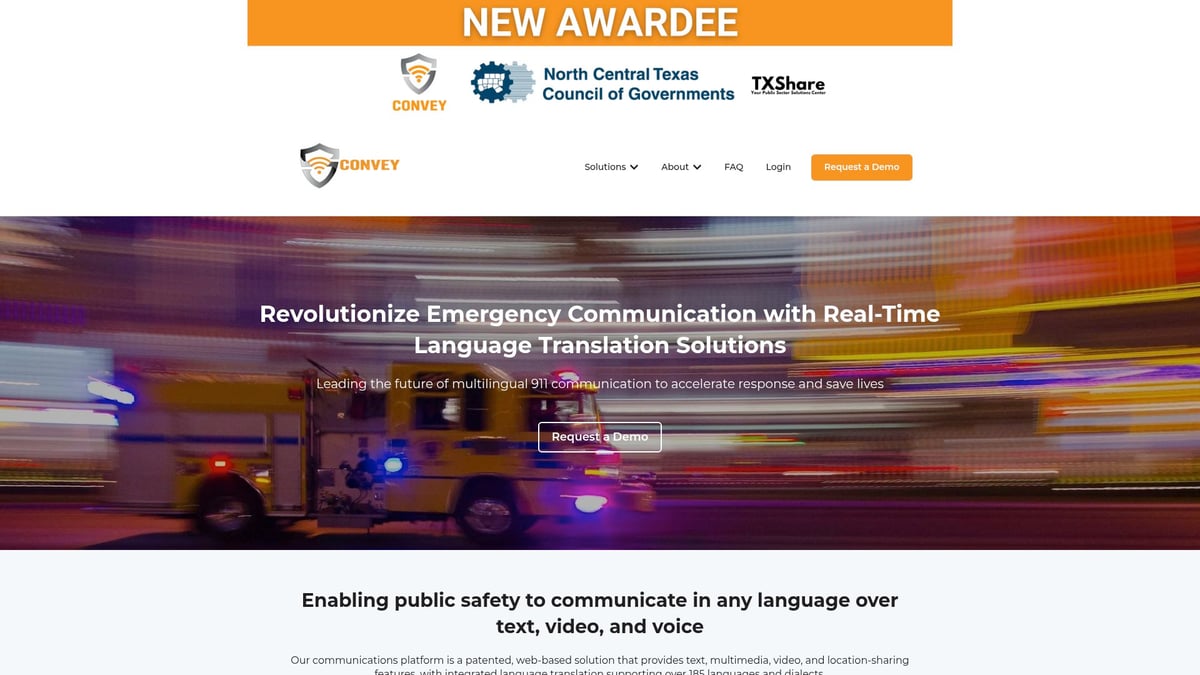
Convey911 offers a web-based platform that supports over 185 languages via text, multimedia, and video. It integrates seamlessly with 911 centers and field responders, delivering instant and secure translation for any emergency. Case studies reveal that agencies using Convey911 have reduced language-related delays, improved response times, and enhanced public safety outcomes.
Real-World Scenarios: Translation in Action During Emergencies
Emergencies rarely offer second chances. In a world where communication saves lives, the ability to translate emergency information quickly and accurately can mean the difference between chaos and control. Consider these recent scenarios that highlight why translate emergency solutions are vital for every community.
Hurricane Response in a Multilingual City
When a major hurricane struck a coastal city with residents speaking over 60 languages, traditional alerts left many confused. Emergency managers implemented a translate emergency protocol using AI-powered translation platforms and multilingual hotlines. Public safety messages reached everyone, including those with limited English proficiency. As a result, evacuation compliance soared, and shelter admissions included a higher percentage of at-risk populations. According to Bridging the language gap in 911, streamlined translation workflows can dramatically improve emergency outcomes for diverse communities.
Medical Triage at a Mass Casualty Event
During a large-scale transportation accident, dozens of victims spoke limited English. Paramedics relied on interpreter networks and mobile translation apps to conduct medical triage. These translate emergency tools enabled accurate symptom assessment and consent for treatment. A recent study on the impact of language barriers on emergency care found that language inclusion reduces delays and improves care quality, reinforcing the need for professional translation during crises.
Translating Public Health Alerts for Immigrant Communities
In the height of the COVID-19 pandemic, city health departments faced the challenge of delivering timely updates to rapidly changing immigrant populations. By deploying pre-translated alerts, pictogram signage, and multilingual hotlines, health officials ensured that everyone received vital information about testing, vaccination, and quarantine. These translate emergency strategies built trust and boosted compliance, helping flatten the curve in vulnerable neighborhoods.
Resolving a Hostage Situation with Remote Interpreters
Law enforcement faced a tense standoff when a non-English-speaking individual was involved in a hostage scenario. Officers used secure video conferencing to connect with certified interpreters, facilitating real-time negotiation. The translate emergency solution deescalated the situation without harm. This approach demonstrated the power of language access in protecting both civilians and responders.
Lessons Learned and Survivor Perspectives
Cities with robust translate emergency protocols report emergency resolutions 25% faster, as noted by the National Association of Emergency Medical Technicians. In contrast, past failures where translation was lacking led to confusion, mistrust, and preventable injuries. Survivors often describe the relief and reassurance that comes when someone finally speaks their language. For many, the ability to translate emergency messages is not just a convenience but a lifeline.
Preparing for the Future: Trends and Innovations in Emergency Translation
The future of translate emergency solutions is rapidly evolving, driven by new technologies, policy shifts, and the urgent need for accessible communication in crisis situations. As global emergencies become more complex and multilingual, staying ahead of these trends is vital for effective response and public safety.
Advances in AI and Machine Learning
Recent breakthroughs in artificial intelligence are transforming the translate emergency landscape. AI-driven translation engines now deliver context-aware, dialect-specific communication, making it easier to reach diverse populations with accuracy and speed.
Modern platforms use real-time speech recognition and sentiment analysis, helping responders interpret tone and urgency, not just words. For instance, next-generation AI can distinguish between medical jargon and everyday language, reducing misunderstandings during high-stress incidents.
By 2026, industry experts predict that AI-powered solutions will handle up to 80% of translate emergency interactions, streamlining communication between dispatch centers, field teams, and the public. This shift promises not only faster response times but also greater inclusivity for speakers of less common languages.
Agencies are integrating these tools into their emergency workflows, as highlighted in Emergency communication workflow tips, to ensure seamless coordination across multilingual teams. As AI continues to evolve, human oversight remains essential to guarantee accuracy, empathy, and cultural sensitivity in every translate emergency scenario.
Integration with Next-Generation Emergency Services
The integration of translate emergency technology with next-generation services is shaping the future of crisis response. NG911 and eCall systems now support multilingual communication, enabling dispatchers to interact with callers in their preferred language through text, voice, or video.
Smart cities are piloting IoT devices and sensors equipped with built-in translation capabilities. These innovations allow automated alerts and instructions to be delivered in multiple languages instantly, improving situational awareness and compliance during emergencies.
Field responders benefit from seamless connectivity between their translate emergency tools and central command systems, enabling rapid information sharing and coordinated action. As these technologies mature, the focus will shift toward interoperability and user-friendly design, ensuring that language access remains at the forefront of emergency services.
Policy and Regulatory Developments
Policy changes and regulatory mandates are accelerating the adoption of translate emergency solutions worldwide. In the US, EU, and APAC regions, new laws require public safety agencies to provide timely language access during emergencies.
Federal and regional grants are now available to help agencies upgrade their 911 language services and implement advanced translation platforms. These investments not only enhance compliance but also foster trust within multilingual communities.
To stay ahead, organizations must monitor evolving standards and funding opportunities, ensuring their translate emergency protocols meet the latest legal and ethical requirements. For a deeper look at the growing importance of language access in public safety, see The language access awakening in emergency services.
Community Engagement and Inclusive Preparedness
Effective translate emergency strategies go beyond technology and policy. Building partnerships with multilingual communities is crucial for successful preparedness and response.
Agencies are co-developing emergency materials with local leaders, ensuring that alerts and resources resonate culturally and linguistically. Data shows that community-driven translation programs increase public trust and compliance, leading to better outcomes during crises.
Preparedness drills and outreach initiatives help identify language gaps and build resilience. By involving community voices in planning, agencies can create translate emergency solutions that truly meet the needs of all residents.
Ethical Considerations and Human Oversight
As automation expands, ethical considerations in translate emergency scenarios become increasingly important. While AI can process information quickly, it may lack the human empathy and judgment needed in sensitive situations.
Balancing machine efficiency with human oversight ensures that automated translations do not introduce errors or cultural insensitivity. Agencies must establish clear guidelines for the responsible use of AI, addressing potential biases and respecting privacy.
Transparency in how translate emergency technologies are deployed builds public confidence and safeguards the rights of vulnerable populations. Continuous staff training and feedback loops are essential for maintaining ethical standards as technology evolves.
Future Challenges and Opportunities
Despite significant progress, challenges remain for translate emergency efforts. Rare languages, digital divides, and resource constraints can hinder effective communication.
However, these obstacles create opportunities for cross-sector collaboration and innovation. By working together, technology providers, policymakers, and communities can shape a future where translate emergency solutions are accessible to all, no matter the language or circumstance.
As we’ve explored, overcoming language barriers in emergencies can truly save lives—especially as our communities become more diverse each year. You’ve now seen how effective translation tools and strategies make a real difference, from faster response times to improved public safety outcomes. If you’re ready to take the next step and see how these solutions could work for your organization, I encourage you to Schedule a Demo. Experience firsthand how real-time, multilingual communication can help you better serve everyone in your community—no matter the language.