
In 2025, online English translation tools have reached new heights, offering instant access to...
In today's interconnected world, the ability to translate text english has become essential for bridging cultures and expanding opportunities. Whether you are working, traveling, or building global relationships, accurate translation is a powerful tool.
This essential guide for 2026 will walk you through the latest advancements in language technology, highlight the most reliable translation tools, and share proven best practices. You will learn how to select and use solutions that fit your personal, professional, and worldwide communication needs.
Discover how translation technology has evolved, what tools lead the market, and how you can ensure both accuracy and cultural sensitivity. Ready to break language barriers and connect with the world? This guide will give you the knowledge and confidence to get started.
The Evolution of English Text Translation
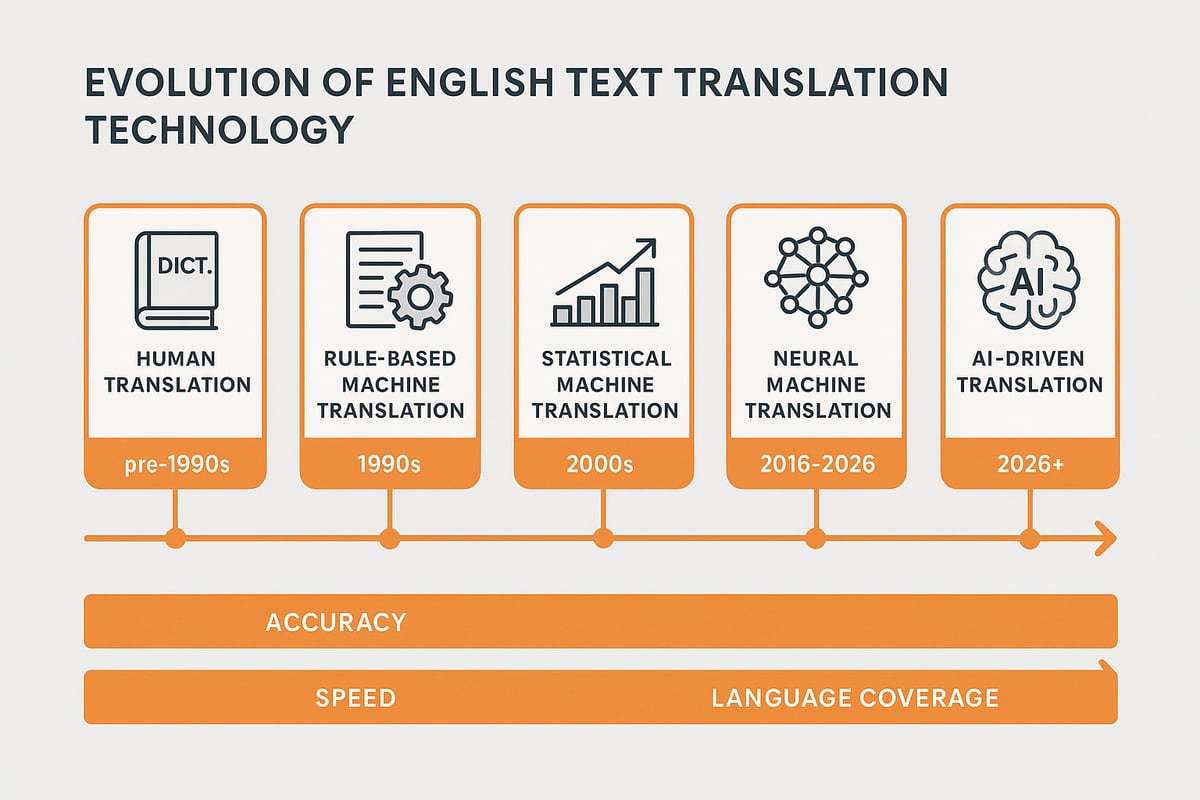
The journey to translate text english has a rich and fascinating history. In the early days, translation was entirely a human endeavor, relying on skilled linguists to bridge communication gaps. The 1990s marked a pivotal moment with the arrival of the first digital translation tools, offering basic word-for-word conversion but limited in nuance and accuracy.
| Era | Technology | Key Feature |
|---|---|---|
| Pre-1990s | Human Translation | Manual, context-aware |
| 1990s | Rule-Based MT | Grammar rules, dictionaries |
| 2000s | Statistical MT | Pattern recognition, data-driven |
| 2016–2026 | Neural MT (NMT) | Deep learning, context adaptation |
By 2024, more than 500 million people used online services to translate text english every month, according to Statista. This explosive growth is fueled by globalization, remote work, and the surge in cross-border e-commerce. As the world becomes more interconnected, the ability to quickly and accurately translate text english is no longer optional, but essential.
The introduction of machine translation brought three revolutionary phases. First came rule-based systems, which relied on linguistic rules and dictionaries. Next, statistical machine translation used large datasets to predict the best translation. The leap to neural machine translation in 2016 marked a new era, leveraging deep learning to understand context, tone, and even subtle nuances in language.
AI and deep learning have transformed how we translate text english. Modern systems are faster, more context-aware, and support a wider range of languages than ever before. For example, Google Translate has seen dramatic improvements since launching NMT in 2016. Its ability to handle complex sentences, idioms, and regional expressions has steadily increased, making the tool far more reliable in 2026 compared to a decade earlier.
Despite these advancements, challenges remain. Automatic systems still struggle with idioms, slang, cultural references, and specialized terminology. Translators must be vigilant to avoid literal translations that miss the intended meaning. This is especially true when you translate text english for legal, medical, or marketing content where accuracy and cultural sensitivity are paramount.
Open-source and crowdsourced projects have also played a crucial role in the evolution of English text translation. Platforms like Wikipedia and various translation communities have contributed to a broader, more inclusive set of language resources. These collaborative efforts help refine translation engines and expand support for less common language pairs.
The ongoing demand to translate text english is driven by several factors:
- Globalization and international business growth
- The rise of remote work and multinational teams
- Expanding e-commerce and digital services
- Increased migration and multicultural societies
If you are curious about how the journey from early translation tools to today’s advanced solutions unfolded, the English to Any Language Translator resource provides a deeper dive into the strategies and technologies shaping this field.
As technology continues to evolve, the quest to accurately and efficiently translate text english will only intensify. The future promises even greater integration of AI, broader language support, and more seamless communication across every border.
Top English Text Translation Tools and Platforms in 2026
The landscape of tools to translate text english has never been more diverse or advanced. In 2026, users have access to powerful AI-driven platforms, specialized software for professionals, convenient mobile apps, and niche solutions designed for industry-specific needs. Whether you are seeking speed, accuracy, or sector-tailored features, understanding the strengths and use cases of each tool is key to making the right choice.
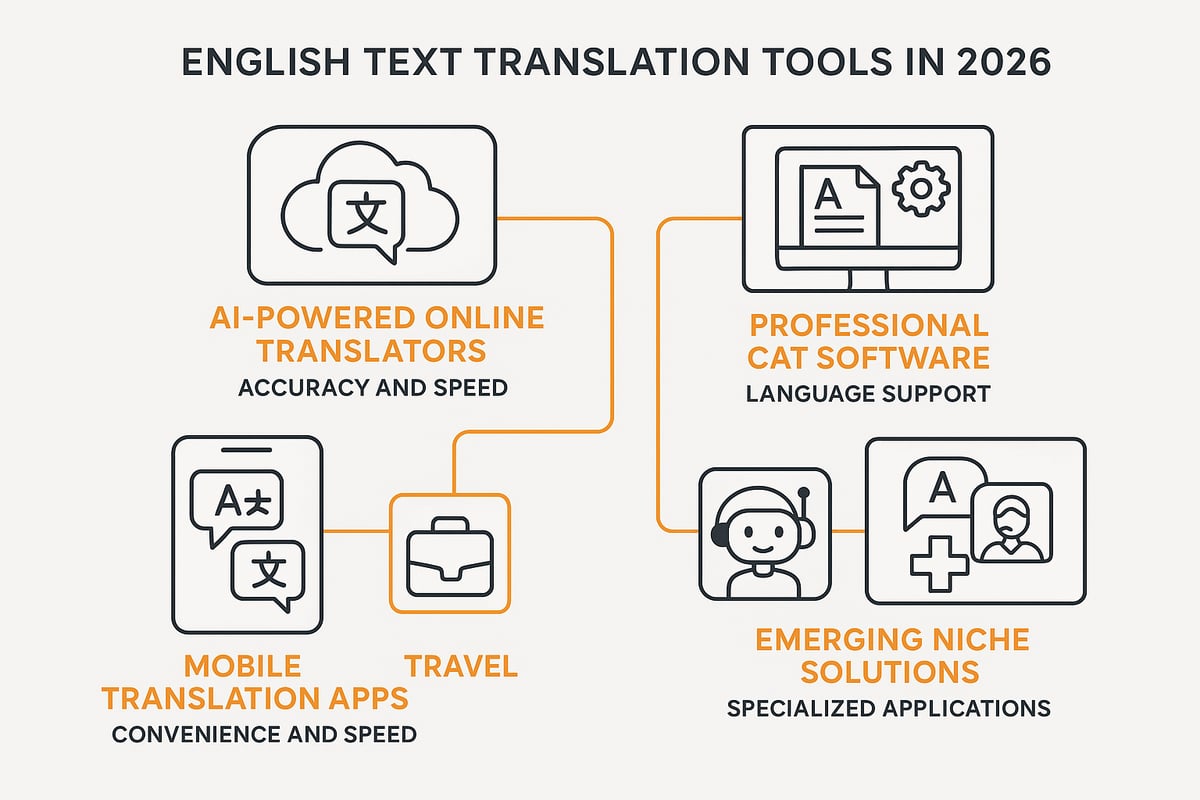
AI-Powered Online Translators
AI-powered platforms have revolutionized the way we translate text english, offering instant results with impressive accuracy. Google Translate, now leveraging advanced neural networks, adapts translations based on context, providing more natural phrasing and improved language support. DeepL stands out for its contextual awareness and commitment to privacy, making it a favorite for users prioritizing data security.
Microsoft Translator integrates seamlessly with productivity suites, supporting both text and real-time voice-to-text translation. These tools are widely used for business correspondence, academic research, and travel communication.
A 2025 competitor analysis found DeepL to be the most accurate for European languages. Despite their strengths, online translators can struggle with rare languages or highly specialized terminology. Still, for day-to-day needs, these platforms make it easier than ever to translate text english quickly and efficiently.
Specialized Translation Software for Professionals
For large-scale or industry-critical projects, specialized software is essential to translate text english with precision and consistency. SDL Trados Studio leads the field in Computer-Assisted Translation (CAT) tools, streamlining workflows for translation agencies and corporate teams. Its robust translation memory and terminology management features help reduce repetitive work and enhance accuracy.
MemoQ is prized for its advanced collaboration capabilities, allowing multiple linguists to work together on complex assignments. Wordfast offers a cloud-based environment with shared glossaries and translation memory, making it ideal for distributed teams.
Professional translators rely on these platforms to handle legal contracts, medical documents, and technical manuals. By leveraging specialized features, they ensure every time they translate text english, the output meets rigorous quality standards and regulatory requirements.
Mobile Apps and On-the-Go Solutions
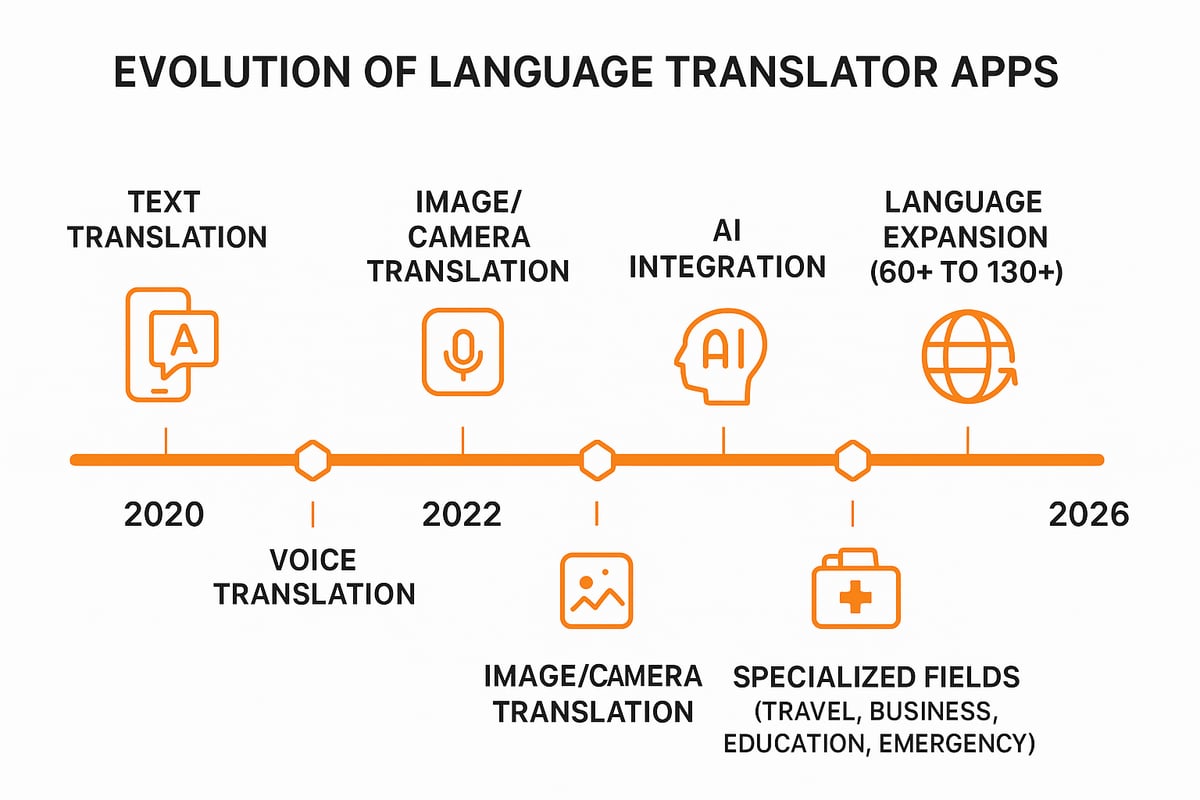
Mobile solutions play a vital role for users who need to translate text english in real time, wherever they are. The Google Translate App supports offline translation and instant camera translation, allowing users to point their device at foreign text and receive immediate results. iTranslate excels in delivering both voice and text translation, catering to travelers and expats alike.
SayHi focuses on real-time speech translation, facilitating conversations across language barriers. These apps are invaluable for tourists navigating new environments or handling daily tasks abroad.
For a comprehensive review of the best mobile and web apps to translate text english, see Apps to Translate Text. Mobile options bridge communication gaps instantly, making multilingual interactions more accessible than ever.
Emerging Platforms and Niche Solutions
The need to translate text english accurately in specialized contexts has spurred the rise of emerging platforms. AI-powered chatbots now provide customer support translation, ensuring global users receive prompt, understandable responses. Industry-specific platforms address sectors like healthcare, legal, and technology, where terminology and compliance are critical.
For remote teams, multilingual collaboration tools enable seamless communication across borders. Telemedicine, for example, benefits from platforms that support multilingual consultations, making healthcare more accessible.
According to Gartner, 65 percent of global businesses plan to invest in AI translation by 2026. These innovations ensure organizations can translate text english not just accurately, but also in ways tailored to their unique needs and audiences.
Step-by-Step Guide: How to Translate Text English Effectively
Translating text accurately is crucial, whether for business, travel, or personal use. This step-by-step guide will help you navigate the process to translate text english with precision and confidence.
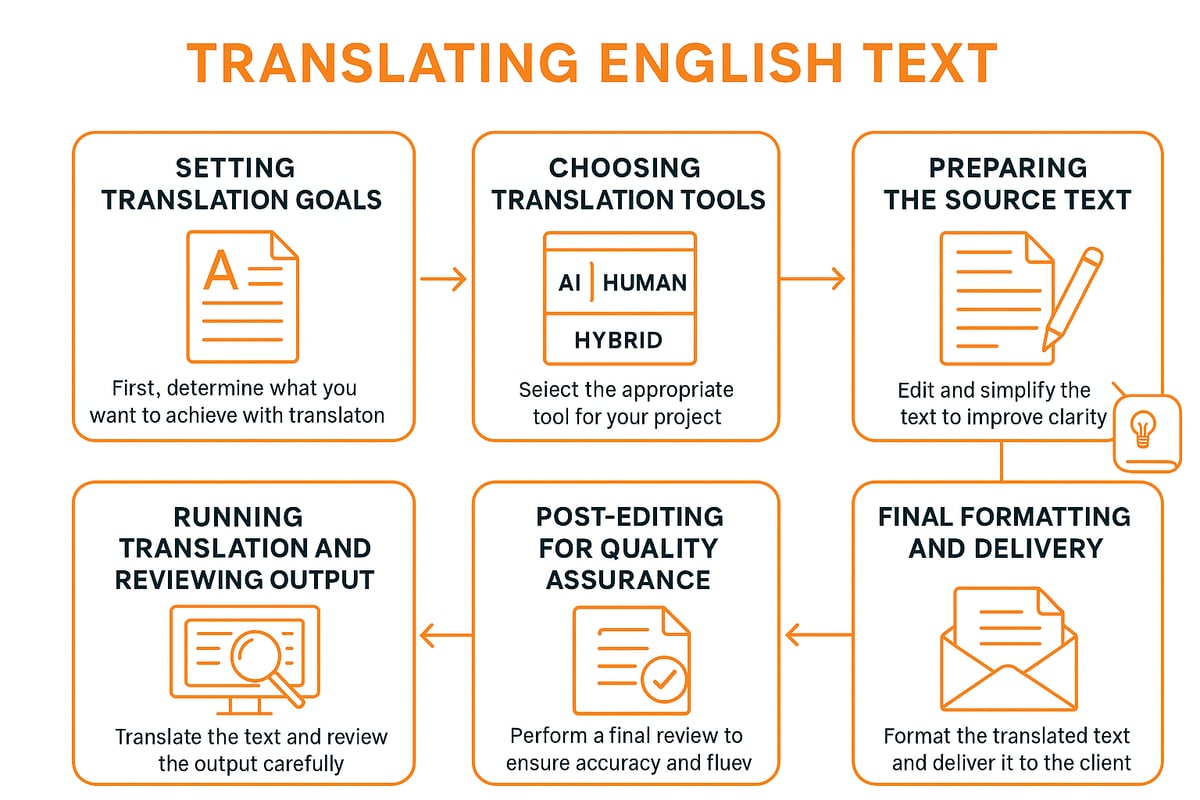
Step 1: Define Your Translation Goal
Begin by clarifying why you need to translate text english. Is it for personal communication, business, academic research, or legal documentation? Each purpose demands a different level of accuracy and tone.
Consider who will read the translated content. For example, translating marketing material for international customers requires a different approach than converting technical manuals for engineers. Ask yourself:
- Who is the target audience?
- What is the context and desired outcome?
- Are there cultural or regional preferences?
Setting a clear goal helps you choose the right approach and tool for your project. If you skip this step, you risk producing translations that miss the mark or confuse the reader. Always begin with a well-defined objective to guide the process.
Step 2: Choose the Right Translation Tool
Selecting the optimal tool is essential to accurately translate text english. Evaluate whether an AI-powered translator, a human linguist, or a hybrid solution best fits your needs.
Consider language pairs, subject matter, and required precision. For instance, creative writing may benefit from DeepL’s contextual capabilities, while legal contracts demand the consistency of SDL Trados Studio. Use a table to compare:
| Tool Type | Best For | Pros | Cons |
|---|---|---|---|
| AI Translator | Everyday, quick tasks | Fast, cost-effective | May misinterpret nuance |
| Human Expert | Sensitive, complex | Culturally aware | Slower, more expensive |
| Hybrid | Large-scale, technical | Efficiency + review | Workflow complexity |
If you need more detailed guidance, consult the Online English Translate Guide for a comprehensive overview of online translation options. Remember, no single tool is perfect for every scenario—match your choice to your goal.
Step 3: Prepare Your Text for Translation
Preparation directly affects how well you translate text english. Clean up your source material before translating. Remove extra formatting, clarify ambiguous phrases, and replace jargon with simpler words when possible.
Break long or complex sentences into shorter ones. This makes it easier for both humans and machines to grasp the meaning. For example, instructions like “Install the software, configure the network, and update the drivers” can be split for clarity.
Consider these tips:
- Use consistent terminology.
- Avoid idioms and slang unless culturally relevant.
- Double-check numbers, dates, and units.
Pre-editing your text can boost machine translation accuracy by up to 30 percent, according to TAUS. Invest time here to avoid costly corrections later.
Step 4: Translate and Review Output
Now, run your text through the selected method to translate text english. After getting the initial translation, review it carefully for errors, omissions, and cultural relevance. Machine-generated results often require a second look, especially with idioms or brand names.
Ask yourself:
- Does the translation make sense in the target language?
- Are any meanings lost or altered?
- Is the tone appropriate for the context?
For specialized documents, enlist a native speaker or subject matter expert to review the text. Automated tools can be fast, but human oversight ensures the final message resonates with your audience.
Step 5: Post-Editing and Quality Assurance
Quality assurance is a must when you translate text english, especially for professional or official use. Post-editing involves checking grammar, tone, and consistency across the entire document.
Use back-translation to verify meaning if accuracy is crucial. This means translating the text back into English to compare it with the original. For legal or medical documents, certified translators may be required.
Best practices include:
- Reviewing for spelling and punctuation errors.
- Ensuring terminology matches glossaries or style guides.
- Collaborating with other experts for final checks.
According to ProZ, 85 percent of professionals now use post-editing workflows to guarantee quality.
Step 6: Final Delivery and Implementation
The last step to translate text english is preparing your content for its end use. Format the translation for websites, printed materials, or emails as needed. Check that the layout, fonts, and hyperlinks are correct in the new language.
Make sure your content is accessible and complies with relevant standards, such as ADA or GDPR. For web content, test how the translation displays on different devices and browsers.
A final review prevents costly errors and protects your brand. By following each step, you ensure your translated text is accurate, culturally appropriate, and ready for global communication.
Best Practices for Accurate and Culturally Sensitive English Text Translation
In today's connected world, the need to translate text english with both precision and cultural awareness is more pressing than ever. Whether you are addressing a global audience or tailoring messages for specific regions, following industry best practices ensures your translations are not only accurate but also resonate with your target readers.
Understand Regional and Cultural Differences
A crucial first step when you translate text english is recognizing the differences between regional variants, such as US and UK English. Spelling, vocabulary, and even date formats can vary, impacting how your message is received. For example, "color" in US English becomes "colour" in the UK, and a "biscuit" in the UK is a "cookie" in the US.
| Term | US English | UK English |
|---|---|---|
| Color | Color | Colour |
| Elevator | Elevator | Lift |
| Cookie | Cookie | Biscuit |
Adapting your content to local conventions and idioms builds trust and ensures clarity for your audience.
Collaborate with Experts for Contextual Accuracy
To translate text english effectively, work with native speakers or subject matter experts. They help interpret slang, idiomatic expressions, and cultural references that automated systems may miss. This collaboration is especially vital for sectors like marketing, where tone and nuance matter.
Consulting with local experts also helps avoid cultural missteps or unintended offense. For a deeper understanding of essential translation principles, see these Best Practices in Translation.
Harness Translation Memory and Glossaries
Consistency is key when you translate text english, especially for large projects or ongoing communications. Translation memory (TM) tools and glossaries store approved terms, phrases, and style preferences. These resources ensure that repeated phrases remain uniform and reduce manual work.
For example, a business might use a glossary to keep product names consistent across regions. TM tools also speed up future translations by suggesting matches from previous work.
Adapt Tone, Avoid Literal Translation
Literal translations rarely capture the intended meaning, especially for humor, metaphors, or marketing slogans. When you translate text english, adapt your tone and style to fit the cultural context of your target audience.
Instead of translating word-for-word, focus on conveying the message's spirit. For instance, a campaign that works in the US may need rephrasing for audiences in Australia or India to maintain its impact and relatability.
Legal, Ethical, and Quality Considerations
Before you finalize and publish, always review translations for legal compliance, privacy, and copyright issues. Data protection regulations like GDPR may impact how you handle and store translated materials.
Regularly update your content to reflect changes in language, regulations, or cultural context. When you translate text english, a thorough review and update process helps avoid costly errors and ensures long-term engagement and trust.
Sector-Specific Solutions: Translation in Business, Healthcare, and Emergency Services
In today's global landscape, organizations must translate text english accurately across diverse industries. Each sector faces unique requirements, challenges, and opportunities when adopting translation technology.
Business and E-commerce
Businesses increasingly rely on solutions to translate text english for websites, customer support, and marketing. Global e-commerce platforms must localize product descriptions and adapt advertising to resonate with international shoppers.
A well-implemented translation strategy drives revenue and builds trust. For example, Amazon's approach tailors content for each market, boosting engagement and conversions. The demand for seamless multilingual experiences is reflected in the market's rapid growth. According to Machine Translation Market to Reach $23.53 Billion by 2032, businesses are accelerating investments in machine translation to keep pace.
Key benefits for business:
- Faster time to market for new products
- Improved customer satisfaction
- Cost savings compared to manual translation
Yet, companies must ensure cultural accuracy and compliance when they translate text english for international audiences.
Healthcare and Patient Communication
Healthcare organizations face critical stakes when they translate text english, as patient safety and quality of care depend on precise communication. Translating medical records, prescriptions, and consent forms demands accuracy and subject expertise.
In telehealth, platforms now support real-time interpretation for multilingual consultations. This enables patients to fully understand their care, regardless of language barriers. A single error in translation could impact treatment outcomes, so many providers use certified translators or robust AI tools.
Key strategies include:
- Collaborating with medical language experts
- Using domain-specific glossaries for consistency
- Implementing quality assurance checks
When organizations translate text english in healthcare, they must stay vigilant about privacy laws and patient confidentiality throughout the process.
Emergency and Public Safety Communications
Timely, clear communication is vital in emergencies, and agencies must translate text english instantly for diverse populations. During crises, first responders rely on real-time translation for 911 calls, public alerts, and mass notifications.
Non-English speakers may otherwise face dangerous delays in receiving help. Multilingual emergency systems bridge these gaps, ensuring everyone receives accurate instructions. For example, many US cities now use platforms to deliver alerts in multiple languages, reducing confusion and improving outcomes.
Convey911: Bridging Language Gaps in Emergency Services
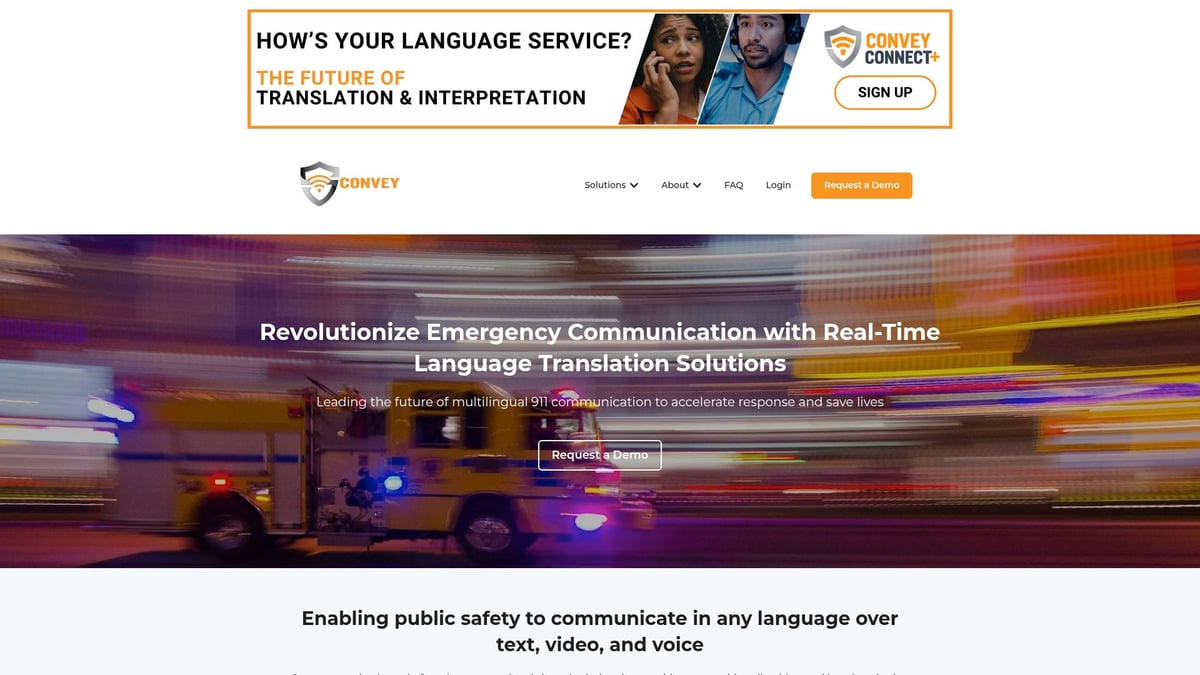
Convey911 revolutionizes how agencies translate text english in critical moments. This platform offers AI-powered translation and interpreter access for text, voice, and video, supporting over 185 languages in less than two seconds. Used by 911 centers like Baltimore City's, Convey911 improves response times and eliminates language barriers.
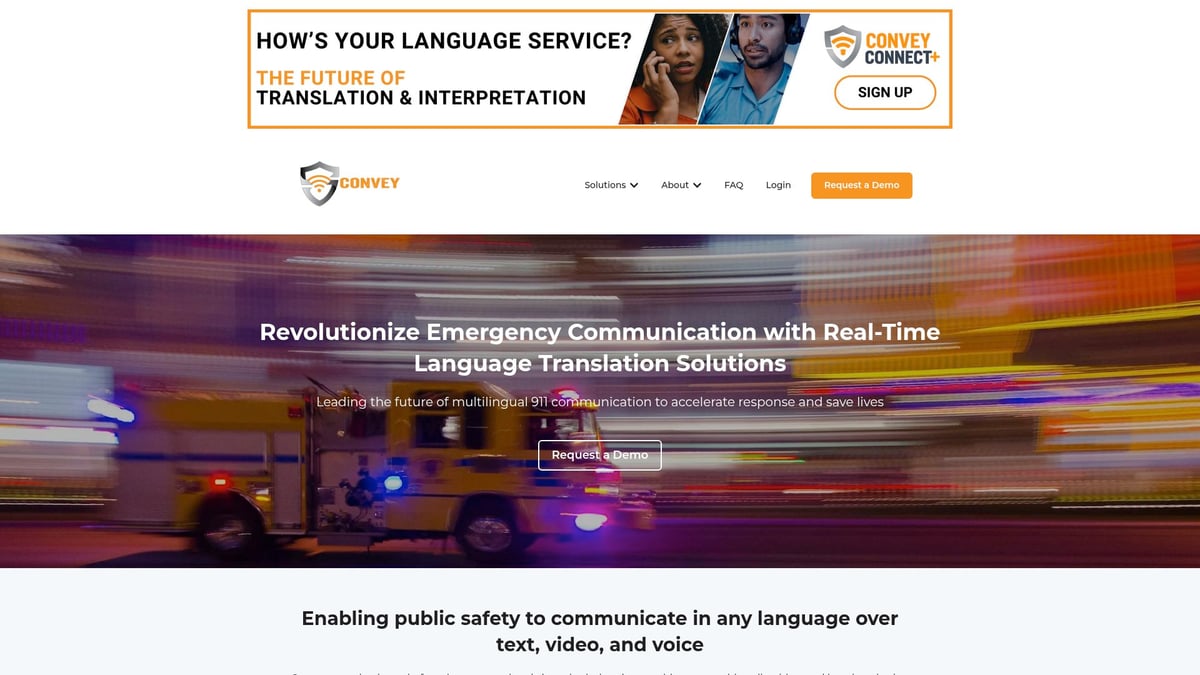
With Convey911, all callers receive timely, accurate assistance. The ability to translate text english effectively in emergencies can save lives and foster trust in public safety systems.
The Future of English Text Translation: Trends and Innovations for 2026 and Beyond
The next era of communication is already unfolding, as innovations in the way we translate text english are transforming not only how we connect, but also who can participate in the global conversation. In 2026 and beyond, these breakthroughs will redefine accuracy, speed, and inclusivity for everyone from individuals to international enterprises.
AI and Machine Learning: Beyond Literal Translation
Artificial intelligence now enables systems to translate text english with greater context awareness and emotional nuance. Neural networks have evolved to recognize tone, intent, and even cultural subtleties, making translations sound more natural.
Recent advances include the integration of voice synthesis and sentiment analysis, allowing platforms to mirror the speaker’s mood or urgency. In 2025, Language Weaver received the AI Breakthrough Award for its remarkable leap in AI-powered translation, setting new industry standards for accuracy and adaptability.
These improvements are crucial for sectors such as healthcare and law, where meaning and context carry life-changing consequences. As AI continues to learn from massive datasets, expect even more precise and human-like results.
Multimodal and Real-Time Translation
The future of translate text english is not limited to written words. Multimodal translation technology combines text, speech, images, and even video, creating seamless communication across diverse media.
Imagine AR glasses providing instant subtitles during live conversations, or wearable devices translating voice messages in real time. Device-agnostic solutions will allow users to access translations on smartwatches, tablets, and IoT gadgets without delay. This flexibility will empower travelers, remote workers, and global teams to collaborate without language barriers.
A recent report estimates the global translation market will reach $80 billion by 2026, underscoring the growing demand for these dynamic solutions.
Expanding Access: Low-Resource Languages and Inclusivity
Innovation in translate text english is also reaching languages that have been historically underrepresented. AI models are being trained on smaller datasets to support low-resource languages, making information accessible to more people worldwide.
Inclusivity is now a key goal, with platforms prioritizing accessibility features such as screen readers and easy-to-navigate interfaces. Blockchain technology is emerging as a solution for secure, verifiable translation workflows, especially for sensitive documents and regulated industries.
Human-AI collaboration is another trend, with hybrid workflows ensuring that specialized content—like medical or legal translations—benefits from both machine speed and expert oversight.
Future Trends and Benefits: At a Glance
| Innovation | Description | Benefit |
|---|---|---|
| Contextual AI | Understands tone, idioms, and intent | More natural communication |
| Multimodal Translation | Integrates text, speech, and images | Cross-media accessibility |
| Real-Time Wearable Support | Instant translation on AR glasses, wearables | On-the-go understanding |
| Low-Resource Language AI | Expands support to rare languages | Greater inclusivity |
| Blockchain Verification | Secures translation authenticity | Trust and compliance |
| Human-AI Hybrid Models | Combines machine speed with expert review | Accuracy in specialized domains |
Looking Forward: Seamless, Personalized Communication
As we look ahead, the ability to translate text english will become even more seamless and personalized. The latest Translation Industry Trends for 2025 highlight the integration of AI, post-editing workflows, and the rise of domain-specific solutions.
Consumers and professionals alike can expect translation technology to adapt to their unique needs, learning from user feedback and context. The result? A world where language is no longer a barrier, but a bridge to new opportunities and understanding.
Whether you’re navigating the evolving landscape of English text translation or searching for the fastest, most reliable tools for critical situations, having the right solution makes all the difference. We’ve explored how technology is breaking language barriers and why accuracy and speed are essential—especially in emergencies where every second counts. If you want to see firsthand how seamless, real-time multilingual communication can empower your team and save lives, I invite you to Book a Demo. You’ll experience the future of translation—today.