
Imagine facing a critical situation where every second counts, but language differences stand in...
In today’s globalized world, organizations face new challenges when it comes to clear communication across languages. As remote work and international collaboration accelerate, the demand for effective solutions is rising quickly.
Enter video interpreter services, a powerful tool that bridges language gaps instantly through live video connections. This guide will demystify how these services work, their core benefits, and the key features you should look for in 2026.
We will also explore top use cases, compliance essentials, and the latest trends shaping the industry. Ready to unlock seamless communication? Let’s get started.
What Are Video Interpreter Services?
In our interconnected world, clear communication across languages is essential. Video interpreter services have emerged as a powerful tool, enabling real-time language support through video technology. These services are transforming how organizations bridge language gaps and enhance accessibility for diverse communities.
Defining Video Interpreter Services
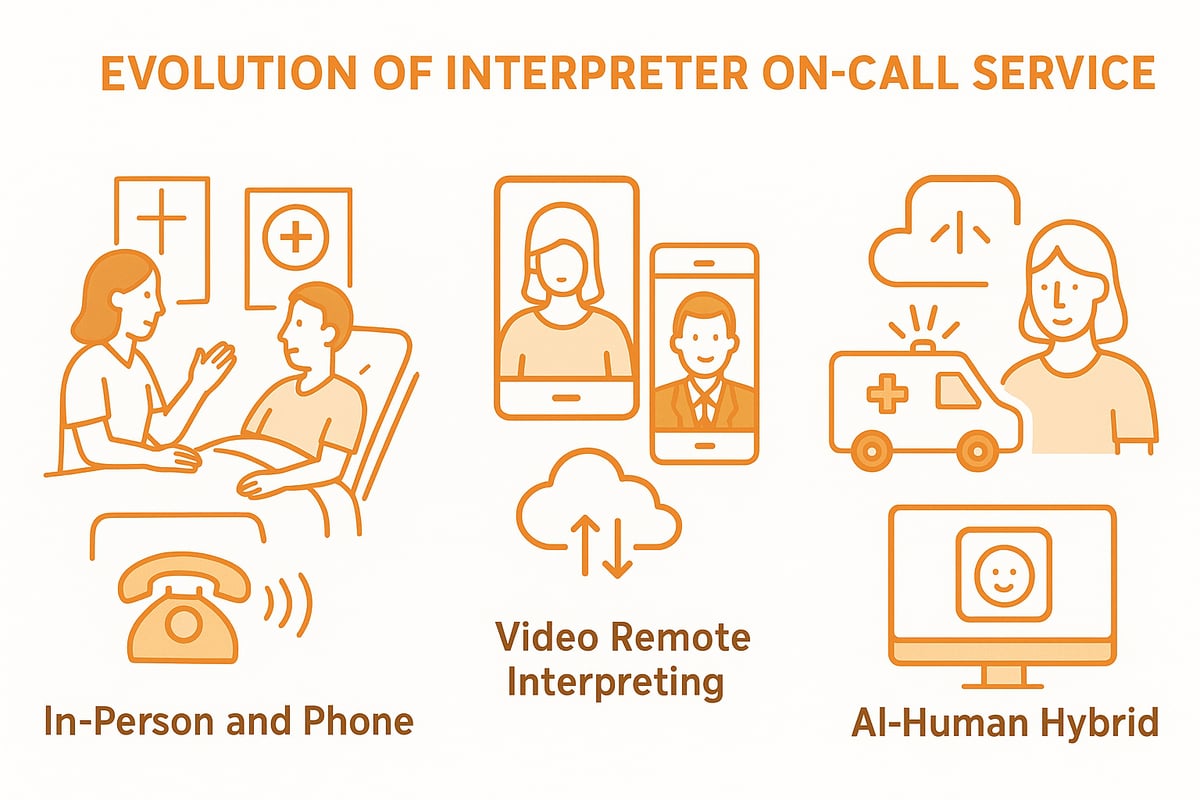
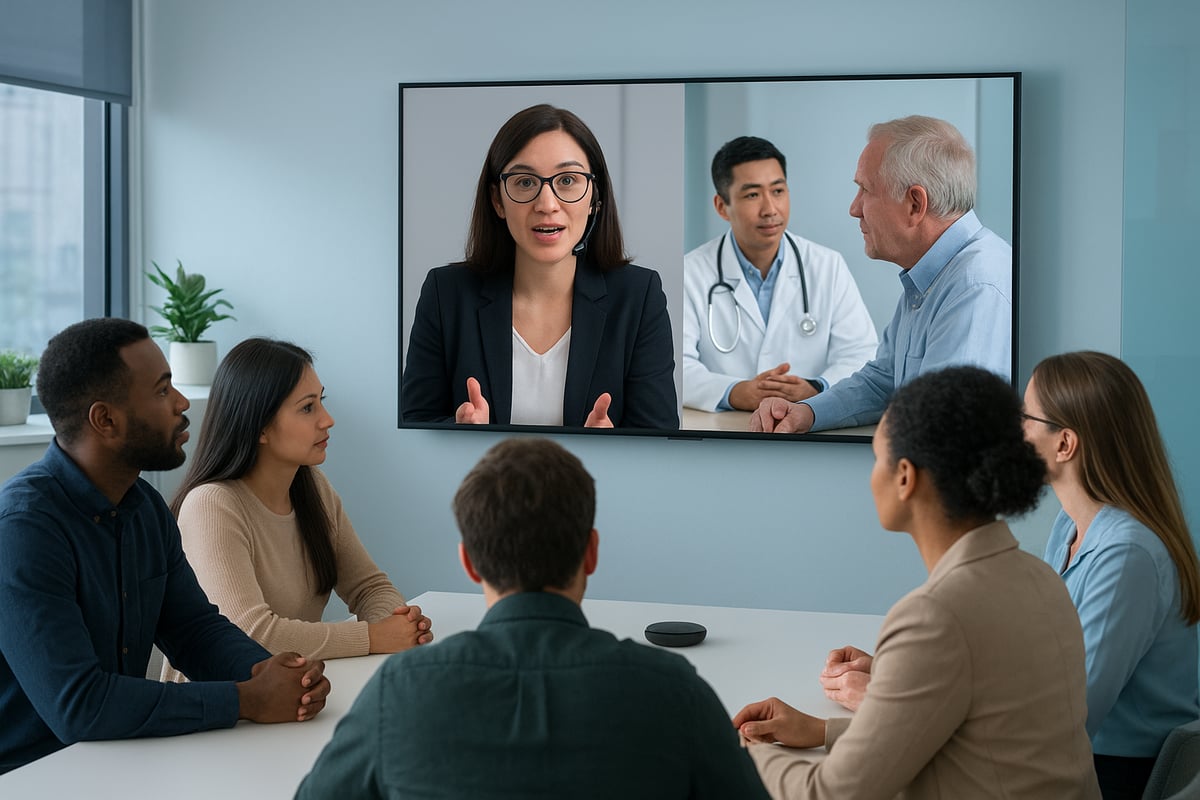
Video interpreter services provide live language interpretation through secure video platforms. Unlike traditional in-person or phone-based interpreting, these services offer face-to-face interactions remotely, improving clarity and understanding.
There are two main modes: synchronous, where interpretation happens live, and asynchronous, which uses pre-recorded video. Platforms range from dedicated apps to web-based tools and integrations with video conferencing solutions. For example, hospitals now use these services to connect instantly with medical interpreters, ensuring patients get timely, accurate information. For a deeper dive, see this Video interpreter services overview.
Types of Video Interpretation (VRI vs. VRS)
There are two primary types of video interpreter services: Video Remote Interpreting (VRI) and Video Relay Service (VRS). VRI connects users to interpreters for spoken or sign languages on demand or by appointment, making it ideal for healthcare, legal, business, and emergency settings.
VRS is designed mainly for Deaf and Hard-of-Hearing individuals, allowing them to communicate with voice callers through a remote sign language interpreter. For instance, an ASL user can access a remote interpreter instantly when interacting with public services, ensuring equal access and effective communication.
How Video Interpreter Services Work
The process for using video interpreter services is straightforward. A user initiates a session via a device, connects to a qualified interpreter, and the conversation proceeds with the interpreter facilitating communication.
Compatibility is broad, covering desktops, tablets, smartphones, and even kiosks. Many platforms integrate smoothly with existing workflows, such as telehealth systems or court proceedings. As an example, Boostlingo reports an average connection time of just 13.4 seconds, highlighting the efficiency of these solutions.
Languages and Accessibility
Most video interpreter services support a vast range of languages, often covering 100 or more, including American Sign Language (ASL) and rare dialects. Accessibility features such as high-definition video, screen sharing, and multi-party calling make these platforms inclusive for all users.
Organizations benefit from on-demand access to interpreters for uncommon languages, which is crucial in critical environments like emergency rooms. This broad language coverage and accessibility ensure that diverse and multilingual communities receive equitable, high-quality service.
Key Benefits of Video Interpreter Services
In an increasingly multilingual world, organizations need reliable ways to bridge communication gaps quickly and effectively. Video interpreter services offer a dynamic solution, delivering real-time access to language support across industries. Here, we explore the core benefits these services provide to both organizations and the communities they serve.
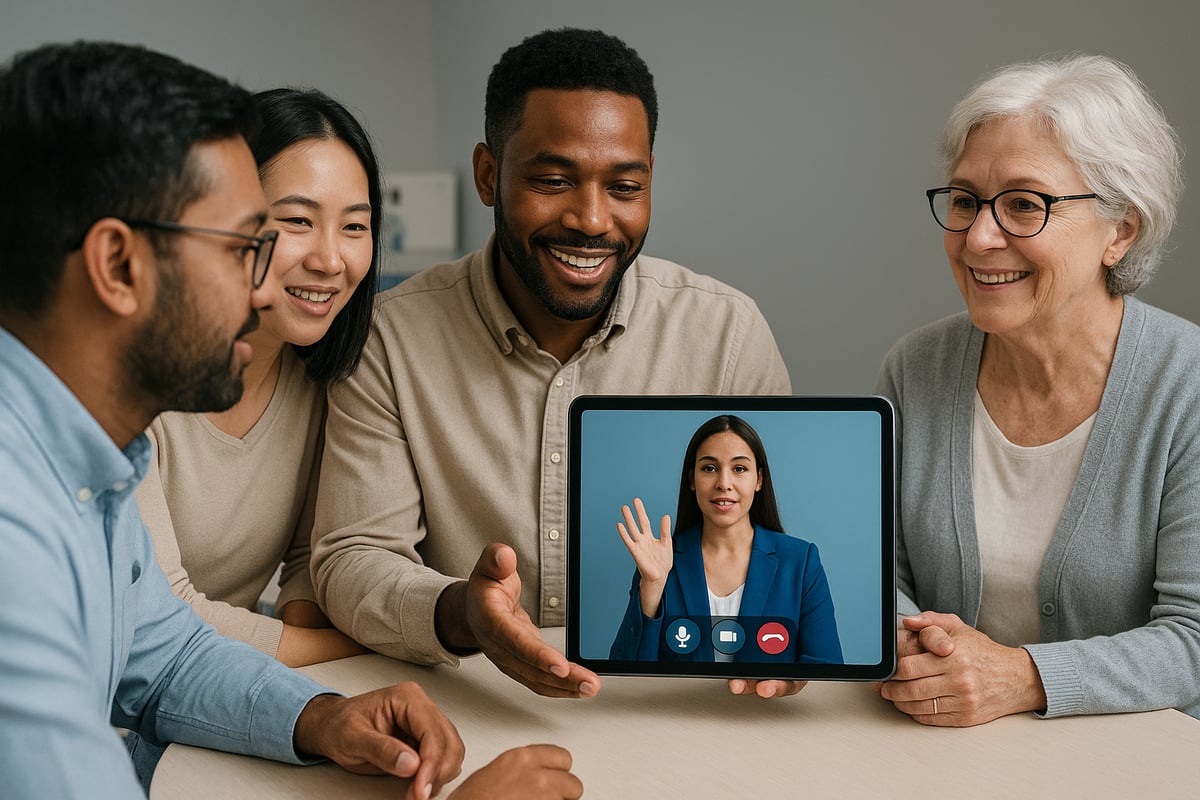
Overcoming Language Barriers in Real Time
One of the standout advantages of video interpreter services is their ability to eliminate communication delays. Whether in healthcare, legal, or customer support settings, immediate access to qualified interpreters ensures that conversations proceed smoothly.
- Instant connections reduce waiting times for vital information.
- Accurate interpretation lowers the risk of misunderstandings.
- Multilingual support covers a wide range of scenarios.
For example, in emergency rooms, staff can use video interpreter services to connect non-English speaking patients with interpreters within seconds. This not only improves outcomes but also enhances patient safety. To see how these solutions are transforming care, explore breaking language barriers in healthcare.
Enhanced Accessibility for Deaf and Hard-of-Hearing Users
Video interpreter services are essential for providing visual communication through sign language, making services more inclusive for Deaf and Hard-of-Hearing individuals. With high-definition video and clear audio, users can engage confidently.
- Supports American Sign Language (ASL) and other sign languages.
- Meets ADA and other accessibility standards.
- Enables equitable access to services in public agencies and hospitals.
Public institutions increasingly rely on these services to ensure everyone can participate fully, regardless of hearing ability. This commitment to accessibility reflects the growing importance of inclusive communication.
Cost and Time Efficiency
Organizations benefit from the cost and time savings that video interpreter services provide. Traditional in-person interpretation often involves travel expenses and long scheduling cycles, while video solutions offer:
- No travel or accommodation costs for interpreters.
- Flexible pay-per-use and subscription pricing models.
- Rapid deployment for both scheduled and urgent needs.
For instance, businesses reduce expenses by avoiding hourly fees and logistical planning. The efficiency of video interpreter services helps maximize resources while maintaining high-quality language support.
Improved User Experience and Trust
Face-to-face interaction, even through a screen, fosters connection and trust. Video interpreter services enhance user comfort compared to audio-only alternatives, leading to better engagement and satisfaction.
- Visual cues support understanding and empathy.
- Users feel more at ease, especially in sensitive situations.
- Consistent service quality builds organizational credibility.
Patients, clients, and community members report higher satisfaction when they can see and interact with interpreters directly. This improved experience is a key reason organizations continue to invest in video interpreter services.
Core Features to Look for in Video Interpreter Services
Selecting the right video interpreter services requires a careful look at core features that affect reliability, quality, and ease of use. Understanding these key attributes will help you make an informed decision and ensure your organization’s language access needs are fully met.
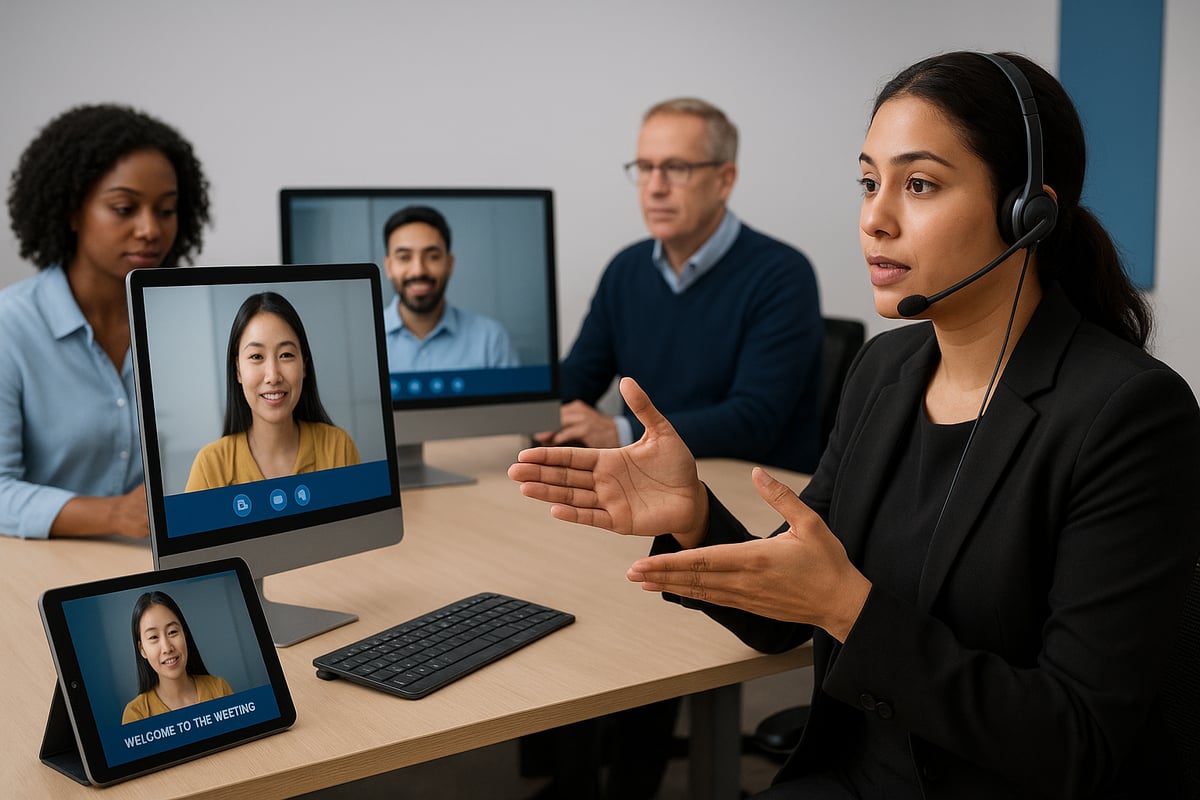
On-Demand and Scheduled Access
One of the standout features of video interpreter services is the flexibility to access interpreters both on demand and by appointment. This means you can connect with a qualified interpreter anytime, whether it is for an urgent situation or a planned meeting.
Legal firms, for example, often rely on scheduled sessions for court dates, while healthcare providers may require immediate access in emergency scenarios. The ability to book interpreters ahead of time, or tap into a 24/7 network, ensures that language support is always available when you need it most.
Look for platforms that offer both options, as this flexibility is essential for organizations with diverse and evolving needs. With robust scheduling tools, video interpreter services make it easy to coordinate language support across multiple departments and time zones.
Qualified and Certified Interpreters
Interpreter quality is a cornerstone of effective communication. Leading video interpreter services prioritize working with professionals who hold recognized certifications and have industry-specific expertise.
For example, medical and legal settings demand interpreters who are not only fluent but also familiar with specialized terminology and compliance standards like HIPAA. Many organizations choose providers that vet their interpreters thoroughly, often highlighting their credentials and experience.
If you are evaluating providers, review their standards and training. Some, such as those described in Why ConveyConnect interpreters excel, go above and beyond in ensuring interpreter excellence in video interpreter services. This commitment to quality helps build trust and ensures accurate, confidential communication.
Platform Security and Compliance
Security and regulatory compliance are non-negotiable for video interpreter services, especially in sensitive sectors like healthcare and government. A reliable platform must adhere to strict standards, such as HIPAA for health data, GDPR for privacy, and ADA for accessibility.
Look for features like end-to-end encryption, secure user authentication, and detailed audit trails. Hospitals, for instance, often select video interpreter services with proven security protocols to safeguard patient information.
Ensuring compliance not only protects your organization from legal risks but also reassures clients and stakeholders that their data is handled responsibly. Review each provider’s certifications and security measures before making a decision.
Multi-Device and Cross-Platform Support
Today’s workplace is mobile and distributed, so video interpreter services must offer compatibility across desktops, tablets, and smartphones. This flexibility allows users to access language support wherever they are, whether in the office, at home, or in the field.
Platforms that integrate with popular communication tools like Zoom and Microsoft Teams can simplify workflows and reduce friction. Field responders, for example, benefit from being able to launch interpreter sessions directly from their tablets during emergencies.
Check that your chosen service supports all necessary devices and integrates smoothly with your existing systems. This ensures that video interpreter services remain accessible and convenient for every user.
Performance Metrics and Reporting
Effective management of language access programs depends on actionable data. Top video interpreter services provide detailed performance metrics, including call logs, usage analytics, and interpreter ratings.
Organizations can use this information to optimize scheduling, monitor interpreter quality, and identify trends in demand. For instance, by analyzing call data, you can adjust staffing or language coverage to better serve your audience.
Look for dashboards and reporting tools that are easy to use and customizable. Transparent analytics help you maximize the impact and efficiency of your video interpreter services, supporting continuous improvement.
Top Use Cases and Industry Applications
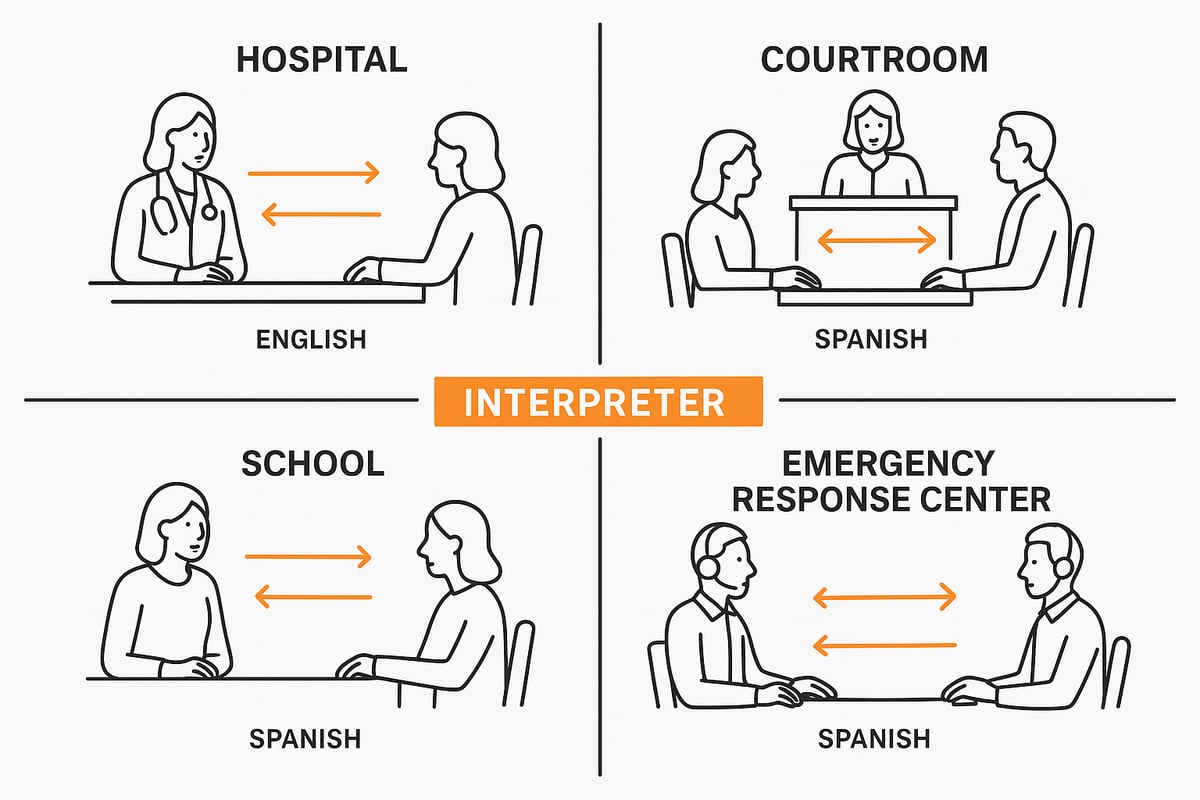
Video interpreter services have become essential across numerous sectors, providing real-time language support where it matters most. Organizations in healthcare, law, business, education, and emergency response now rely on these tools to ensure communication is clear and equitable for everyone.
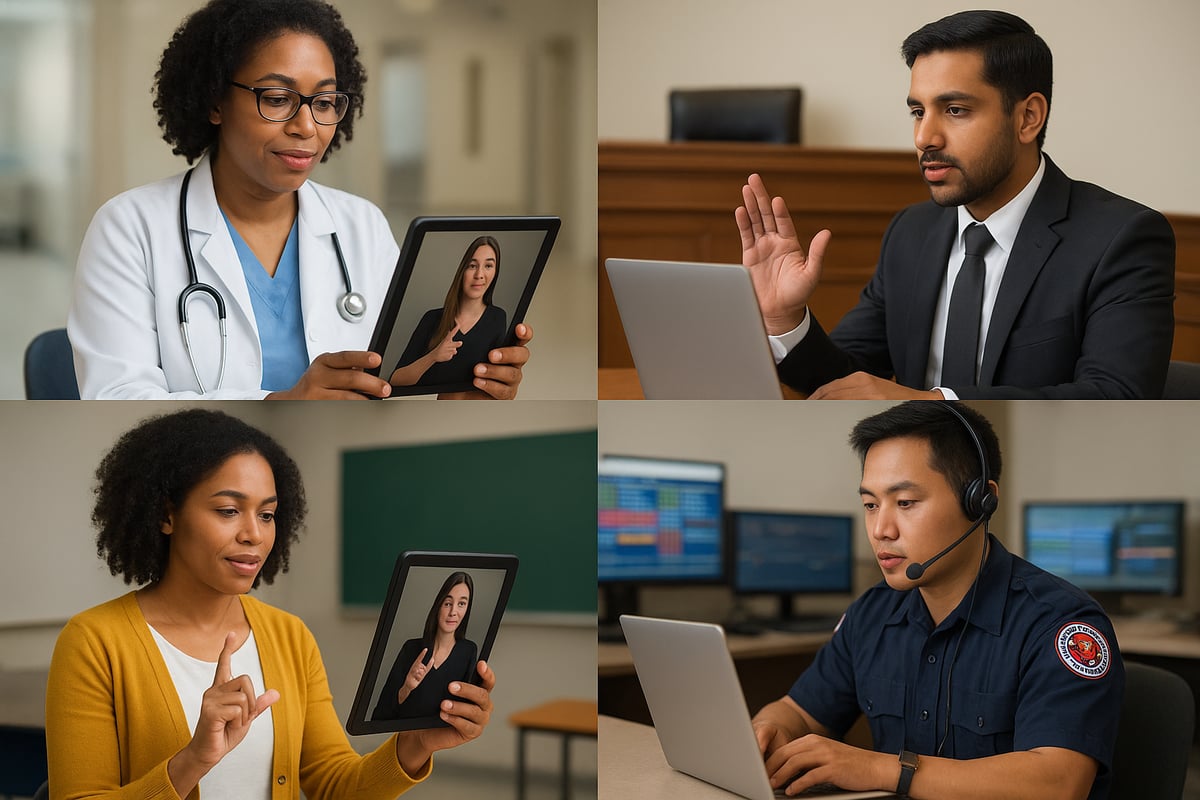
Healthcare and Telemedicine
In healthcare, video interpreter services are invaluable for bridging language gaps between providers and patients. Hospitals and clinics turn to these solutions for telehealth appointments, emergency care, and routine consultations. Leading platforms support over 300 languages, ensuring no patient is left behind.
For Deaf and Hard-of-Hearing patients, high-definition video enables clear sign language communication. Adhering to NAD's VRI Standards in Medical Settings ensures both quality and accessibility in critical care. These services help healthcare professionals meet compliance while improving health outcomes and patient trust.
Legal and Judicial Services
Courts and legal institutions use video interpreter services to provide fair access to justice for non-English speakers and people with disabilities. Certified interpreters facilitate remote hearings, depositions, and legal consultations, making the process smoother for all parties.
ADA compliance is crucial, especially when serving Deaf or Hard-of-Hearing defendants and witnesses. By integrating video interpreter services, legal teams reduce delays, lower costs, and uphold the right to equal representation for every participant.
Business and Customer Support
Global businesses turn to video interpreter services to deliver exceptional customer support in multiple languages. These services empower companies to reach wider audiences, address client needs in real time, and enhance satisfaction.
Instead of hiring large multilingual teams, organizations can connect with interpreters on demand. This model increases efficiency and reduces expenses, allowing businesses to focus resources where they matter most.
Education and Public Services
Schools, universities, and public agencies rely on video interpreter services to connect with diverse populations. From parent-teacher meetings to community outreach, interpreters help break down communication barriers.
Multilingual support ensures that families and residents receive accurate information and equal opportunities. Local governments use these services to guarantee access to vital resources, regardless of language background.
Emergency and Public Safety Communications
First responders and emergency services depend on video interpreter services during crises. Police, fire, and 911 centers use these platforms for instant language access, which is critical when every second counts.
Rapid connection to interpreters helps dispatchers gather information quickly and accurately. This capability saves lives, improves outcomes, and supports public safety personnel in serving all members of the community.
Use Case Comparison Table
| Industry | Key Applications | Accessibility Features | Example Scenario |
|---|---|---|---|
| Healthcare & Telemedicine | Telehealth, ER, consultations | ASL, 300+ languages | Remote medical triage |
| Legal & Judicial | Court hearings, depositions, legal aid | ADA support | Remote witness testimony |
| Business & Support | Customer service, internal meetings | Real-time access | Multilingual live chat |
| Education & Public | School meetings, community outreach | Multi-party calls | Parent-teacher conferences |
| Emergency & Safety | 911, disaster response, field operations | Fast connection | Police using tablet in field |
Video interpreter services continue to transform how organizations communicate, making language access seamless and inclusive across all industries.
Compliance, Privacy, and Security Considerations
Ensuring the highest standards of compliance, privacy, and security is essential for organizations using video interpreter services. These considerations protect sensitive information, uphold user rights, and build trust in every interaction. Let us explore the primary pillars that support secure and compliant video interpreter services.
Legal and Regulatory Requirements
Compliance is the backbone of responsible video interpreter services. Organizations must adhere to laws like HIPAA for healthcare privacy, ADA for accessibility, and GDPR for data protection. These regulations set strict standards for handling personal and health information through digital platforms.
Choosing platforms that meet these requirements is not optional. Failure to comply can result in fines, reputational damage, and legal consequences. For healthcare providers, understanding Section 1557 Language Access Requirements is especially critical, as it outlines obligations for language access and non-discrimination. Ultimately, compliance ensures that video interpreter services are safe and equitable for all users.
Data Security and User Privacy
Data security is a top priority for video interpreter services. Providers use encryption, secure storage, and strict access controls to protect user data during transmission and storage. These technical safeguards prevent unauthorized access and keep conversations confidential.
User privacy goes beyond technology. Platforms must obtain informed consent, provide transparent privacy policies, and allow users to control their information. Hosting data on secure servers, such as AWS GovCloud, adds another layer of protection. By prioritizing these measures, video interpreter services build confidence among organizations and service users alike.
Interpreter Confidentiality and Professional Standards
Trust in video interpreter services depends on the professionalism and ethics of interpreters. Interpreters are trained to maintain confidentiality, impartiality, and high ethical standards. This is especially important in sensitive settings, including healthcare and legal environments.
Organizations must thoroughly vet interpreters, verifying their credentials and experience. Legal interpreters, for example, are bound by strict confidentiality agreements to protect case details. Adhering to these standards ensures that video interpreter services deliver reliable and discreet communication every time.
Accessibility and Inclusivity
Accessibility is a core component of effective video interpreter services. Platforms should offer features that support users with visual, auditory, or cognitive disabilities. This includes high-definition video, clear audio, screen reader compatibility, and easy-to-navigate multilingual interfaces.
Making video interpreter services inclusive enables organizations to serve diverse communities. For example, high-definition video is essential for accurate ASL interpretation, ensuring that Deaf and Hard-of-Hearing users have equal access to services. Prioritizing accessibility reflects a commitment to equity and user satisfaction.
Future Trends and Innovations in Video Interpreter Services
As technology evolves, video interpreter services are rapidly transforming to meet the dynamic needs of global communication. Organizations are seeking more advanced tools and features to streamline multilingual interactions, while industry growth forecasts point to continued expansion and innovation over the next several years. Let’s explore the major trends shaping the future of video interpreter services.
AI and Machine Learning Integration
Artificial intelligence is quickly becoming a driving force behind video interpreter services. AI-powered tools can now handle basic conversational translation, streamlining the process for both users and interpreters. These systems help triage requests, identify languages, and route sessions to the right experts.
Machine learning algorithms continue to improve real-time translation accuracy, especially for commonly spoken languages. Some platforms even use AI to suggest context-specific terminology, reducing misunderstandings in technical or medical discussions.
For instance, AI-driven solutions can initiate an interpreted call and then seamlessly transition to a human interpreter for complex or sensitive topics. According to the Video Translation Service Market Report, the demand for advanced video interpreter services is expected to grow significantly as organizations embrace these smart technologies.
Expanding Language and Dialect Coverage
One of the most exciting developments in video interpreter services is the expansion into rare and indigenous languages. Leading providers are investing in community-driven interpreter networks, ensuring that even less-common dialects are accessible on demand.
Today’s platforms support over 300 languages and dialects, a number that continues to rise as global migration and business needs evolve. This broad coverage ensures equitable access to vital services for all communities, regardless of linguistic background.
Organizations can now confidently serve multicultural populations, knowing that their video interpreter services can bridge gaps in nearly any language scenario. This trend is especially vital in healthcare, legal, and public safety sectors, where precise communication is critical.
Enhanced User Experience and Smart Features
Next-generation video interpreter services are focusing on user experience and intelligent features. New platforms offer instant document translation, screen sharing, and session recording, making multilingual collaboration smoother than ever.
Personalized user interfaces adapt to individual needs, while feedback systems provide actionable insights for continuous improvement. High-definition video and crystal-clear audio ensure interpreters and users can see and hear every detail, which is crucial for sign language and visual cues.
Smart scheduling, automated reminders, and easy-to-navigate dashboards are becoming standard. These enhancements not only improve satisfaction but also drive efficiency for organizations using video interpreter services.
Industry-Specific Solutions and Integration
To meet the unique demands of different fields, video interpreter services are increasingly offering industry-specific solutions. Customization for sectors like healthcare, legal, education, and emergency response is now a top priority.
Platforms seamlessly integrate with electronic health records, customer relationship management, and dispatch systems, allowing for streamlined workflows. Interpretation management tools enable scheduling, analytics, and compliance tracking from a single interface.
According to AVIXA's Pro AV Industry Forecast, the professional audiovisual industry is set for robust growth, which will further fuel the adoption and integration of advanced video interpreter services across sectors.
How to Choose the Right Video Interpreter Service Provider
Selecting the best video interpreter services for your organization is a critical decision that impacts communication, compliance, and user experience. With the right approach, you can ensure seamless language access for all your stakeholders.
Assessing Your Organization’s Needs
Begin by evaluating your organization's unique requirements for video interpreter services. Identify the languages most frequently needed, the expected volume of interpretation sessions, and the primary use cases such as healthcare, legal, or customer support.
Engage key stakeholders to gather input on workflow integration and any specific accessibility needs. For example, hospitals may prioritize medical specialty interpreters, while public agencies could require support for both spoken and sign languages.
By mapping these needs, you lay the foundation for selecting video interpreter services that truly fit your operational demands and community demographics.
Evaluating Platform Features and Capabilities
Next, compare platforms based on their features and technical capabilities. Use a checklist to evaluate language coverage, device compatibility, security standards, and reporting functions. Look for solutions offering demo or trial periods to test usability and performance.
Accessibility is crucial. Ensure the platform supports high-quality video, multi-party calls, and screen sharing. For organizations serving Deaf or Hard-of-Hearing individuals, review sign language video translation features to guarantee equitable access.
A thorough evaluation helps you choose video interpreter services that align with your compliance, accessibility, and workflow needs.
Cost Considerations and Pricing Models
Understanding the pricing structure of video interpreter services is vital for budget planning. Common models include pay-per-minute, monthly subscriptions, or enterprise packages tailored to large organizations.
Be mindful of hidden fees such as setup charges, minimum usage requirements, or overtime rates. Compare contract terms to ensure flexibility as your organization's needs evolve. For example, some monthly plans can significantly reduce costs for organizations with high interpretation volumes.
Evaluating pricing models side by side enables you to select video interpreter services that deliver quality while optimizing expenditures.
Customer Support and Service Quality
Reliable customer support and comprehensive onboarding are essential when implementing video interpreter services. Look for providers offering 24/7 technical assistance, training resources, and user-friendly documentation.
Service level agreements (SLAs) for uptime and response times provide peace of mind and set clear expectations. Assess the provider's reputation for rapid technical support and responsiveness to ensure smooth daily operations.
Choosing a partner with robust support ensures your video interpreter services consistently meet your organization's needs and maintain high user satisfaction.
As we've explored, choosing the right video interpreter service is essential for ensuring clear communication when it matters most—whether that's during emergencies, healthcare visits, or community interactions. If you're ready to see how real-time language translation and seamless video interpretation can transform your organization’s approach to multilingual communication, let’s take the next step together. You can experience Convey911’s powerful features firsthand and discover how easy it is to support over 185 languages, all while keeping your team connected and your community safe. Schedule a Demo