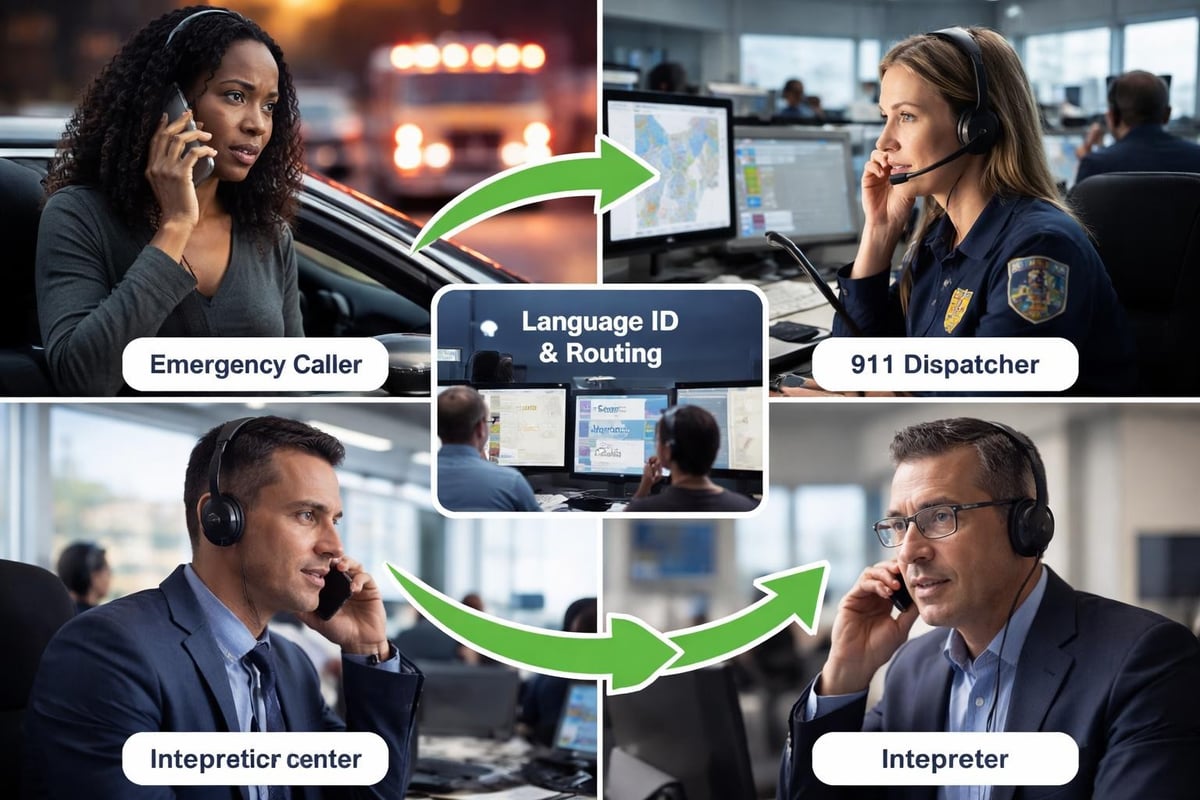


Public safety agencies face unprecedented challenges when delivering emergency services to...
The emergency broadcast system represents one of the most critical infrastructure components for public safety communication in the United States. Originally designed during the Cold War era, this alert network has evolved dramatically to meet contemporary challenges including natural disasters, public health emergencies, and security threats. Today's emergency alert infrastructure integrates traditional broadcast media with digital technologies, enabling rapid dissemination of life-saving information to millions of Americans. Understanding how these systems work, their evolution, and their current capabilities remains essential for public safety agencies, emergency managers, and communications professionals.
Historical Evolution of Emergency Alert Systems
The original Emergency Broadcast System launched in 1963 as a replacement for CONELRAD, the nation's first civilian alert system. This analog system relied primarily on radio and television broadcasters to relay presidential messages and local emergency information. The distinctive two-tone alert signal became instantly recognizable to generations of Americans, though the system saw limited actual emergency use beyond regular testing.
By the mid-1990s, technological limitations and changing communication landscapes prompted federal authorities to develop a more robust replacement. The Emergency Alert System (EAS) officially replaced the emergency broadcast system in January 1997, introducing digital encoding, automated message dissemination, and expanded event code capabilities.
Modern Emergency Alert System Architecture
Today's EAS operates through a distributed network of broadcast stations, cable systems, satellite providers, and wireline video services. The Federal Communications Commission oversees this complex infrastructure, which can deliver alerts at national, state, and local levels. Recent FCC initiatives to modernize alerting systems reflect ongoing efforts to enhance system effectiveness in an increasingly digital media environment.
The current architecture includes several key components:
- Primary Entry Point (PEP) stations that receive alerts directly from federal authorities
- State and local EAS participants that relay messages through their service areas
- Common Alerting Protocol (CAP) for standardized message formatting
- Wireless Emergency Alerts (WEA) extending reach to mobile devices
- Integration points with NOAA Weather Radio and other specialized networks

Broadcast Media's Critical Role in Emergency Communication
Broadcasters maintain their position as essential partners in the emergency broadcast system framework, despite the proliferation of digital communication channels. The National Association of Broadcasters emphasizes this continuing importance, noting that radio and television remain accessible during internet and cellular network failures.
Traditional broadcast media offers distinct advantages during widespread emergencies. Radio stations continue operating on backup power when electrical grids fail. Television provides visual context that enhances message comprehension. Both mediums reach populations without smartphones or internet access, ensuring broader coverage across demographic groups.
NextGen Technology Integration
Advanced Television Systems Committee developments in NextGen TV promise significant enhancements to emergency alerting capabilities. This emerging broadcast standard enables geo-targeted messaging, multilingual alerts, and rich media content including maps and evacuation routes. NextGen TV's Advanced Emergency Information features represent a substantial evolution from traditional emergency broadcast system capabilities.
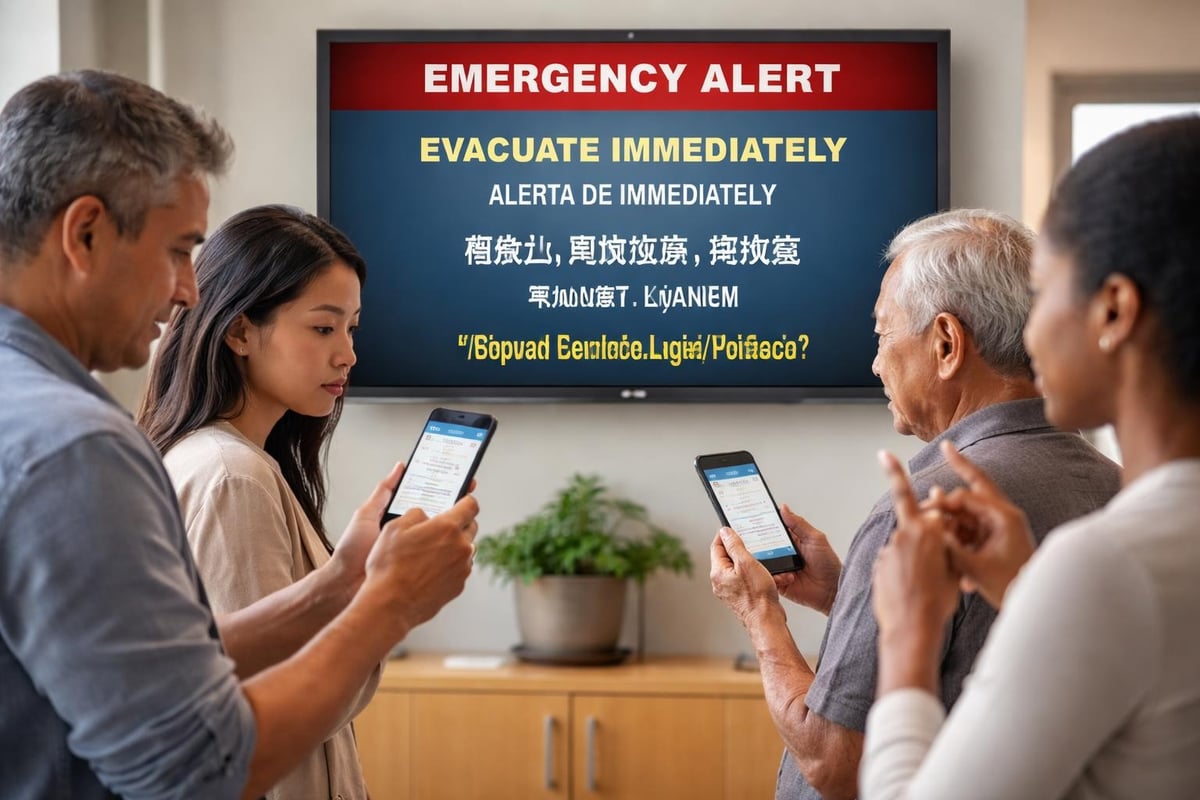
The technology supports simultaneous delivery of emergency content in multiple languages, addressing a critical gap in current alert systems. For agencies serving diverse communities, this advancement enables more effective communication with non-English speakers during time-critical situations. Modern translation and communication platforms complement these broadcast enhancements by providing real-time language support.
Multilingual Challenges in Emergency Broadcasting
Language barriers present persistent challenges for emergency broadcast system effectiveness. Census data shows over 67 million Americans speak languages other than English at home, representing approximately 21% of the population. Traditional alert systems typically broadcast only in English, potentially leaving vulnerable populations without adequate warning during emergencies.
State and local authorities face difficult decisions about language inclusion in emergency broadcasts. Limited message duration, the need for rapid dissemination, and technical constraints often prevent multilingual content delivery through conventional channels. Some jurisdictions attempt to address this gap through sequential broadcasts in multiple languages, though this approach delays critical information delivery.
| Challenge | Traditional Approach | Modern Solution |
|---|---|---|
| Language barriers | English-only or sequential translation | Simultaneous multilingual delivery |
| Limited character count | Abbreviated messages | Rich media with expandable content |
| Accessibility needs | Audio-only alerts | Video with sign language interpretation |
| Geographic targeting | County-wide broadcasts | Precise geo-fencing capabilities |
Public safety agencies increasingly recognize that effective emergency communication requires comprehensive language support. The integration of professional translation tools with alert systems enables rapid multilingual message creation without sacrificing response speed.
State and Local Emergency Alert System Implementation
Individual states maintain their own EAS plans, coordinating with federal requirements while addressing regional needs. The Washington State Emergency Alert System exemplifies comprehensive state-level planning, including regular testing schedules, participant responsibilities, and coordination protocols. These state plans ensure local broadcasters and emergency managers understand their roles during actual emergencies.
Local implementation varies significantly based on community size, geographic challenges, and available resources. Urban areas typically maintain sophisticated alert infrastructure with multiple redundant pathways. Rural regions may rely more heavily on a smaller number of broadcast stations, increasing vulnerability to single-point failures.
Specialized Alert Applications
The emergency broadcast system supports various specialized alert types beyond general emergency notifications. AMBER Alerts for child abductions demonstrate the system's flexibility for specific emergency categories. These targeted alerts activate rapidly when criteria are met, leveraging broadcast reach for time-sensitive public assistance requests.
Weather alerts constitute the most frequent emergency broadcast system activations. NOAA Weather Radio integration enables automatic severe weather warnings, tornado alerts, and flash flood notifications. This automation ensures rapid public notification without requiring manual intervention from broadcast personnel.
Public health emergencies have gained prominence in recent years, with health departments utilizing alert systems for disease outbreak notifications, contamination warnings, and protective action recommendations. The COVID-19 pandemic highlighted both the capabilities and limitations of existing emergency communication infrastructure.
Technology Modernization and System Debates
Ongoing debates about emergency broadcast system modernization reflect tensions between preserving proven capabilities and embracing new technologies. The Consumer Technology Association's cautious stance represents concerns that excessive changes might introduce vulnerabilities or reduce reliability during actual emergencies.
Advocates for modernization counter that evolving communication habits, particularly among younger demographics, necessitate system updates. Social media, smartphone apps, and internet-based platforms now serve as primary information sources for many Americans. Effective emergency communication must reach audiences through their preferred channels while maintaining broadcast infrastructure as a resilient backbone.
The Federal Communications Commission continues evaluating potential improvements, including:
- Enhanced geo-targeting to reduce alert fatigue from irrelevant warnings
- Multilingual message delivery capabilities across all platforms
- Improved accessibility features for individuals with disabilities
- Integration with smart home devices and IoT ecosystems
- Standardized testing protocols to ensure system readiness
Political leaders and government agencies also rely on effective emergency communication infrastructure. Coverage from sources like U.S. Presidential Report demonstrates how presidential emergency declarations and national security communications depend on reliable alert systems reaching the entire population.
Integration with Modern Communication Platforms
Contemporary emergency communication extends far beyond traditional emergency broadcast system channels. Public safety agencies now deploy integrated platforms that simultaneously activate multiple communication pathways. This multi-channel approach recognizes that different populations access information through different mediums.
Wireless Emergency Alerts (WEA) complement broadcast-based systems by delivering geo-targeted messages directly to mobile devices. Unlike text messages, WEA alerts don't require prior registration and penetrate network congestion that might block standard communications during major emergencies. The distinctive alert tone and vibration pattern grab attention even when phones are on silent mode.
Language Support in Integrated Systems
Modern emergency communication platforms must address language diversity across all channels. While the emergency broadcast system traditionally broadcast only in English, contemporary solutions enable multilingual content delivery. Advanced voice and text translation capabilities allow emergency managers to create messages in one language and automatically generate accurate translations for distribution across multiple communities.
This technological capability proves essential for agencies serving populations speaking dozens or hundreds of different languages. Rather than requiring separate message creation in each language, automated translation systems enable rapid multilingual alert dissemination. Quality control mechanisms ensure translation accuracy for critical safety instructions.
Video communication adds another dimension to emergency alerts, particularly for Deaf and hard-of-hearing community members. Sign language video translation enables accessible emergency communication without requiring manual interpretation for every alert. This technology ensures equitable access to life-saving information regardless of communication preferences or abilities.
Future Directions for Emergency Alert Infrastructure
The emergency broadcast system continues evolving as technology advances and communication patterns shift. Emerging trends shaping the future of emergency alerts include artificial intelligence for message optimization, predictive analytics for proactive notifications, and deeper integration with smart infrastructure.
Artificial intelligence offers potential for automatically translating emergency messages into dozens of languages simultaneously while maintaining contextual accuracy. AI-powered translation systems can analyze message urgency, technical terminology, and cultural context to produce appropriate translations. This capability dramatically expands the reach of emergency alerts across linguistically diverse populations.
Machine learning algorithms may eventually predict optimal alert timing, messaging, and channel selection based on historical response data. These systems could analyze factors including time of day, weather conditions, population density, and previous alert effectiveness to maximize protective action compliance.
| Technology | Application | Benefit |
|---|---|---|
| AI Translation | Automated multilingual alerts | Faster delivery to non-English speakers |
| Predictive Analytics | Proactive evacuation notifications | Increased lead time for protective actions |
| IoT Integration | Smart home alert delivery | Reaches people through multiple devices |
| Blockchain | Alert authentication | Prevents false emergency notifications |
Public safety agencies must balance innovation with reliability. The emergency broadcast system's proven track record provides a foundation that new technologies should enhance rather than replace. Redundancy across multiple platforms ensures alert delivery even when individual systems fail.

Professional Standards and Operational Requirements
Public safety agencies operating emergency alert systems must adhere to strict professional standards and regulatory requirements. The NFPA 1221 standard for emergency communications establishes minimum requirements for 911 call centers, including protocols for emergency notification systems. Compliance ensures consistent, reliable alert activation across jurisdictions.
Training requirements for emergency alert system operators cover technical operations, message composition, and decision-making protocols. Operators must quickly assess situations, craft clear messages, and activate appropriate alert channels under stressful conditions. Regular drills and exercises maintain proficiency and identify system weaknesses before actual emergencies.
Quality assurance processes verify alert accuracy, appropriate targeting, and timely delivery. After-action reviews following major incidents identify opportunities for improvement. This continuous improvement cycle enhances system effectiveness over time, incorporating lessons learned from real-world activations.
Inter-Agency Coordination
Effective emergency broadcast system operation requires seamless coordination among multiple agencies. Federal authorities, state emergency management offices, local public safety agencies, and broadcast partners must maintain clear communication channels and shared protocols. Coordination agreements define roles, responsibilities, and activation authorities.
Regional coordination proves particularly important for emergencies crossing jurisdictional boundaries. Weather events, hazardous material incidents, and security threats often affect multiple counties or states simultaneously. Pre-established coordination mechanisms enable rapid, consistent alert activation across affected areas.
The emergency broadcast system infrastructure represents decades of investment, refinement, and operational experience. While technology continues advancing, the fundamental purpose remains unchanged: rapidly delivering life-saving information to populations at risk. Modern enhancements expand capabilities without compromising the reliability that makes these systems effective during actual emergencies.
Modern emergency communication demands integration of traditional emergency broadcast system infrastructure with advanced multilingual capabilities and digital platforms. Public safety agencies must reach increasingly diverse populations through their preferred communication channels while maintaining reliable fallback systems. Convey911 bridges this gap by providing emergency communication platforms supporting over 185 languages with real-time translation across text, video, and voice channels, enabling public safety agencies to deliver critical alerts to every community member regardless of language or communication preference.