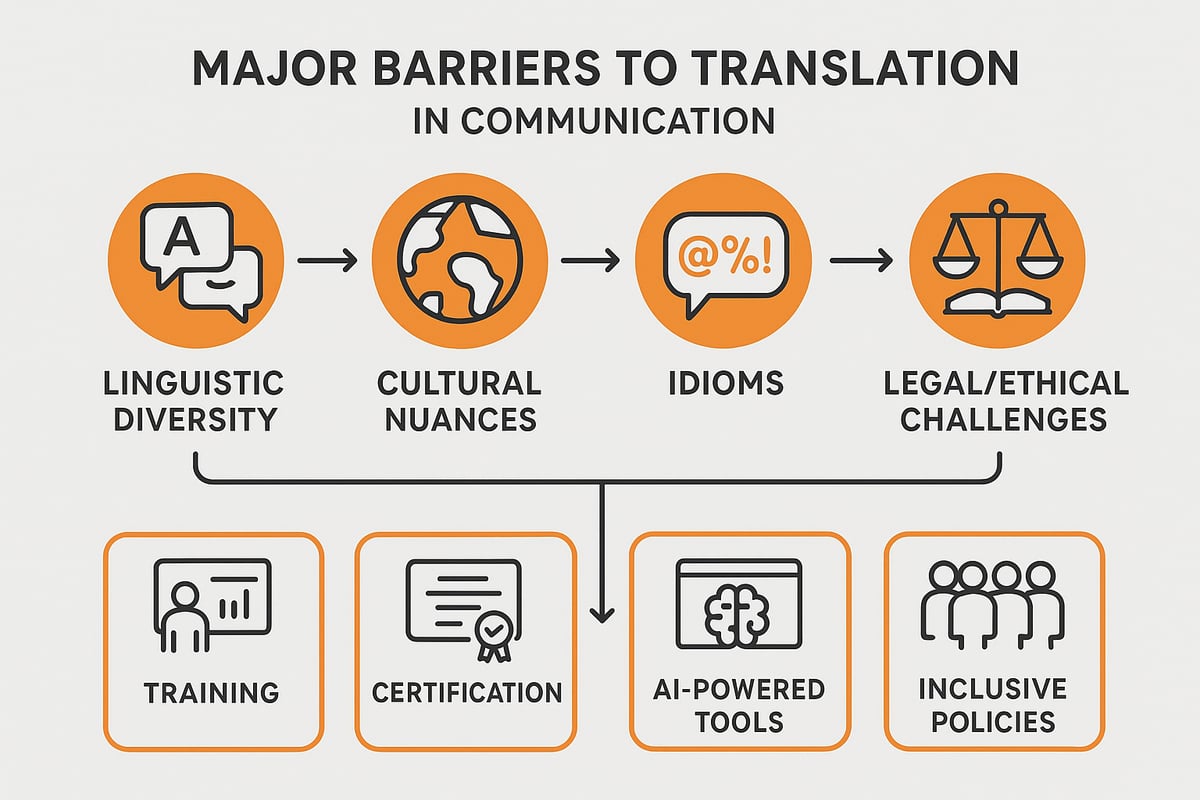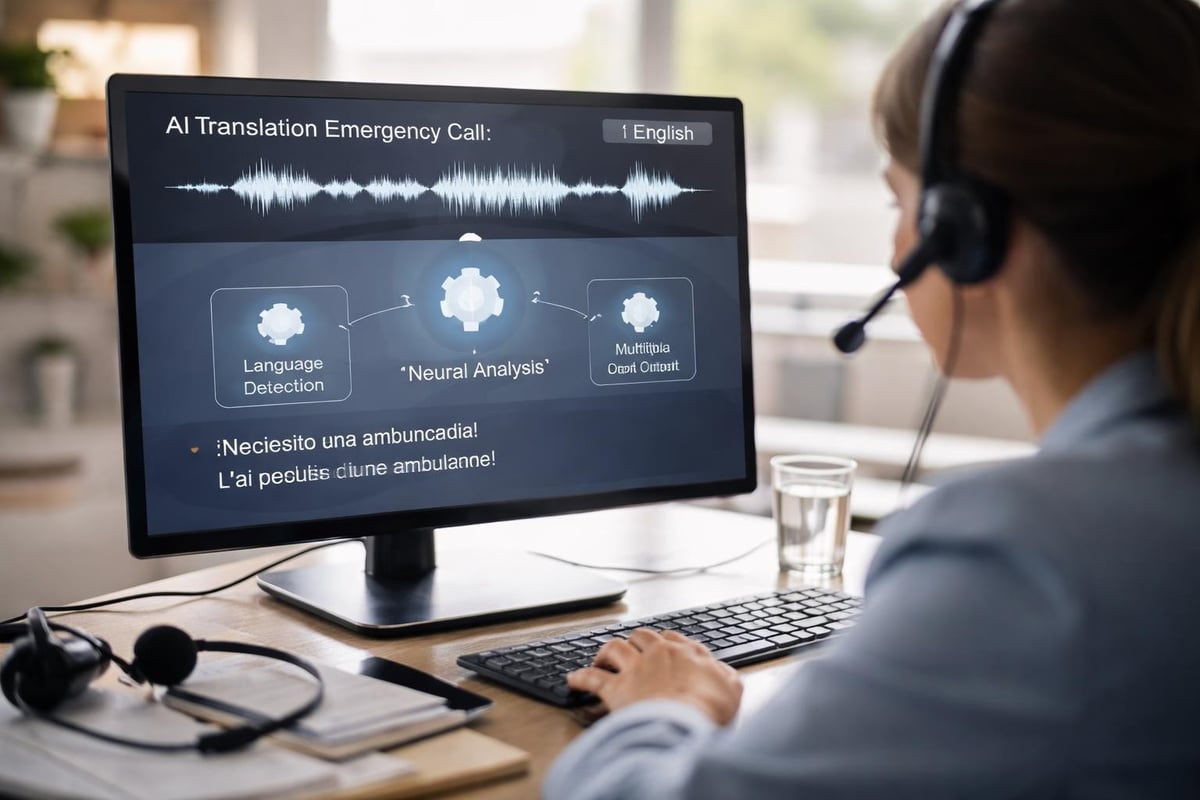

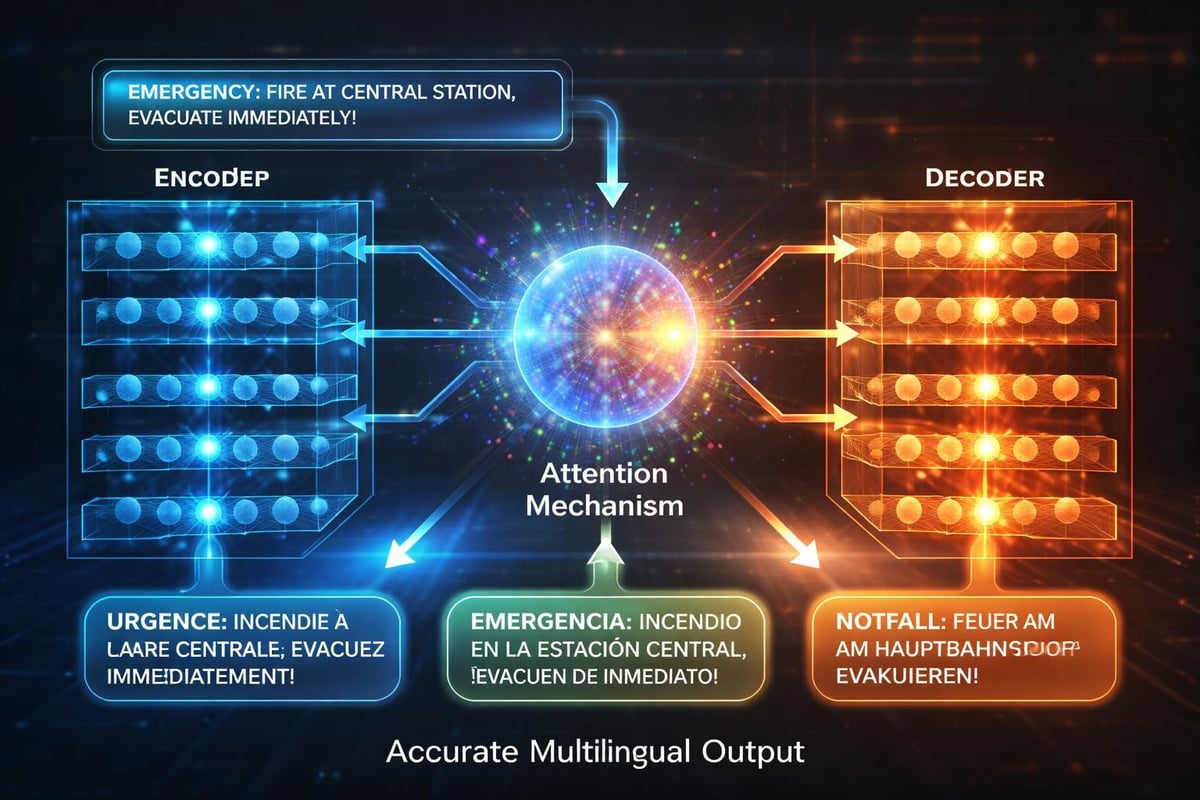
Translation engines have transformed how we bridge language barriers in critical situations. These...
When seconds matter in emergency situations, language barriers can mean the difference between life and death. Comprehensive translation goes far beyond simple word-for-word conversion-it encompasses cultural context, technical accuracy, and the ability to convey critical information across multiple communication channels. For public safety agencies serving increasingly diverse communities, implementing comprehensive translation capabilities has become an operational necessity rather than a luxury. This approach ensures that emergency services can respond effectively regardless of the language spoken by those in need.
Understanding Comprehensive Translation in Emergency Contexts
Comprehensive translation represents a holistic approach to language conversion that addresses every aspect of communication. Unlike basic translation services that focus solely on linguistic accuracy, this methodology considers context, cultural nuances, technical terminology, and the specific needs of the target audience.

In emergency communication settings, comprehensive translation must account for high-stress situations where clarity is paramount. First responders need immediate access to accurate information, whether they're receiving a 911 call, responding to a text message, or conducting video interpretation with non-English speakers. This requires translation systems that can handle medical terminology, address formats, relationship descriptors, and urgent situation descriptions across dozens or even hundreds of languages.
Critical Components of Comprehensive Translation Systems
Several interconnected elements define truly comprehensive translation capabilities:
- Multi-modal communication support including text, voice, and video channels
- Real-time processing that delivers translations within seconds
- Cultural and contextual awareness that goes beyond literal word meanings
- Technical terminology databases specific to emergency response scenarios
- Quality assurance mechanisms to verify translation accuracy
- Scalability to handle multiple simultaneous translation requests
The University of Cincinnati's comprehensive translation resources guide emphasizes the importance of maintaining robust terminology databases and reference materials. For emergency services, this translates into specialized glossaries covering medical emergencies, fire response, law enforcement procedures, and other critical domains.
Building Effective Translation Infrastructure
Public safety agencies must develop translation infrastructure that seamlessly integrates with existing emergency communication systems. This infrastructure should support the full spectrum of emergency interactions, from initial contact through resolution.
Technology Architecture Requirements
| Component | Function | Emergency Application |
|---|---|---|
| Translation Engine | Core language processing | Converts caller statements in real-time |
| Terminology Database | Domain-specific glossaries | Medical, fire, police terminology |
| Quality Monitoring | Accuracy verification | Ensures critical details are preserved |
| Multi-channel Integration | Unified platform access | 911 centers, dispatch, field units |
| Performance Analytics | Usage and effectiveness tracking | Identifies language trends and gaps |
Modern emergency communication systems must handle comprehensive translation across all interaction types. When a non-English speaker contacts emergency services, the system needs to identify the language quickly, route the communication appropriately, and provide accurate translation whether the interaction occurs via voice call, text message, or video.
The infrastructure must also support bidirectional translation. Emergency responders need to communicate instructions clearly to callers, just as they need to understand the caller's situation accurately. This two-way capability is fundamental to comprehensive translation in emergency contexts.
Integration with Existing Systems
Implementing comprehensive translation requires careful integration with computer-aided dispatch (CAD) systems, radio communications, and mobile data terminals. Translation and communication systems for global success must work harmoniously with the technology stack already in place at public safety agencies.
Integration challenges include:
- Data synchronization between translation platforms and CAD systems
- User interface consistency across dispatcher workstations
- Performance optimization to prevent system slowdowns
- Training requirements for telecommunications staff
- Compliance verification with regulatory standards
Quality Assurance in Emergency Translation
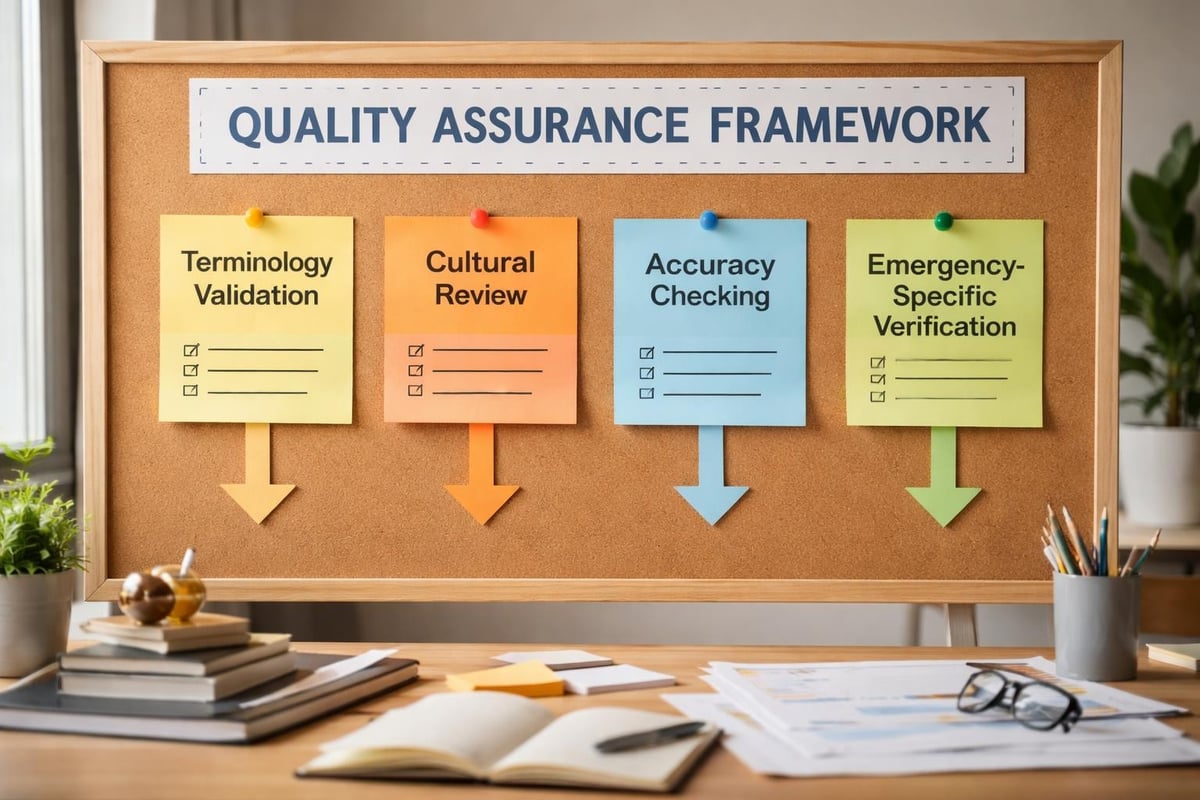
The stakes in emergency communication demand extraordinary attention to translation quality. Comprehensive translation quality assurance involves multiple verification layers to ensure accuracy when lives hang in the balance.
Establishing Translation Standards
Public safety agencies should adopt rigorous standards that govern translation quality. According to NYU Law Library's guidance on translation help, authoritative translations require careful attention to terminology, context, and intended meaning-principles equally applicable to emergency communications.
Quality standards must address several critical factors:
- Terminology consistency across all translations
- Cultural appropriateness of language choices
- Preservation of urgent tone and critical details
- Verification of numerical information (addresses, phone numbers, ages)
- Review processes for high-risk scenarios
Many agencies implement dual-verification systems where critical translations receive secondary review before transmission. While this adds slight delays, the accuracy improvements justify the additional time in high-stakes situations.
Training and Certification for Translation Personnel
Human oversight remains essential even in technology-driven comprehensive translation systems. Interpreters and translators working in emergency contexts require specialized training that covers both linguistic skills and emergency response protocols.
The Duke University guide to translation resources highlights the importance of understanding source material context-a principle that applies directly to emergency translation where cultural and situational awareness can impact interpretation accuracy.
Training programs should include:
- Emergency terminology in all supported languages
- Cultural competency for diverse populations
- Stress management techniques for crisis situations
- Technology platform proficiency
- Quality assurance procedures
- Ethics and confidentiality protocols
Selecting Appropriate Translation Resources
Comprehensive translation systems rely on carefully curated linguistic resources. The University of Wisconsin-Milwaukee's translation sources guide emphasizes the importance of authoritative databases and research materials that ensure translation accuracy.
Terminology Management Strategies
Effective terminology management forms the backbone of comprehensive translation for emergency services. As outlined in best practices for choosing terminology sources, translators must rely on authoritative, current, and contextually appropriate reference materials.
Emergency-specific terminology databases should include:
- Medical conditions and symptoms across all supported languages
- Anatomical terms for describing injuries
- Address components and directional language
- Emergency vehicle types and equipment
- Legal and procedural terminology
- Relationship descriptors (caller to victim/patient)
Agencies must update these databases regularly as new terminology emerges and language usage evolves. Language translation models continue advancing, requiring periodic evaluation of translation system capabilities against current needs.
Multi-Channel Translation Strategies
Comprehensive translation in emergency contexts must span multiple communication channels simultaneously. Public safety agencies now handle emergency contacts through traditional voice calls, text-to-911 services, mobile applications, video calls, and other emerging platforms.
Voice Translation Considerations
Voice translation presents unique challenges in emergency scenarios. Background noise, accents, emotional distress, and rapid speech can all impact translation accuracy. Speed translation capabilities must balance accuracy with the urgency inherent in emergency situations.
Key voice translation features include:
- Noise filtering to isolate speech from sirens, traffic, and other sounds
- Accent recognition algorithms trained on diverse speaker populations
- Emotional tone preservation to maintain urgency indicators
- Confidence scoring to flag uncertain translations
- Human interpreter escalation for complex scenarios
Text and Video Translation
Text-based emergency communications through SMS, messaging apps, and web forms require different comprehensive translation approaches. Apps to translate text must handle informal language, abbreviations, and the context-dependent meaning common in text communications.
Video interpretation adds another dimension, particularly for deaf and hard-of-hearing individuals. Sign language video translator capabilities must be incorporated into comprehensive translation systems to ensure full accessibility.
| Channel | Translation Approach | Primary Challenges | Solution Strategies |
|---|---|---|---|
| Voice Calls | Real-time speech-to-speech | Background noise, accents | Noise filtering, diverse training data |
| Text Messages | Asynchronous text translation | Abbreviations, informal language | Context-aware algorithms |
| Video Calls | Visual and audio translation | Bandwidth, visual clarity | Optimized compression, quality monitoring |
| Sign Language | Visual interpretation | Dialectical variations | Certified interpreters, regional expertise |
Cultural Competency in Translation
Comprehensive translation extends beyond linguistic accuracy to encompass cultural competency. Different cultures express urgency, describe relationships, and communicate medical information in varied ways that literal translation may not capture.
Addressing Cultural Context in Emergencies
Emergency responders must understand how cultural factors influence communication. Some cultures discourage direct communication about death or serious injury, while others have specific protocols for discussing family matters with authorities. Emergency translation services must account for these sensitivities while still obtaining critical information.
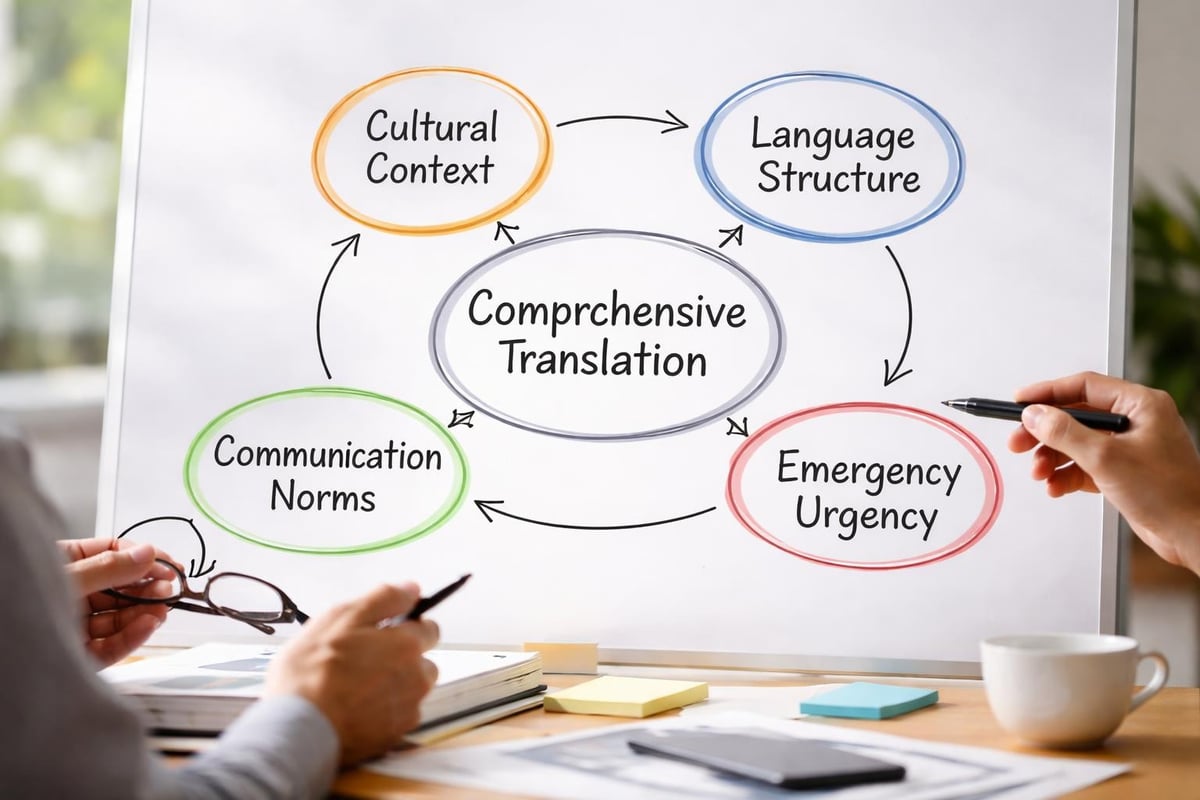
Cultural considerations include:
- Appropriate forms of address based on age, gender, and relationship
- Indirect versus direct communication preferences
- Religious or cultural practices affecting medical treatment
- Family decision-making hierarchies
- Privacy expectations and disclosure comfort levels
Language-Specific Challenges
Each language presents unique structural challenges for comprehensive translation. Some languages lack direct equivalents for common emergency terms, while others require significantly more words to express the same concept. Translation guidelines should address these language-specific considerations to maintain both accuracy and efficiency.
Technology Evaluation and Selection
Public safety agencies must carefully evaluate translation technology options to ensure comprehensive coverage of their community's linguistic needs. The evaluation process should consider current population demographics, projected language trends, and technical capabilities.
Assessment Criteria for Translation Platforms
When selecting comprehensive translation systems, agencies should evaluate:
- Language coverage: Does the system support all languages present in the service area?
- Channel support: Can it handle voice, text, and video simultaneously?
- Integration capability: Will it work with existing CAD and dispatch systems?
- Performance metrics: What are the accuracy rates and processing speeds?
- Scalability: Can it handle peak demand during large-scale emergencies?
- Cost structure: Are pricing models sustainable for the agency's budget?
Understanding languages for the future helps agencies prepare for demographic shifts that may require additional language support. Forward-thinking agencies build flexibility into their comprehensive translation infrastructure to accommodate emerging linguistic needs.
Vendor Evaluation Process
Selecting the right comprehensive translation vendor requires thorough due diligence. Agencies should request demonstrations using realistic emergency scenarios, review case studies from similar organizations, and conduct pilot programs before full implementation.
Important vendor evaluation factors:
- Track record with public safety agencies
- Technical support availability and response times
- Training programs for agency personnel
- Update frequency for translation databases
- Compliance certifications with relevant standards
- Disaster recovery capabilities for system failures
Implementation and Ongoing Optimization
Successful comprehensive translation implementation requires careful planning, phased rollout, and continuous improvement processes. Agencies should develop detailed implementation roadmaps that minimize disruption to emergency operations while building translation capabilities.
Phased Deployment Strategies
Most agencies benefit from phased implementation approaches that allow for learning and adjustment. Initial phases typically focus on the most frequently encountered languages, expanding coverage as staff gain proficiency with the system.
Recommended implementation phases:
- Phase 1: Core system deployment with top 5-10 languages
- Phase 2: Additional language coverage and multi-channel integration
- Phase 3: Advanced features like video interpretation and specialized terminology
- Phase 4: Full integration with all agency systems and complete language coverage
Throughout implementation, agencies should track key performance indicators including translation accuracy rates, response time impacts, caller satisfaction, and system utilization patterns. This data drives optimization efforts and justifies continued investment in comprehensive translation capabilities.
Continuous Improvement Mechanisms
Comprehensive translation systems require ongoing refinement based on real-world performance. Two-way translation effectiveness improves through regular feedback collection from both emergency responders and community members who use translation services.
Improvement mechanisms include:
- Regular review of translation accuracy through call audits
- Feedback collection from dispatchers and field personnel
- Community engagement to identify gaps in service
- Periodic technology assessments to evaluate new capabilities
- Training updates reflecting lessons learned from actual incidents
Comprehensive translation represents a critical capability for modern emergency services operating in multilingual communities. By implementing robust translation infrastructure that addresses linguistic accuracy, cultural competency, multi-channel support, and quality assurance, public safety agencies can ensure effective communication regardless of language barriers. When your community needs language translation that works seamlessly across text, voice, and video for emergency communications, Convey911 provides the comprehensive translation platform supporting over 185 languages to bridge communication gaps and enhance emergency response effectiveness when every second counts.