
Emergency situations demand clear, immediate communication. When language barriers exist between...
The landscape of language services has undergone a dramatic transformation over the past decade, with technology in translation reshaping how organizations communicate across linguistic boundaries. For public safety agencies and emergency responders, this technological revolution means the difference between effective crisis management and potentially catastrophic miscommunication. As communities grow increasingly diverse, the ability to deliver critical information in multiple languages instantly has evolved from a convenience to an operational necessity. Modern translation platforms now combine artificial intelligence, neural networks, and cloud computing to enable real-time multilingual communication that saves lives.
The Evolution of Translation Technology
Traditional translation methods relied heavily on human interpreters who needed to be physically present or available via phone during emergencies. This approach created significant delays, limited language availability, and introduced potential errors during high-stress situations. The integration of technology in translation has fundamentally changed this paradigm by providing instant access to comprehensive language support.
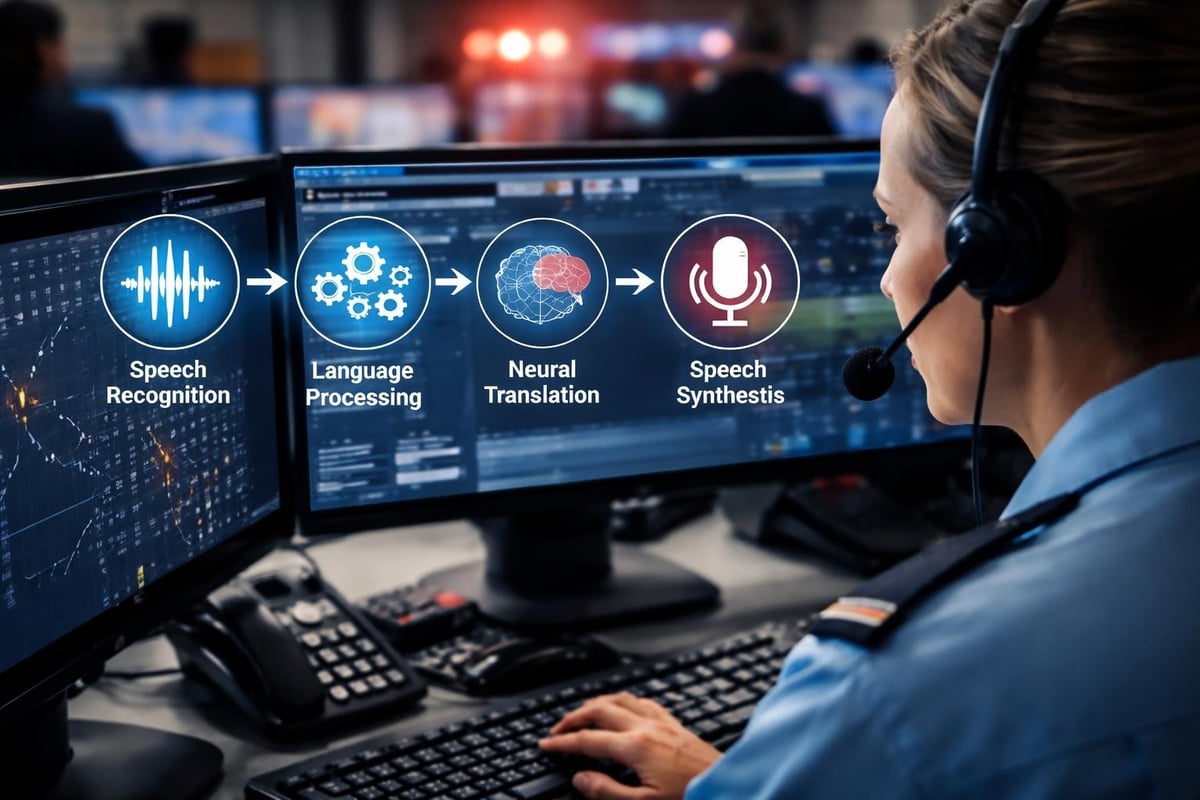
Modern real-time translation systems utilize multiple sophisticated processes working in concert:
- Automatic Speech Recognition (ASR) converts spoken words into text
- Natural Language Processing (NLP) analyzes context and meaning
- Neural Machine Translation (NMT) generates accurate translations
- Text-to-Speech (TTS) delivers audio output in the target language
These components work together seamlessly to provide translations in milliseconds rather than minutes. For emergency dispatchers handling 911 calls from non-English speakers, this speed difference can determine whether responders arrive with the correct resources and situational awareness.
AI-Powered Neural Machine Translation
The shift from rule-based translation to neural machine translation represents one of the most significant advances in language technology. Unlike earlier systems that relied on predetermined rules and phrase databases, neural networks learn from massive datasets containing millions of translated texts. This machine learning approach enables systems to understand context, idiomatic expressions, and even regional dialects.
For emergency communication, this sophistication matters immensely. When a caller describes chest pain, shortness of breath, or describes a vehicle accident, the translation of medical and emergency terminology must be precise. Neural systems trained on emergency-specific vocabularies can distinguish between different types of emergencies and maintain accuracy even when callers are stressed or speaking rapidly.
| Translation Approach | Response Time | Accuracy Rate | Language Coverage |
|---|---|---|---|
| Human Interpretation | 2-5 minutes | 95-98% | 40-60 languages |
| Rule-Based Systems | 30-60 seconds | 70-80% | 20-30 languages |
| Neural AI Translation | 1-3 seconds | 85-95% | 100+ languages |
Real-Time Communication Across Multiple Channels
Technology in translation has expanded beyond simple voice calls to encompass text messaging, video chat, and integrated communication platforms. Public safety agencies now deploy systems that can translate simultaneously across all these channels, ensuring consistent messaging regardless of how community members choose to communicate.
Text-based translation serves particularly well for situations where audio communication proves difficult. During active shooter events or domestic disturbances, victims may need to communicate silently. A comprehensive voice and text translator provides multiple pathways for critical information exchange.
Video translation adds another dimension by enabling sign language interpretation and visual context. When responding to medical emergencies, seeing a patient's symptoms while communicating in their native language dramatically improves assessment accuracy. The technology processes both visual and audio streams, providing interpreters or AI systems with complete situational awareness.
Multilingual Mass Notification Systems
Emergency alerts and community notifications require rapid dissemination across diverse populations. Technology in translation enables public safety agencies to send warnings, evacuation orders, and safety instructions in multiple languages simultaneously. Rather than delaying alerts while translations are prepared manually, automated systems can generate and distribute multilingual messages within seconds.
These emergency communication systems integrate with existing infrastructure including:
- Emergency alert systems (EAS)
- Wireless emergency alerts (WEA)
- Social media platforms
- Direct messaging services
- Public address systems
The ability to personalize message language based on recipient preferences ensures higher engagement rates and better compliance with safety instructions. When severe weather threatens or evacuation becomes necessary, every second counts in reaching affected populations.
Specialized Translation for Technical Accuracy
Technical translation presents unique challenges that general-purpose translation tools often fail to address adequately. Emergency services rely on specific terminology, codes, and protocols that require specialized translation databases. Technology in translation designed for public safety incorporates domain-specific knowledge to maintain accuracy when dealing with:
- Medical terminology and symptoms
- Criminal justice procedures
- Fire service protocols
- Hazardous materials classifications
- Emergency medical services procedures
Building specialized translation databases requires collaboration between language experts and emergency services professionals. The most effective systems combine broad language capabilities with narrow domain expertise, ensuring that a description of cardiac arrest translates consistently whether communicated by text, voice, or video.
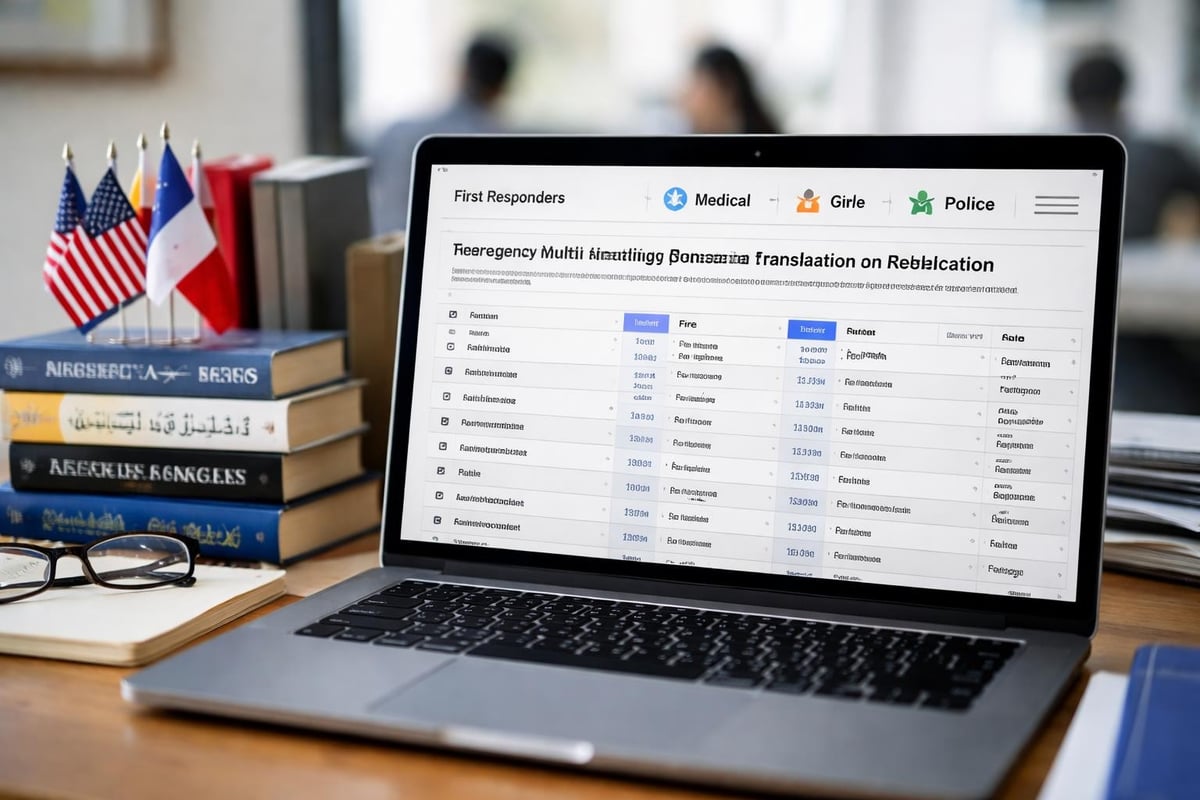
Modern platforms also incorporate feedback loops where professional translators review and improve AI-generated translations. This human-AI collaboration ensures continuous improvement while maintaining the speed advantages of automated systems. Professional linguists focus on post-editing complex content and training systems to handle challenging scenarios rather than translating routine communications from scratch.
Integration with Emergency Response Infrastructure
The true power of technology in translation emerges when it integrates seamlessly with existing emergency response systems. Standalone translation apps require dispatchers and responders to switch between multiple platforms, creating delays and increasing cognitive load during critical incidents. Integrated solutions embed translation capabilities directly into computer-aided dispatch (CAD) systems, records management systems (RMS), and mobile data terminals (MDT).
Dispatch Center Implementation
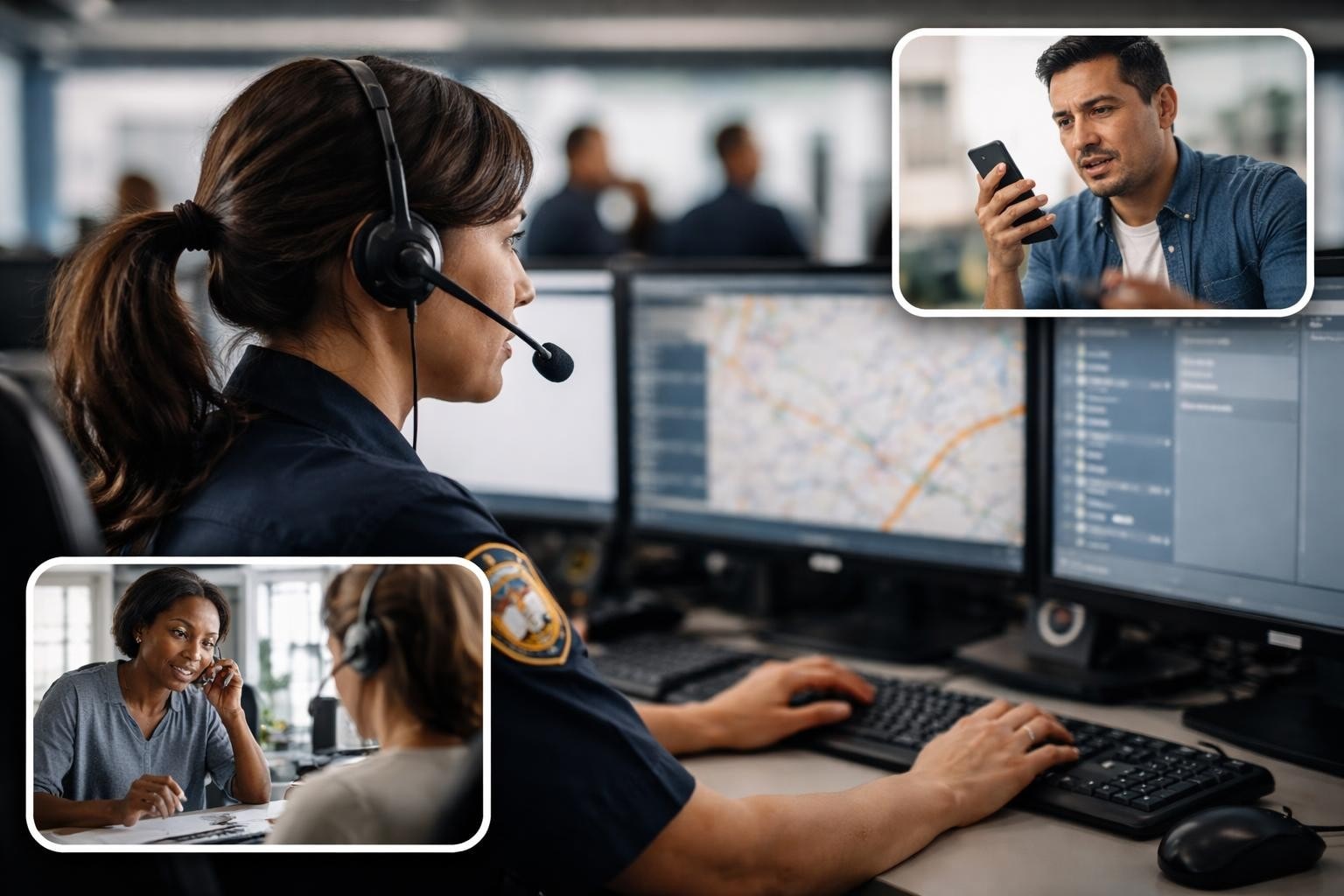
Modern 911 centers handle thousands of calls monthly in dozens of languages. Technology in translation transforms these centers by:
- Automatically detecting the caller's language within the first few words
- Routing calls to appropriate translation resources instantly
- Documenting conversations in both original and translated languages
- Providing real-time transcription for dispatcher review
- Enabling supervisor monitoring with translated transcripts
This automation removes decision-making burden from dispatchers who can focus on gathering critical information rather than managing interpretation logistics. The system maintains detailed records for quality assurance, legal compliance, and training purposes.
Field responders benefit from mobile translation tools that work offline or with limited connectivity. When arriving at scenes in areas with poor cellular coverage, downloaded language packs ensure continued translation capability. These mobile solutions support two-way translation, allowing responders to ask questions and receive answers in real-time.
Network-Integrated Translation Services
Recent innovations have embedded translation capabilities directly into telecommunications networks. AI-native 5G networks now offer real-time translation during voice calls without requiring additional applications or services. This network-level integration eliminates latency issues and ensures consistent service quality across all connected devices.
For emergency services, network-integrated translation means:
- Reduced call handling time through instant language bridging
- Lower technology costs by eliminating redundant systems
- Improved reliability through carrier-grade infrastructure
- Enhanced privacy by processing translations within secure networks
Language Coverage and Accessibility
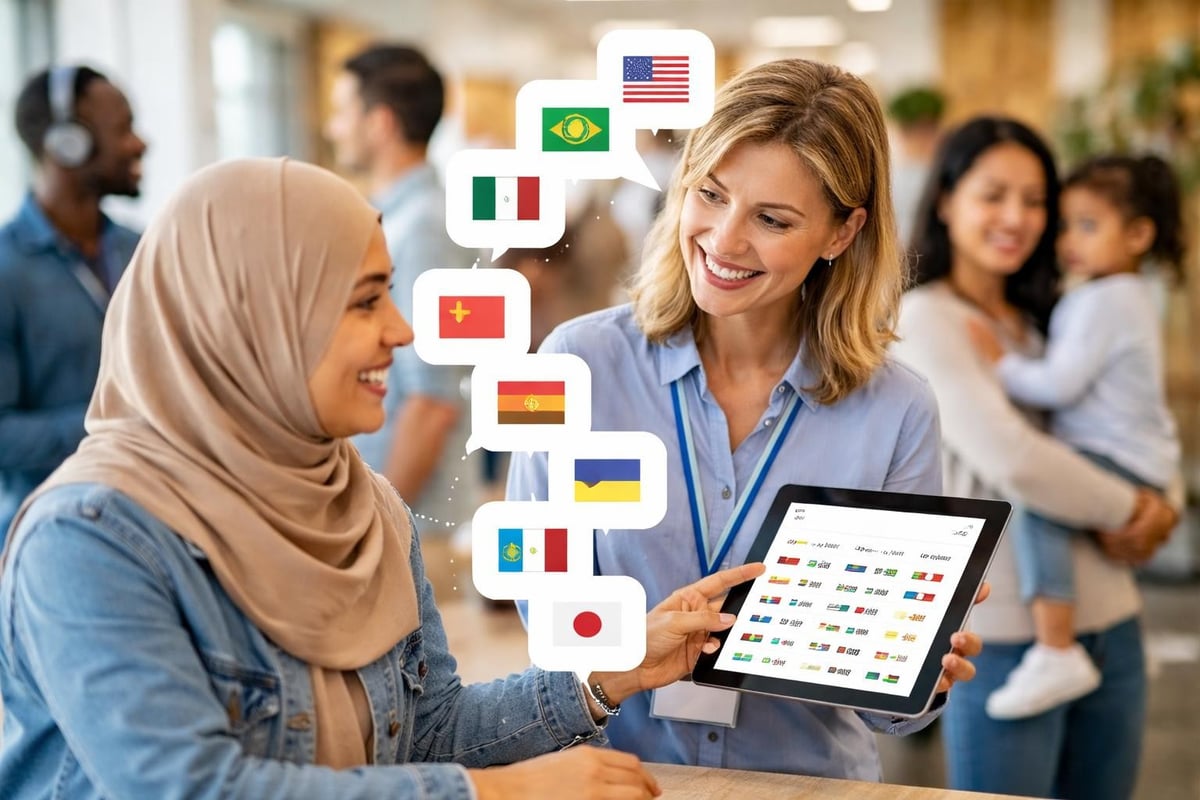
Technology in translation has democratized access to language services by supporting hundreds of languages simultaneously. While human interpretation services typically cover 40 to 60 languages economically, AI-powered platforms routinely support 100 to 200 languages. This expanded coverage proves essential for serving refugee populations, international students, and communities with rare language speakers.
| Language Tier | Speaker Population | Traditional Availability | AI Translation Availability |
|---|---|---|---|
| Major Languages | 100M+ speakers | Excellent | Excellent |
| Regional Languages | 10M-100M speakers | Good | Excellent |
| Minority Languages | 1M-10M speakers | Limited | Good |
| Rare Languages | Under 1M speakers | Very Limited | Fair to Good |
Lesser-served languages benefit most from technological advances. Communities speaking languages like Hmong, Karen, or Somali often struggled to access emergency services due to interpreter shortages. English to any language translators powered by AI provide these communities with unprecedented access to public safety resources.
Supporting Sign Language Users
Video-based technology in translation extends critical services to deaf and hard-of-hearing community members. Traditional text relay services require typing, creating delays during emergencies. Modern sign language video translation enables direct visual communication between callers and dispatchers or connects callers with qualified sign language interpreters instantly.
These video systems maintain visual quality even under bandwidth constraints, ensuring clear communication when networks become congested during major incidents. Priority routing for emergency video calls helps guarantee service availability when it matters most.
Quality Assurance and Accuracy Metrics
While technology in translation offers tremendous speed and coverage advantages, maintaining translation quality remains paramount for emergency services. Lives depend on accurate communication, making quality assurance protocols essential for any translation deployment.
Accuracy measurement approaches include:
- Comparison against professional human translations
- Back-translation verification testing
- Real-world outcome analysis
- User satisfaction surveys
- Professional translator review panels
Leading platforms achieve 85 to 95 percent accuracy for emergency-relevant content, approaching human interpreter performance for common scenarios. However, complex medical terminology, regional dialects, and culturally specific concepts still benefit from human oversight. The optimal approach combines AI speed with human expertise through hybrid models where technology handles routine communication and professionals manage complex cases.
Continuous improvement systems track translation errors and user feedback to refine neural networks. Each corrected translation strengthens the system, gradually improving performance across all languages. This learning process means translation quality improves continuously rather than remaining static like traditional rule-based systems.
Training and Adoption Considerations
Successfully implementing technology in translation requires comprehensive training programs for all users. Dispatchers, field responders, and supervisors each interact with translation systems differently and require role-specific instruction. Effective training programs address:
- System operation basics including launching translations and switching languages
- Communication best practices when working through translation technology
- Troubleshooting common issues and backup procedures
- Cultural competency to complement linguistic translation
- Documentation requirements for translated interactions
Change management strategies help overcome resistance to new technology. Some experienced dispatchers initially prefer traditional interpretation methods they trust. Demonstrating measurable improvements in call handling times, language coverage, and caller satisfaction helps build confidence in new systems. Pilot programs allow agencies to test translation technology on a small scale before full deployment.
Privacy and Security in Translation Systems
Emergency communications contain highly sensitive personal information requiring robust protection. Technology in translation must comply with regulations including HIPAA for medical information, CJIS for criminal justice data, and state-specific privacy laws. Secure translation platforms incorporate:
- End-to-end encryption for all voice, video, and text communications
- Secure cloud storage with redundant backups and disaster recovery
- Access controls limiting data visibility to authorized personnel
- Audit logging tracking all system access and translation requests
- Data retention policies aligned with legal requirements
Cloud-based translation services raise particular security concerns for some agencies. However, modern cloud platforms often provide superior security compared to on-premise systems through dedicated security teams, continuous monitoring, and automatic security updates. Selecting vendors with appropriate certifications and government security clearances ensures compliance with public safety standards.
Translation data also provides valuable insights for improving community services. Aggregated language usage statistics help agencies allocate resources, plan outreach programs, and develop multilingual public education materials. Privacy-preserving analytics enable these insights without compromising individual caller confidentiality.
Future Developments in Translation Technology
The trajectory of technology in translation points toward even more sophisticated capabilities emerging over the next several years. Research developments currently in testing or early deployment include:
Emotional tone analysis that detects stress, fear, or deception in voices across languages, providing dispatchers with additional context beyond words alone. This capability helps assess caller credibility and emergency severity more accurately.
Augmented reality translation that overlays translated text onto real-world scenes viewed through smartphone cameras or smart glasses. Responders could point devices at signs, documents, or written notes to receive instant translations without manual input.
Predictive translation that anticipates likely responses and pre-loads translations based on conversation context, further reducing latency. If a dispatcher asks about chest pain symptoms, the system prepares translations for follow-up questions about duration, severity, and associated symptoms.
Dialect and accent adaptation that fine-tunes translations based on regional speech patterns. A Spanish speaker from Mexico uses different vocabulary than someone from Spain or Argentina. Advanced systems will recognize and adapt to these variations automatically.
Multimodal translation combining speech, text, images, and video into unified communication streams. Callers could simultaneously speak, send photos, and share location data while systems translate and integrate all information sources for responders.
These advances will further reduce the gap between same-language and cross-language communication quality, making language barriers increasingly irrelevant for emergency response.
Measuring Return on Investment
Public safety agencies operate within tight budgets and must justify technology investments through measurable benefits. Technology in translation delivers ROI through multiple mechanisms:
- Reduced interpretation costs by eliminating per-minute charges for routine calls
- Faster call processing increasing dispatcher capacity without additional staffing
- Improved response outcomes reducing liability exposure and community complaints
- Enhanced community trust leading to earlier crime reporting and emergency notifications
- Compliance achievement meeting language access requirements without dedicated staff
Agencies implementing comprehensive translation platforms typically report 30 to 50 percent reductions in interpretation expenses within the first year. Call handling times for non-English speakers often decrease by 40 to 60 seconds per call, translating to significant capacity improvements across thousands of annual interactions.
Beyond direct cost savings, translation technology provides difficult-to-quantify benefits around equity and community relationships. When every community member can access emergency services in their preferred language, public safety becomes truly universal rather than privileged to English speakers.
Technology in translation has fundamentally transformed how emergency services communicate with diverse communities, making multilingual support faster, more accurate, and more accessible than ever before. As language diversity continues growing across American communities, investing in sophisticated translation platforms becomes essential for effective public safety operations. Convey911 provides comprehensive emergency communication and language translation software enabling agencies to communicate seamlessly across 185+ languages through text, video, and voice channels. Ready to eliminate language barriers in your emergency response? Discover how Convey911 can enhance your agency's communication capabilities and better serve every community member.