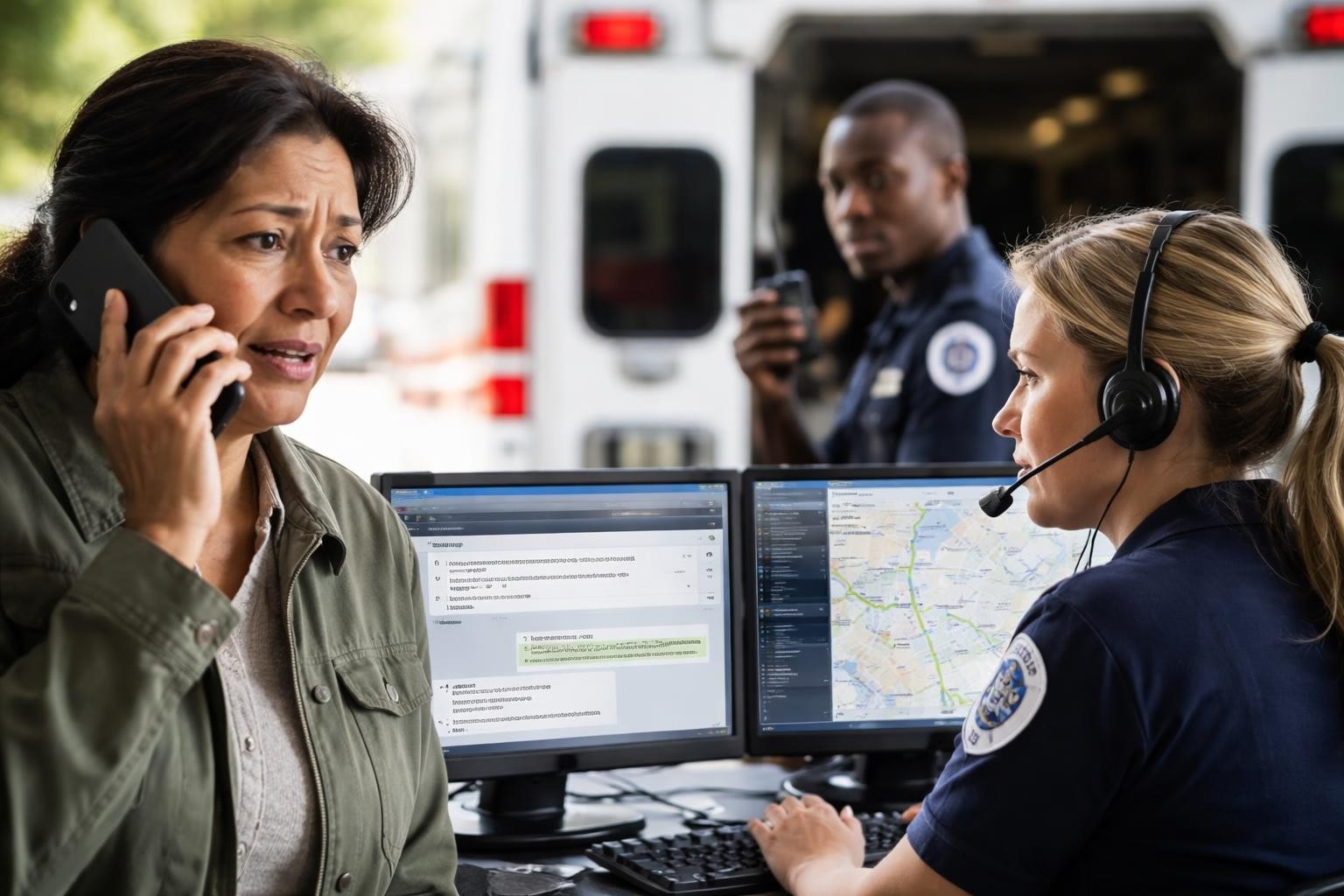

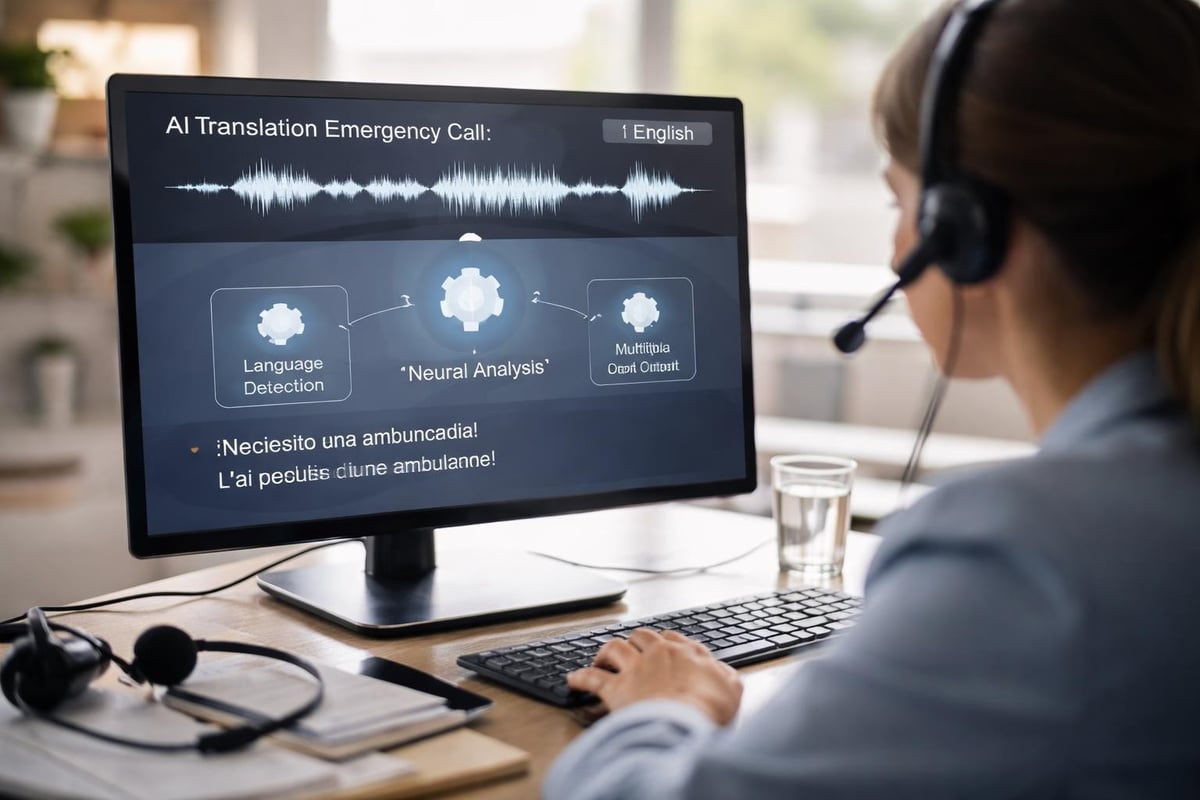
Emergency situations demand immediate, accurate communication across language barriers. As...
Emergency situations demand clear, immediate communication. When language barriers exist between first responders and those seeking help, every second of confusion can have life-threatening consequences. Language interpretation and translation services have become essential tools for public safety agencies, enabling them to bridge communication gaps and serve diverse communities effectively. As the United States grows increasingly multilingual, with over 350 languages spoken nationwide, emergency services must adapt their communication capabilities to ensure no one is left without help due to language differences.
Understanding Language Interpretation and Translation in Emergency Contexts
Language interpretation and translation represent two distinct but complementary approaches to overcoming language barriers. Translation focuses on written text, converting documents, messages, and written communications from one language to another. Interpretation deals with spoken language, facilitating real-time conversations between individuals who speak different languages.
In emergency settings, both disciplines serve critical functions that directly impact response effectiveness and outcomes. The fundamental difference lies in timing and medium. Translation allows for careful consideration and review of written content, making it ideal for preparedness materials, safety documentation, and post-incident reports. Interpretation happens in real-time, supporting the immediate, dynamic exchanges that characterize emergency calls and field interactions.
Real-Time Interpretation Modes
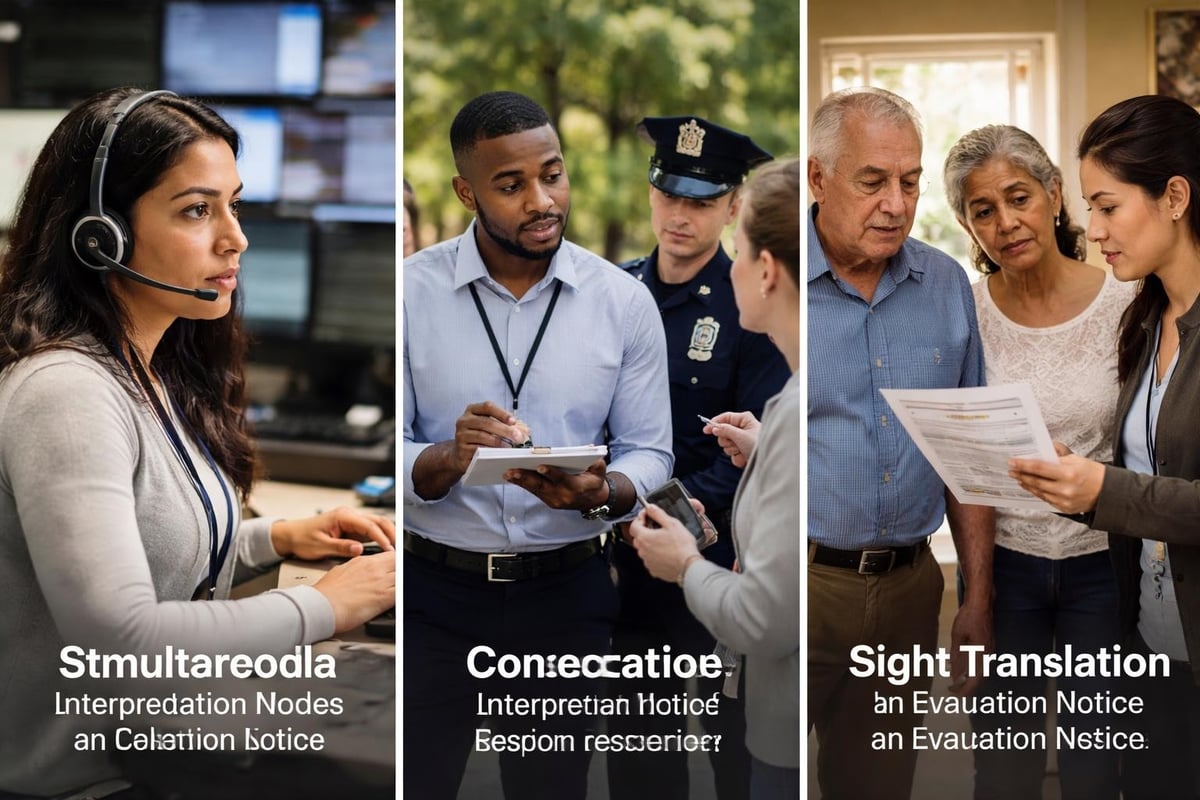
Emergency communication professionals encounter three primary interpretation modes, each suited to different scenarios and resource constraints:
- Simultaneous interpretation delivers translation while the speaker continues talking, minimizing delays
- Consecutive interpretation waits for the speaker to pause before rendering the message in another language
- Sight translation converts written text into spoken words in another language on the spot
Public safety agencies must strategically deploy these modes based on the urgency and complexity of each situation. A 911 call requiring immediate medical instructions benefits from simultaneous interpretation, while a detailed witness statement might use consecutive interpretation for accuracy.
Technology-Enabled Language Access for First Responders
Modern emergency communication platforms have revolutionized how public safety agencies handle language interpretation and translation challenges. Traditional solutions relied on human interpreters contacted via phone, introducing delays that could prove dangerous in time-critical situations. Today's technology integrates multiple communication channels and automated capabilities to accelerate response times while maintaining accuracy.
Video interpretation has emerged as particularly valuable for emergency services, enabling visual communication that supports sign language interpretation and helps assess non-verbal cues. This proves essential when working with Deaf or hard-of-hearing community members who rely on sign language video translation services to communicate during emergencies.
Voice-based systems provide another critical layer of support. Advanced voice and text translator platforms enable dispatchers to communicate directly with callers in their native languages, eliminating the need for third-party intermediaries in many situations. These systems process speech in real-time, converting it to the target language and delivering it through synthesized or human voice channels.
Multi-Channel Communication Strategies
| Communication Mode | Primary Use Case | Response Time | Accuracy Level |
|---|---|---|---|
| Text Translation | Non-urgent updates, mass notifications | 1-3 seconds | 95-98% |
| Voice Interpretation | Active emergency calls, verbal instructions | 2-5 seconds | 92-96% |
| Video Interpretation | Sign language, complex situations | 5-15 seconds | 96-99% |
Public safety agencies increasingly adopt comprehensive translation language services that unify these channels into single platforms, streamlining workflows and reducing training requirements for emergency personnel.
Legal and Ethical Obligations in Emergency Language Access
Federal and state regulations mandate language access in emergency services, creating both compliance requirements and ethical imperatives for public safety agencies. Title VI of the Civil Rights Act requires entities receiving federal funding to provide meaningful access to services for individuals with limited English proficiency. For emergency services, this means proactive planning rather than reactive accommodation.
Educational institutions have established frameworks for interpretation and translation that offer valuable insights for emergency services. These guidelines emphasize the importance of qualified interpreters, established protocols, and documented procedures-principles equally applicable to 911 centers and first responder agencies.
The Americans with Disabilities Act adds another layer of requirements, mandating effective communication with individuals who are Deaf, hard-of-hearing, or have speech disabilities. Emergency services must provide auxiliary aids and services, including qualified interpreters, at no cost to the individual.
Building Compliant Language Access Programs
Successful language access programs in emergency services share common characteristics:
- Comprehensive language identification procedures that quickly determine caller language needs
- Immediate access to interpretation services through technology platforms or on-call interpreters
- Regular training for all personnel on using interpretation resources and cultural sensitivity
- Quality assurance processes that monitor and improve language service delivery
- Community outreach initiatives that educate diverse populations about available language support
These elements work together to create systems that meet legal requirements while genuinely serving community needs during the most critical moments.
Critical Applications in Emergency Medical Services
Research examining language interpretation and translation in emergency care reveals profound impacts on patient outcomes, diagnostic accuracy, and treatment effectiveness. When paramedics and emergency medical technicians cannot communicate clearly with patients, they face significant challenges in assessing symptoms, obtaining medical histories, and explaining treatment procedures.
Medical emergencies present unique translation challenges because they require precise terminology and the ability to convey urgency. A miscommunication about chest pain location, symptom duration, or medication allergies can lead to delayed or inappropriate treatment. Language interpretation and translation systems designed for emergency medical services must balance speed with accuracy, prioritizing life-safety information while maintaining sufficient detail for proper care.
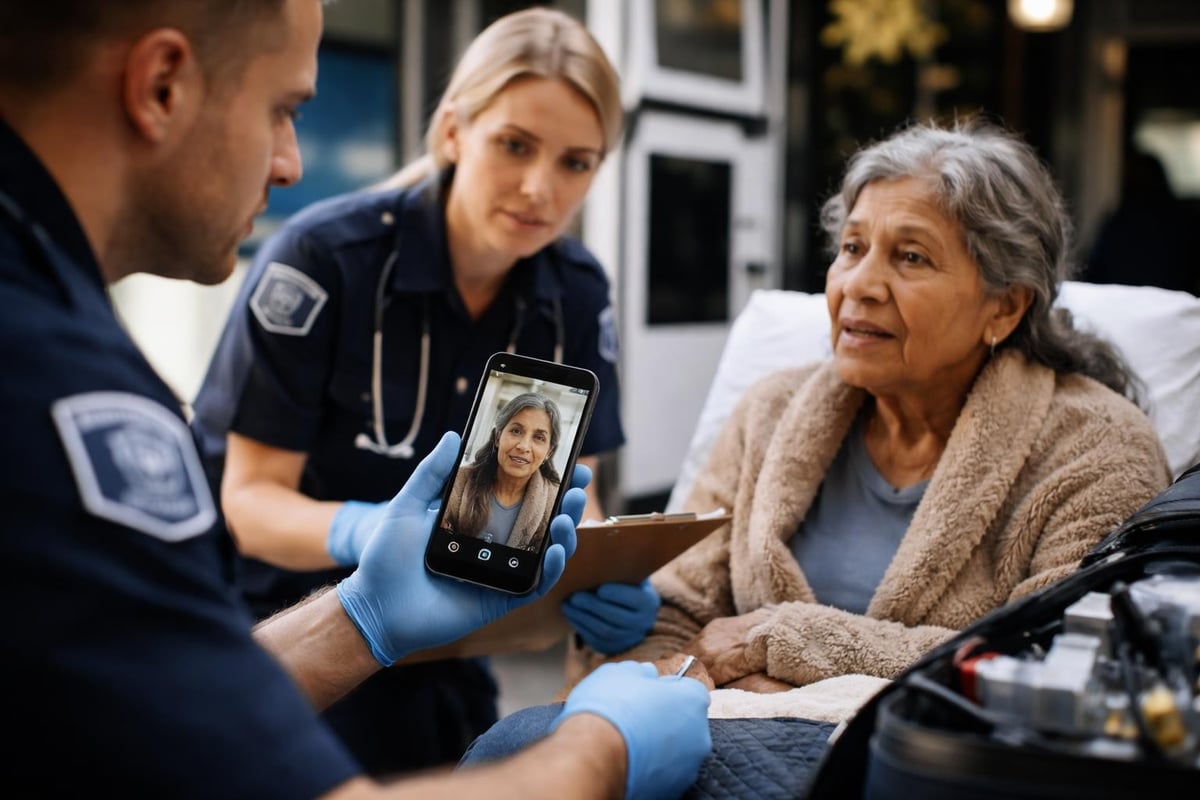
Field personnel benefit from portable translation tools that function in varied environments, from accident scenes to private residences. These solutions must operate reliably without consistent internet connectivity, supporting offline capabilities for essential communications. Modern translation tools address these requirements through hybrid architectures that combine cloud-based processing with local language databases.
Enhancing 911 Dispatch Operations Through Language Technology
Dispatch centers represent the frontline of emergency language access, where the initial moments of crisis unfold. When a non-English speaking caller reaches 911, dispatchers must simultaneously identify the language, establish communication, gather critical information, and coordinate response-all while managing the caller's emotional state and potential panic.
Traditional three-way calling with interpretation services introduces delays averaging 45-90 seconds before meaningful communication begins. In cardiac arrest situations, where brain damage can occur within four to six minutes without oxygen, these delays directly threaten survival. Advanced language interpretation and translation platforms reduce connection times to seconds, enabling immediate information gathering.
Modern emergency communication platforms integrate language identification algorithms that automatically detect the caller's language from speech patterns, then route the call through appropriate translation channels. This automation removes decision-making burden from dispatchers during high-stress moments while accelerating access to language support.
Pre-Emergency Translation for Community Preparedness
Beyond active emergency response, language interpretation and translation serve important preparedness functions:
- Emergency broadcast system messages translated into community languages for mass notifications
- Safety education materials converted to multiple languages for distribution
- Evacuation instructions pre-translated and ready for rapid dissemination
- Resource directories listing language-specific support services
- Training videos with multilingual subtitles or voiceovers
Public safety agencies that invest in these preparedness translations create more resilient communities while reducing workload during actual emergencies. Emergency broadcast systems with built-in translation capabilities can simultaneously deliver messages in multiple languages, ensuring comprehensive community reach during natural disasters, public safety threats, or other large-scale incidents.
Artificial Intelligence and Machine Translation Advances
Artificial intelligence has dramatically transformed language interpretation and translation capabilities in recent years, particularly for emergency applications where speed and availability matter most. Machine learning algorithms trained on billions of multilingual texts now achieve translation quality approaching human parity for many common language pairs and contexts.
AI-powered translation systems offer emergency services several distinct advantages over human-only interpretation models. They provide instant availability across all supported languages without staffing constraints, eliminate wait times for interpreter connections, and scale infinitely to handle multiple simultaneous requests. These systems operate continuously without fatigue, maintaining consistent quality during extended incidents or disaster scenarios.
However, machine translation faces ongoing challenges with context, idioms, and emergency-specific terminology. A literal translation might miss cultural nuances that affect how emergency instructions are received and followed. Hybrid approaches combining AI speed with human oversight for critical communications often deliver optimal results for public safety applications.
Neural Network Translation Architecture
| Translation Approach | Speed | Accuracy | Best Emergency Use |
|---|---|---|---|
| Rule-Based MT | Fast | 75-85% | Simple, structured messages |
| Statistical MT | Moderate | 80-88% | General communication |
| Neural MT | Fast | 88-95% | Complex, contextual exchanges |
| Human + AI Hybrid | Moderate | 95-99% | Life-safety critical situations |
Emergency services should evaluate their specific needs, community demographics, and risk tolerance when selecting between fully automated and human-augmented language interpretation and translation solutions.
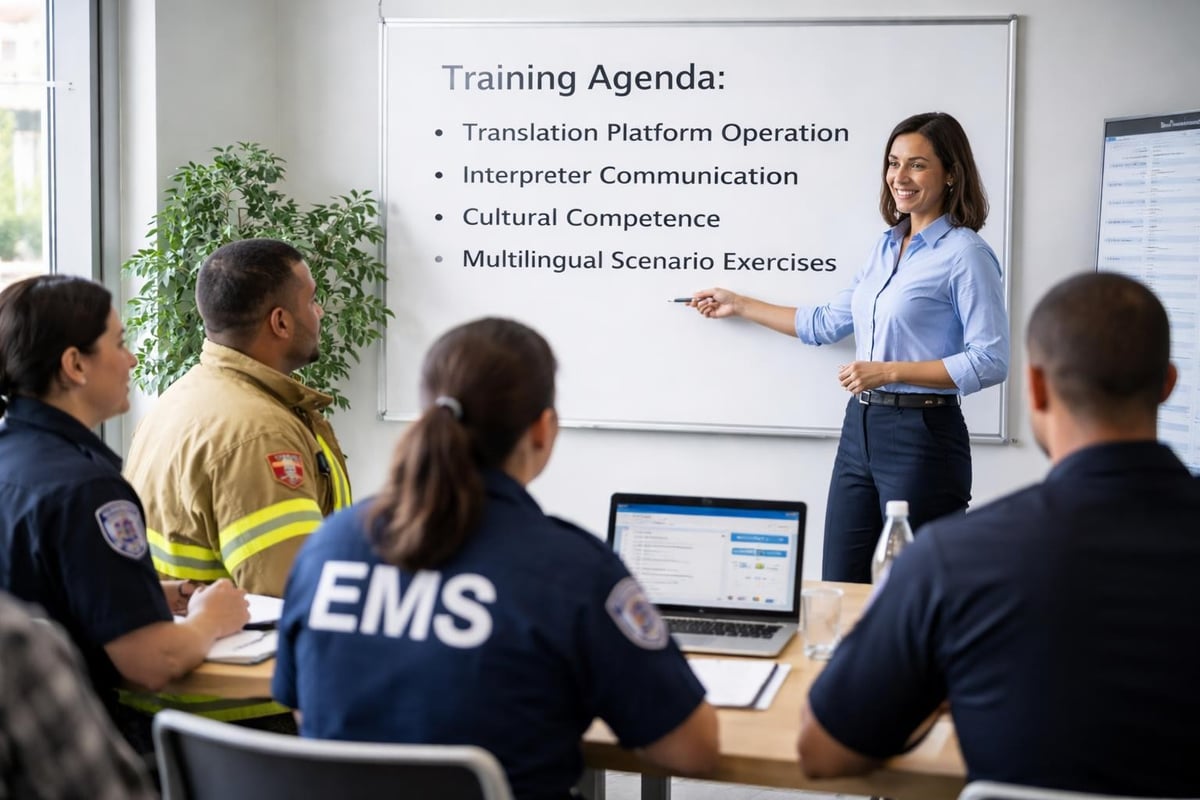
Training Emergency Personnel for Multilingual Communication
Technology alone cannot ensure effective multilingual emergency response. Personnel must understand when and how to activate language support, recognize communication challenges, and adapt their communication styles when working through interpreters. Comprehensive training programs address both technical proficiency and cultural competence.
Effective training curricula for emergency personnel include:
- Platform operation and troubleshooting for translation systems
- Recognition of language barriers and appropriate response protocols
- Best practices for speaking through interpreters (pace, clarity, avoiding idioms)
- Cultural awareness and sensitivity to diverse communication styles
- Scenario-based exercises simulating multilingual emergency interactions
Public safety agencies should integrate language interpretation and translation training into both initial academy instruction and ongoing professional development. Regular refresher sessions ensure personnel maintain skills and stay current with evolving technologies and community demographics.
Quality Assurance and Performance Metrics
Measuring language interpretation and translation effectiveness requires specific metrics that capture both technical performance and operational impact. Public safety agencies should establish baseline measurements and continuous monitoring to identify improvement opportunities and ensure consistent service delivery.
Key Performance Indicators
Emergency communication centers tracking language service quality should monitor:
- Time to language identification from call initiation
- Connection time to interpretation services across different languages
- Call completion rates for non-English interactions
- Translation accuracy scores through post-incident review
- User satisfaction from community feedback
- Outcome disparities comparing English and non-English emergency responses
These metrics reveal whether language barriers continue to disadvantage certain community members and guide resource allocation decisions. Agencies discovering consistently longer response times for specific languages might need dedicated interpreter contracts or enhanced technology capabilities for those language pairs.
Regular quality audits should review recorded calls and translated documents to verify accuracy and identify training needs. Engaging community members who speak languages served by the program provides valuable feedback on real-world effectiveness beyond technical metrics.
Implementation Strategies for Public Safety Agencies
Deploying comprehensive language interpretation and translation capabilities requires careful planning, resource allocation, and phased implementation. Agencies should begin by conducting community needs assessments to identify the languages most commonly spoken by residents and prioritize support accordingly.
A structured implementation approach includes these phases:
- Assessment: Analyze call data, census demographics, and community input to identify language needs
- Platform selection: Evaluate technology solutions against requirements for speed, accuracy, coverage, and integration
- Pilot testing: Deploy systems in controlled settings to identify issues before full rollout
- **Personnel training:** Ensure all staff understand capabilities and procedures
- Community awareness: Inform residents about available language support services
- Monitoring and refinement: Track performance metrics and adjust based on results
Budget considerations should account for both initial technology investments and ongoing costs for interpretation services, system maintenance, and training. Many agencies find that real-time translation platforms offer better long-term value than traditional pay-per-use interpretation services by reducing per-incident costs while improving response times.
Emerging Trends and Future Developments
Language interpretation and translation technology continues evolving rapidly, with several trends poised to reshape emergency communication capabilities in coming years. Multimodal AI systems that simultaneously process voice, text, and visual information will enable more sophisticated understanding of emergency contexts and more accurate translations that account for situational factors.
Edge computing architectures will bring processing capabilities directly to emergency vehicles and portable devices, reducing dependence on network connectivity and enabling faster response in rural or disaster-affected areas where infrastructure may be compromised. These systems will support offline operation with periodic synchronization when connectivity returns.
Augmented reality interfaces may soon allow first responders to see translated text overlaid on their field of view, enabling them to read translated vital information while keeping hands free for emergency tasks. Combined with voice translation capabilities, these systems could create seamless multilingual collaboration environments.
The expansion of language support beyond traditional spoken languages to include regional dialects, indigenous languages, and emerging linguistic communities will make emergency services more inclusive and effective for previously underserved populations. As technology improves, the gap between majority and minority language support will continue narrowing.
Language interpretation and translation have evolved from nice-to-have accommodations to mission-critical capabilities for modern emergency services. Public safety agencies that embrace these technologies and integrate them thoughtfully into operations deliver faster, more effective responses while serving all community members equitably. For emergency communication centers seeking to eliminate language barriers and enhance response effectiveness across diverse populations, Convey911 provides comprehensive solutions supporting over 185 languages through integrated text, voice, and video platforms designed specifically for public safety applications.