
In today’s globalized world, language barriers can disrupt critical conversations, whether you are...
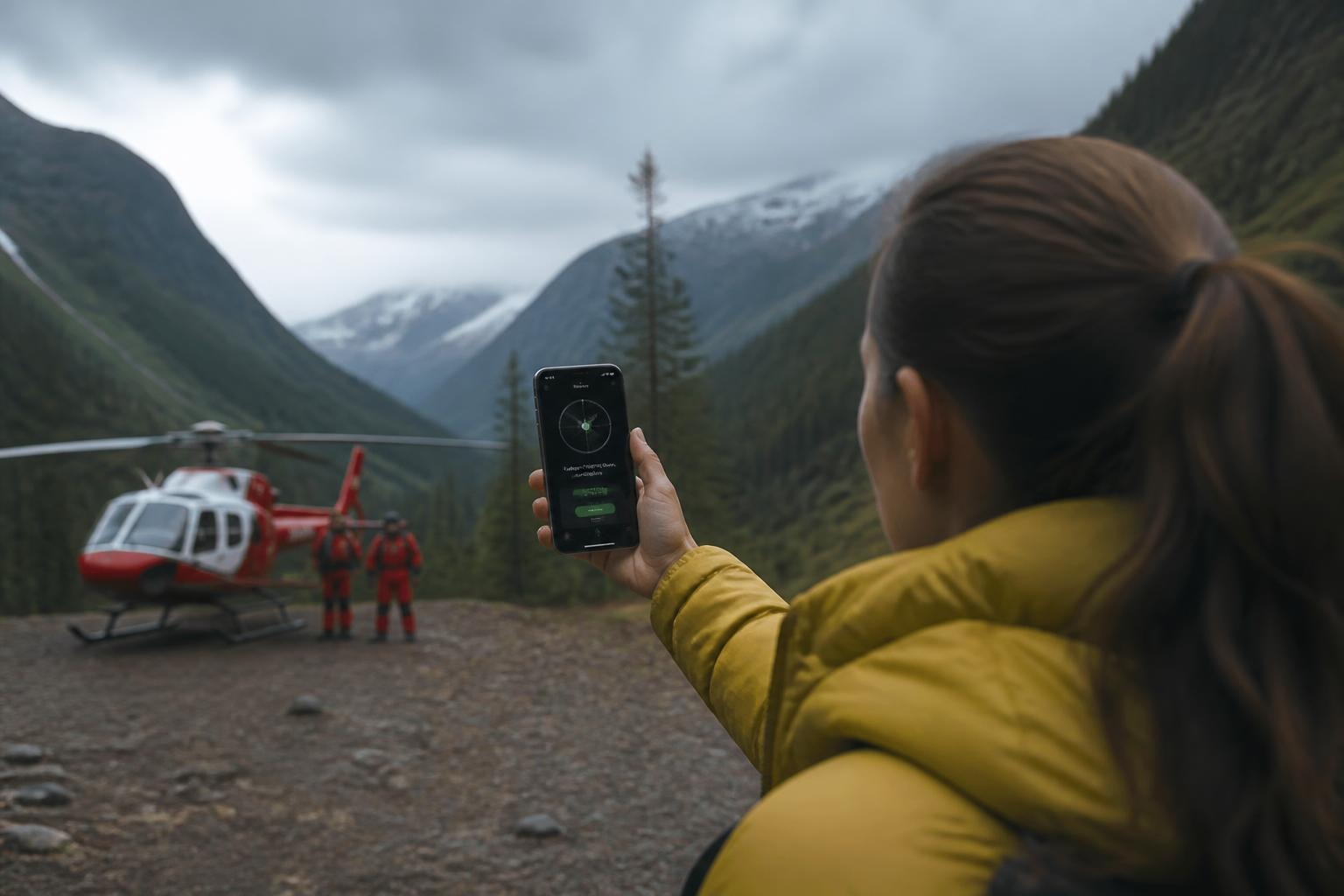
When emergencies strike, every second counts. Yet language barriers continue to pose significant challenges for public safety agencies across the United States. Video interpreter services have emerged as a critical solution, enabling first responders to communicate effectively with diverse populations during life-threatening situations. These services combine visual cues with real-time interpretation, creating a powerful communication tool that surpasses traditional telephone-based interpretation methods. As communities grow increasingly multilingual, understanding how to leverage these services effectively becomes essential for emergency response organizations.
The Evolution of Language Access in Emergency Services
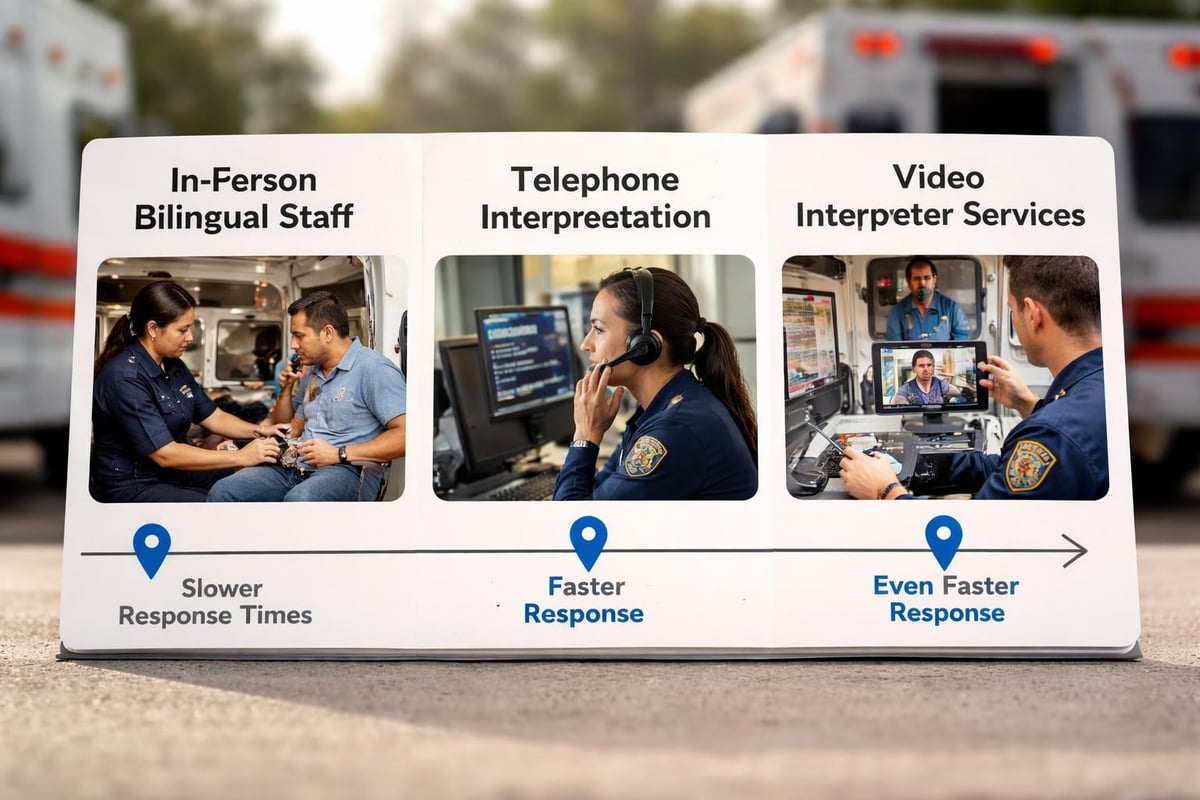
Public safety agencies have long grappled with communication challenges during emergency situations. Traditional methods relied heavily on bilingual staff members or telephone interpretation services, both of which presented significant limitations. The introduction of video remote interpreting fundamentally changed the landscape by incorporating visual elements into the interpretation process.
Video interpreter services leverage high-definition video technology to connect emergency personnel with professional interpreters in real-time. Unlike phone-based interpretation, this approach allows interpreters to see facial expressions, body language, and environmental context. These visual cues prove particularly valuable when assessing medical emergencies, domestic situations, or trauma-related incidents where non-verbal communication carries critical information.
The technology behind these services has advanced significantly in recent years. Modern platforms now offer:
- Secure, HIPAA-compliant video connections
- Support for over 185 languages and dialects
- Integration with existing emergency communication systems
- Mobile accessibility for field operations
- Recording capabilities for documentation and training
Technical Infrastructure Requirements
Implementing video interpreter services requires careful consideration of technical infrastructure. Public safety agencies must ensure their systems can support high-quality video transmission while maintaining security protocols. Network bandwidth stands as a primary concern, with most services requiring minimum upload and download speeds of 1.5 Mbps for optimal performance.
Connection reliability becomes paramount during emergencies. Redundant systems and backup internet connections help prevent service interruptions. Many emergency communication platforms, including advanced translation software, now incorporate failover mechanisms that automatically switch between video and audio-only modes if bandwidth becomes compromised.
Core Benefits for Emergency Response Teams
Video interpreter services deliver measurable advantages across multiple dimensions of emergency response operations. The primary benefit centers on speed. Traditional interpretation methods often required waiting for an interpreter to arrive on scene, potentially delaying critical interventions by 15-45 minutes. Video services connect users with interpreters within 30-90 seconds on average.
Enhanced Accuracy and Comprehension
Visual context dramatically improves interpretation accuracy. When interpreters can observe the situation, they better understand the nuances of what's being communicated. This proves especially valuable in medical emergencies where patients may struggle to articulate symptoms or when dealing with individuals experiencing trauma or cognitive impairment.
The ability to see both parties enables interpreters to:
- Identify potential miscommunications before they escalate
- Recognize cultural considerations that impact the interaction
- Adapt their interpretation style to the emotional state of participants
- Clarify ambiguous statements through visual confirmation
- Notice environmental hazards or safety concerns
Cost Efficiency and Resource Optimization
While initial implementation costs may seem substantial, video interpreter services typically generate significant long-term savings. Organizations eliminate expenses associated with maintaining large rosters of bilingual staff or paying premium rates for after-hours in-person interpretation. The on-demand nature of video services means agencies only pay for actual usage rather than maintaining standby personnel.
| Traditional Methods | Video Interpreter Services |
|---|---|
| 15-45 minute wait times | 30-90 second connection |
| Limited language availability | 185+ languages accessible |
| Higher per-incident costs | Pay-per-use pricing |
| Geographic limitations | Anywhere with internet access |
| Documentation challenges | Built-in recording options |
Implementation Strategies for Public Safety Agencies
Successful deployment of video interpreter services requires strategic planning and comprehensive training. Organizations must develop clear protocols that define when and how to utilize these services. Creating decision trees helps dispatchers and field personnel quickly determine the appropriate communication method for each situation.
Training represents the cornerstone of effective implementation. First responders need hands-on experience with the technology before facing high-pressure emergency scenarios. Simulation exercises that incorporate emergency translation challenges help build confidence and identify potential workflow issues.
Integration with Existing Systems
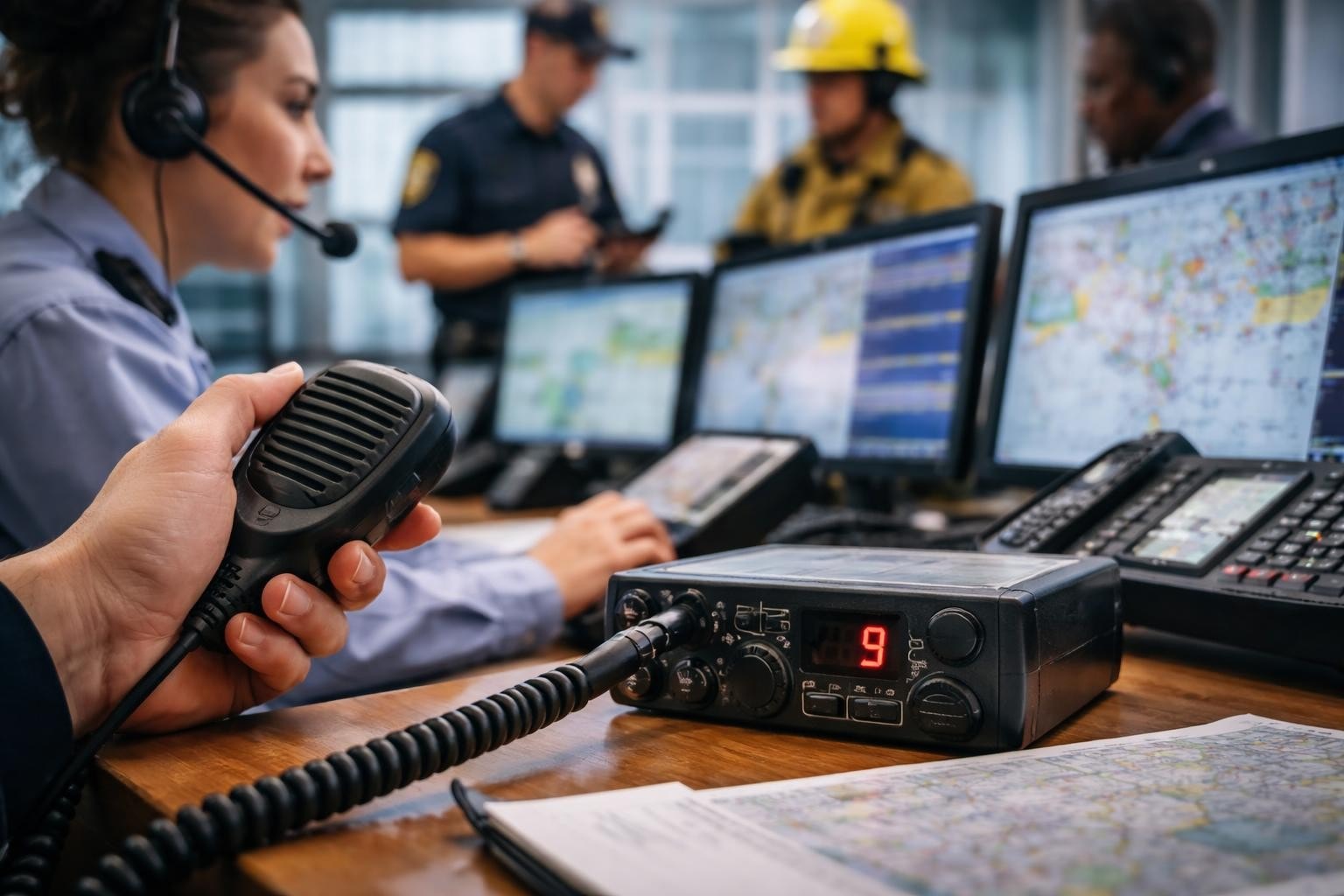
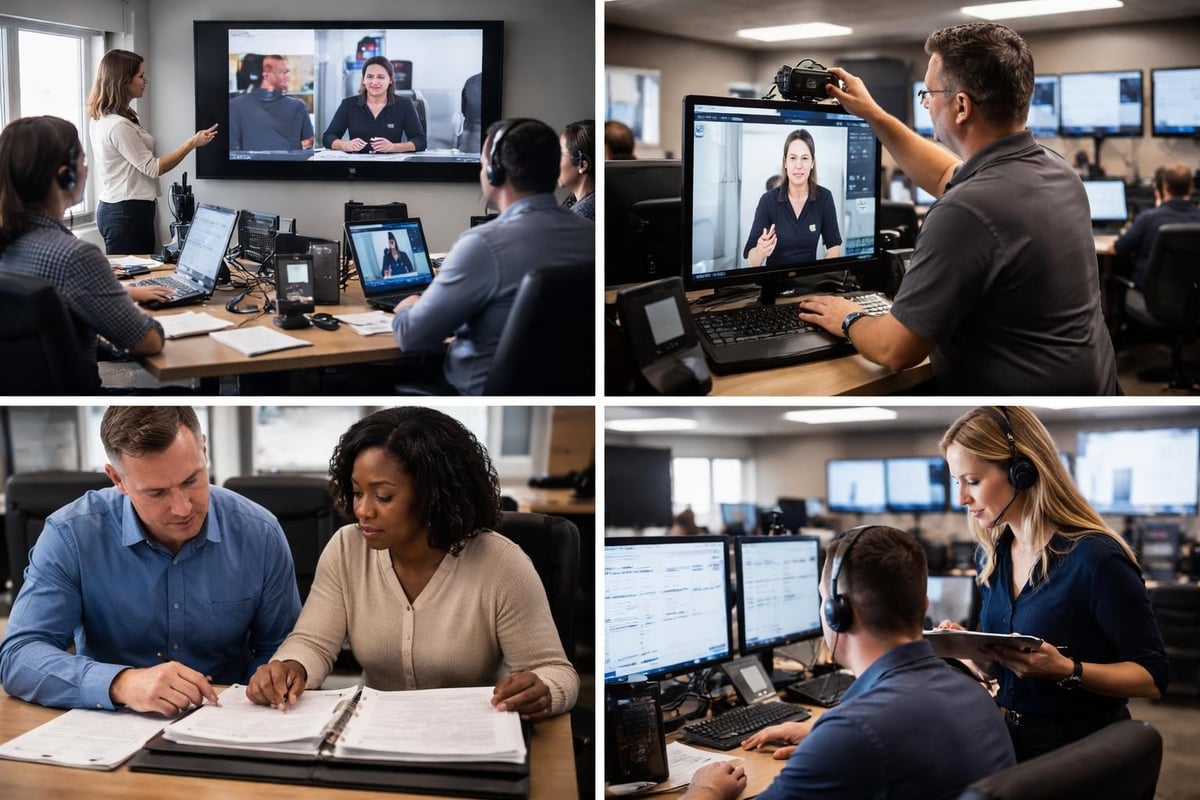
Modern video interpreter services must seamlessly integrate with current emergency communication infrastructure. This includes computer-aided dispatch systems, records management platforms, and mobile data terminals used by field personnel. Professional interpreting services often provide API capabilities that enable custom integrations tailored to specific organizational needs.
Mobile accessibility has become increasingly important as more emergency response occurs in the field. Tablets and smartphones equipped with specialized applications allow paramedics, police officers, and firefighters to access interpretation services at incident scenes. These mobile solutions must balance functionality with durability, supporting operations in challenging environmental conditions.
Quality Assurance and Compliance Considerations
Maintaining high standards for interpretation quality protects both emergency personnel and the communities they serve. Professional video interpreter services employ certified interpreters who undergo rigorous training specific to emergency and medical interpretation. These specialists understand critical terminology and can maintain composure during high-stress situations.
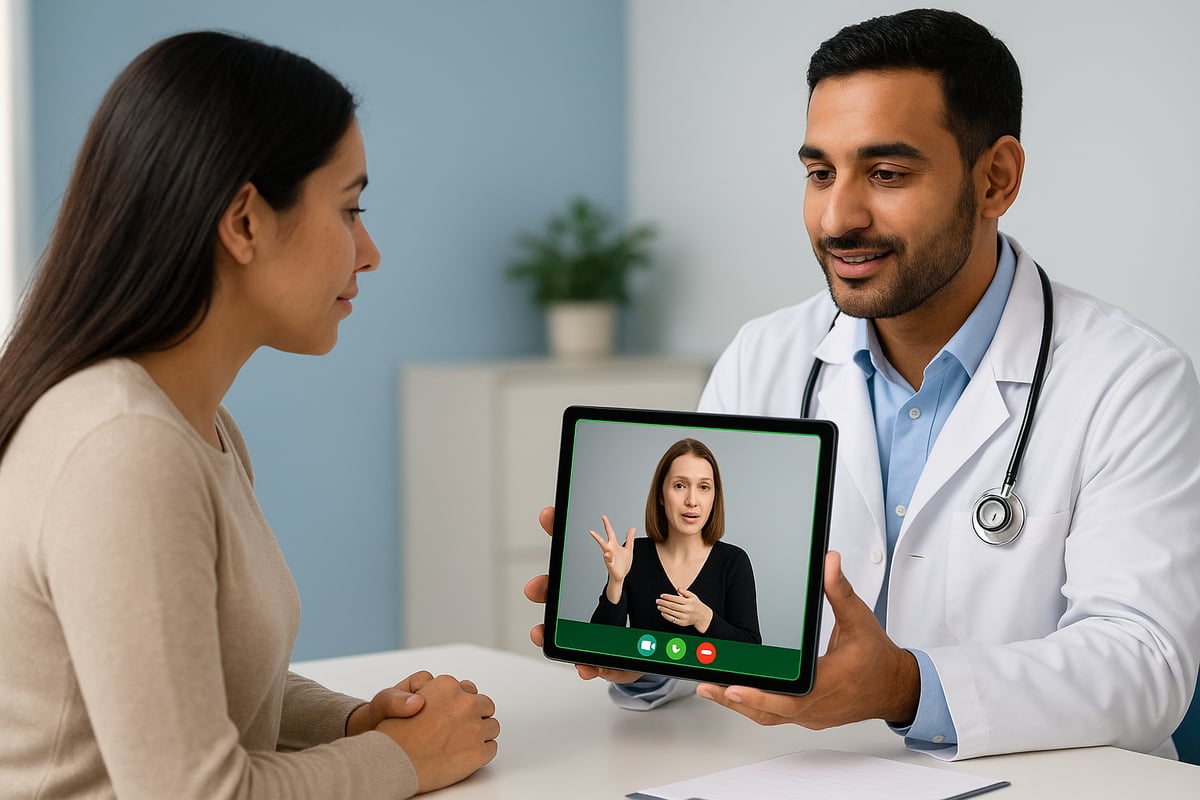
Regulatory compliance spans multiple frameworks depending on the agency's jurisdiction and the nature of services provided. Federal requirements under Title VI of the Civil Rights Act mandate meaningful language access for federally funded programs. The Americans with Disabilities Act (ADA) requires accessible communication for individuals who are deaf or hard of hearing, making video remote interpretation particularly valuable for sign language interpretation.
Documentation and Legal Considerations
Video interpreter services create important documentation opportunities that support both operational improvement and legal compliance. Recording interpreted interactions provides valuable evidence in legal proceedings and enables quality review processes. However, agencies must establish clear policies regarding consent, retention, and access to these recordings.
Privacy protections remain paramount. HIPAA compliance becomes essential when video interpreter services involve medical information or treatment. Service providers should offer encryption for data transmission and storage, ensuring sensitive information remains protected throughout the interpretation process.
Specialized Applications in Emergency Contexts
Different emergency scenarios benefit from video interpreter services in unique ways. Medical emergencies particularly leverage the visual component, allowing paramedics to assess patient conditions while simultaneously communicating through an interpreter. This dual-channel information flow enables faster triage and more accurate treatment decisions.
Law Enforcement Applications
Police encounters with non-English speakers require nuanced communication that balances efficiency with constitutional protections. Video interpreter services help officers:
- Conduct field interviews with witnesses and victims
- Explain legal rights and procedures clearly
- De-escalate tense situations through better understanding
- Document statements accurately for investigative purposes
- Comply with language access requirements during arrests
The visual component helps establish trust and reduces the perception of intimidation that sometimes accompanies law enforcement interactions. Suspects and witnesses can see that communication is being facilitated by a neutral, professional interpreter rather than relying solely on the officer's representation.
Fire and Rescue Operations
Fire departments increasingly utilize video interpreter services during emergency response and community risk reduction activities. When responding to structure fires, hazmat incidents, or natural disasters, firefighters encounter diverse populations who may speak limited English. Quick access to interpretation helps gather critical information about building occupants, hazardous materials, or medical conditions that impact rescue operations.
Community outreach programs also benefit from this technology. Fire prevention education, smoke detector installation programs, and public safety messaging reach broader audiences when delivered through language translation software that supports multiple communication channels.
Best Practices for Maximizing Effectiveness
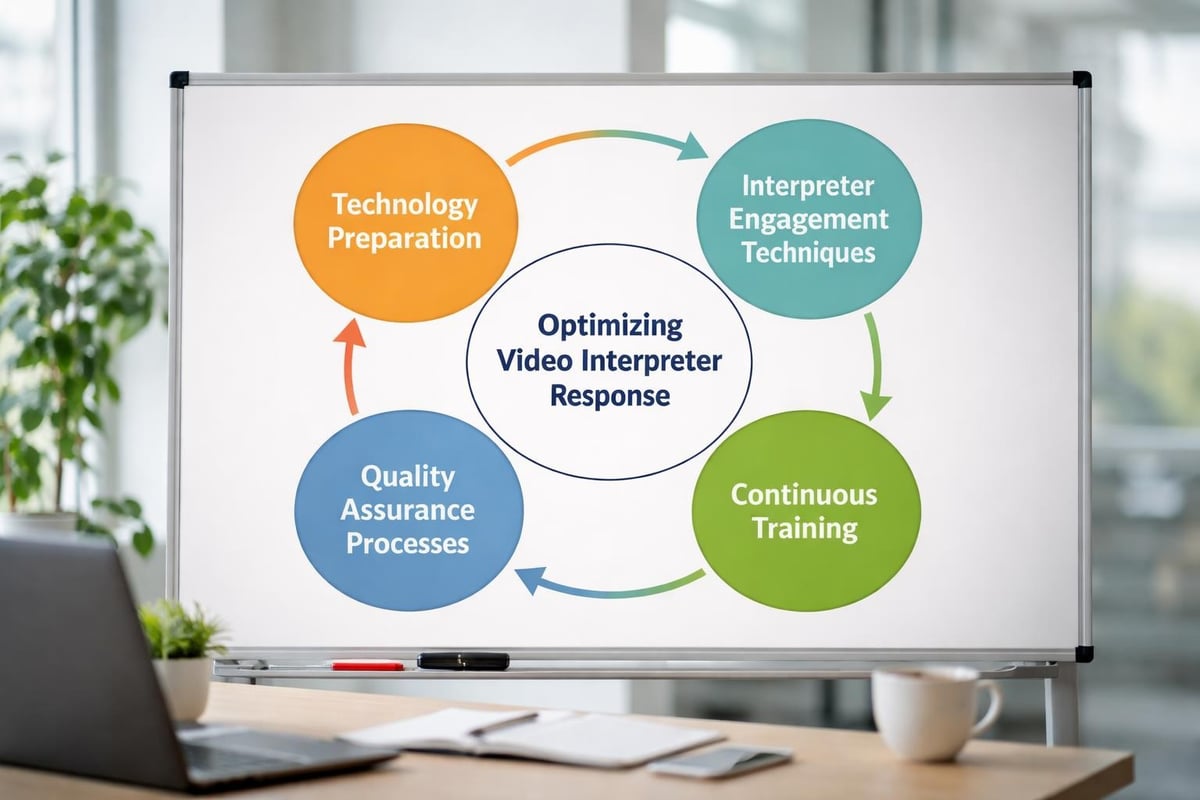
Organizations that achieve the greatest success with video interpreter services follow established best practices that optimize both technology and human factors. Standardized protocols ensure consistency across shifts and personnel, reducing variability in service delivery.
Technology Preparation:
- Test equipment regularly to identify and resolve issues proactively
- Maintain updated device inventories with designated backup units
- Establish clear escalation procedures for technical failures
- Monitor service quality metrics and address trends promptly
Interpreter Engagement:
- Position cameras to show both the emergency professional and the individual requiring interpretation
- Speak directly to the person, not the interpreter, maintaining eye contact
- Use clear, concise language and pause appropriately for interpretation
- Verify understanding through confirmation questions
Training and Professional Development
Ongoing education ensures personnel maintain proficiency with video interpreter services. Quarterly refresher sessions reinforce proper usage techniques and introduce new features or capabilities. Scenario-based training exercises simulate realistic emergency situations where interpretation becomes necessary, building muscle memory for accessing services under pressure.
Cross-training between dispatch and field personnel creates shared understanding of capabilities and limitations. When dispatchers understand how officers or paramedics utilize the technology in the field, they can provide better support and anticipate needs. Similarly, field personnel who comprehend dispatch center workflows contribute to more efficient service delivery.
Measuring Impact and Return on Investment
Quantifying the value of video interpreter services requires tracking multiple performance indicators. Response time metrics should compare incidents involving language barriers before and after implementation. Organizations typically observe significant improvements in call handling efficiency and reduced time-to-treatment or time-to-intervention.
| Performance Metric | Before Implementation | After Implementation |
|---|---|---|
| Average interpretation wait time | 25-40 minutes | 30-90 seconds |
| Language access availability | 8-12 languages | 185+ languages |
| Incidents requiring interpretation | Undercounted | Accurately tracked |
| Community satisfaction scores | Baseline | 15-30% improvement |
| Documentation completeness | Variable | Consistently high |
Cost analysis should extend beyond direct service fees to include avoided expenses. These include reduced overtime for bilingual staff, elimination of premium rates for emergency in-person interpretation, and decreased liability exposure from miscommunication incidents. Emergency communication platforms that integrate video interpretation often demonstrate positive ROI within 12-18 months of deployment.
Addressing Common Implementation Challenges
Public safety agencies frequently encounter similar obstacles when deploying video interpreter services. Resistance to change ranks among the most common challenges, with personnel accustomed to existing processes questioning the need for new technology. Addressing this resistance requires demonstrating tangible benefits through pilot programs and collecting feedback from early adopters who can champion the initiative.
Technical difficulties during critical incidents can undermine confidence in the system. Establishing robust troubleshooting protocols and ensuring 24/7 technical support minimizes disruptions. Organizations should maintain alternative communication methods, such as over-the-phone interpretation, as backup options when video services experience issues.
Cultural Competency Considerations
Effective use of video interpreter services requires understanding that language access represents just one component of culturally competent emergency response. Cultural differences in communication styles, authority perception, and medical practices all influence interactions. High-quality interpretation services provide not just linguistic translation but also cultural mediation when appropriate.
Training programs should incorporate cultural awareness components that help emergency personnel recognize when cultural factors may be influencing a situation. This knowledge complements interpretation services, creating more effective overall communication strategies.
Future Developments in Video Interpretation Technology
The video interpreter services landscape continues to evolve rapidly. Artificial intelligence and machine learning technologies are beginning to augment human interpreters, providing real-time translation suggestions and quality assurance capabilities. While these technologies currently serve supporting roles, they enhance interpreter efficiency and accuracy.
Integration with emerging technologies promises to expand capabilities further. Augmented reality applications could overlay translated text into a responder's field of vision. Wearable devices may enable hands-free operation of interpretation services, improving safety during tactical operations. Language translation models continue advancing, offering new possibilities for emergency communication.
The expansion of 5G networks will enhance mobile video interpretation capabilities, providing higher quality connections with lower latency. This improvement particularly benefits rural agencies that currently struggle with limited bandwidth infrastructure.
Video interpreter services have transformed emergency communication by breaking down language barriers that previously impeded effective public safety response. Organizations that implement these services strategically position themselves to serve increasingly diverse communities with greater efficiency and cultural competence. For public safety agencies seeking to enhance their language access capabilities, Convey911 offers comprehensive emergency communication solutions supporting over 185 languages through text, video, and voice channels, ensuring first responders can communicate effectively in any situation. Ready to bridge communication gaps in your emergency operations? Explore how advanced translation technology can strengthen your agency's response capabilities today.