
Introduction In today’s diverse and interconnected world, higher education institutions are tasked...
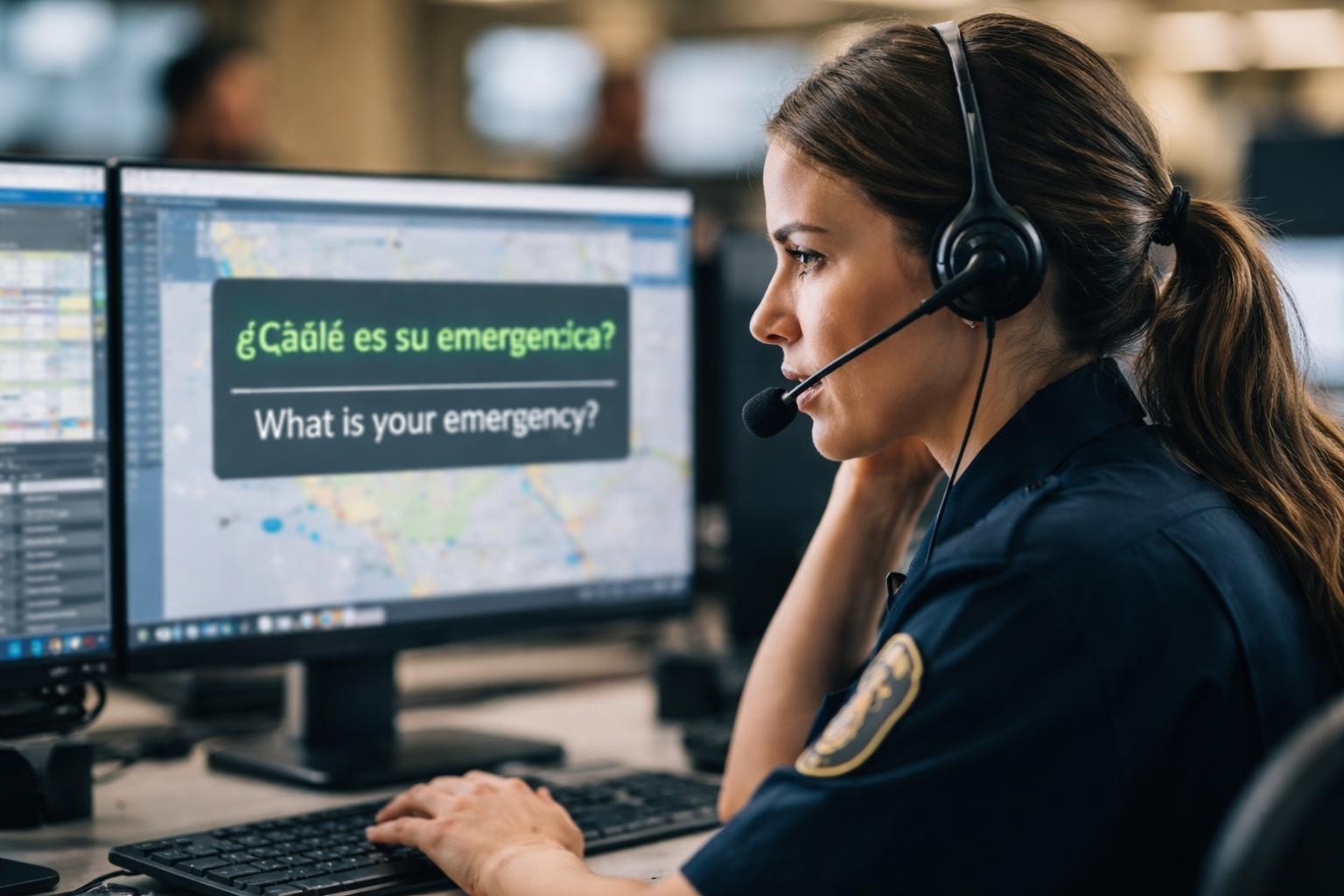
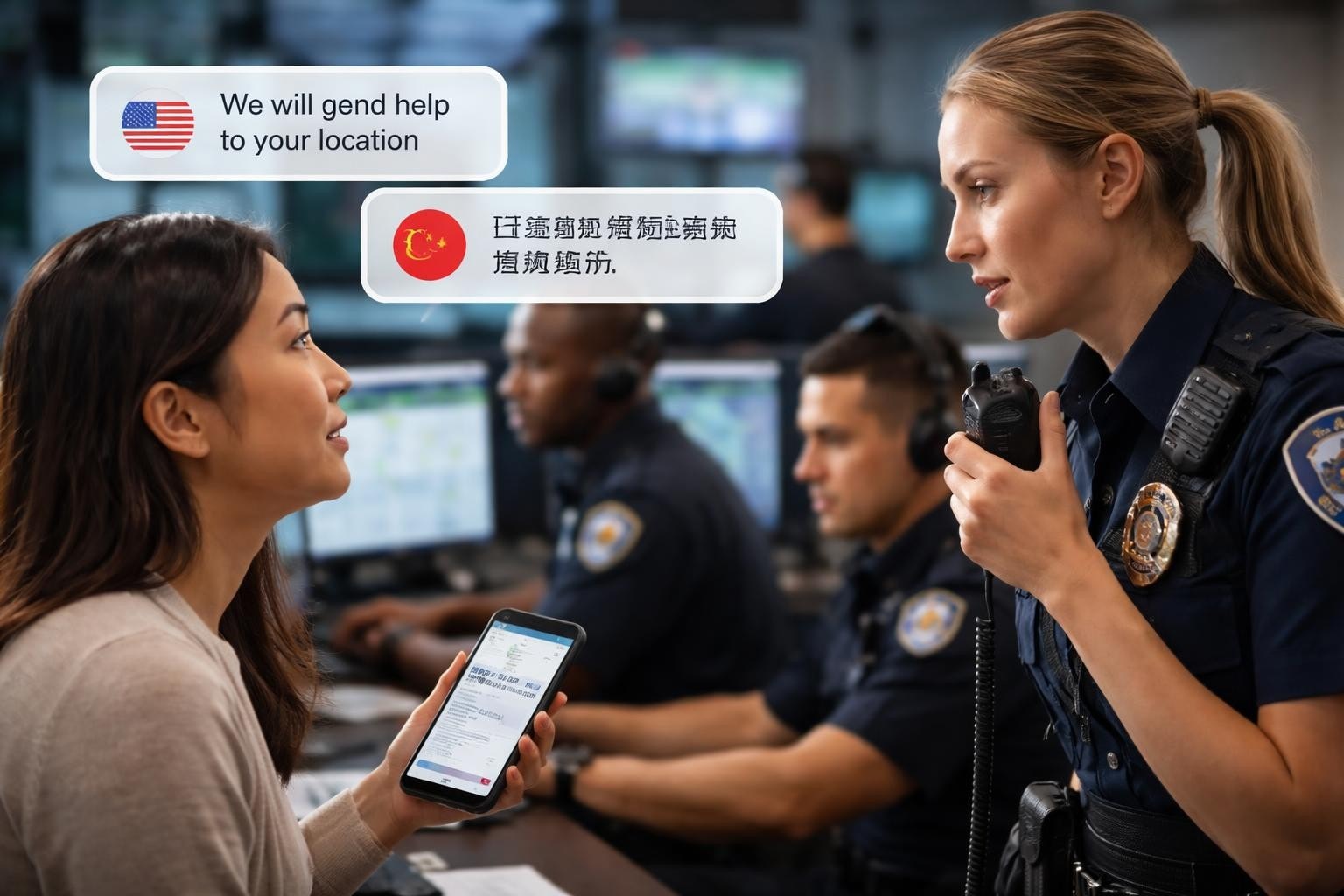
Emergency situations demand clear, immediate communication across language barriers. When public safety agencies receive calls from non-English speakers, every second counts. Voice over translations provide a critical bridge, enabling emergency responders to understand and assist callers regardless of their native language. This technology transforms how first responders communicate during crises, ensuring that language differences never become obstacles to life-saving interventions. For emergency communication professionals, understanding voice over translations is no longer optional-it's essential to serving diverse communities effectively.
Understanding Voice Over Translations in Emergency Contexts
Voice over translations involve converting spoken content from one language to another while preserving the original message's intent and urgency. Unlike traditional dubbing, which aims for perfect lip synchronization, voice-over translation prioritizes clarity and speed, making it ideal for emergency scenarios where rapid comprehension is critical.
In emergency communication settings, voice over translations serve several distinct purposes:
- Real-time caller assistance during 911 calls
- Interagency coordination across multilingual response teams
- Community outreach through emergency broadcast messages
- Training materials for diverse public safety personnel
- Documentation of emergency incidents involving non-English speakers
The fundamental difference between voice over translations and other translation methods lies in timing and delivery. While subtitles require reading comprehension and dubbing demands extensive post-production, voice over translations can be implemented quickly, making them suitable for time-sensitive emergency communications.
Technical Components of Emergency Voice Over Systems
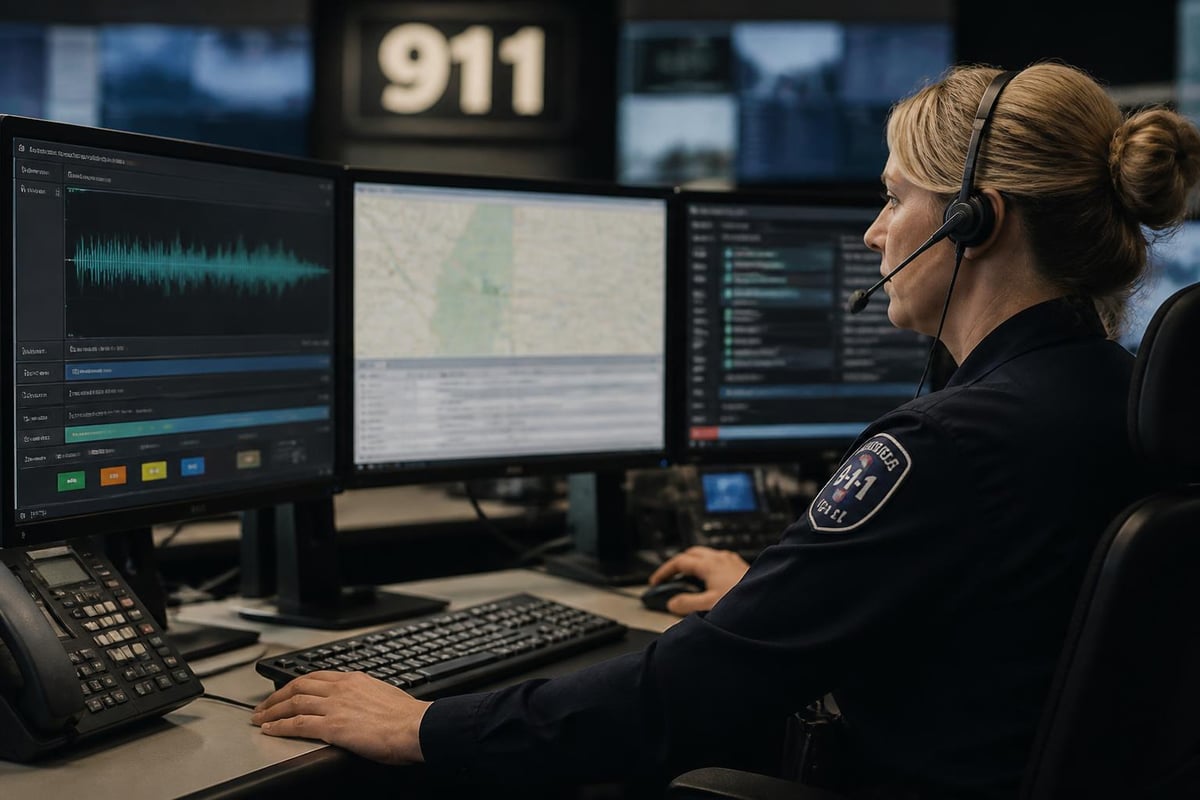
Modern voice over translation systems combine multiple technologies to deliver seamless communication. Machine translation engines process incoming speech, converting it to text before translating and synthesizing the output in the target language. These systems must balance speed with accuracy, particularly when emergency communication systems are handling critical incidents.
The technical infrastructure includes:
- Speech recognition modules that convert spoken words to text
- Translation engines that process content across language pairs
- Text-to-speech synthesizers that generate natural-sounding output
- Quality assurance protocols that verify translation accuracy
- Integration platforms that connect with existing emergency systems
Implementation Challenges in Public Safety Settings
Deploying voice over translations in emergency environments presents unique challenges that differ significantly from commercial or entertainment applications. Public safety agencies must navigate technical, operational, and regulatory considerations while maintaining service reliability during critical moments.
Accuracy Under Pressure
Emergency calls often involve distressed callers speaking rapidly, using regional dialects, or providing fragmented information. Research on voice-over translation complexity demonstrates that maintaining accuracy in high-stress scenarios requires sophisticated error correction and context-aware processing. A mistranslation during a medical emergency could result in inappropriate treatment or delayed response.
Emergency services must implement validation protocols that balance speed with precision. This includes:
| Challenge | Solution Approach | Implementation Priority |
|---|---|---|
| Dialect variations | Expanded training datasets with regional speech patterns | High |
| Background noise | Advanced noise cancellation algorithms | Critical |
| Technical terminology | Specialized medical and emergency lexicons | High |
| Cultural context | Context-aware translation that considers local customs | Medium |
Synchronization and Timing Issues
Unlike pre-recorded content where timing can be adjusted during editing, live emergency communications require near-instantaneous translation. The challenges in voice-over translation become more pronounced when responders need to ask follow-up questions or provide urgent instructions.
Latency becomes a critical metric. Every second of delay in translation can impact response times during cardiac arrest, active shooter situations, or rapidly evolving incidents. Modern real-time translation systems must process voice input, translate content, and deliver output within two to three seconds to maintain conversation flow.
Best Practices for Emergency Voice Over Translation
Public safety agencies implementing voice over translations should follow established protocols that prioritize reliability and clarity. These practices ensure that translation technology enhances rather than complicates emergency response operations.
Selection of Translation Methods
Different emergency scenarios demand different translation approaches. Understanding when to use voice over translations versus other methods is crucial for operational efficiency. The better way to translate video content often depends on the specific use case and audience needs.
When to prioritize voice over translations:
- Active emergency calls requiring immediate two-way communication
- Situations where callers cannot read subtitles due to visual impairment or literacy barriers
- Training videos for personnel who benefit from audio-visual learning
- Emergency broadcasts reaching diverse communities simultaneously
- Field situations where first responders need hands-free translation
When alternative methods work better:
- Pre-recorded public service announcements allowing time for dubbing
- Written documentation requiring permanent translation records
- Multi-agency briefings where sign language video translation serves deaf community members
- Non-urgent community outreach materials
Quality Assurance Protocols
Maintaining translation quality in emergency settings requires systematic validation and continuous improvement. Agencies should establish baseline quality metrics and regularly assess performance against these standards.
- Pre-deployment testing across all supported language pairs
- Regular accuracy audits using recorded emergency call samples
- Feedback mechanisms from dispatchers and callers
- Performance monitoring tracking translation speed and error rates
- Continuous training of translation models with emergency-specific terminology
The integration of translation engines requires careful configuration to handle emergency-specific vocabulary, including medical terms, location descriptions, and incident classifications. Generic translation systems often struggle with specialized terminology that emergency professionals use daily.
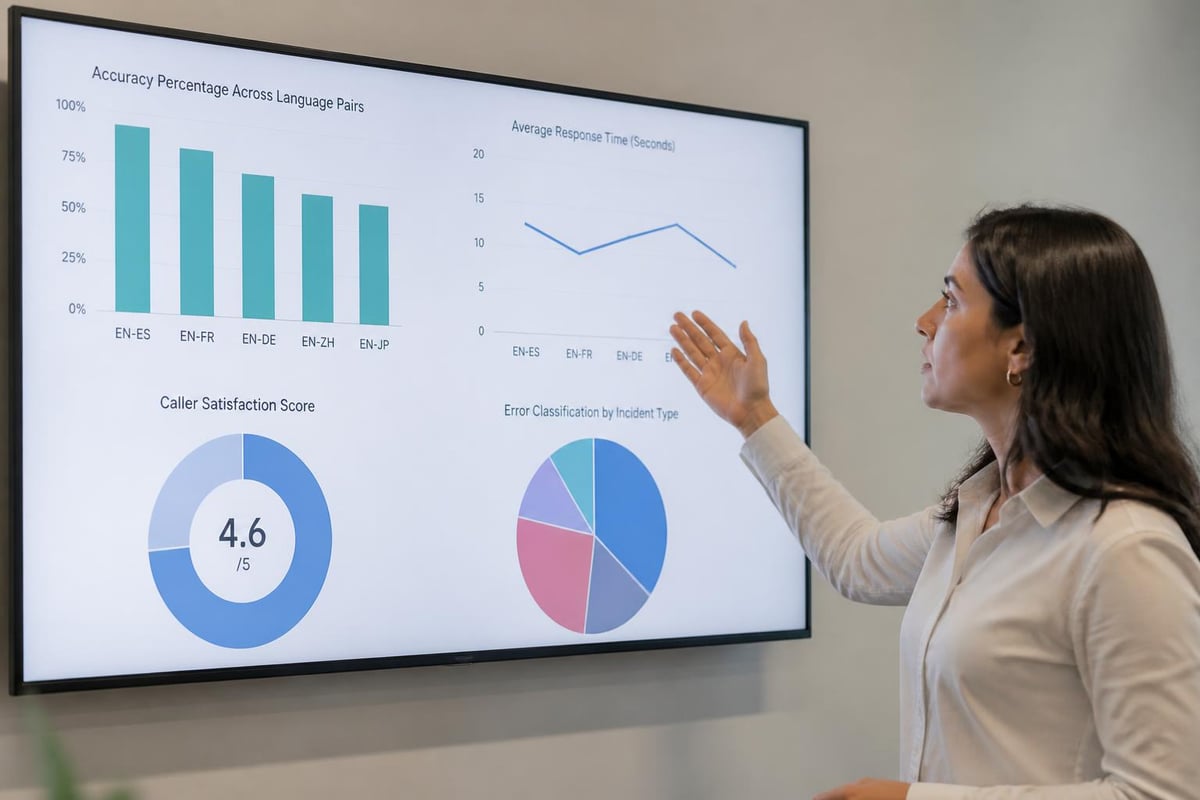
Technology Integration and System Architecture
Successful implementation of voice over translations requires seamless integration with existing emergency communication infrastructure. Public safety agencies operate complex technology ecosystems that include computer-aided dispatch systems, radio networks, and mobile data terminals.
Platform Compatibility Requirements
Voice over translation platforms must interface with multiple communication channels without creating points of failure. When a 911 call comes in, the translation system should activate automatically, providing assistance without requiring manual intervention from already-busy dispatchers.
Modern emergency communication platforms support translation across:
- Traditional voice calls through legacy telephone systems
- Text-to-911 services requiring translation of written messages
- Video and voice translation for callers using video-enabled devices
- Radio communications for field responders coordinating multilingual operations
- Mobile applications enabling direct caller-responder interaction
Scalability and Performance Considerations
Emergency communication systems must handle varying call volumes while maintaining consistent performance. During major incidents or natural disasters, translation demand can spike dramatically as affected communities seek assistance simultaneously.
| System Requirement | Specification | Critical Threshold |
|---|---|---|
| Concurrent translations | 100+ simultaneous sessions | 95% uptime |
| Language coverage | 185+ languages | All major regional languages |
| Translation latency | Under 3 seconds | 2 seconds average |
| Accuracy rate | 95%+ for common phrases | 98%+ for emergency terminology |
| Failover capability | Automatic backup activation | Zero data loss |
Cloud-based architectures provide the elasticity needed to scale translation services during peak demand periods. However, agencies must also consider on-premises backup systems that maintain functionality if internet connectivity fails during disasters.
Cultural Competency in Voice Over Translations
Technical accuracy alone doesn't guarantee effective emergency communication. Voice over translations must account for cultural differences that influence how people describe emergencies, respond to authority figures, and understand medical instructions.
Cultural Context and Localization
Different cultures express distress, request help, and provide information in culturally specific ways. A direct translation might convey words accurately while missing critical cultural nuances that affect message interpretation. Translating voice-overs for effective communication requires understanding these deeper cultural layers.
Cultural considerations for emergency translations include:
- Formal versus informal address conventions
- Gender-specific communication patterns
- Cultural attitudes toward authority figures
- Health-related terminology and concepts
- Geographic and location description differences
- Family structure and emergency contact protocols
For example, some cultures use extensive formal titles when addressing officials, while others prefer direct, informal communication. Translation systems should preserve these cultural communication norms to build trust and facilitate accurate information exchange during emergencies.
Voice Quality and Naturalness
The synthetic voice delivering translated messages impacts caller comfort and comprehension. Research on preserving original speaker characteristics shows that maintaining natural voice qualities improves listener engagement and understanding, even in translated speech.
Emergency services should select voice synthesis options that:
- Sound natural and human-like rather than robotic
- Match appropriate age and gender characteristics for context
- Maintain consistent tone that conveys calm professionalism
- Adjust pace based on message urgency and complexity
- Include appropriate emotional inflection for serious situations

Training and Implementation Strategies
Successfully deploying voice over translations requires comprehensive training for all personnel who interact with the technology. Dispatchers, call takers, and field responders need to understand both capabilities and limitations of translation systems.
Personnel Training Programs
Effective training goes beyond basic system operation to include communication strategies that maximize translation effectiveness. Call takers must learn to speak clearly, pace their questions appropriately, and verify understanding when working through translation technology.
Essential training components:
- System operation fundamentals covering activation and basic functions
- Communication techniques for speaking through translation systems
- Quality verification methods to confirm accurate translation
- Fallback procedures when technology fails or produces unclear results
- Cultural awareness training to complement technical translation skills
Training should include realistic scenarios where personnel practice handling translated emergency calls under pressure. Simulation exercises help develop the skills needed to manage multilingual incidents effectively.
Ongoing Support and Optimization
Implementation doesn't end with initial deployment. Agencies need continuous support structures that address technical issues, incorporate user feedback, and optimize performance based on real-world usage patterns.
Regular system reviews should analyze:
- Translation accuracy rates by language pair
- Average call handling times with translation assistance
- User satisfaction from both dispatchers and callers
- Technical performance metrics and system reliability
- Emerging language needs based on community demographics
Comparing Translation Approaches for Emergency Services
Public safety agencies often evaluate multiple translation methods when building comprehensive language access programs. Understanding the differences between AI voice-over, dubbing, and subtitles helps agencies select appropriate technologies for specific applications.
Voice Over Versus Subtitle Approaches
Each translation method offers distinct advantages for different emergency communication scenarios. The optimal approach depends on communication channel, caller capabilities, and incident characteristics.
| Method | Best Use Cases | Limitations | Emergency Suitability |
|---|---|---|---|
| Voice over translations | Live calls, audio-only channels, illiterate callers | Requires clear audio input, processing latency | Excellent for active calls |
| Subtitles | Video calls, deaf community, noisy environments | Requires literacy, visual attention | Good for video communication |
| Human interpretation | Complex negotiations, sensitive situations | Higher cost, availability constraints | Best for critical incidents |
| Pre-recorded dubbing | Training materials, public announcements | Not real-time, requires production time | Ideal for prepared content |
Many agencies implement hybrid approaches that combine multiple translation methods. For instance, video language translation might use voice over translations for immediate communication while also displaying subtitles for callers who prefer reading.
Emerging AI Technologies
Artificial intelligence continues advancing voice over translation capabilities, particularly in areas like voice preservation and natural speech generation. Recent developments in speech-to-speech translation frameworks address privacy concerns while improving translation naturalness, which could benefit emergency communication applications.
These emerging technologies promise:
- Faster translation processing with reduced latency
- More natural-sounding synthetic voices
- Better handling of background noise and multiple speakers
- Improved accuracy for specialized emergency terminology
- Enhanced ability to detect and translate emotional content
Regulatory Compliance and Standards
Public safety agencies must ensure voice over translation implementations comply with federal, state, and local regulations governing emergency communications and language access. Multiple regulatory frameworks influence how agencies deploy and operate translation services.
Language Access Requirements
The Americans with Disabilities Act, Title VI of the Civil Rights Act, and various state laws mandate meaningful language access for emergency services. Agencies must provide effective communication for limited English proficiency individuals, and voice over translations help satisfy these legal obligations.
Compliance considerations include:
- Documentation of translation quality and availability
- Response time standards for non-English emergency calls
- Coverage of all languages meeting community threshold requirements
- Regular assessment of community language needs
- Accessibility for individuals with disabilities alongside language barriers
Data Security and Privacy Standards
Emergency communications involve sensitive personal information that must be protected according to applicable privacy regulations. Voice over translation systems process and potentially store caller conversations, requiring robust security measures.
Security protocols should address:
- End-to-end encryption for all translated communications
- Data retention policies complying with record-keeping requirements
- Access controls limiting who can review translated calls
- Audit trails documenting all system access and usage
- Vendor security for third-party translation service providers
Future Developments in Emergency Voice Over Translation
The field of voice over translations continues evolving rapidly, driven by advances in artificial intelligence, natural language processing, and speech synthesis. Public safety agencies planning long-term technology investments should consider emerging trends that will shape future capabilities.
Predictive Translation Enhancement
Next-generation systems will leverage context from previous calls, incident type, and location data to improve translation accuracy. By understanding the likely context of an emergency call, translation engines can make better word choices and provide more accurate interpretations of ambiguous phrases.
Future enhancements may include:
- Incident-specific vocabulary prioritization
- Location-aware translation considering regional dialects
- Historical call pattern analysis improving prediction
- Integration with medical protocols and response procedures
- Automatic terminology standardization across agencies
Multi-Modal Communication Integration
Emergency communication increasingly involves multiple simultaneous channels. A single incident might generate voice calls, text messages, video streams, and social media posts, all requiring translation. Integrated platforms will provide unified translation across all these modalities.
This evolution aligns with broader trends in language interpretation and translation where agencies expect seamless movement between communication channels without losing translation continuity or context.
Voice over translations represent a critical capability for modern emergency communication systems, enabling public safety agencies to serve diverse communities effectively regardless of language barriers. By understanding implementation challenges, following best practices, and staying current with emerging technologies, agencies can build robust multilingual communication capabilities that save lives during critical incidents. Convey911 delivers comprehensive voice over translation solutions supporting over 185 languages across text, video, and voice channels, helping public safety agencies eliminate communication barriers and enhance emergency response effectiveness for every community member.