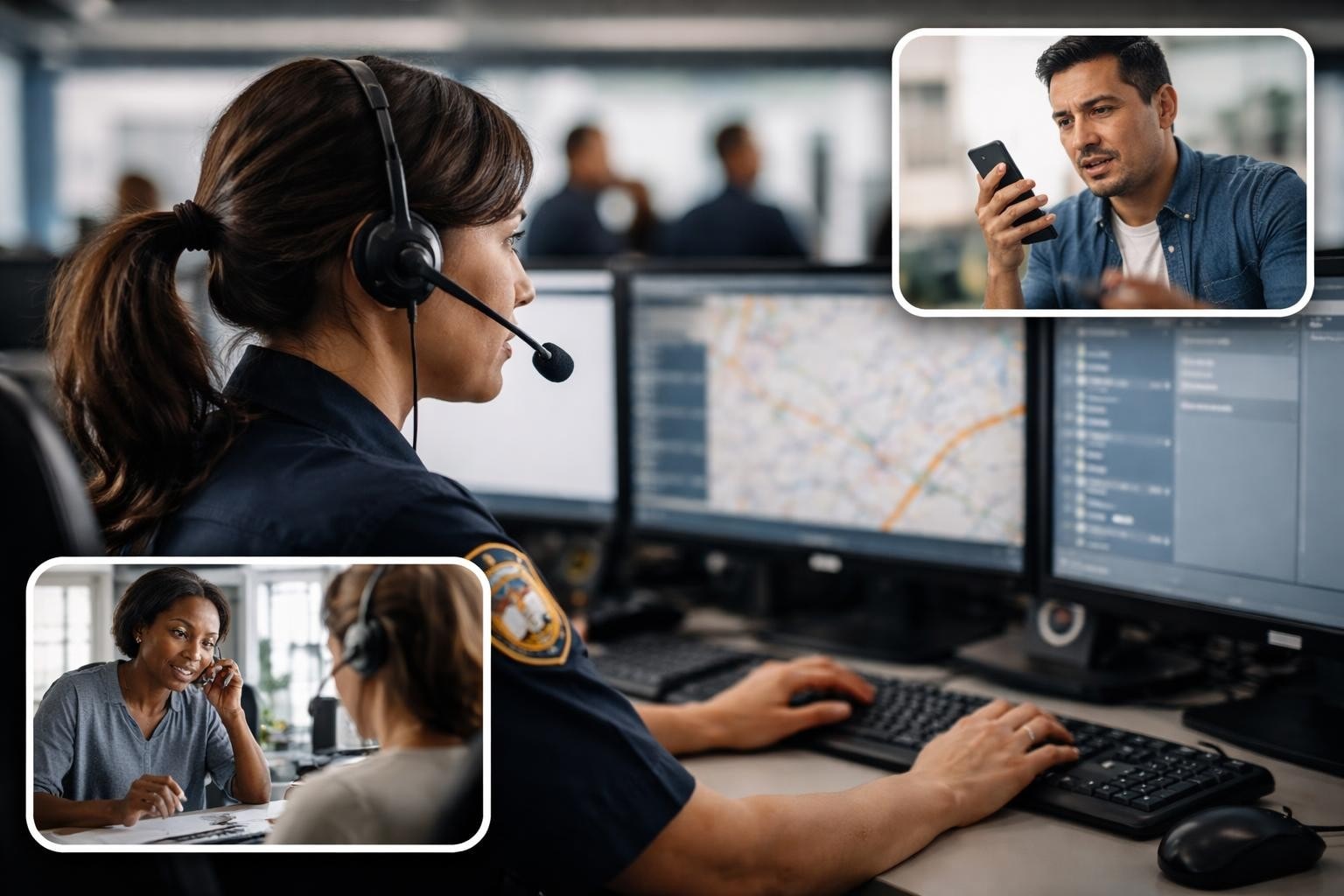

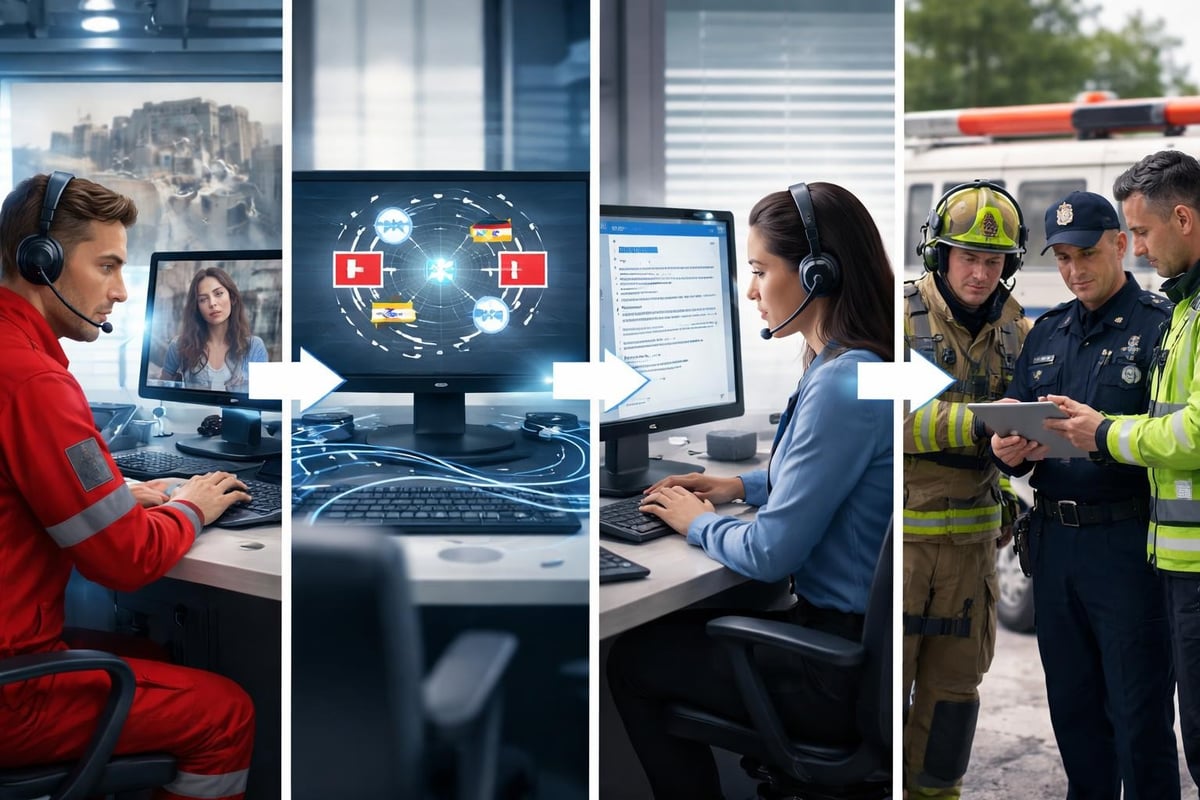
Emergency communication transcends language barriers when lives hang in the balance. Translation...
Effective communication transcends language barriers, especially in critical moments when every second counts. The ability to translate from English to multiple languages simultaneously has become essential for public safety agencies, emergency responders, and organizations serving diverse communities. With over 7,000 languages spoken worldwide and increasing globalization, english to all languages translation represents not just a technological advancement but a fundamental requirement for equitable access to emergency services and critical information.
Understanding the Scope of Multilingual Translation
English serves as a global lingua franca, but millions of people worldwide speak it as a second language or not at all. When emergencies occur, language barriers can mean the difference between life and death.
The Challenge of Universal Translation
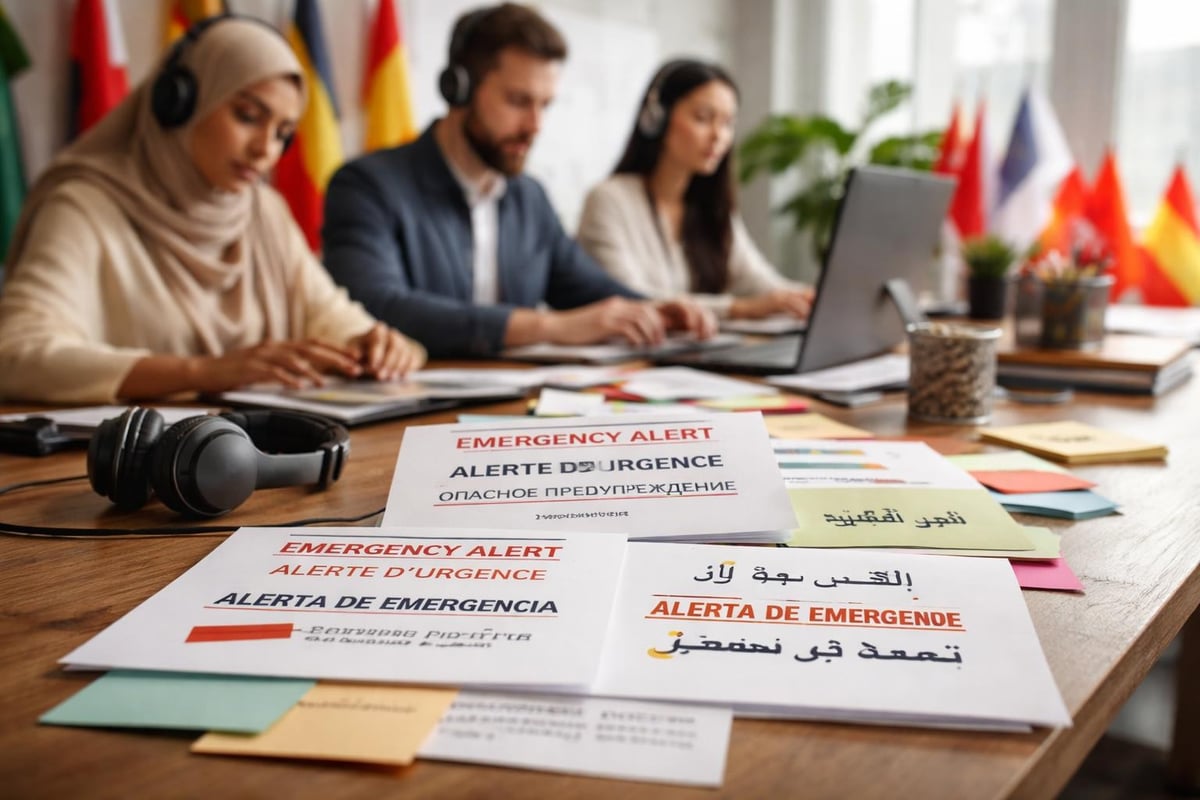
Translating English to all languages presents unique challenges that go beyond simple word-for-word conversion. Each language carries distinct grammatical structures, cultural contexts, and idiomatic expressions that demand sophisticated understanding. Common translation challenges include handling phrases that don't exist in target languages, navigating cultural references, and maintaining accuracy under time constraints.
Public safety agencies encounter these challenges daily when responding to emergencies involving non-English speakers. A 911 call from someone speaking Mandarin, Arabic, or Hmong requires immediate, accurate translation to assess the situation and dispatch appropriate help.
Key factors affecting translation quality include:
- Linguistic structure differences between source and target languages
- Cultural context and localization requirements
- Technical terminology and domain-specific vocabulary
- Real-time processing speed demands
- Accuracy requirements for critical communications
Technology-Driven Translation Solutions
Modern translation technology has evolved dramatically from early machine translation systems. Neural machine translation (NMT) and artificial intelligence now power sophisticated platforms capable of handling hundreds of languages simultaneously.
Language translation models have progressed from rule-based systems to deep learning architectures that understand context, nuance, and intent. These advancements enable real-time english to all languages translation with unprecedented accuracy levels.
| Translation Approach | Speed | Accuracy | Language Coverage | Best Use Case |
|---|---|---|---|---|
| Human Translation | Slow | Highest | Limited | Legal documents, complex content |
| Machine Translation | Fast | Good | Extensive | Real-time communication, high volume |
| Hybrid Systems | Moderate | Very High | Extensive | Critical communications, verified accuracy |
| Neural MT | Very Fast | High | Very Extensive | Emergency response, instant needs |
The emergency communication sector particularly benefits from hybrid approaches that combine machine translation speed with human oversight for accuracy verification when time permits.
Critical Applications in Emergency Response
Emergency situations demand instant communication across language barriers. When a non-English speaker needs help, translation cannot wait.
911 and Emergency Call Centers
Emergency call centers receive calls in hundreds of languages daily. Implementing comprehensive english to all languages translation systems ensures that dispatchers can understand callers regardless of their native language.
Text to 911 services with integrated language translation have revolutionized emergency communication by enabling text-based conversations that can be instantly translated. This technology proves especially valuable for deaf and hard-of-hearing individuals as well as those who may be unable to speak during emergencies.
Essential features for emergency translation systems:
- Support for 185+ languages including rare and endangered languages
- Real-time voice, text, and video translation capabilities
- Offline functionality for areas with limited connectivity
- Accurate translation of medical and emergency terminology
- Cultural sensitivity in urgent communications
- Integration with existing emergency communication infrastructure
First Responder Communication
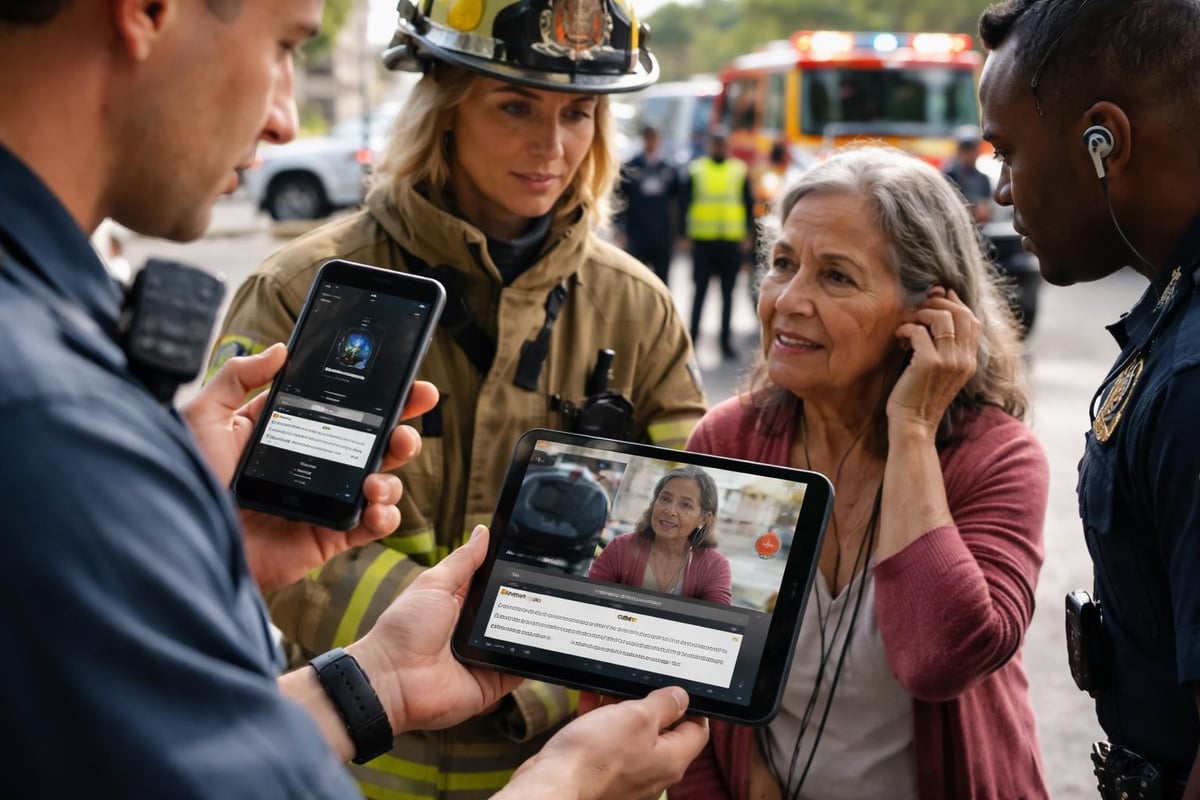
Police officers, firefighters, and paramedics encounter language barriers at emergency scenes regularly. Mobile translation solutions enable first responders to communicate directly with victims, witnesses, and family members without waiting for interpreters.
Understanding emergency translation requirements helps agencies select appropriate technology. Speed matters, but accuracy cannot be compromised when gathering medical histories, understanding hazard warnings, or de-escalating tense situations.
Overcoming Common Translation Obstacles
Translation challenges compound when dealing with the breadth and diversity of global languages. Successful english to all languages translation requires addressing multiple technical and linguistic hurdles.
Structural and Grammatical Differences
Languages vary dramatically in their grammatical frameworks. English follows a subject-verb-object structure, while other languages like Japanese use subject-object-verb patterns. Some languages lack articles, others feature gendered nouns, and many employ case systems foreign to English speakers.
Language structure and grammar differences create particular challenges when translating between English and languages like Arabic, which reads right-to-left and features complex verb conjugation systems. Understanding these structural variations ensures more accurate translation output.
Idiomatic and Cultural Expressions
English idioms like "break a leg" or "it's raining cats and dogs" make literal translation impossible. Every language contains similar expressions rooted in cultural context that require localization rather than direct translation.
Translation problems related to cultural context extend beyond idioms to include units of measurement, date formats, currency, and culturally specific references. Effective english to all languages translation must account for these variations to maintain meaning and clarity.
Common cultural translation considerations:
- Honorifics and formality levels
- Color symbolism and cultural associations
- Religious and spiritual terminology
- Food and cultural practice references
- Historical and geographical context
- Humor and wordplay translation
Technical Terminology Challenges
Emergency communication involves specialized vocabulary from medical, legal, and technical domains. Terms like "myocardial infarction," "extrication," or "hazmat" require precise translation to equivalent terminology in target languages.
Some languages lack direct equivalents for English technical terms, particularly for modern technology or specialized equipment. Top language translation problems frequently involve terminology gaps that demand creative solutions or borrowed terms.
Best Practices for Implementation
Organizations implementing english to all languages translation systems must follow strategic approaches to ensure effectiveness and reliability.
Selecting the Right Translation Technology
Not all translation platforms offer equal capabilities. Emergency services require systems specifically designed for critical communications with features supporting rapid response scenarios.
When evaluating solutions, agencies should examine language coverage depth, not just breadth. Supporting 185 languages means nothing if translations lack accuracy in critical moments. Two-way translation capabilities enable genuine conversations rather than one-directional information transfer.
| Feature | Priority Level | Impact on Emergency Response |
|---|---|---|
| Real-time processing | Critical | Enables immediate understanding |
| Offline capability | High | Ensures functionality during outages |
| Voice translation | Critical | Supports phone and in-person communication |
| Video translation | Medium-High | Enables visual communication and sign language |
| Text translation | Critical | Supports SMS, chat, and text-to-911 |
| Medical terminology accuracy | Critical | Prevents life-threatening misunderstandings |
Training and Integration
Technology alone cannot solve communication challenges. Staff training ensures effective use of translation tools during high-stress situations.
Comprehensive training programs should cover system operation, understanding translation limitations, and protocols for verifying critical information. Integration with existing emergency communication systems ensures seamless workflows rather than disruptive technology additions.
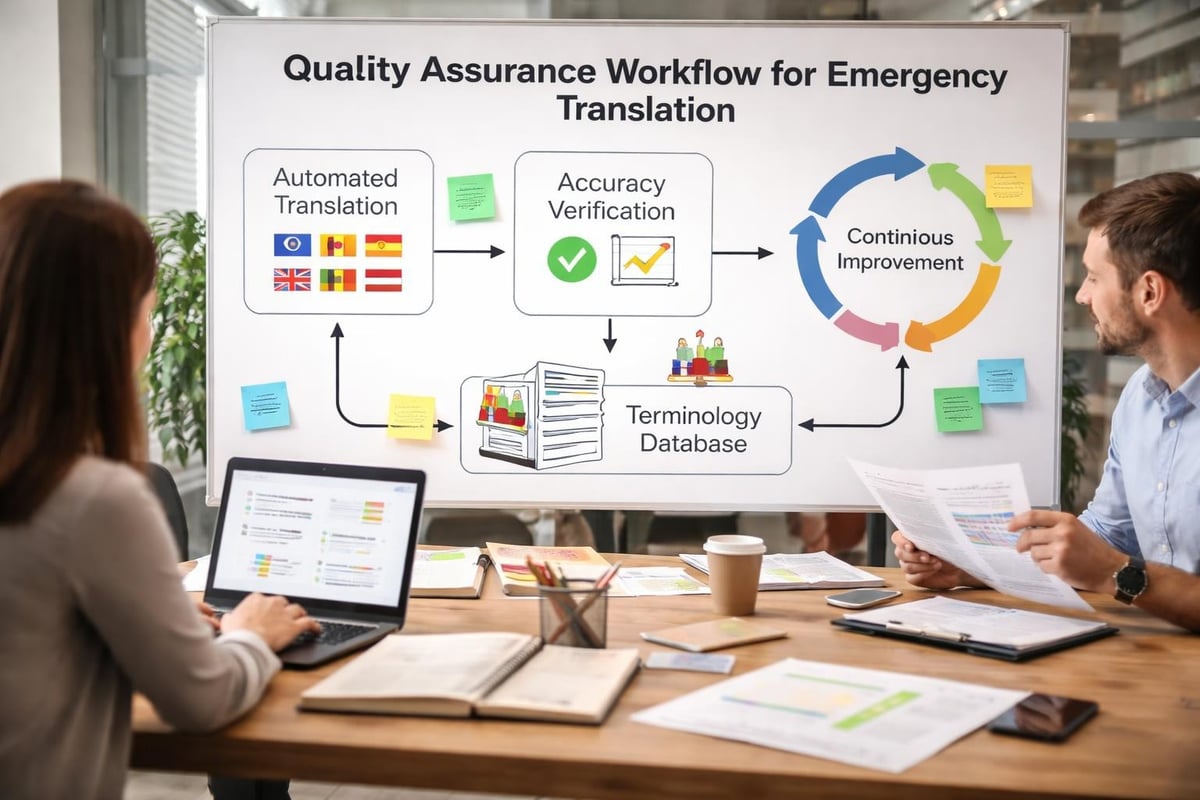
Quality Assurance and Accuracy Verification
While automated translation has improved dramatically, critical communications benefit from verification processes. Implementing hybrid systems with human oversight for the most critical exchanges ensures accuracy without sacrificing speed.
Regular testing of translation quality across supported languages identifies weaknesses and improvement opportunities. Agencies should establish feedback mechanisms allowing field personnel to report translation issues for continuous improvement.
Emerging Trends and Future Developments
The field of english to all languages translation continues evolving rapidly with technological advances promising even greater capabilities.
Artificial Intelligence and Neural Networks
Advanced AI systems now understand context beyond individual sentences, considering entire conversations and situational factors. This contextual awareness dramatically improves translation accuracy, particularly for ambiguous phrases or emergency-specific terminology.
Machine learning models trained on emergency communication datasets provide more accurate translations for crisis situations than general-purpose translation engines. Specialized training enables systems to recognize urgent terminology and prioritize accuracy in life-safety communications.
Voice Recognition and Natural Language Processing
Modern voice recognition systems accurately transcribe speech even in noisy environments typical of emergency scenes. Combined with advanced natural language processing, these systems enable fluid spoken conversation across language barriers.
Real-time voice translation has reached quality levels suitable for emergency use, though verification remains important for critical details. Speed translation capabilities continue improving as processing power increases and algorithms become more sophisticated.
Technological advancement areas:
- Low-latency neural translation reducing delay to imperceptible levels
- Dialect and regional variation recognition within languages
- Emotion and tone preservation across translations
- Multi-speaker conversation management
- Integration with wearable devices and augmented reality systems
Expanding Language Coverage
While major world languages receive significant attention, true english to all languages translation requires supporting minority languages, indigenous languages, and sign languages. Current systems support over 185 spoken languages, with coverage expanding to include more regional variants and endangered languages.
Sign language video translator technology represents an important frontier, enabling visual communication with deaf and hard-of-hearing communities through real-time video translation between sign languages and spoken/written languages.
Industry-Specific Applications
Different sectors require customized approaches to english to all languages translation based on their unique needs and constraints.
Healthcare and Medical Settings
Medical facilities serve increasingly diverse populations requiring translation services for patient intake, diagnosis discussions, treatment explanations, and discharge instructions. Accurate medical terminology translation prevents potentially fatal misunderstandings about medications, allergies, or treatment protocols.
Healthcare-specific translation platforms incorporate extensive medical terminology databases ensuring precise translation of anatomical terms, disease names, medication instructions, and procedural explanations across all supported languages.
Public Safety and Law Enforcement
Police departments use translation technology for witness interviews, victim assistance, community outreach, and de-escalation situations. Officers equipped with mobile translation devices can communicate effectively regardless of the languages encountered in the field.
Video interpreter services provide on-demand access to human interpreters for complex situations requiring nuanced communication beyond automated translation capabilities. This hybrid approach balances speed with accuracy for optimal outcomes.
Education and Community Services
Schools, social services, and community organizations use english to all languages translation to serve diverse populations effectively. Parent-teacher communications, enrollment processes, and service delivery all benefit from breaking down language barriers.
Multi-language support demonstrates organizational commitment to accessibility and inclusion while ensuring that critical information reaches all community members regardless of their primary language.
Building a Comprehensive Translation Strategy
Successful implementation of english to all languages translation requires strategic planning beyond simply purchasing software.
Needs Assessment and Language Prioritization
Organizations should analyze their service populations to understand which languages require support. While comprehensive coverage offers the most flexibility, resource allocation may require prioritizing the most common languages encountered.
Demographic data, service utilization patterns, and community input help identify priority languages. However, maintaining capability for rare languages ensures no community member faces barriers during emergencies.
Infrastructure and Technology Requirements
Implementing translation systems requires adequate technical infrastructure including reliable internet connectivity, appropriate hardware, and integration capabilities with existing systems. Cloud-based solutions offer flexibility and scalability advantages while reducing local infrastructure requirements.
Organizations should consider applications to translate languages that work across multiple devices and platforms, ensuring consistent capabilities whether staff use desktop computers, tablets, or smartphones.
Policy and Protocol Development
Clear policies governing translation use ensure consistent application across the organization. Protocols should specify when translation technology is used versus when human interpreters are necessary, how to verify critical information, and how to document translated communications.
Essential policy components:
- Standardized procedures for activating translation services
- Documentation requirements for translated interactions
- Quality verification protocols for critical communications
- Privacy and confidentiality protections
- Training requirements and competency standards
- Technology backup procedures and contingency plans
Continuous Improvement and Feedback
Translation technology and organizational needs both evolve continuously. Regular assessment of system performance, user satisfaction, and translation accuracy identifies improvement opportunities.
Gathering feedback from staff who use translation tools daily provides valuable insights into practical challenges and feature needs. Community input from non-English speakers helps assess translation quality from the recipient perspective.
Measuring Success and Impact
Implementing english to all languages translation represents a significant investment that should demonstrate measurable benefits.
Performance Metrics and KPIs
Organizations should track key performance indicators including:
- Response times for non-English emergency calls
- Translation accuracy rates across different languages
- User satisfaction scores from both staff and service recipients
- System uptime and reliability statistics
- Language coverage utilization rates
- Cost per translated interaction
Outcome Assessment
Beyond operational metrics, organizations should evaluate community impact including improved access to services, reduced health disparities, increased emergency service utilization by non-English speakers, and enhanced community trust.
Qualitative data from community members, testimonials, and case studies complement quantitative metrics to provide comprehensive success assessment.
Return on Investment
While difficult to quantify fully, the ROI of translation services includes prevented medical errors, improved emergency outcomes, reduced liability exposure, enhanced community relationships, and compliance with accessibility requirements.
Organizations often discover that effective translation services pay for themselves through improved operational efficiency and outcomes while fulfilling ethical obligations to serve all community members equally.
English to all languages translation has transformed from a luxury to a necessity for organizations serving diverse populations, particularly in emergency services where communication barriers can have life-or-death consequences. By implementing comprehensive translation technology, following best practices, and maintaining commitment to continuous improvement, agencies can ensure that language never prevents someone from receiving critical help. Convey911 provides emergency communication and language translation software supporting over 185 languages with real-time translation across text, video, and voice platforms, enabling public safety agencies to communicate effectively with every community member regardless of their language when it matters most.