
Emergency situations demand instant, accurate communication regardless of language barriers....
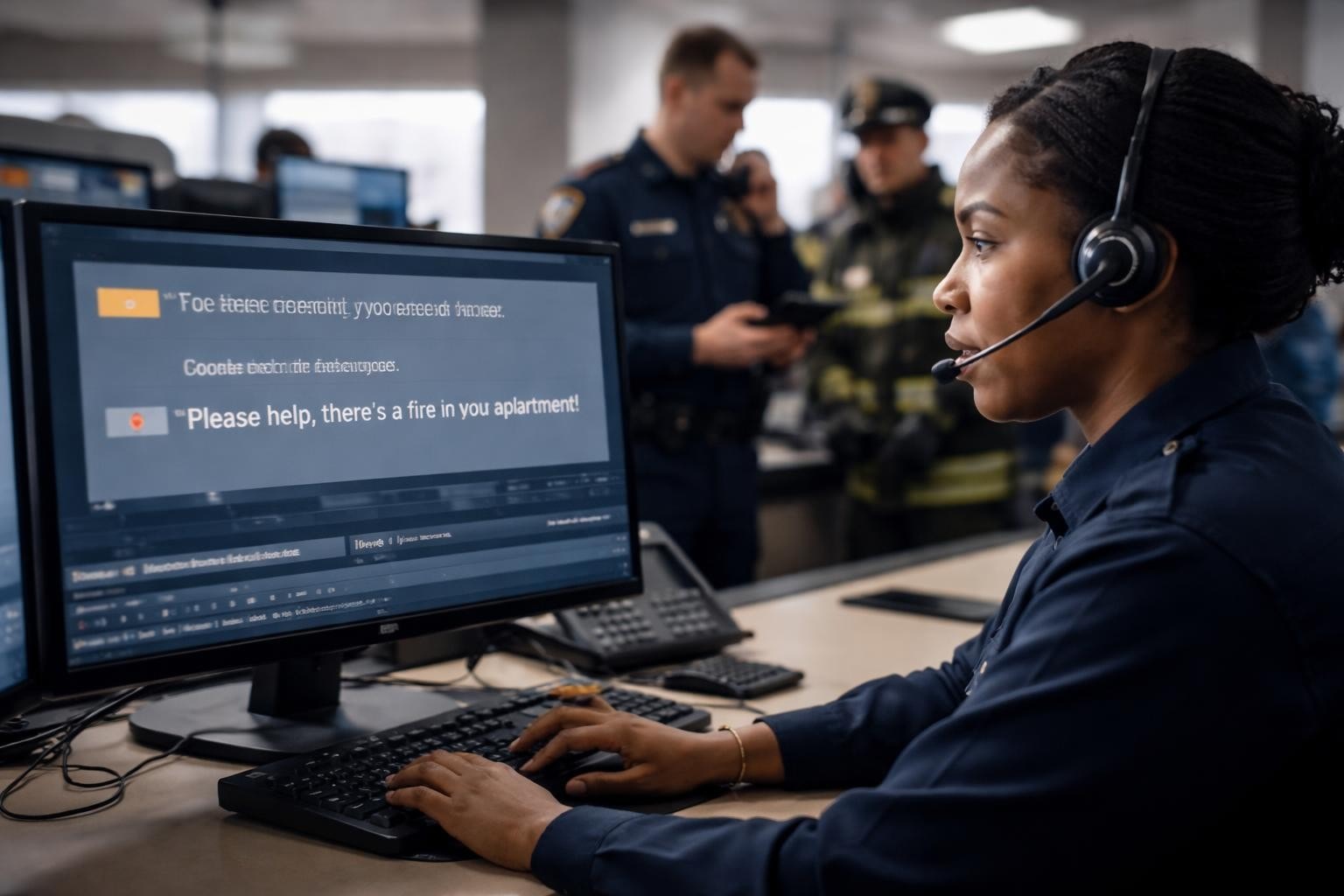
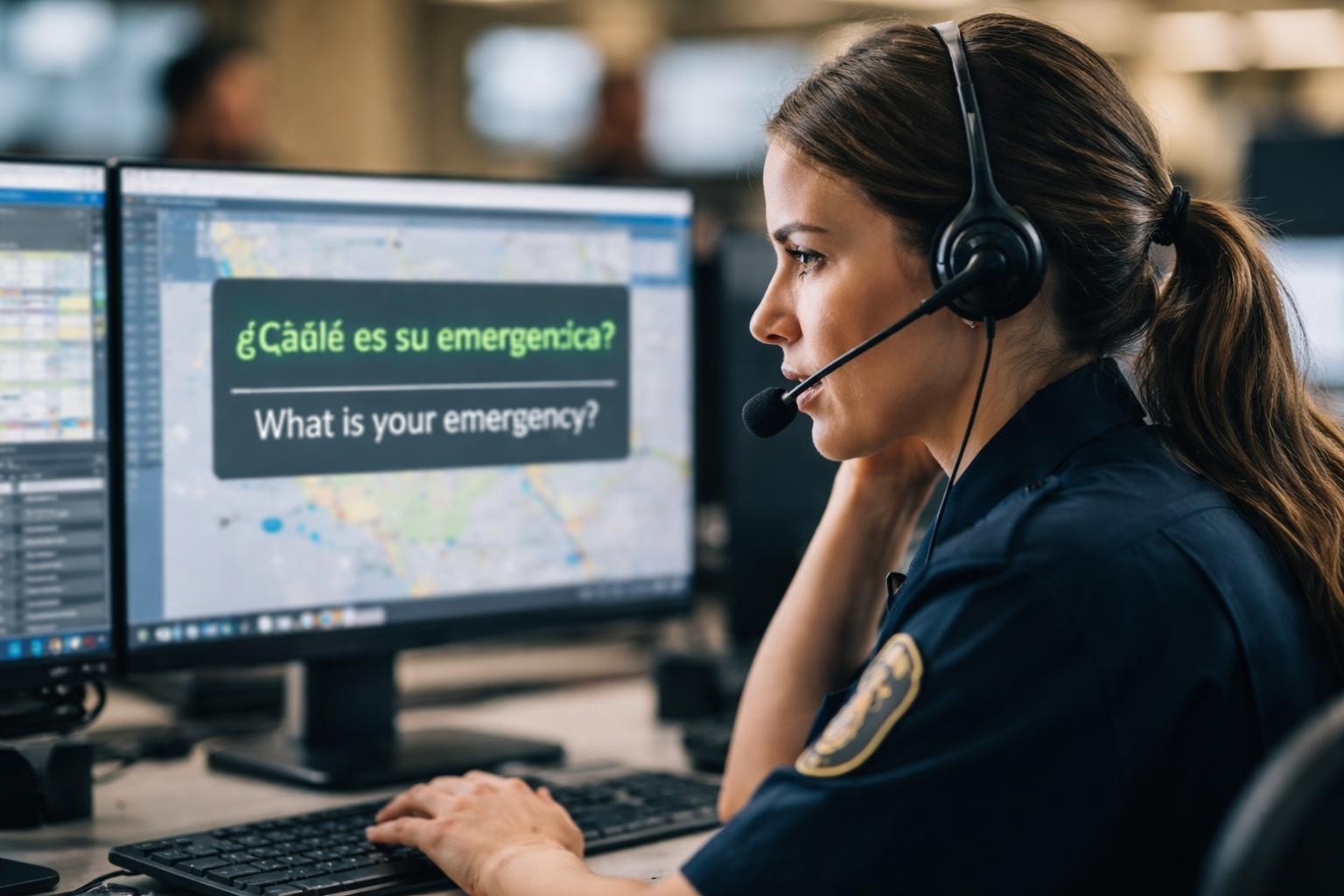
When seconds matter in emergency situations, language barriers cannot become life-threatening obstacles. Fast translation technology has evolved from a convenient tool into a critical component of effective emergency response, enabling public safety agencies to communicate instantly with callers who speak different languages. This transformation addresses a fundamental challenge: delivering accurate, immediate translation without compromising the speed essential to saving lives.
The Evolution of Real-Time Translation in Emergency Services
The landscape of emergency communication has shifted dramatically over the past decade. Traditional interpretation services, while valuable, often introduced delays that could prove dangerous during critical incidents. Fast translation solutions now leverage artificial intelligence and machine learning to deliver instantaneous results across multiple communication channels.
Modern emergency response systems must handle diverse populations speaking hundreds of languages. According to recent advances in translation automation, the industry has seen remarkable improvements in both speed and accuracy. These developments enable dispatchers to understand callers immediately, regardless of the language spoken.
The integration of fast translation into emergency platforms represents more than technological progress. It reflects a commitment to equitable service delivery where every community member receives the same quality of emergency response.
Understanding Speed Requirements in Critical Situations
Emergency contexts demand translation performance that non-critical applications can afford to compromise. The difference between two-second and ten-second translation delays can determine outcomes in medical emergencies, active threats, or rapidly developing situations.
Key speed benchmarks for emergency translation include:
- Initial language detection: under 1 second
- First word translation: 1-2 seconds
- Continuous speech translation: near real-time latency
- Text message translation: instantaneous processing
- Video interpretation connection: under 15 seconds

These benchmarks aren't arbitrary targets. They reflect the operational realities that call takers face daily when managing life-threatening situations where every second counts.
Technology Behind Fast Translation Systems
Multiple technological approaches enable the speed and accuracy required for emergency communication. Neural machine translation (NMT) has largely replaced older statistical methods, offering superior performance through deep learning architectures that understand context and nuance.
Modern systems employ several complementary technologies working in concert:
- Automatic speech recognition converts spoken words into text
- Neural translation engines process text across language pairs
- Text-to-speech synthesis delivers audio output in target languages
- Continuous learning algorithms improve accuracy over time
Research from Meta AI's speech-to-speech translator demonstrates how unified models can process 101 languages, showcasing the breadth now achievable in fast translation systems. These advances directly benefit emergency services by expanding language coverage without sacrificing speed.
Multimodal Translation Capabilities
Emergency communication doesn't occur through a single channel. Effective fast translation must work seamlessly across text, voice, and video platforms to meet varied caller needs and situational requirements.
| Communication Mode | Translation Method | Typical Speed | Best Use Case |
|---|---|---|---|
| Text messages | Neural MT | < 1 second | Text-to-911, SMS alerts |
| Voice calls | Speech-to-speech | 1-3 seconds | Traditional 911 calls |
| Video interpretation | Live + AI assist | 5-15 seconds | Complex medical scenarios |
| Pre-recorded audio | Batch processing | 2-5 seconds | Voicemail, recorded messages |
The SEAMLESSM4T unified model represents significant progress in supporting both speech and text translation across multiple languages simultaneously. This versatility proves essential when emergency responders need to switch between communication methods during evolving situations.
Services like text translation software specifically designed for emergency contexts integrate these multimodal capabilities into unified platforms that dispatchers can use without technical expertise.
Quality Considerations in Fast Translation
Speed alone doesn't suffice when inaccurate translation could misdirect emergency resources or misunderstand critical details. The challenge lies in achieving both velocity and precision simultaneously, especially for specialized emergency terminology.
Fast translation systems must handle unique vocabulary that standard consumer translation tools may miss. Medical terms, addresses, street names, and emergency-specific phrases require specialized training data to translate correctly under time pressure.
Critical quality factors include:
- Terminology accuracy for medical, fire, and law enforcement terms
- Contextual understanding to distinguish homonyms and ambiguous phrases
- Name preservation for proper nouns, locations, and addresses
- Dialect recognition across regional language variations
- Error correction that identifies and flags uncertain translations

Research on AI translation tools for critical care emphasizes that medical contexts demand exceptional accuracy, a requirement equally applicable to emergency services. The stakes demand solutions that deliver both speed and reliability.
Implementation Strategies for Emergency Agencies
Deploying fast translation capabilities requires careful planning that considers technical infrastructure, user training, and integration with existing emergency systems. Successful implementation goes beyond simply purchasing software.
Infrastructure Requirements
Modern fast translation platforms operate through cloud-based architectures that provide scalability and reliability. This approach ensures consistent performance during high-call-volume emergencies when local servers might become overwhelmed.
Organizations should evaluate several technical factors:
- Network bandwidth sufficient for real-time audio/video transmission
- Redundant internet connections ensuring service continuity
- Integration capabilities with existing CAD and radio systems
- Security protocols meeting public safety data standards
- Fallback mechanisms when primary systems experience issues
The text-to-911 cloud-based service exemplifies how modern platforms combine fast translation with essential emergency functions through integrated cloud infrastructure.
Training and Adoption
Technology only delivers value when personnel use it effectively. Comprehensive training ensures dispatchers and first responders understand when and how to leverage fast translation capabilities during actual emergencies.
Training programs should address:
- Language detection and selection procedures
- Communication techniques through translation interfaces
- Verification methods for critical information
- Escalation protocols when translation confidence appears low
- Alternative approaches when technology limitations emerge
As discussed in what fire departments can teach 911 centers about vendor selection, choosing solutions that prioritize user experience and practical training support ensures higher adoption rates and better outcomes.
Language Coverage and Expansion
The linguistic diversity of communities served by emergency agencies continues growing. Fast translation systems must support not just major world languages but also regional dialects, indigenous languages, and emerging linguistic communities.
| Coverage Tier | Language Count | Examples | Use Frequency |
|---|---|---|---|
| Primary | 10-15 languages | Spanish, Mandarin, Vietnamese, Korean | 80% of non-English calls |
| Secondary | 30-50 languages | Tagalog, Arabic, Farsi, Haitian Creole | 15% of non-English calls |
| Comprehensive | 100-185+ languages | Hmong, Karen, Somali, rare dialects | 5% of non-English calls |
Platforms offering any language translation to English provide the breadth necessary to serve diverse metropolitan areas where dozens of languages may be spoken across neighborhoods.
The challenge extends beyond merely adding languages. Each language pair requires training data, quality testing, and ongoing refinement to maintain fast translation performance as usage patterns evolve.
Handling Less Common Languages
While major languages receive extensive development resources, less common languages present unique challenges for fast translation. Limited training data and fewer native speakers available for quality assurance can impact both speed and accuracy.
Strategic approaches include:
- Building language-specific glossaries for emergency terminology
- Partnering with community organizations representing linguistic minorities
- Maintaining hybrid systems combining AI with human interpreter backup
- Prioritizing languages based on local demographic data
- Continuous expansion as new communities emerge
Solutions like language interpretation services often combine fast translation technology with access to live interpreters, ensuring coverage for situations where automated systems reach their limitations.
Integration with Emergency Communication Ecosystems
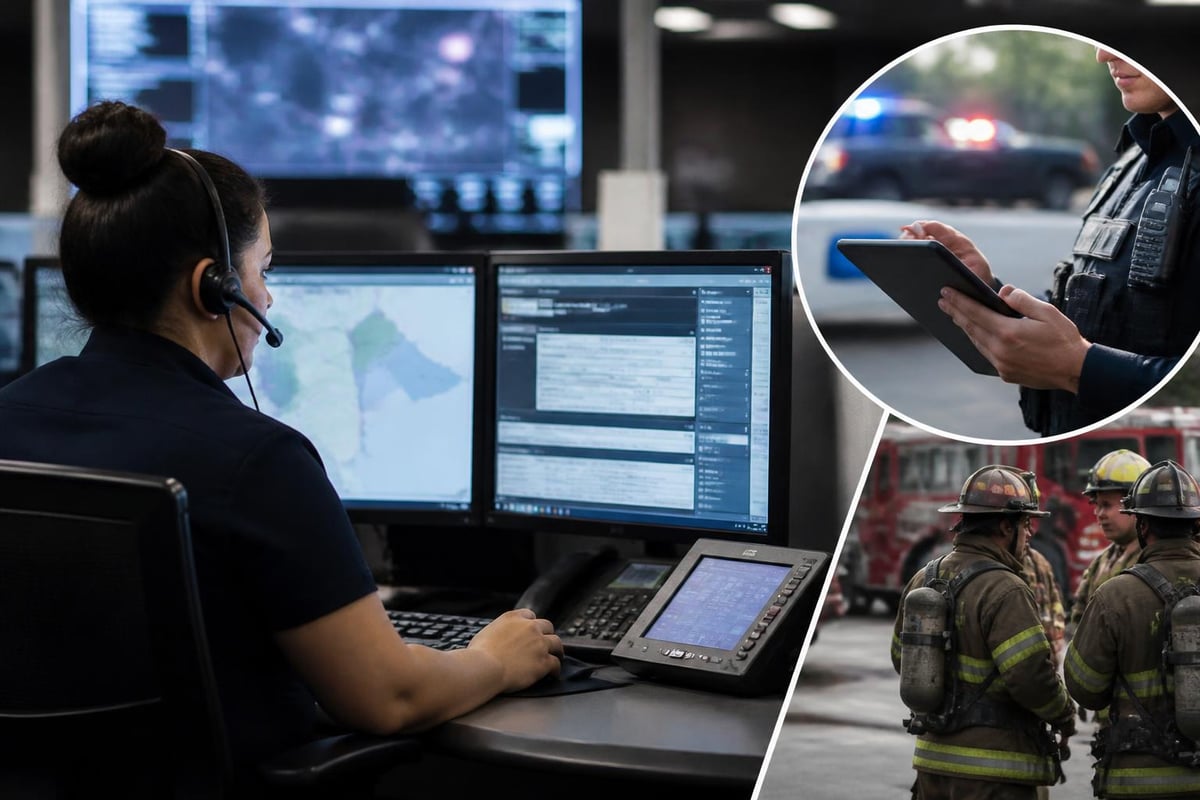
Fast translation doesn't operate in isolation. Effective implementation requires integration across the complete emergency communication technology stack, from initial call intake through field response and follow-up services.
Computer-Aided Dispatch Integration
Translation capabilities integrated directly into CAD systems allow dispatchers to view translated text alongside other critical incident information. This integration eliminates the need to switch between multiple applications during high-stress situations.
Key integration points include:
- Automatic population of translated caller statements into incident notes
- Language preference flags visible to responding units
- Translation of dispatcher instructions sent to mobile devices
- Searchable archives of multilingual call transcripts
- Analytics tracking language patterns across jurisdictions
Radio and Mobile Device Support
First responders arriving on scene need continuation of the fast translation capabilities initiated during dispatch. Modern systems extend translation to mobile devices and even emergency 2-way radio communications.
This field-level support ensures language assistance doesn't end when the initial call completes. Officers, firefighters, and paramedics can communicate with non-English speakers throughout the incident response using the same technology that connected the original caller with dispatch.
Cost and Resource Considerations
Implementing fast translation involves both direct technology costs and indirect resource investments in training, maintenance, and ongoing optimization. Understanding the full financial picture enables agencies to budget appropriately and demonstrate return on investment.
Pricing Models
Translation service providers offer various pricing structures, each with distinct advantages depending on agency size and call volume:
Per-minute pricing charges for actual translation time used, suitable for smaller agencies with lower call volumes. Subscription models provide unlimited usage for fixed monthly fees, benefiting high-volume centers. Tiered plans combine base subscriptions with volume-based pricing for usage beyond included limits.
Additional factors affecting translation services cost include the number of languages supported, whether live interpreters supplement automated translation, and integration complexity with existing systems.
Return on Investment
While upfront costs require budget allocation, fast translation delivers measurable value that often exceeds the investment. Quantifiable benefits include reduced call handling times, decreased liability exposure from miscommunication, and improved community outcomes.
Agencies should calculate ROI based on:
- Time savings per call multiplied by call volume
- Reduced need for external interpretation services
- Liability reduction from improved communication accuracy
- Enhanced community trust and engagement
- Compliance with language access requirements
The comprehensive language access awakening in emergency services reflects growing recognition that language barriers create both ethical obligations and practical operational challenges that technology can address cost-effectively.
Future Developments in Translation Technology
The trajectory of fast translation technology points toward even greater capabilities that will further transform emergency communication. Understanding emerging trends helps agencies plan long-term technology strategies.
Artificial Intelligence Advancements
Current AI translation systems will continue improving through larger training datasets, more sophisticated neural architectures, and better contextual understanding. Developments like Google Meet's real-time speech translation demonstrate consumer platforms adopting capabilities that will eventually enhance emergency services.
Future systems will likely offer:
- Emotion detection to identify caller stress levels across languages
- Automatic summarization of lengthy multilingual conversations
- Predictive text suggestions helping dispatchers communicate more effectively
- Background noise filtering improving translation accuracy in chaotic environments
- Simultaneous multi-party translation supporting conference scenarios
Specialized Emergency Applications
Generic translation tools serve broad markets but lack emergency-specific optimization. The industry trend moves toward purpose-built fast translation solutions designed exclusively for public safety contexts.
These specialized systems incorporate emergency terminology databases, prioritize life-safety phrases, and integrate with public safety infrastructure in ways consumer products cannot match. The emergency translation focus ensures systems understand the unique requirements of crisis communication.
Regulatory and Compliance Framework
Language access isn't merely a best practice but increasingly a legal requirement. Federal regulations, state laws, and local ordinances mandate meaningful access to emergency services for limited English proficiency populations.
Legal Requirements
Title VI of the Civil Rights Act prohibits discrimination based on national origin, interpreted to include language access obligations for federally funded programs. The Americans with Disabilities Act requires effective communication with individuals who have disabilities, including those needing language assistance.
State and local requirements often exceed federal minimums. California, for example, mandates specific language access provisions for emergency services. New York requires translation of vital documents into multiple languages based on population thresholds.
Compliance necessitates:
- Language access plans documenting how agencies serve LEP populations
- Regular assessment of community language needs
- Staff training on language assistance resources
- Quality assurance monitoring translation effectiveness
- Public notification of available language services
Fast translation technology enables agencies to meet these obligations efficiently while maintaining the rapid response times critical to emergency services.
Documentation and Accountability
Regulatory compliance requires demonstrating that language services function effectively. Modern translation platforms provide audit trails documenting when translation occurred, which languages were used, and quality metrics for each interaction.
This documentation serves multiple purposes beyond compliance, including training opportunities through call review, identifying emerging language communities, and demonstrating community engagement efforts. Systems offering real-time translation typically include robust reporting capabilities supporting accountability requirements.
Practical Applications Across Emergency Scenarios
Fast translation proves valuable across the full spectrum of emergency situations, from routine calls to major incidents involving multiple agencies and jurisdictions. Understanding specific applications helps agencies maximize their translation investments.
Medical Emergencies
Medical calls present unique translation challenges given the technical terminology, time sensitivity, and critical importance of accurate information exchange. Fast translation enables paramedics to understand symptoms, medications, allergies, and medical histories despite language barriers.
The technology supports:
- Symptom description and chief complaint identification
- Medication list compilation and allergy screening
- Medical history gathering for treatment decisions
- Consent discussions for procedures
- Transport destination preferences and insurance information
Law Enforcement Situations
Police interactions often involve complex legal concepts, rights advisements, and detailed incident descriptions requiring precise translation. Fast translation helps officers gather witness statements, explain legal rights, and de-escalate tense situations across language barriers.
Applications include witness interviews, victim assistance, traffic stop communications, rights advisements, and community policing interactions. The translate emergency capabilities ensure officers maintain both speed and accuracy in fluid situations.
Fire and Rescue Operations
Fire emergencies demand rapid information exchange about building layouts, occupant locations, hazardous materials, and evacuation status. Fast translation enables incident commanders to gather critical intelligence from non-English speaking occupants and bystanders.
The technology supports structure fire operations, wildland fire evacuations, technical rescue coordination, hazmat incident management, and public warning dissemination across linguistic communities.
Multi-Agency Coordination
Major incidents involve multiple agencies that must coordinate seamlessly despite serving populations speaking different languages. Fast translation facilitates information sharing across jurisdictional boundaries and organizational structures.
Platforms supporting two-way translation enable mutual understanding among agencies, community partners, and affected populations during large-scale emergencies, ensuring coordinated response regardless of linguistic diversity.
Measuring Success and Continuous Improvement
Implementing fast translation marks the beginning rather than the end of the language access journey. Ongoing measurement and refinement ensure systems deliver maximum value and adapt to changing community needs.
Key Performance Indicators
Agencies should track metrics demonstrating both operational efficiency and service quality improvements attributable to fast translation capabilities.
Essential metrics include:
- Average time from language detection to translation activation
- Percentage of calls requiring language assistance
- Languages used and frequency distribution
- Call duration comparison between translated and English-only calls
- Caller satisfaction ratings across language groups
- Translation accuracy rates through quality sampling
- System uptime and reliability statistics
Quality Assurance Processes
Systematic quality review identifies areas where fast translation performs well and opportunities for improvement. Regular sampling of translated calls with review by bilingual staff reveals accuracy patterns and training needs.
Quality assurance should evaluate both technical performance and user experience, examining whether dispatchers use translation effectively and whether callers receive understandable service. The insights drive continuous refinement of both technology configuration and operational procedures.
Fast translation has evolved from an experimental technology into an essential capability for modern emergency services, enabling agencies to serve increasingly diverse communities without compromising response times. As artificial intelligence continues advancing and platforms become more sophisticated, the gap between English and non-English emergency communication will continue narrowing. When your agency needs comprehensive language access solutions that deliver both speed and accuracy across text, voice, and video channels, Convey911 provides the specialized platform designed specifically for emergency communication, supporting over 185 languages to ensure every caller receives the rapid, effective assistance they deserve regardless of the language they speak.