
Communication is evolving at lightning speed as our world becomes more interconnected and digital....
The ability to communicate clearly during emergencies can mean the difference between life and death. As communities become increasingly diverse, public safety agencies face a critical challenge: providing effective emergency services to populations speaking dozens or even hundreds of different languages. Language services have emerged as an essential component of modern emergency response systems, enabling first responders, dispatchers, and call-takers to overcome communication barriers instantly. This transformation goes beyond simple translation-it represents a fundamental shift in how emergency services deliver care to multilingual communities.
The Critical Role of Language Services in Public Safety
Emergency response teams operate under intense time pressure where every second counts. When language barriers prevent clear communication, response times increase, medical information may be misunderstood, and lives hang in the balance. Language services specifically designed for emergency communication address these challenges by providing instant access to translation and interpretation across multiple channels.
Breaking Down Communication Barriers
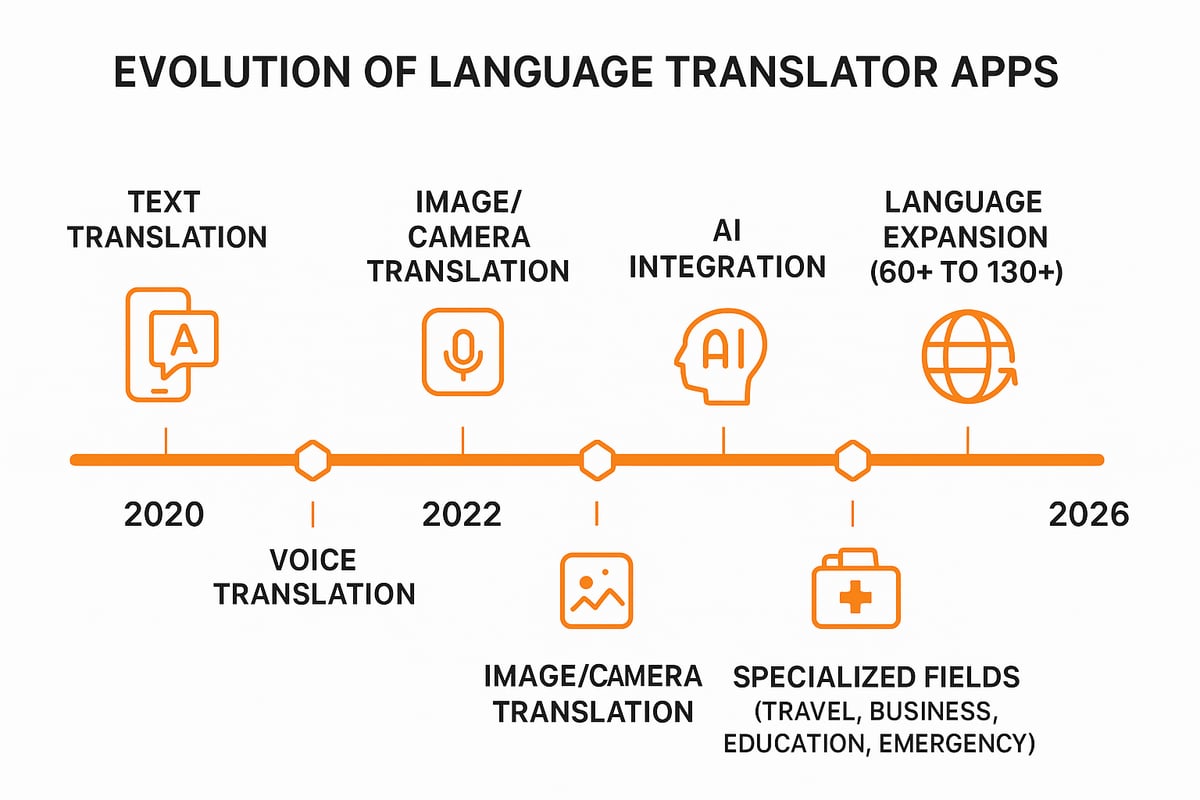
Traditional approaches to language assistance in emergency situations relied heavily on bilingual staff members or telephone interpretation services that added precious minutes to response times. Modern video, voice, and translation technology has revolutionized this landscape by delivering real-time translation capabilities directly into the communication workflow.
Key advantages of integrated language services include:
- Immediate access to translation without call transfers or delays
- Support for text, voice, and video communication modes
- Consistent quality across all supported languages
- Documentation and record-keeping for legal compliance
- Reduction in response times by eliminating wait times for interpreters
The language services industry is experiencing rapid growth, with projections showing a consistent expansion rate of 4.20% through 2034. This growth reflects the increasing recognition that effective multilingual communication is not optional-it's essential infrastructure for modern society.

Technology Driving Language Services Innovation
Artificial intelligence and machine learning have transformed the capabilities and accessibility of language services over the past few years. These technological advances have made it possible to deliver translation quality that rivals human interpreters while maintaining the speed necessary for emergency situations.
AI-Powered Translation Systems
The integration of AI into language services represents one of the most significant developments in emergency communication technology. Translation engines now leverage neural machine translation to understand context, idioms, and specialized terminology with remarkable accuracy.
| Feature | Traditional Services | AI-Enhanced Services |
|---|---|---|
| Response Time | 2-5 minutes | Instant |
| Availability | Limited hours | 24/7/365 |
| Language Coverage | 20-40 languages | 185+ languages |
| Cost Structure | Per-minute charges | Subscription-based |
| Scalability | Constrained by staff | Unlimited capacity |
According to market outlook reports forecasting growth to $72.18 billion by 2030, the rise of AI and machine translation stands as the primary driver behind this expansion. For emergency services, this means access to sophisticated language services that were previously cost-prohibitive or technically unfeasible.
Multi-Channel Communication Support
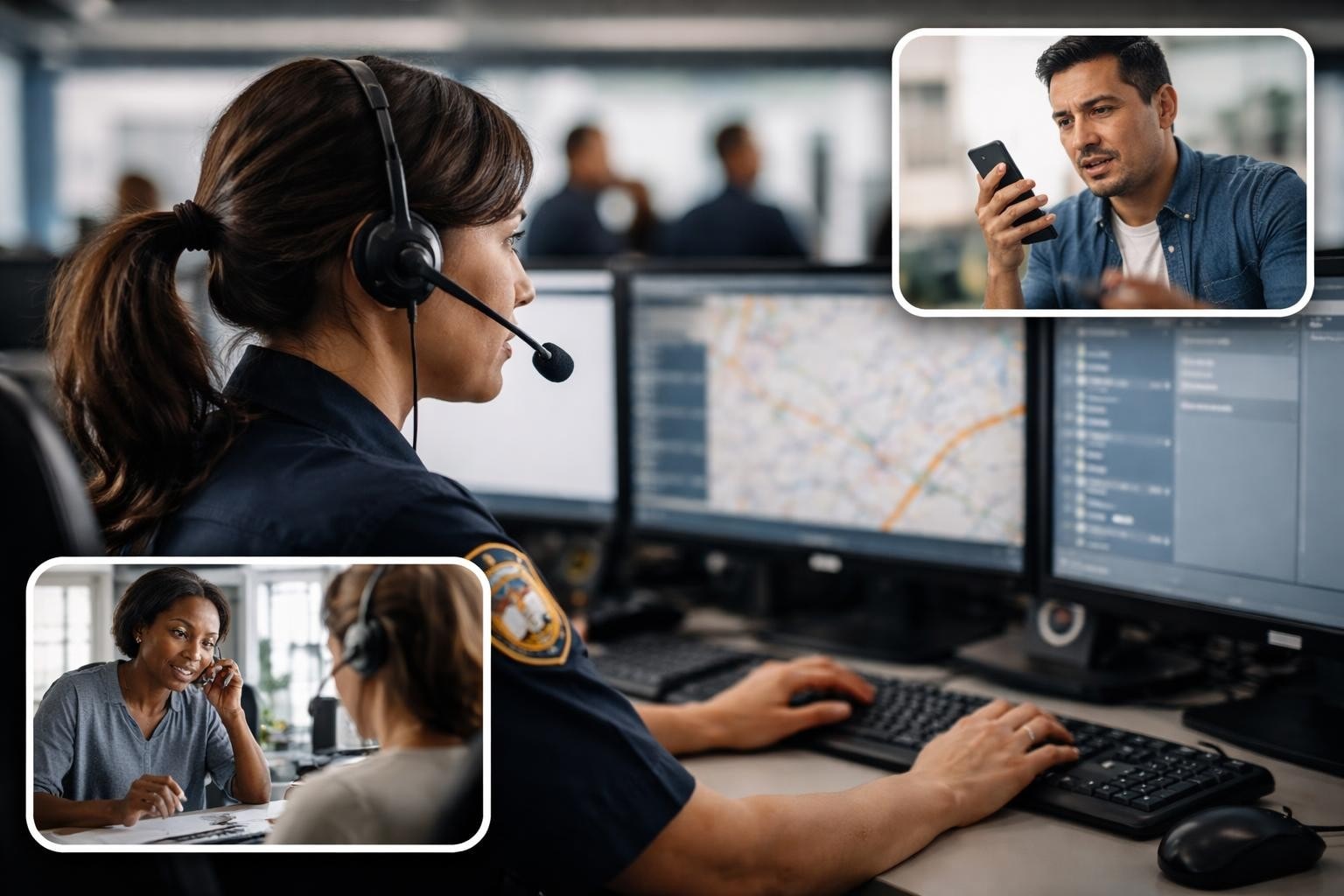
Modern language services must function seamlessly across various communication channels. Emergency situations don't follow predictable patterns-a crisis might begin with a text-to-911 message, escalate to voice communication, and require video support for visual confirmation of medical conditions or scene assessment.
The most effective language services platforms integrate all these channels into a unified system where translations flow naturally between modes. Real-time translation capabilities ensure that whether a caller communicates via text message, voice call, or video conference, language barriers don't impede critical information exchange.
Implementation Strategies for Emergency Services
Successfully deploying language services within public safety agencies requires careful planning and consideration of operational workflows. The technology must enhance rather than complicate the already complex environment of emergency dispatch and response.
Assessment and Planning
Before implementing language services, agencies should:
- Analyze call data to identify the most common languages in their service area
- Evaluate current response times when language barriers are encountered
- Review existing protocols for accessing interpretation services
- Identify technical integration points with current CAD and communication systems
- Establish performance metrics for measuring improvement
This assessment phase helps agencies understand their specific language service needs. A rural area might require support for seasonal agricultural workers speaking specific dialects, while urban centers often need comprehensive coverage across dozens of languages. Understanding these patterns helps optimize both cost and effectiveness.
Training and Adoption
Technology only delivers value when personnel use it effectively. Comprehensive training ensures that call-takers, dispatchers, and field personnel understand when and how to activate language services. Call-takers particularly benefit from training that covers not just the technical operation of translation tools but also best practices for communicating through translation systems.
Training programs should address:
- Quick language identification techniques
- Proper pacing and enunciation for optimal translation accuracy
- Cultural awareness considerations in emergency communication
- Troubleshooting common technical issues
- Quality assurance and feedback mechanisms

Industry Trends Shaping Language Services
The language services landscape continues to evolve rapidly as new technologies emerge and user expectations shift. Understanding these trends helps emergency service agencies make informed decisions about their communication infrastructure.
Hyper-Localization and Specialized Terminology
Generic translation solutions often struggle with the specialized vocabulary and regional variations common in emergency services. Current industry trends emphasize hyper-localization, where translation systems are customized for specific use cases and geographic regions.
For emergency services, this means language services can be trained on fire service terminology, medical protocols, and local street names to deliver more accurate and contextually appropriate translations. This specialization significantly improves communication quality during critical incidents.
Integration with Visual Content
The demand for multilingual content extends beyond spoken and written language. Visual communication through diagrams, maps, and instructional graphics requires translation and cultural adaptation. Some advanced language services now incorporate the ability to generate and translate visual content, though this remains an emerging capability.
Modern marketing and outreach efforts by public safety agencies also benefit from comprehensive language services. Platforms like AdsRaw enable emergency services to create multilingual user-generated content style videos for community education campaigns, ensuring safety information reaches all residents regardless of language preference.
Consolidation and Market Transformation
Top trends transforming the language services market in 2026 include significant consolidation as larger providers acquire specialized firms to expand their capabilities. This consolidation can benefit emergency services by providing access to more comprehensive solutions through fewer vendor relationships.
However, agencies should carefully evaluate whether large, generalized language service providers understand the unique requirements of emergency communication, or if specialized providers focused on public safety deliver superior value.
Quality Assurance and Performance Metrics
Implementing language services represents just the beginning. Ongoing quality assurance ensures that translation accuracy remains high and that the system continues to meet operational needs as they evolve.
Measuring Translation Effectiveness
Key performance indicators for language services in emergency contexts include:
- Average time to connect with translation services
- Translation accuracy rates for critical information
- User satisfaction scores from both callers and call-takers
- Percentage of calls requiring language assistance
- Cost per translated interaction
- System uptime and reliability metrics
Regular review of these metrics helps agencies identify areas for improvement and demonstrate the value of their language services investment to stakeholders and funding authorities. Emergency communication systems must meet rigorous reliability standards, and language services components should be held to the same high expectations.
Continuous Improvement Processes
Language services technology improves through machine learning, but this improvement requires feedback. Agencies should establish processes for call-takers to flag translation errors or unclear renderings. This feedback helps refine translation models and improve accuracy over time.
Additionally, periodic reviews with language service providers ensure that the system adapts to changing community demographics. As new immigrant populations arrive or seasonal language patterns shift, the language services configuration should adjust to maintain optimal coverage.
Cost-Benefit Analysis for Public Safety Agencies
Budget constraints affect every aspect of public safety operations. Decision-makers need clear evidence that language services deliver measurable value that justifies the investment.
Direct Cost Comparisons
| Cost Factor | Traditional Interpretation | Modern Language Services |
|---|---|---|
| Initial Setup | Minimal | Moderate to High |
| Monthly Operating | High (per-minute charges) | Predictable subscription |
| Staff Time | High (wait times, transfers) | Low (immediate access) |
| Language Coverage | Limited by contractor | Comprehensive (185+ languages) |
| Scalability Cost | Linear increase | Minimal marginal cost |
Beyond direct costs, language services deliver value through improved outcomes. Faster response times, more accurate information gathering, and better patient outcomes all contribute to the overall effectiveness of emergency services. Some agencies have documented reduced response times of 3-5 minutes when language services eliminate the need to search for bilingual staff or wait for telephone interpreters.
Return on Investment Considerations
The ROI calculation for language services extends beyond operational efficiency. Legal compliance, community relations, and reputation management all factor into the total value proposition. Agencies that provide effective communication for all residents regardless of language build trust within diverse communities, potentially improving cooperation during emergencies and reducing friction in non-emergency interactions.
Two-way translation capabilities ensure that communication flows naturally in both directions, allowing callers to understand instructions and guidance from emergency personnel just as clearly as call-takers understand the emergency situation.
Future-Proofing Emergency Communication
As technology continues to advance and communities grow more diverse, the importance of robust language services will only increase. Agencies planning for the future should consider not just current needs but anticipated developments in both technology and demographics.
Emerging Technologies
Several technological developments promise to enhance language services capabilities further. Natural language processing continues to improve, enabling systems to understand context and emotion more accurately. Voice synthesis technology produces more natural-sounding translations that reduce cognitive load for both callers and call-takers.
The integration of AI and human interpreters represents a particularly promising approach where artificial intelligence handles routine translations while human expertise remains available for complex or sensitive situations. This hybrid model balances cost efficiency with the nuanced understanding that human interpreters provide in challenging circumstances.
Preparing for Demographic Shifts
Communities change over time, and language service needs shift accordingly. Forward-thinking agencies monitor demographic trends to anticipate future language requirements. Understanding which languages are critical for the future helps agencies allocate resources effectively and ensure their language services remain aligned with community composition.
SEO and content marketing strategies also benefit from this forward-thinking approach. Platforms like RankPill help public safety agencies create multilingual content that reaches diverse communities through organic search, ensuring that emergency preparedness information reaches everyone who needs it. By automating SEO content creation across multiple languages, agencies can maintain comprehensive web resources without overwhelming limited staff.
Regulatory Compliance and Standards
Language access in emergency services isn't just best practice-it's increasingly a legal requirement. Federal regulations and state laws mandate that public safety agencies provide meaningful access for individuals with limited English proficiency. Quality language services help agencies meet these obligations while simultaneously improving service delivery.
Understanding and implementing appropriate standards ensures that language services meet both legal requirements and operational needs. Regular audits of language access capabilities help identify gaps before they become compliance issues or service failures.
Integration with Broader Communication Infrastructure
Language services function most effectively when fully integrated into the broader emergency communication ecosystem rather than operating as a separate add-on. This integration ensures seamless workflow and prevents technology from becoming a barrier rather than an enabler.
System Architecture Considerations
Modern language services should integrate directly with Computer-Aided Dispatch (CAD) systems, recording management systems, and other core public safety technologies. This integration allows translated content to flow naturally into incident records, ensuring proper documentation without requiring manual transcription or duplicate data entry.
The architecture should support multiple access points, enabling language services to activate from dispatch consoles, mobile devices in the field, and emergency communication systems across the entire agency network. This flexibility ensures that language barriers can be addressed wherever they occur in the emergency response chain.
Interoperability Standards
As public safety agencies increasingly collaborate across jurisdictional boundaries, interoperability becomes critical. Language services should support standard protocols that allow translated communications to flow between agencies during mutual aid responses or regional incidents.
Working with providers who understand and support public safety interoperability standards ensures that language services enhance rather than complicate inter-agency cooperation. This consideration becomes particularly important during large-scale emergencies where multiple jurisdictions must coordinate response efforts.
Effective language services have become fundamental infrastructure for modern emergency response, enabling public safety agencies to serve increasingly diverse communities with the speed and accuracy that critical situations demand. From AI-powered translation engines to comprehensive multi-channel communication support, today's language services represent a dramatic improvement over traditional interpretation approaches. When properly implemented and integrated, these systems reduce response times, improve information accuracy, and ensure that every community member can access emergency services regardless of the language they speak. Convey911 provides emergency communication and language translation software specifically designed for public safety agencies, offering real-time translation across text, video, and voice in over 185 languages to bridge communication gaps and enhance emergency response effectiveness.