
Emergency communication transcends language barriers when lives hang in the balance. Translation...
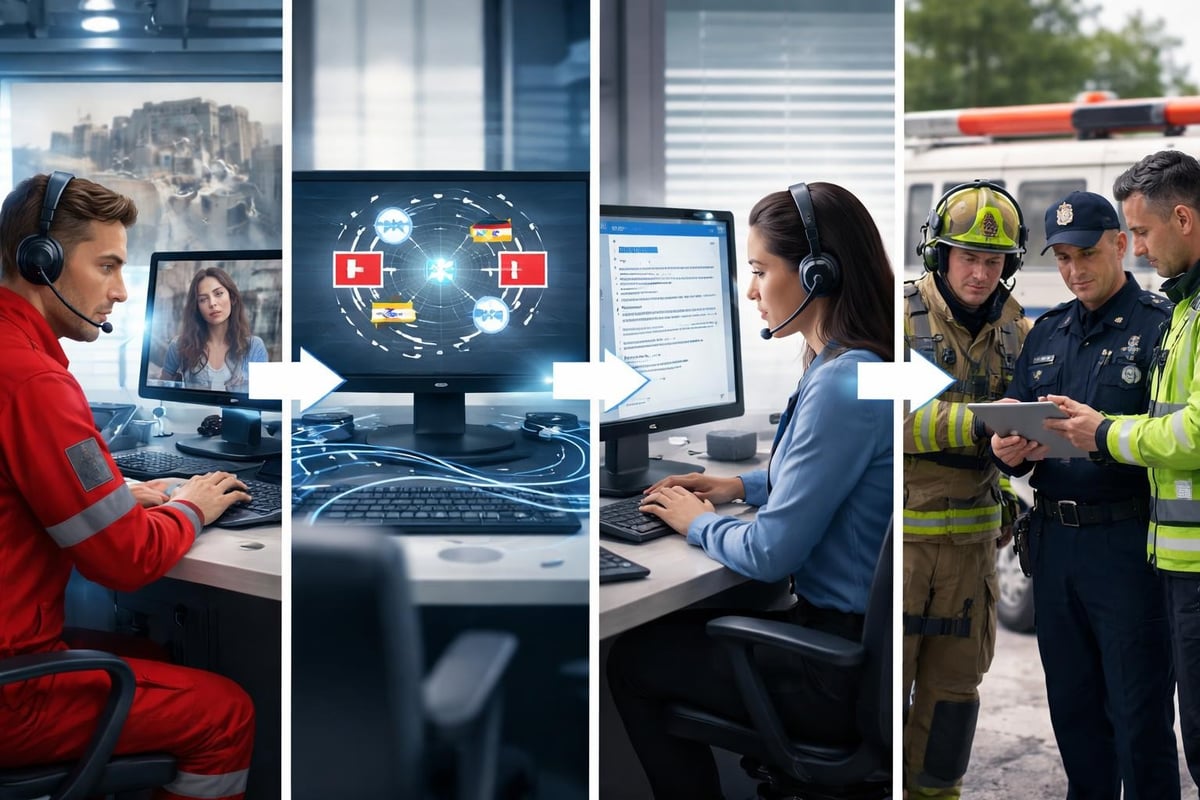
Communication during emergencies requires precision, speed, and clarity. When language barriers enter the equation, the complexity multiplies exponentially. Text languages have emerged as a critical component of modern emergency response systems, enabling public safety agencies to bridge communication gaps and provide life-saving assistance to individuals regardless of their primary language. Understanding how text languages function within emergency communication frameworks is essential for public safety answering points (PSAPs) and first responders who serve increasingly diverse communities across America.
The Foundation of Text Languages in Emergency Services
Text languages encompass far more than simple written communication. They represent the entire spectrum of written linguistic systems, character sets, and translation mechanisms that enable emergency services to process and respond to text-based communications from diverse populations.
Understanding Text Language Architecture
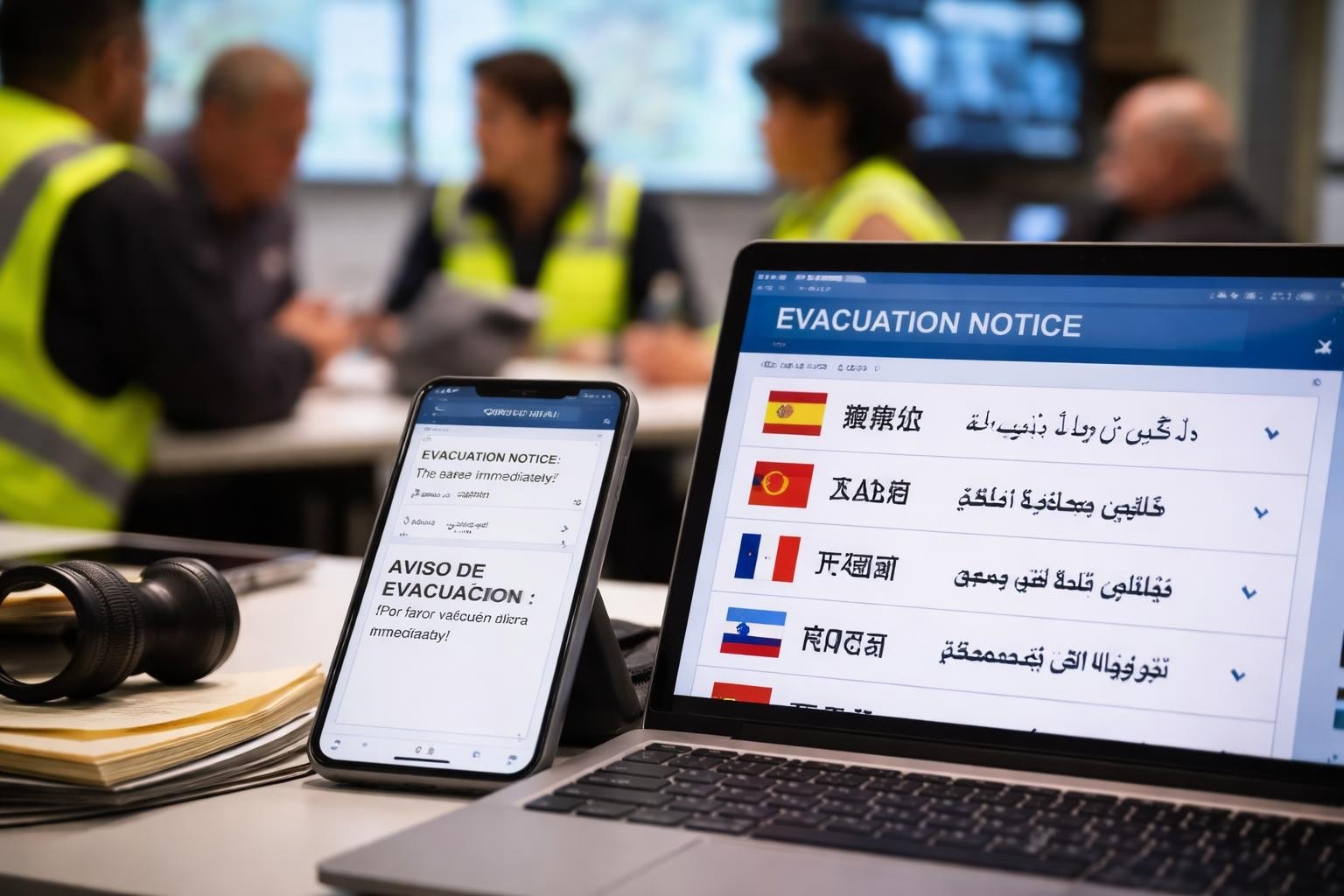
Modern emergency communication platforms must support multiple text languages simultaneously. This requirement extends beyond basic Latin-based alphabets to include character systems such as Chinese, Arabic, Cyrillic, and dozens of other writing systems. The technical infrastructure supporting emergency communication systems must accommodate Unicode standards, right-to-left text rendering, and complex script processing.
Public safety agencies need systems that can:
- Detect incoming text languages automatically
- Display non-Latin characters correctly across all devices
- Maintain message integrity during translation
- Archive communications in their original languages
- Support bidirectional text flow for certain language pairs
The challenge intensifies when considering that emergency text messages may arrive through various channels, including SMS, messaging applications, and specialized emergency communication platforms. Each channel presents unique technical considerations for text language processing.

Text Language Detection and Classification
Accurate language identification forms the cornerstone of effective multilingual emergency response. Language identification methodologies have evolved significantly, employing sophisticated algorithms to determine the source language of incoming text communications with remarkable accuracy.
Automated Detection Systems
Emergency communication platforms employ multiple detection strategies to identify text languages quickly. Statistical analysis examines character frequency patterns, n-gram distributions, and dictionary matching to classify incoming messages. These systems must operate within milliseconds to maintain emergency response timelines.
| Detection Method | Accuracy Rate | Processing Speed | Best Use Case |
|---|---|---|---|
| Character-based analysis | 95-98% | <50ms | Short messages, mixed scripts |
| Dictionary matching | 92-96% | <100ms | Complete sentences, common languages |
| Machine learning models | 97-99% | <75ms | Multi-language detection, context awareness |
| Hybrid approaches | 98-99.5% | <60ms | Comprehensive emergency systems |
Real-world emergency scenarios often involve code-switching, where individuals alternate between languages within a single message. Advanced text language systems must recognize these patterns and flag messages requiring specialized handling.
Challenges with Under-Resourced Languages
Many communities speak languages with limited digital resources. Processing under-resourced languages presents unique challenges for emergency services, particularly when serving indigenous populations or recent immigrant communities. Traditional detection algorithms struggle with languages that lack extensive training data or established digital corpora.
Emergency communication platforms addressing this gap must incorporate:
- Custom training datasets for regional language variants
- Community-validated translation pairs
- Fallback mechanisms for unrecognized languages
- Human interpreter escalation protocols
The translation toolkit approach combines automated detection with human expertise to ensure no caller is left without assistance due to language limitations.
Translation Technologies for Text Languages
Once text languages are identified, translation becomes the critical next step. Emergency contexts demand exceptional accuracy, as mistranslations can have life-threatening consequences.
Machine Translation Architectures
Modern translation engines employ neural machine translation (NMT) models trained on billions of language pairs. These systems understand context, idiomatic expressions, and domain-specific terminology essential for emergency communications. Unlike earlier statistical approaches, NMT captures nuanced meanings and produces more natural translations.
Key advantages of NMT for emergency text languages include:
- Context-aware translations that consider entire message threads
- Specialized training on emergency terminology and protocols
- Continuous learning from corrected translations
- Support for rare language pairs through transfer learning
- Reduced latency compared to human-only translation
However, machine translation alone cannot handle every emergency scenario. Critical situations benefit from hybrid systems combining AI and human interpreters to ensure accuracy while maintaining response speed.

Bidirectional Text Language Support
Effective emergency communication requires two-way translation capabilities. Dispatchers must communicate instructions, questions, and reassurance to callers, while callers need to convey their emergencies clearly. This bidirectional requirement doubles the complexity of text language systems.
Translation accuracy factors:
- Domain-specific terminology recognition
- Cultural context preservation
- Urgency indicator maintenance
- Medical and legal terminology precision
- Emotional tone retention
Research into text style transfer demonstrates how translation systems can maintain communicative intent while adapting language to appropriate emergency protocols. Dispatchers need translations that preserve both meaning and urgency level.
Implementation Strategies for PSAPs
Deploying text language capabilities within public safety answering points requires careful planning and system integration. PSAPs must prepare their infrastructure, personnel, and protocols to handle multilingual text communications effectively.
System Integration Requirements
Text language support integrates with existing computer-aided dispatch (CAD) systems, telephony infrastructure, and documentation platforms. The integration must preserve workflow efficiency while adding language capabilities.
Critical integration points include:
- Real-time message translation within CAD interfaces
- Automatic language tagging for incident records
- Translation history preservation for legal documentation
- Resource dispatch based on language requirements
- Quality assurance and accuracy monitoring
Many agencies leverage cloud-based solutions that provide text language capabilities without requiring extensive on-premise infrastructure. These platforms offer scalability and continuous updates as translation technologies improve.
Training and Protocol Development
Call takers require specialized training to work effectively with translated text languages. Understanding the capabilities and limitations of translation systems enables better decision-making during emergencies.
Training programs should cover:
- Recognition of translation quality indicators
- Protocols for escalating to human interpreters
- Cultural competency for diverse communities
- Documentation standards for translated communications
- Technology troubleshooting basics
Call takers must also understand when to adjust their communication style to improve translation accuracy. Simple, clear language structures translate more reliably than complex sentences with multiple clauses.
Text Language Performance Metrics
Measuring the effectiveness of text language systems ensures they meet emergency service standards. Performance metrics guide system optimization and identify areas requiring improvement.
Speed and Accuracy Benchmarks
Translation speed directly impacts emergency response times. Industry standards suggest text translations should complete within two seconds to maintain conversation flow and prevent dangerous delays.
| Language Pair | Average Translation Time | Accuracy Rate | Error Types |
|---|---|---|---|
| English-Spanish | 0.8-1.2 seconds | 98.5% | Minor grammatical variations |
| English-Chinese | 1.2-1.8 seconds | 96.2% | Contextual disambiguation needed |
| English-Arabic | 1.5-2.1 seconds | 95.8% | Directional formatting, cultural terms |
| Rare language pairs | 2.0-3.5 seconds | 92-94% | Limited training data impact |
Accuracy measurements must account for emergency-specific terminology. A translation might be linguistically correct but miss critical nuances in medical or safety contexts. Real-time translation systems require continuous monitoring and refinement based on actual emergency interactions.
Quality Assurance Processes
Maintaining translation quality requires systematic review protocols. Emergency services should implement regular audits of translated communications, comparing machine translations against expert human translations to identify patterns of errors or improvements.
Quality assurance includes:
- Monthly sample reviews of translated emergency calls
- Feedback collection from bilingual staff and community members
- Error pattern analysis to identify systematic issues
- Continuous model retraining with corrected examples
- Community engagement to validate cultural appropriateness
Specialized Text Language Challenges
Certain scenarios present unique challenges for text language systems in emergency contexts. Understanding these edge cases helps agencies prepare comprehensive solutions.
Medical and Technical Terminology
Emergency medical communications involve highly specialized vocabulary that may not translate accurately through general-purpose systems. Terms for symptoms, medications, procedures, and anatomical references require precision that general translation models may lack.
Specialized medical text languages benefit from:
- Custom dictionaries developed with medical professionals
- Terminology validation by bilingual healthcare experts
- Visual aids to confirm understanding of critical terms
- Standardized phrase libraries for common medical emergencies
Emergency language technology connects specialized expertise directly to first responders, ensuring technical terminology translates correctly regardless of the languages involved.
Regional Variations and Dialects
Text languages often exist in multiple regional variants with distinct vocabulary, spelling, and grammatical conventions. Spanish varies significantly between Mexican, Puerto Rican, and South American dialects. Chinese encompasses Simplified and Traditional character systems plus numerous spoken variants.
Emergency communication systems must account for:
- Multiple dialect recognition within single language families
- Regional slang and colloquial emergency-related terms
- Character system preferences for Asian languages
- Cultural communication norms affecting message interpretation
Research on multilingual text analysis demonstrates the complexity of handling language variants across scientific and technical domains, challenges that extend directly to emergency communications.

Future Developments in Text Languages
The landscape of text languages continues evolving rapidly, driven by advances in artificial intelligence, natural language processing, and global connectivity. Emergency services must anticipate these developments to maintain effective communication capabilities.
Emerging Technologies
Next-generation text language systems will incorporate more sophisticated contextual understanding, emotional intelligence, and predictive capabilities. These systems will better recognize urgency levels, identify potential misunderstandings before they cause problems, and suggest clarifying questions when translations carry uncertainty.
Anticipated improvements include:
- Real-time confidence scoring for each translated segment
- Automatic cultural context notes for dispatchers
- Integrated multimedia support combining text with images or audio
- Predictive text for common emergency scenarios in all supported languages
- Voice-to-text capabilities expanding text language accessibility
Video and voice translation technologies increasingly complement text-based systems, creating comprehensive multilingual communication platforms that adapt to caller preferences and emergency requirements.
Expanding Language Coverage
As communities become more diverse, emergency services face pressure to support broader language ranges. The goal extends beyond the most common languages to include comprehensive coverage of the 185+ languages spoken across American communities.
Tools like TextCat demonstrate how open-source language detection libraries contribute to expanding coverage. Emergency platforms can leverage these resources while adding emergency-specific enhancements to create robust, comprehensive text language systems.
Text languages represent a fundamental pillar of modern emergency communication, enabling public safety agencies to serve diverse communities effectively regardless of language barriers. From automated detection to neural machine translation and quality assurance, comprehensive text language systems require technical sophistication, cultural awareness, and continuous refinement. As an industry leader, Convey911 provides emergency communication platforms supporting over 185 languages with real-time translation across text, voice, and video channels, empowering PSAPs to deliver critical assistance to every caller in their community.