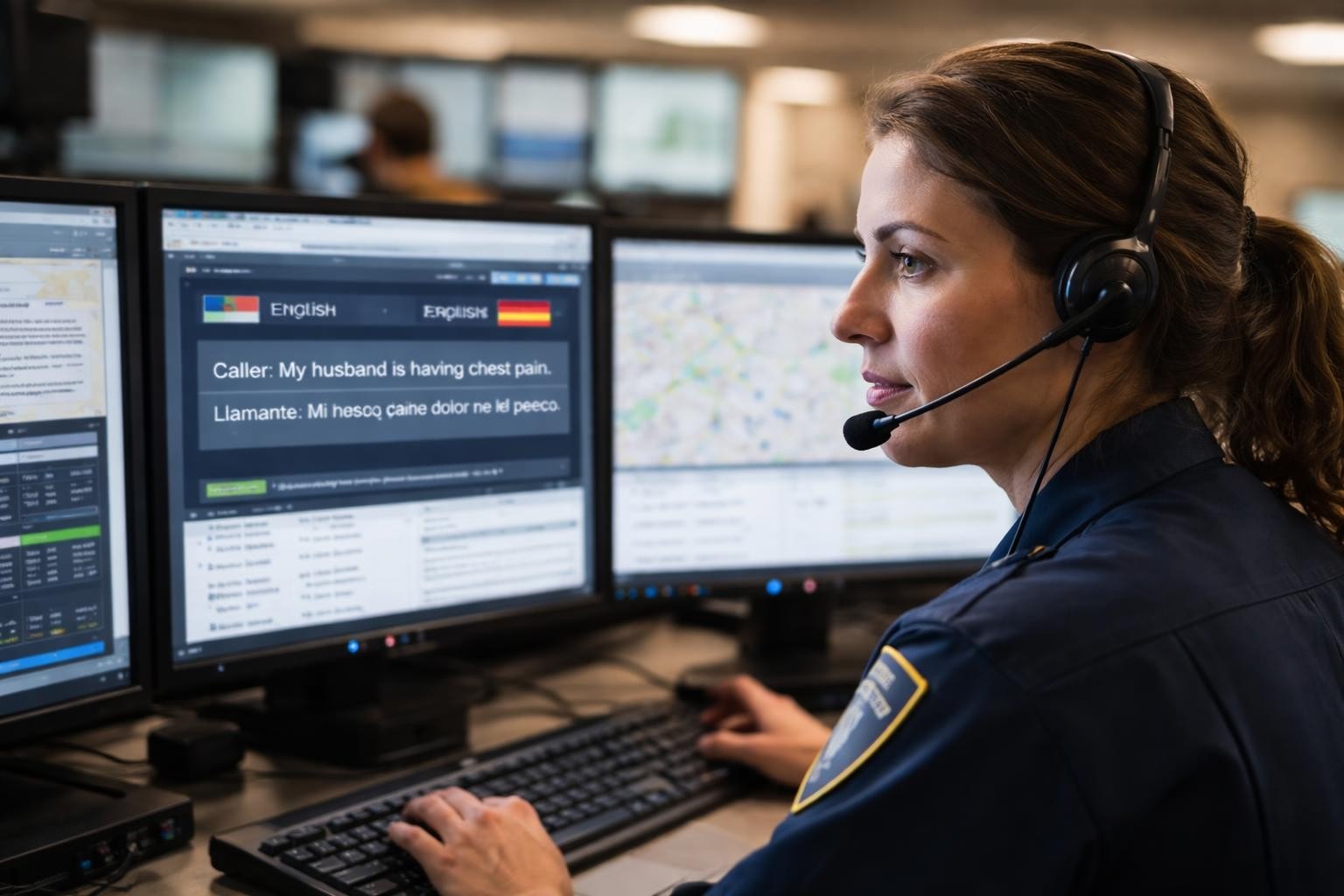

Emergency situations demand immediate action, and communication delays can mean the difference...
Emergency response teams face unprecedented challenges when language barriers intersect with critical incidents. Intelligence translation represents a transformative approach that combines artificial intelligence capabilities with linguistic services to deliver actionable information across language boundaries in high-stakes situations. This technology bridges the gap between data-driven insights and effective multilingual communication, enabling first responders to make informed decisions regardless of the languages spoken by those in need.
Understanding Intelligence Translation in Emergency Contexts
Intelligence translation extends far beyond simple word-for-word conversion between languages. It encompasses the sophisticated process of gathering, analyzing, and conveying critical information across linguistic and cultural barriers while maintaining accuracy and context.
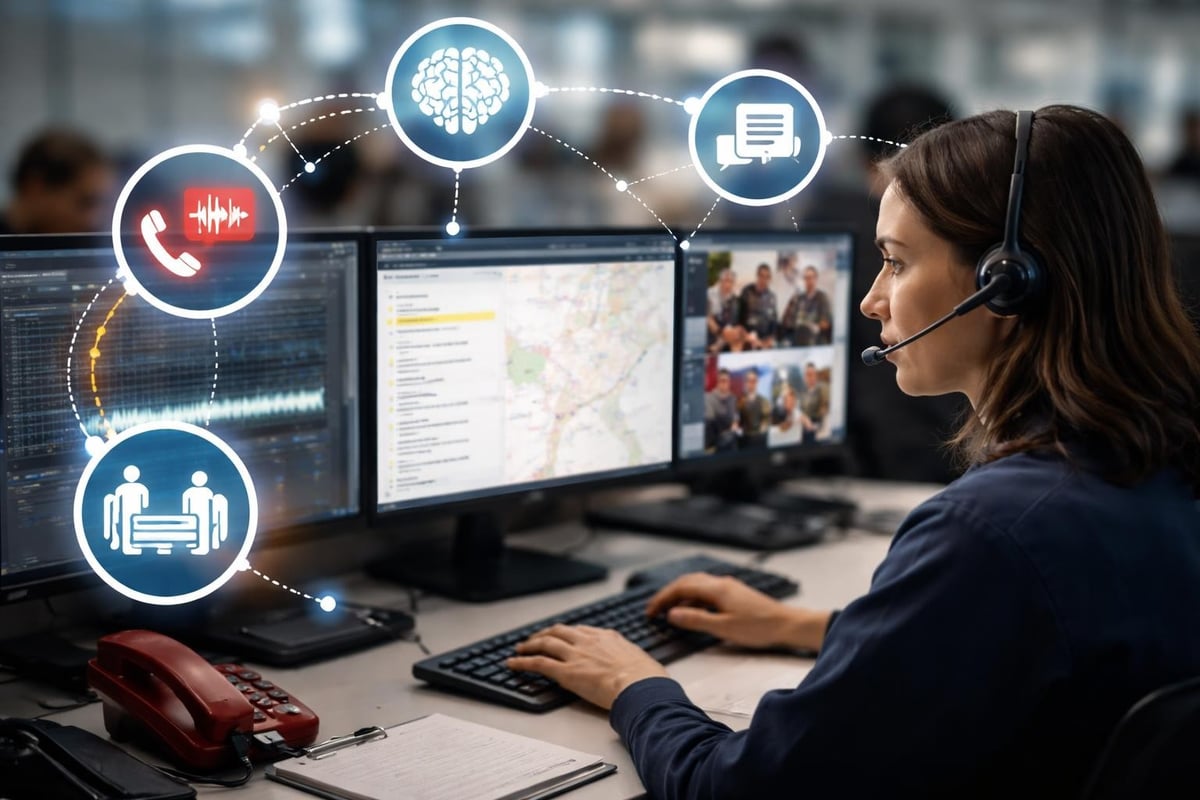
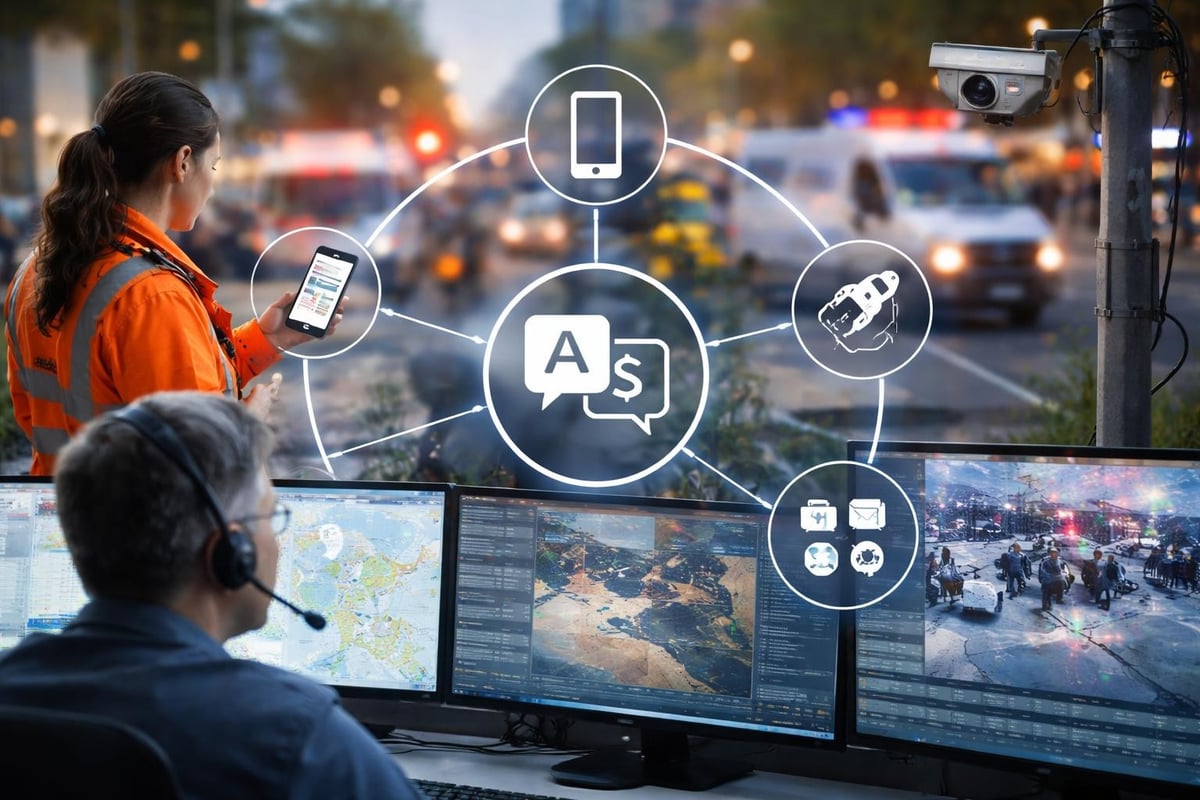
In emergency scenarios, this approach integrates multiple data streams-including voice communications, text messages, visual information, and situational context-to provide comprehensive understanding across language divides. The intelligence component refers to both the analytical processing of information and the implementation of artificial intelligence technologies that enhance translation speed and accuracy.
Public safety agencies increasingly recognize that effective emergency response demands more than basic translation capabilities. Intelligence translation systems must parse urgent messages, identify key threat indicators, understand cultural nuances, and deliver actionable information to responders in real-time. This multidimensional approach ensures that critical details aren't lost in translation during life-or-death situations.
Core Components of Intelligence Translation Systems
Modern intelligence translation platforms integrate several essential technologies and methodologies to function effectively in emergency environments. Understanding these components helps agencies evaluate and implement appropriate solutions.
Artificial Intelligence and Machine Learning Integration
Contemporary AI-driven translation models form the backbone of intelligence translation systems. These neural networks learn from vast datasets of emergency communications, continuously improving their ability to recognize patterns, understand context, and deliver precise translations.
Machine learning algorithms identify critical keywords and phrases that indicate specific emergency types-medical crises, security threats, natural disasters-and prioritize their accurate translation. The technology adapts to regional dialects, colloquialisms, and even stress-affected speech patterns common in emergency situations.
Key AI capabilities include:
- Real-time language detection across 185+ languages
- Context-aware translation that understands emergency terminology
- Sentiment analysis to gauge urgency and emotional state
- Adaptive learning from successful emergency interactions
- Predictive text completion for faster response composition
Research demonstrates that artificial intelligence applications in translation significantly improve accuracy rates, particularly when handling specialized terminology common in public safety communications. These improvements directly translate to faster, more effective emergency response.
Multi-Modal Communication Channels
Intelligence translation must function seamlessly across diverse communication platforms that emergency responders utilize daily. This multi-modal capability ensures continuity of service regardless of how civilians choose to request help.
| Communication Mode | Intelligence Translation Application | Primary Benefits |
|---|---|---|
| Voice Calls | Real-time speech-to-speech translation | Maintains natural conversation flow |
| Text Messages | Instant bidirectional text translation | Creates written record for documentation |
| Video Calls | Visual context plus audio translation | Enables assessment of situations and injuries |
| Data Feeds | Automated translation of alerts and updates | Ensures multilingual warning systems |
Modern platforms like those supporting video interpreter services combine visual communication with intelligent translation to provide responders with comprehensive situational awareness. This multi-sensory approach reduces misunderstandings and enables more accurate assessment of emergency conditions.
Operational Benefits for Emergency Response Agencies
Intelligence translation delivers measurable improvements across multiple dimensions of emergency operations. These benefits extend beyond simple communication facilitation to fundamental enhancements in community safety and operational efficiency.
Enhanced Response Accuracy and Speed
When emergency call-takers receive intelligence translation support, they can immediately understand the nature and severity of incidents regardless of caller language. This eliminates the delays associated with searching for bilingual staff or waiting for traditional interpreter services to connect.
Response time improvements include:
- Immediate call comprehension within 2-3 seconds of connection
- Continuous translation throughout the entire emergency interaction
- Automatic documentation of translated conversations for records
- Parallel processing of multiple language requests simultaneously
- Instant responder briefing in their preferred language before arrival
Studies examining emergency translation technologies show that intelligent systems reduce average call processing time by 40-60% compared to traditional interpretation methods. This time savings can make the difference between life and death in critical medical emergencies.
Expanded Language Coverage
Traditional translation services typically offer limited language options, especially for less common languages or rare dialects. Intelligence translation platforms provide comprehensive coverage that serves increasingly diverse communities.
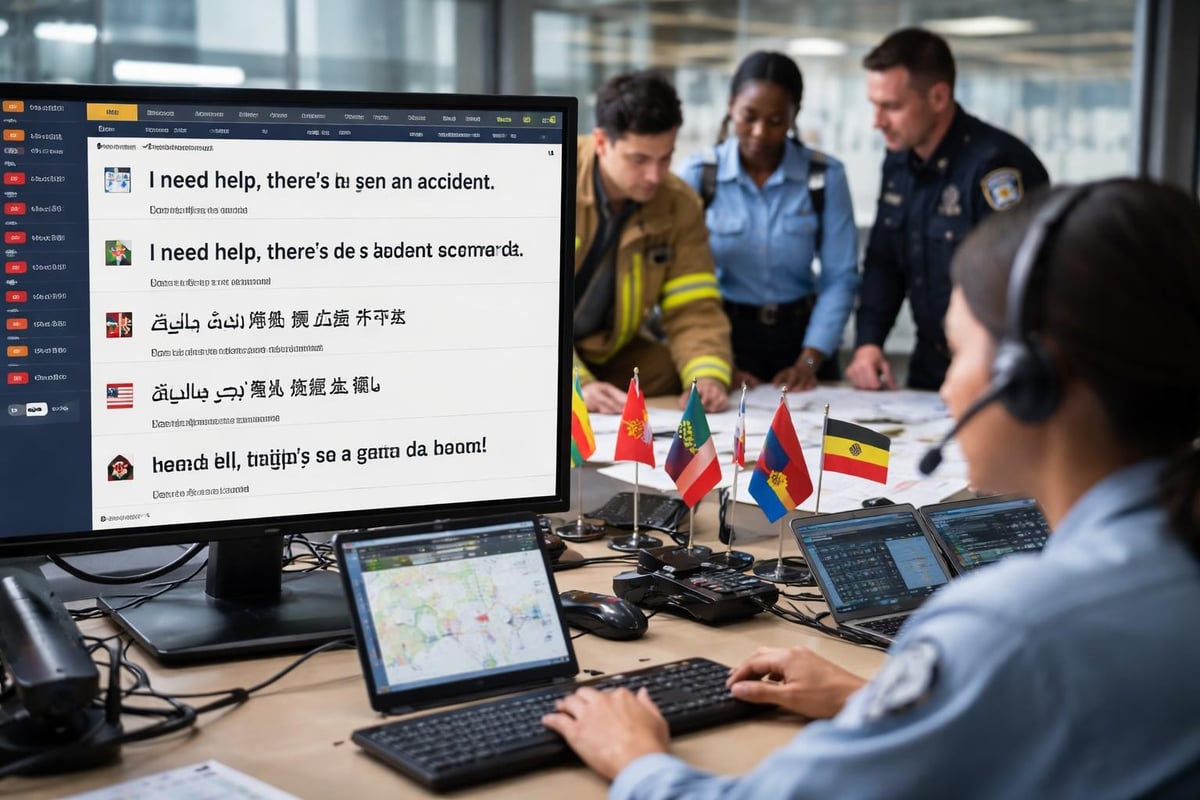
The technology proves particularly valuable for communities speaking languages with smaller populations. Research on AI technologies supporting endangered languages demonstrates how intelligent systems can serve populations that traditional human interpreter networks cannot economically support.
Geographic areas experiencing rapid demographic changes benefit enormously from applications that translate multiple languages simultaneously. Intelligence translation adapts instantly to community language needs without requiring additional hiring or training.
Cost Efficiency and Resource Optimization
Budget-constrained public safety agencies face difficult decisions about language access investments. Intelligence translation offers compelling economic advantages compared to traditional approaches.
| Resource Factor | Traditional Interpretation | Intelligence Translation |
|---|---|---|
| 24/7 Coverage Cost | High-requires shift staffing | Moderate-subscription-based |
| Rare Language Access | Very High-specialized contractors | Included in platform |
| Training Requirements | Extensive-ongoing language certification | Minimal-software operation |
| Scalability | Limited-by available interpreters | Unlimited-software scales instantly |
| Per-Incident Cost | $50-200 per call | $2-5 per interaction |
These economic benefits enable agencies to redirect resources toward other critical needs while maintaining superior language access. The return on investment becomes particularly evident in communities with significant multilingual populations.
Implementation Strategies for Public Safety Organizations
Successfully deploying intelligence translation requires thoughtful planning and systematic integration into existing emergency communication workflows. Agencies that approach implementation strategically achieve better outcomes and faster adoption.
Assessment and Planning Phase
Organizations should begin by conducting comprehensive needs assessments that identify current language access gaps, call volume patterns, and specific language requirements within their service areas. This data-driven approach ensures solutions address actual operational needs.
Critical assessment components include:
- Analysis of historical call data to identify language frequency
- Mapping of community demographics against current language capabilities
- Review of existing language translation models and their effectiveness
- Evaluation of technical infrastructure and integration requirements
- Documentation of regulatory compliance obligations
Understanding the complete landscape of translation language capabilities helps agencies select platforms that align with both current needs and projected growth in multilingual service demand.
Technology Integration and Training
Intelligence translation platforms must integrate seamlessly with existing computer-aided dispatch systems, radio networks, and emergency communication infrastructure. Technical implementation requires coordination between IT departments, dispatch operations, and vendor support teams.
Training programs should address both technical operation and best practices for working with intelligent translation systems. Dispatchers need to understand how the technology functions, its capabilities and limitations, and optimal communication techniques when using translation assistance.
The transition period typically spans 4-6 weeks as staff adapt to new workflows and gain confidence with intelligence translation tools. Agencies should plan for parallel operation of legacy and new systems during this adjustment phase.
Quality Assurance and Continuous Improvement
Intelligence translation systems improve through ongoing monitoring and refinement. Agencies should establish quality assurance protocols that evaluate translation accuracy, identify problematic phrases or terms, and provide feedback for system optimization.
Regular review of translated emergency interactions helps identify patterns where human intervention might improve outcomes. This hybrid approach-combining intelligent automation with human expertise when needed-delivers optimal results for complex situations.
Performance metrics should track response times, translation accuracy rates, user satisfaction scores, and operational efficiency improvements. These measurements demonstrate value and guide ongoing refinement efforts.
Future Developments in Intelligence Translation Technology
The intelligence translation field continues evolving rapidly as artificial intelligence capabilities advance and emergency communication needs grow more sophisticated. Forward-thinking agencies should monitor emerging trends that will shape future implementations.
Enhanced Contextual Understanding
Next-generation systems will incorporate deeper contextual analysis, understanding not just words but the full situational context of emergency interactions. These platforms will recognize address formats, understand medical terminology in multiple languages, and identify critical infrastructure references across linguistic boundaries.
Research into AI-generated feedback mechanisms shows how systems can learn from corrections and continuously refine their translation approaches. This self-improving capability will reduce errors and enhance reliability over time.
Specialized Domain Knowledge
Future intelligence translation platforms will incorporate specialized knowledge bases for emergency services, medical terminology, hazardous materials identification, and tactical operations vocabulary. This domain expertise will ensure precise translation of technical terms critical to effective response.
The development of sign language translation capabilities demonstrates how intelligence translation can extend beyond spoken languages to serve deaf and hard-of-hearing community members through video-based emergency communication.
Integration with Emerging Communication Platforms
As communication technologies evolve, intelligence translation will expand to support new channels and formats. Integration with social media monitoring, IoT sensor networks, and smart device ecosystems will provide emergency responders with translated intelligence from diverse sources.
Understanding how different types of translators contribute to comprehensive language access helps agencies prepare for increasingly complex communication environments where multiple translation approaches work together seamlessly.
Addressing Implementation Challenges and Concerns
While intelligence translation offers substantial benefits, agencies must navigate several challenges during adoption and operation. Proactive planning addresses these concerns before they impact service delivery.
Accuracy and Liability Considerations
Emergency communications demand exceptional accuracy where mistranslation could have severe consequences. Intelligence translation platforms must meet rigorous quality standards, and agencies should understand both capabilities and limitations.
Most advanced systems achieve 95-98% accuracy for common languages in emergency contexts, with human oversight available for complex situations. Establishing clear protocols for when to escalate from automated translation to human interpreters ensures appropriate resource allocation.
Legal frameworks increasingly recognize AI-assisted translation as acceptable for emergency communications when properly implemented and monitored. Agencies should consult with legal counsel to ensure compliance with accessibility regulations and liability protections.
Cultural Competency and Nuance
Translation extends beyond literal word conversion to encompass cultural understanding and contextual appropriateness. Intelligence translation systems must account for cultural differences in how people describe emergencies, express urgency, or interact with authority figures.
Training programs should educate responders about cultural factors that affect emergency communications. The examination of AI impact on translation professions reveals how human cultural knowledge remains valuable even as technology handles linguistic conversion.
Privacy and Data Security
Emergency communications contain sensitive personal information that must be protected throughout the translation process. Intelligence translation platforms should incorporate robust encryption, secure data handling protocols, and compliance with privacy regulations.
Agencies must verify that translation providers maintain appropriate security certifications, undergo regular audits, and align with public safety data protection standards. Cloud-based translation services offer advantages but require careful evaluation of data sovereignty and access controls.
Building Community Trust Through Effective Language Access
Intelligence translation technology serves a broader mission of ensuring equitable emergency services for all community members regardless of language background. This commitment to inclusive public safety builds trust and strengthens community relationships.
Outreach and Education Initiatives
Public safety agencies should actively communicate their intelligence translation capabilities to multilingual communities. Awareness campaigns ensure that non-English speakers know they can confidently contact emergency services and receive help in their native language.
Community education materials should be translated into prevalent local languages, explaining how language access services work and what callers can expect when requesting emergency assistance. This transparency reduces hesitation to call for help during crises.
Measuring Community Impact
Beyond operational metrics, agencies should assess how intelligence translation affects community outcomes. Tracking metrics like emergency call rates from multilingual neighborhoods, satisfaction surveys in multiple languages, and community trust indicators provides valuable insight into program effectiveness.
Success stories demonstrating how intelligence translation enabled effective response to emergencies in non-English-speaking communities serve as powerful evidence of value. These narratives help justify continued investment and program expansion.
Collaborative Partnerships
Effective intelligence translation implementation often involves partnerships between public safety agencies, technology providers, community organizations, and linguistic experts. These collaborative relationships ensure solutions address real community needs and incorporate diverse perspectives.
Engagement with community leaders from immigrant and multilingual populations provides crucial feedback on translation quality, cultural appropriateness, and accessibility. This ongoing dialogue helps refine systems and build confidence in emergency services among underserved populations.
Intelligence translation represents a fundamental advancement in emergency communication capabilities, enabling public safety agencies to serve diverse communities with unprecedented effectiveness. By combining artificial intelligence with comprehensive language services, this technology removes barriers that have historically delayed or complicated emergency response for non-English speakers. Convey911 delivers industry-leading intelligence translation solutions specifically designed for emergency communications, supporting over 185 languages across text, voice, and video channels to ensure every community member can access life-saving assistance regardless of language barriers.